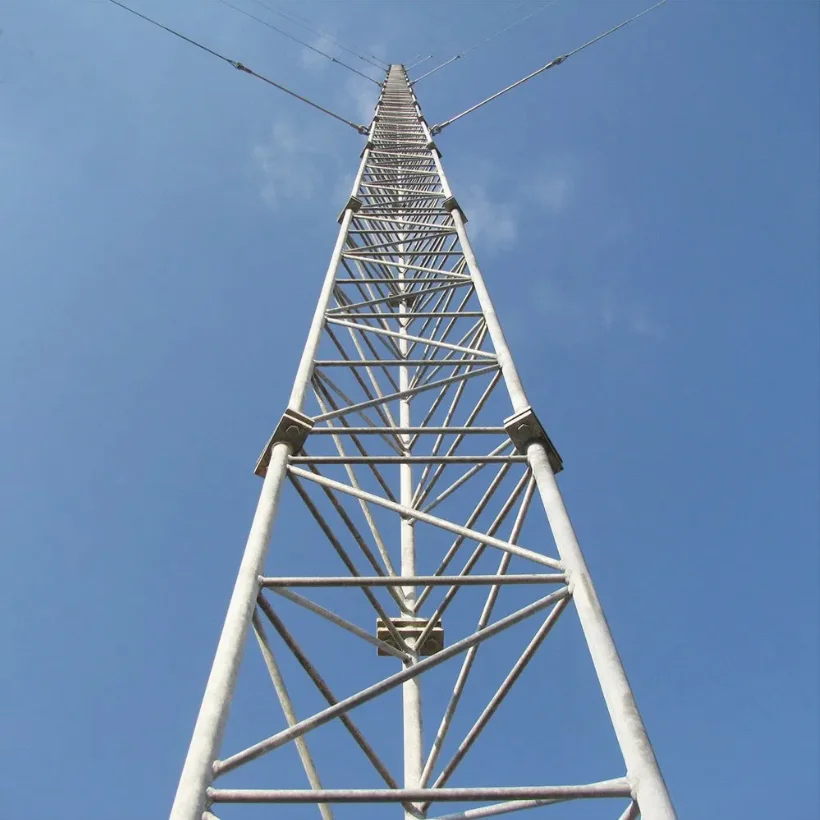
In communication, security surveillance, temporary lighting and industrial equipment installation projects, a tower must provide not only the required height and load capacity, but also convenient installation, adjustment and maintenance. Once a conventional fixed tower is installed, replacing equipment, checking cables or changing the installation height may require an aerial work platform, lifting equipment or qualified work-at-height personnel. This can increase the complexity and cost of site operations.
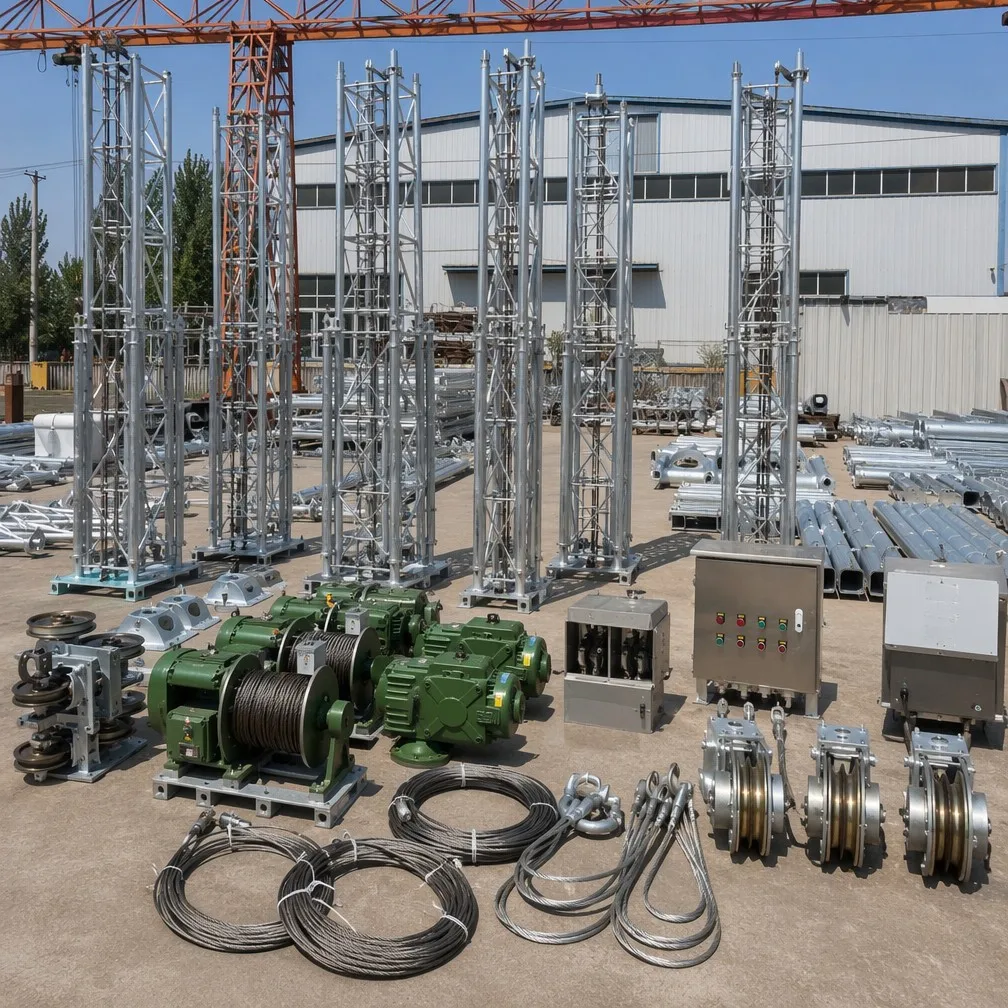
A motorized telescopic tower uses a telescopic tower body, drive motor, winch mechanism, pulley assemblies, wire ropes and an electrical control cabinet to provide convenient height adjustment. Depending on the project design, the tower can be raised to its target operating height and lowered to a more accessible position for installation, inspection or equipment adjustment. This makes it suitable for projects that require frequent maintenance or flexible deployment.
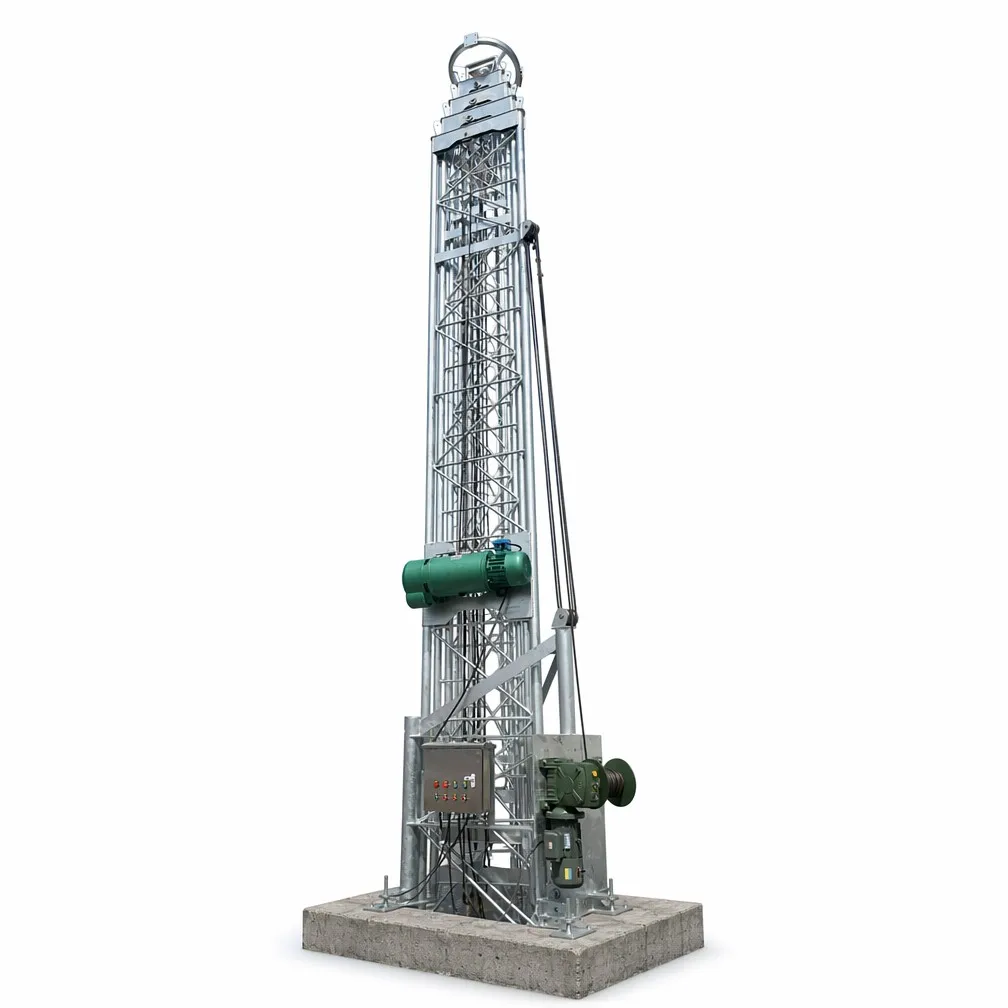
A motorized telescopic tower is a vertical support structure made up of multiple tower sections. Through the coordinated operation of guiding, connecting and lifting components, the tower sections can be raised or lowered according to the project requirements.
A typical motorized telescopic tower may include:
The tower height, number of sections, lifting method, equipment load and foundation design should be confirmed according to the equipment to be installed, wind load, site conditions and applicable project standards. These parameters should not be selected by simply applying a fixed standard configuration to every project.
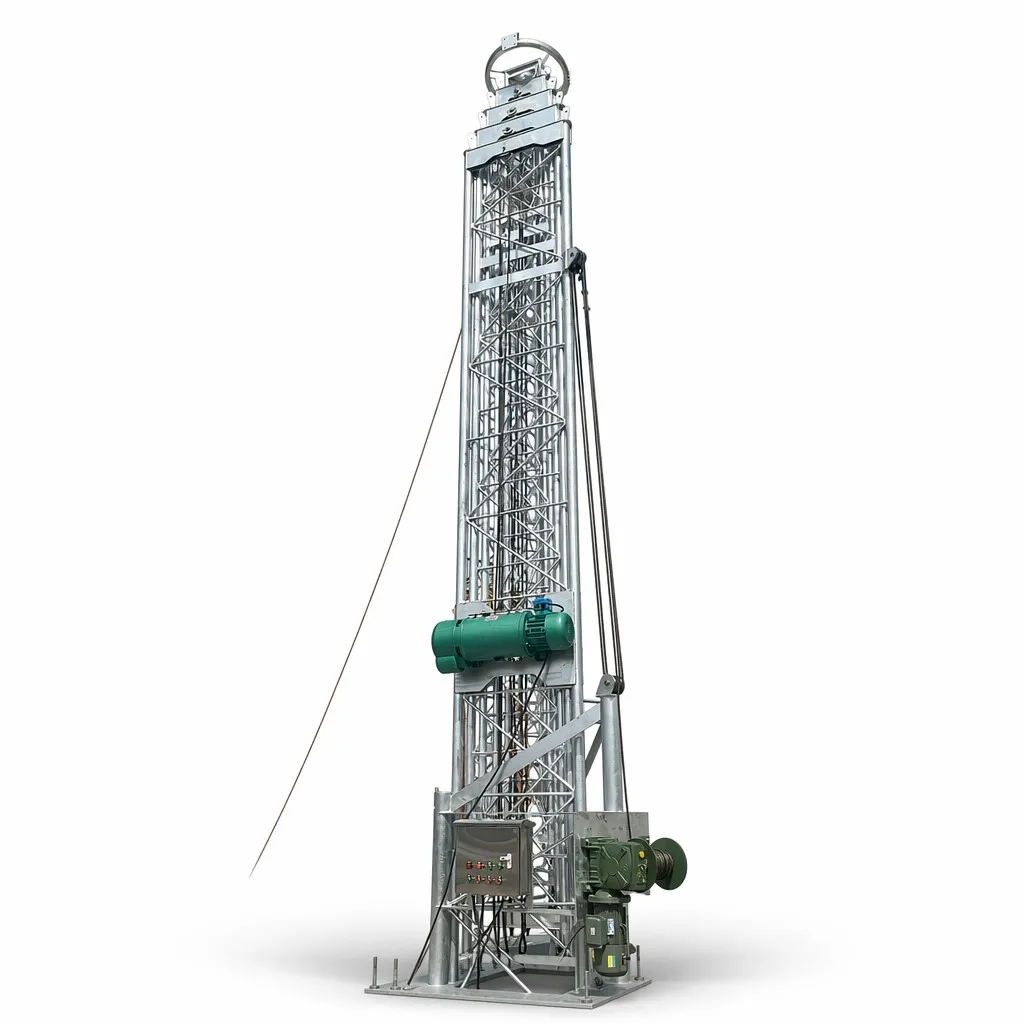
The operating height of a fixed tower is normally determined during installation. A motorized telescopic tower, however, can be adjusted according to actual operating requirements. During equipment commissioning, signal testing, temporary surveillance or construction lighting, the equipment position can be changed to suit site conditions. Once the project enters the formal operating stage, the tower can be raised to its designed working height.
This adjustable-height capability helps the tower adapt to different working conditions, especially projects that require staged adjustments, temporary deployment or repeated changes in equipment elevation.
Cameras, antennas, lighting fixtures and sensors installed at height require regular inspection and maintenance throughout their service life. By lowering the tower body or equipment platform, maintenance personnel may be able to perform certain inspection, wiring, cleaning and replacement tasks at ground level or at a lower working position. This can reduce reliance on external aerial work equipment.
Whether work at height can be completely avoided depends on the equipment type, tower structure, installation method and safety design. The lifting function can make maintenance easier, but it does not replace proper safety procedures, professional inspection or qualified personnel.
Conventional high-level maintenance often requires advance arrangements for aerial work platforms, cranes or work-at-height personnel. It may also require coordination of site traffic, power supply and safety zones. A motorized telescopic tower can adjust its height through its own mechanical lifting system, potentially reducing the need for some external equipment and shortening maintenance preparation time.
For industrial parks, roadside projects, temporary construction sites and remote locations, the integrated lifting capability can improve operational independence and response speed.
A motorized telescopic tower is not limited to a single application. Depending on the top equipment and design load, it can be used to support:
The same tower type can be configured with different top interfaces, equipment brackets and cable-routing solutions according to project requirements. For projects involving multiple types of equipment, it is recommended to confirm equipment weight, projected wind area, installation direction and maintenance method during the design stage.
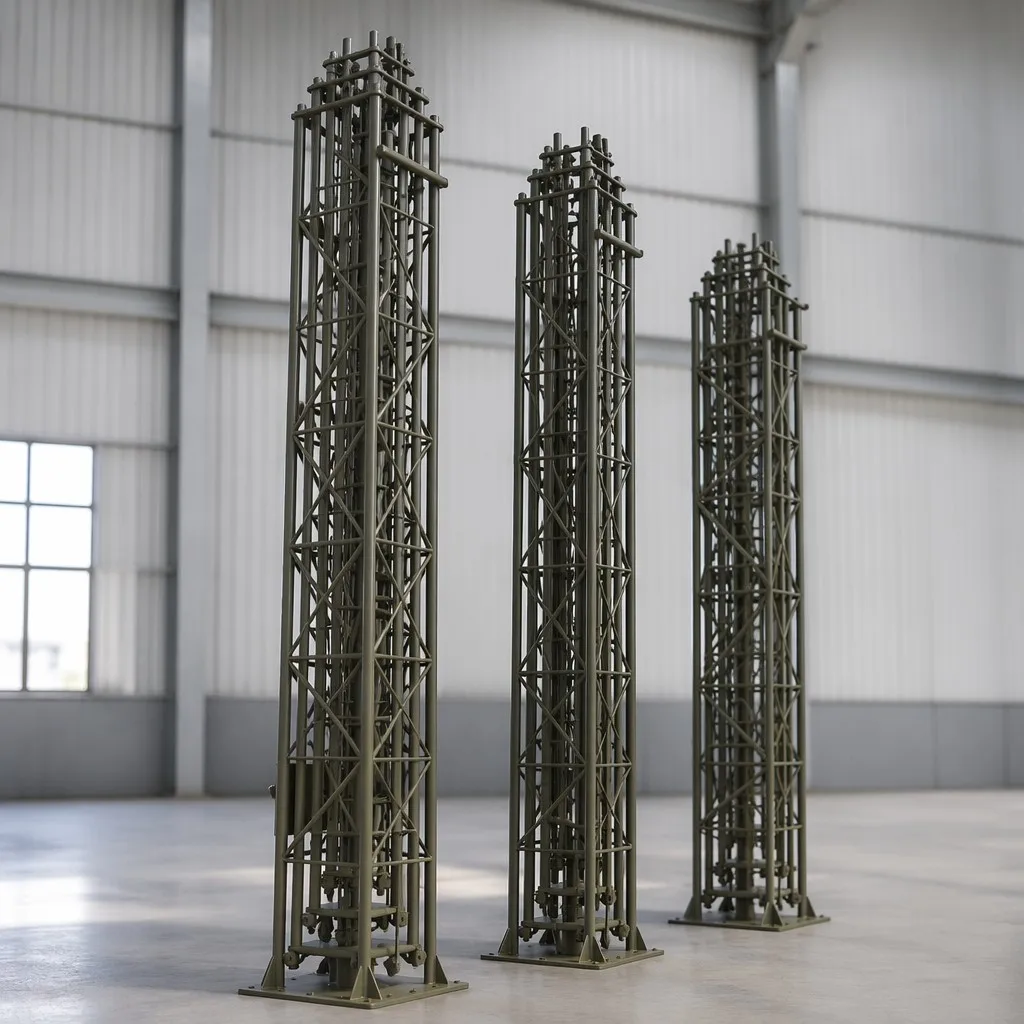
Telescopic tower systems are commonly designed with sectional or modular components, which allows them to be divided according to transportation conditions and the lifting capacity available at the site. Compared with a large integrated tower, modular components can help optimize packaging, transportation and on-site installation.
For projects that require repeated deployment at different locations, the tower structure, drive system and control components can also be standardized. This may reduce repeated design work and on-site modifications. Actual transport dimensions, packaging methods and installation equipment requirements should be confirmed separately based on the tower dimensions and project location.
Equipment requirements may change after installation. During project operation, a customer may need to replace a camera, upgrade an antenna, add a sensor or adjust the direction of a lighting fixture. A motorized telescopic tower provides more convenient access for future equipment upgrades, allowing the structure to support multiple maintenance and adjustment activities throughout the equipment life cycle.
From a long-term operating perspective, convenient maintenance can affect labor requirements, equipment downtime, site safety management and overall system availability.
A motorized telescopic tower typically adjusts its height through the following process:
To ensure reliable operation, the lifting system should be evaluated together with the drive capacity, wire-rope specification, pulley arrangement, coordination between tower sections, limit protection, emergency stop function and electrical protection. The exact structure may vary between projects, and the final solution should comply with the applicable engineering design and safety acceptance requirements.
In temporary communication, emergency communication, industrial-park communication and special-area network coverage projects, equipment height may need to be adjusted according to coverage requirements and site conditions. An elevating structure can make antenna installation, signal testing and subsequent maintenance more convenient.
Factories, warehouses, construction sites, energy facilities and large industrial parks often require cameras to be installed at an elevated position. By lowering the tower, operators can more conveniently adjust camera angles, inspect cables and replace equipment.
On construction roads, at ports, logistics yards, temporary event areas and industrial sites, lighting equipment may need to be installed at different heights as the project progresses. A motorized telescopic tower can help operators adjust the lighting coverage area at different project stages.
Environmental sensors, weather equipment and air-quality monitoring devices may require periodic calibration and maintenance. For equipment that needs regular operation or inspection, a tower that can be lowered can provide a more accessible maintenance position.
To ensure that the tower matches the project requirements, the following information should be confirmed before quotation or design:
The more complete this information is, the more accurately the supplier can carry out structural checking, drive-system selection and foundation planning. This can also help reduce the risk of later modifications.
A motorized telescopic tower combines mechanical, electrical and elevated-structure systems. A clear operating and maintenance procedure should therefore be established:
The lifting function provides greater operational flexibility, but the safety and stability of the tower still depend on correct design, installation, commissioning and maintenance.
The value of a motorized telescopic tower is not limited to its ability to move up and down. Its greater advantage is that it integrates equipment deployment, maintenance, upgrading and on-site height adjustment into a more flexible structural system. For communication, surveillance, lighting and environmental monitoring projects, convenient height adjustment can reduce some of the preparation required for work at height, improve maintenance efficiency and help the system adapt to different application conditions.
If you are planning a customized telescopic tower, it is recommended to provide the target height, equipment information, load requirements, wind conditions, power supply and intended operating method when requesting a quotation. Based on this information, the supplier can further confirm the tower structure, lifting system, control solution, foundation connection and transportation and installation requirements.
Looking for a telescopic tower structure or customized lifting solution? Contact us for technical recommendations tailored to your project.
 Hot News
2026-08-25
2026-07-27
2026-07-21
2026-07-14
2026-07-08
2025-10-27

With 45 years of family-run manufacturing experience, Hebei Junhao.Communication Technology Co., Ltd specializes in manufacturing high-quality communication and power towers. Our state-of-the-art 60.000 square meter facility boasts an annual production capacity of 150.000 metric tons, ensuring reliability and scalability for projects of any size, we have established long-standing partnerships with leading
Guangchuan Town, Jing County, Hengshui City, Hebei Province, China
Copyright © 2026 Hebei Junhao Communication Technology Service Co., Ltd. All rights reserved Privacy Policy
 EN
EN