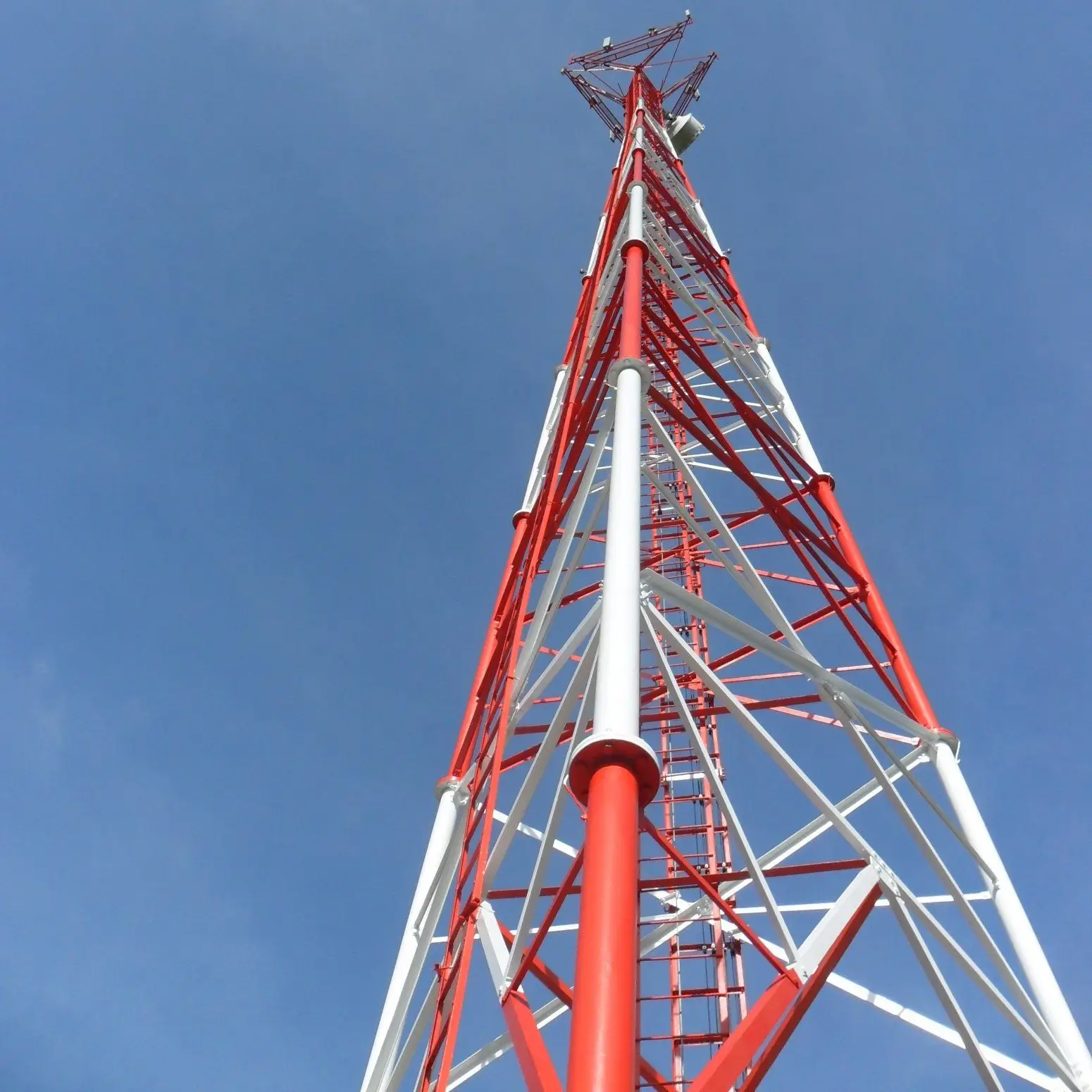
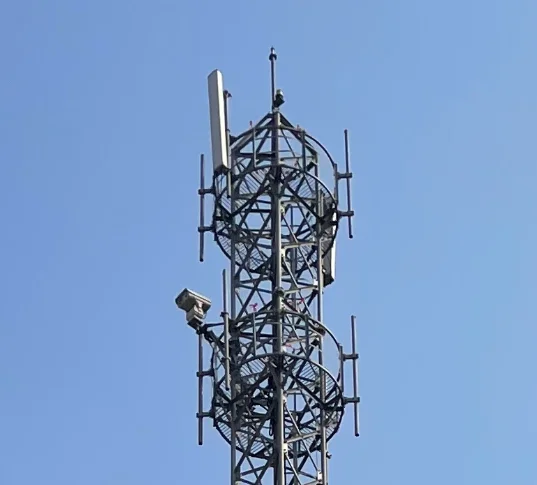
Radar towers create the elevated and stable platform needed for monitoring equipment, radomes and related systems. This visual guide compares two tower structures commonly considered for radar monitoring, remote sensing and surveillance projects.
Hero image:
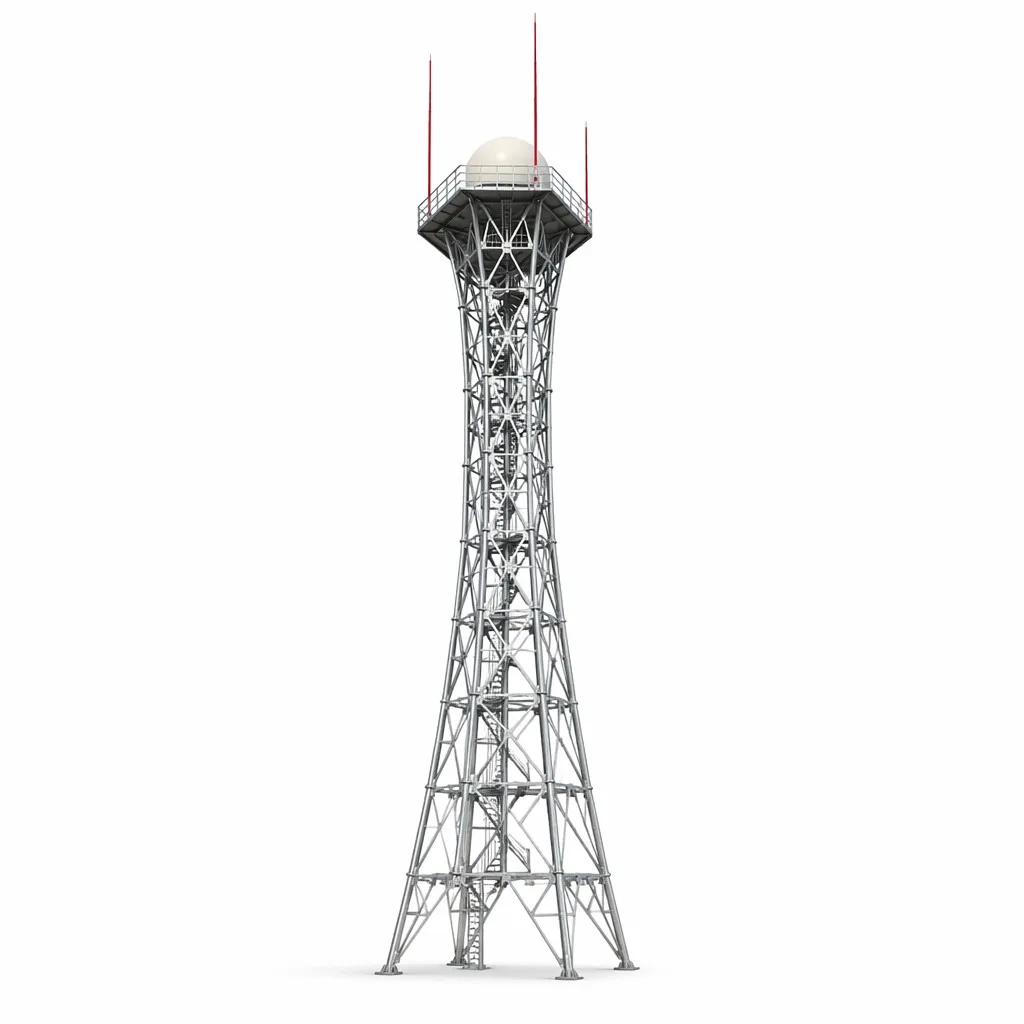
Selecting a radar tower is not only a question of height. The tower structure influences the way equipment is supported, accessed, maintained and integrated into the surrounding site. Two visual categories are especially useful as a starting point: lattice platform radar towers and large cylindrical or composite radar tower structures.
Radar towers are used as elevated infrastructure for radar equipment, radomes, antennas and related monitoring systems. The final application depends on the radar payload, site conditions, coverage objectives and local engineering requirements. The following use cases are common starting points for project discussions.
Radar towers can provide a raised installation point for airport or airfield monitoring equipment. A tower may be positioned near an airport perimeter, runway support area or dedicated radar installation zone, subject to aviation, foundation and site-clearance requirements.
For these projects, buyers typically need to review the tower’s overall height, equipment platform arrangement, access route, maintenance plan and integration with existing airport infrastructure. The radar equipment and operational requirements should be confirmed before the tower structure is finalized.
Elevated radar installations can support weather observation, atmospheric monitoring and environmental data collection projects. Towers may be considered for open terrain, agricultural areas, research sites or regional observation networks where the surrounding environment requires a clear and stable equipment position.
The project review should consider exposure to local weather conditions, equipment enclosure requirements, access for inspection and the relationship between the radar system and nearby buildings or vegetation.
Radar towers can be used near coastlines, ports, harbors and maritime facilities to support monitoring systems. A raised platform may help create a suitable installation position for radar equipment, radomes and communication accessories while keeping the structure coordinated with port operations and restricted areas.
Coastal projects require careful review of the local environment, corrosion-control expectations, foundation conditions, maintenance access and the position of nearby cranes, buildings, vessels and navigation facilities.
For border, estate and perimeter-security projects, radar towers can act as fixed elevated structures for surveillance equipment. Lattice towers are often visually useful during early design discussions because their bracing, platform and access arrangement can be reviewed clearly from multiple angles.
The final solution should be coordinated with the monitoring system, site security plan, power and communication routes, access restrictions and any local requirements for concealed or controlled installations.
Power facilities, communication hubs, industrial compounds, transport terminals and other critical infrastructure sites may require elevated monitoring equipment. A radar tower can be planned as part of a wider security and observation system rather than as a standalone steel structure.
Important review items include the available installation footprint, foundation interface, safe maintenance access, equipment-cable routing, surrounding structures and the need to minimize disruption to daily operations.
Radar towers may support temporary or permanent monitoring arrangements for flood-prone areas, wildfire-risk zones, emergency command areas and disaster-response facilities. In these projects, the tower design should be evaluated together with site access, rapid installation requirements, equipment protection and communications planning.
The appropriate tower type depends on whether the project needs a conventional permanent installation, a dedicated observation structure or integration with an existing emergency monitoring site.
Elevated radar systems can be considered for monitoring major road corridors, bridges, tunnels, logistics areas and transportation hubs. The tower position may help coordinate radar coverage with traffic-control systems, safety facilities and communication equipment.
Transportation projects should review right-of-way restrictions, construction access, visibility requirements, foundation conditions, nearby power lines and the effect of maintenance work on traffic operations.
Industrial parks, energy facilities, large storage areas and remote production sites may use radar-based monitoring for perimeter awareness, site observation or environmental data collection. A cylindrical tower can provide a visually integrated installation, while a lattice tower may make the platform and structural arrangement easier to inspect during project planning.
The final choice should be based on the equipment package, required access, site layout, environmental exposure and the owner’s maintenance procedures.
Universities, laboratories, meteorological organizations and private research teams may need elevated radar infrastructure for remote sensing or field observation. These projects often require close coordination between the tower supplier, equipment manufacturer, civil engineer and research team.
Before quotation, it is useful to confirm the payload arrangement, observation objectives, installation site, access needs, cable routing, data-system interface and any future expansion plans.
A well-planned radar tower can contribute to a project in several practical ways:
Project note: Final tower geometry, foundation design, platform arrangement, equipment interface and environmental protection should be confirmed through project-specific engineering calculations and site conditions. The images in this article are visual references, not a substitute for a project design package.
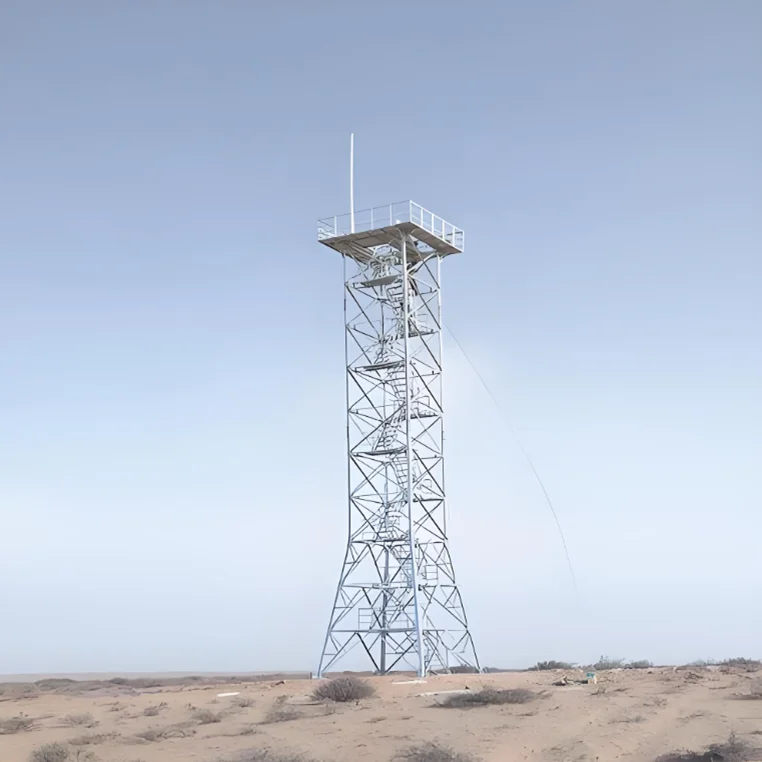
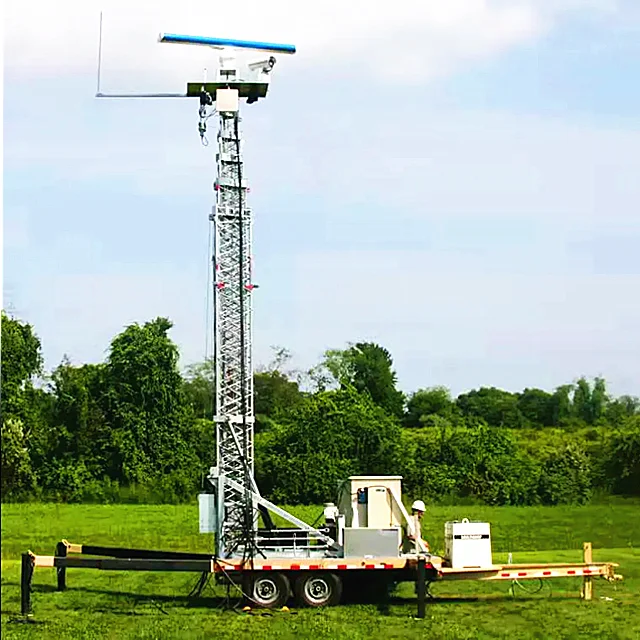
Lattice radar towers use an open truss structure with diagonal bracing and a raised platform at the top. In the reference images, the upper platform includes guardrails, antenna rods and a white radome, while the tower body remains visually open for inspection and access.
This format is useful when a project needs a recognizable elevated platform and a clear structural framework. The open lattice also gives buyers a direct view of the tower’s main members, connection areas and access arrangement during technical discussions.
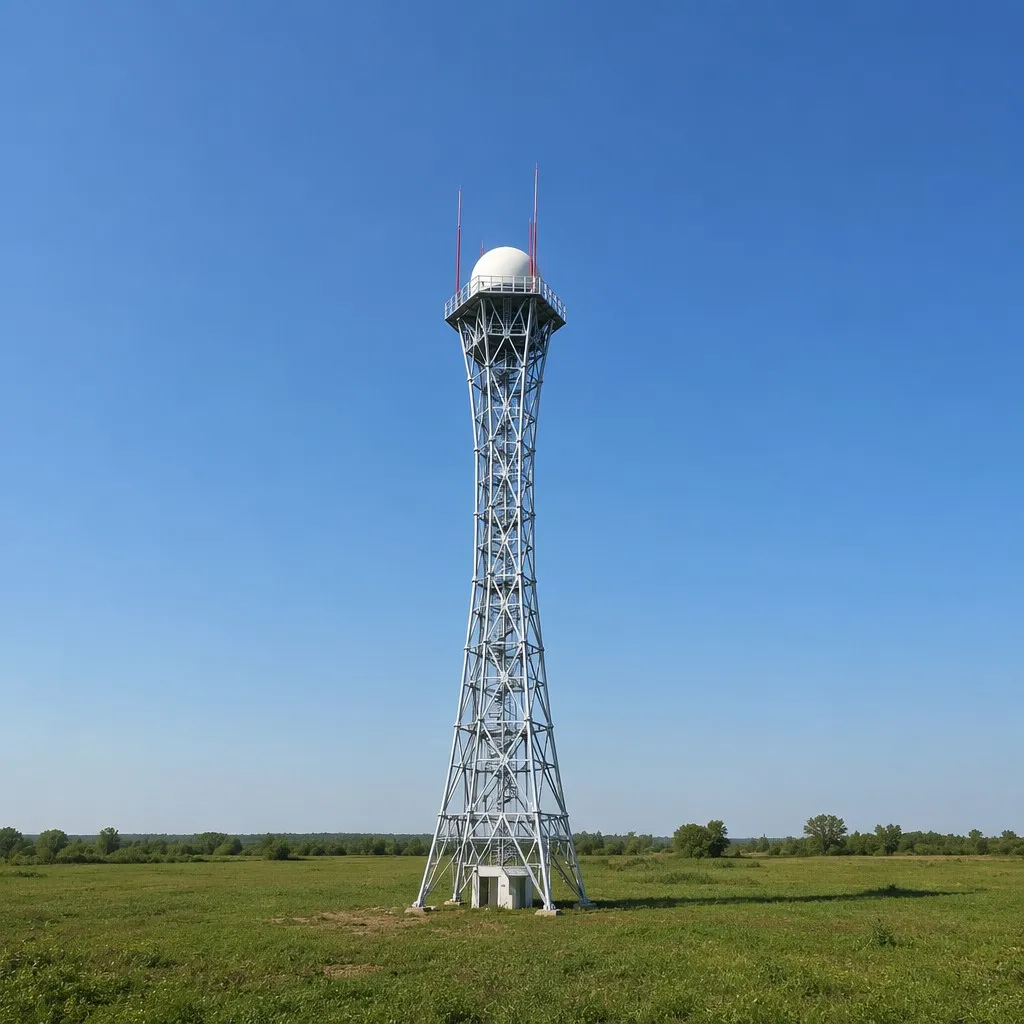
Outdoor deployment view with the tower firmly grounded in an open field.
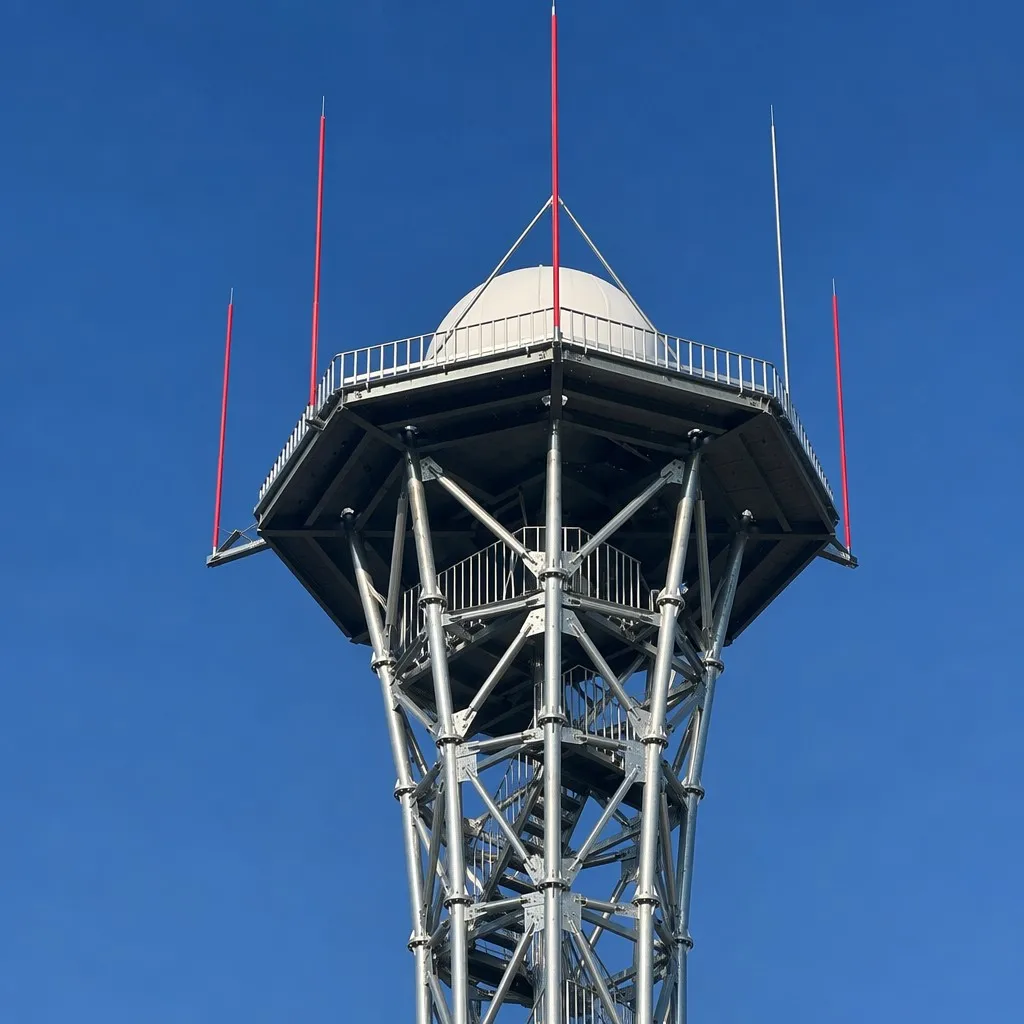
Top platform, guardrail and radome detail.
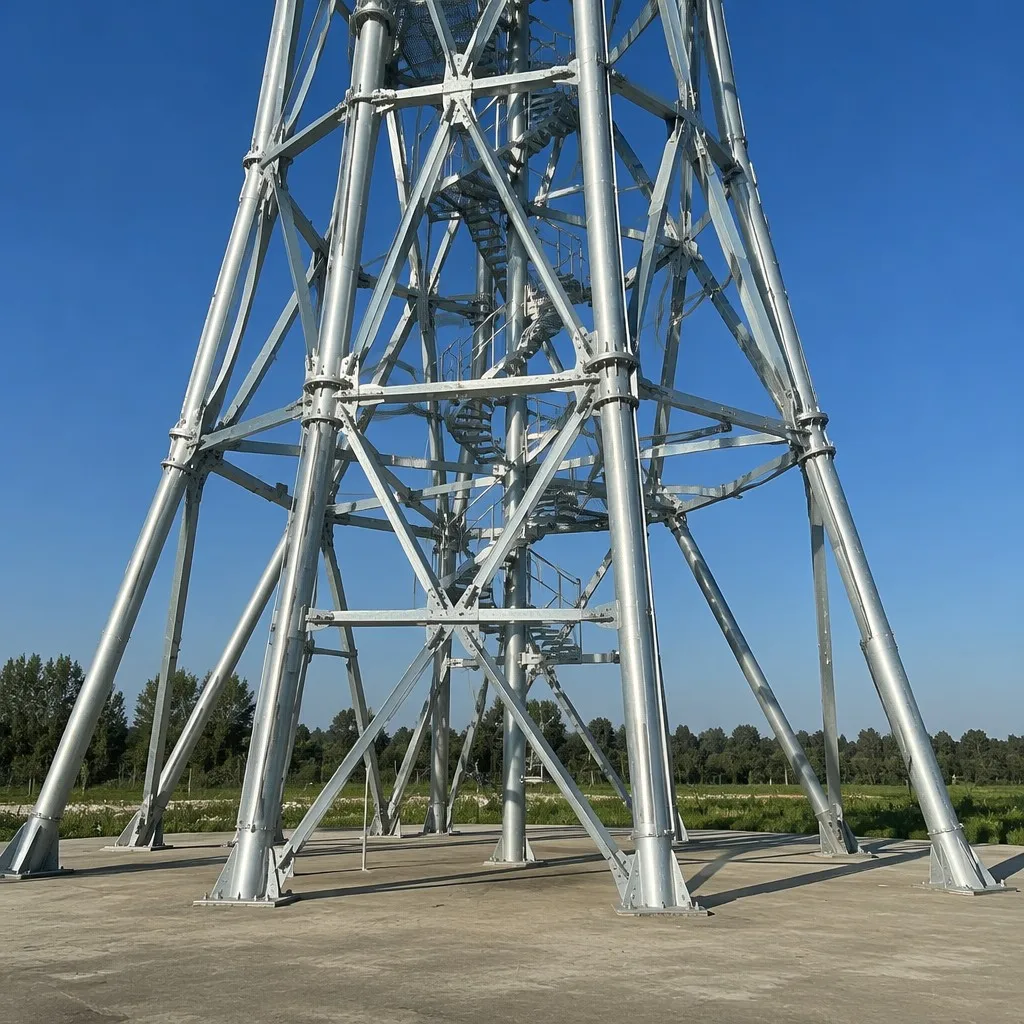
Visible legs, diagonal bracing and platform support frame.
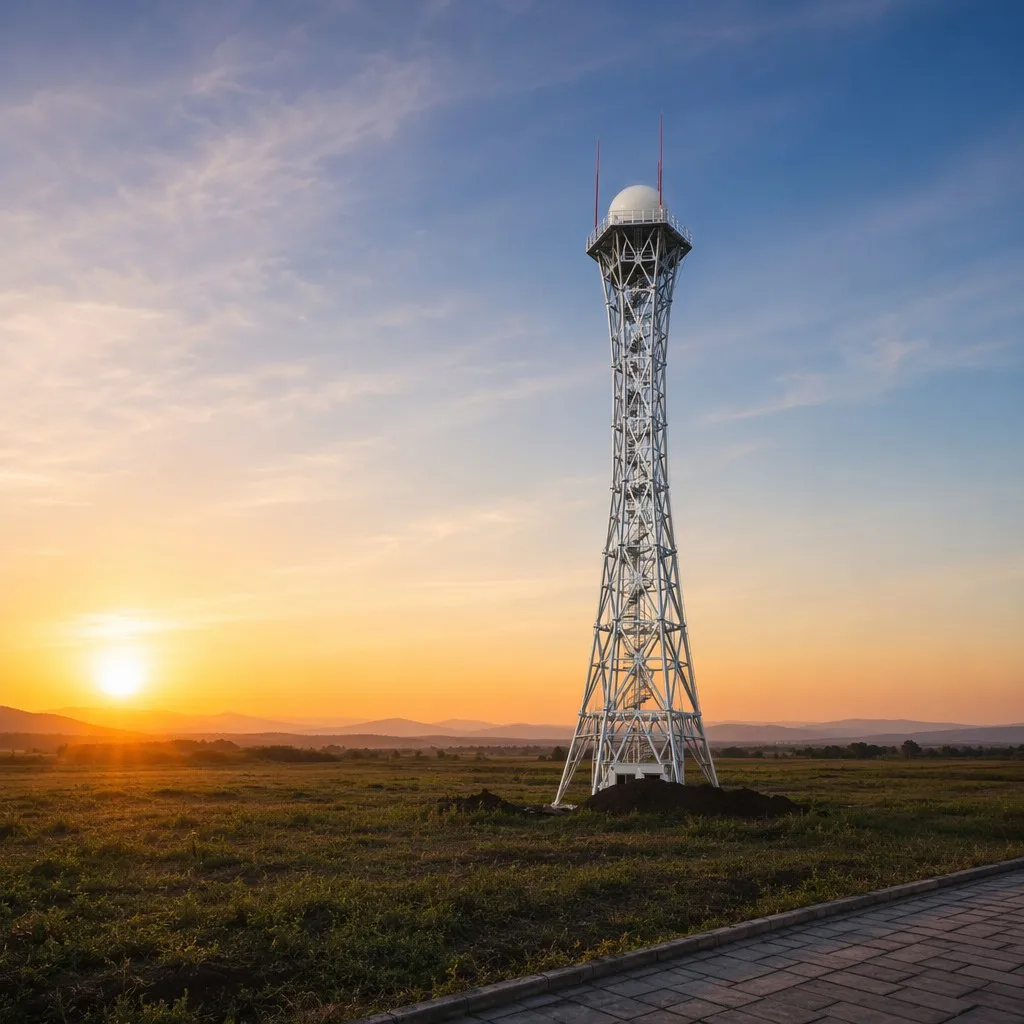
Radar monitoring application scene for an open-terrain site.
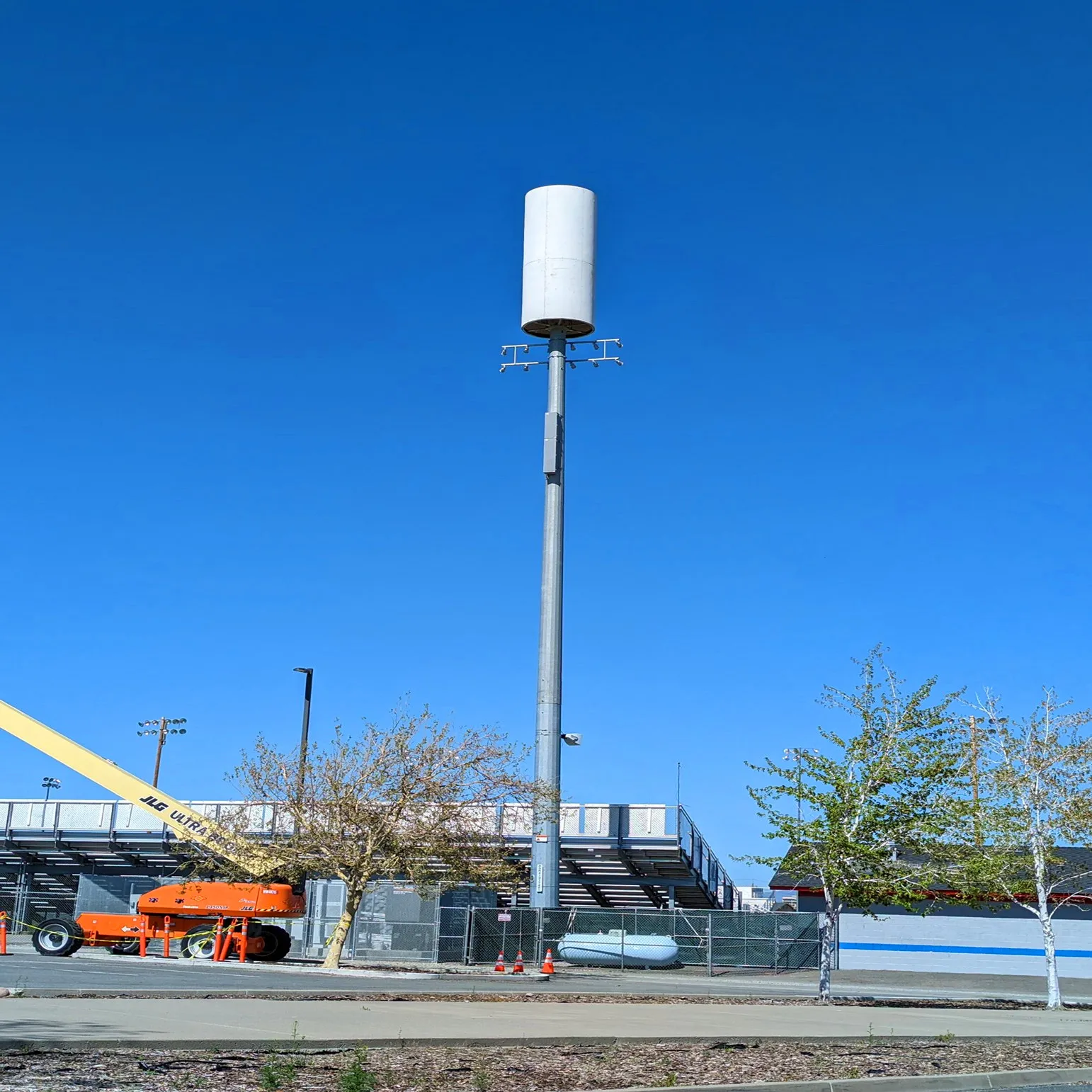
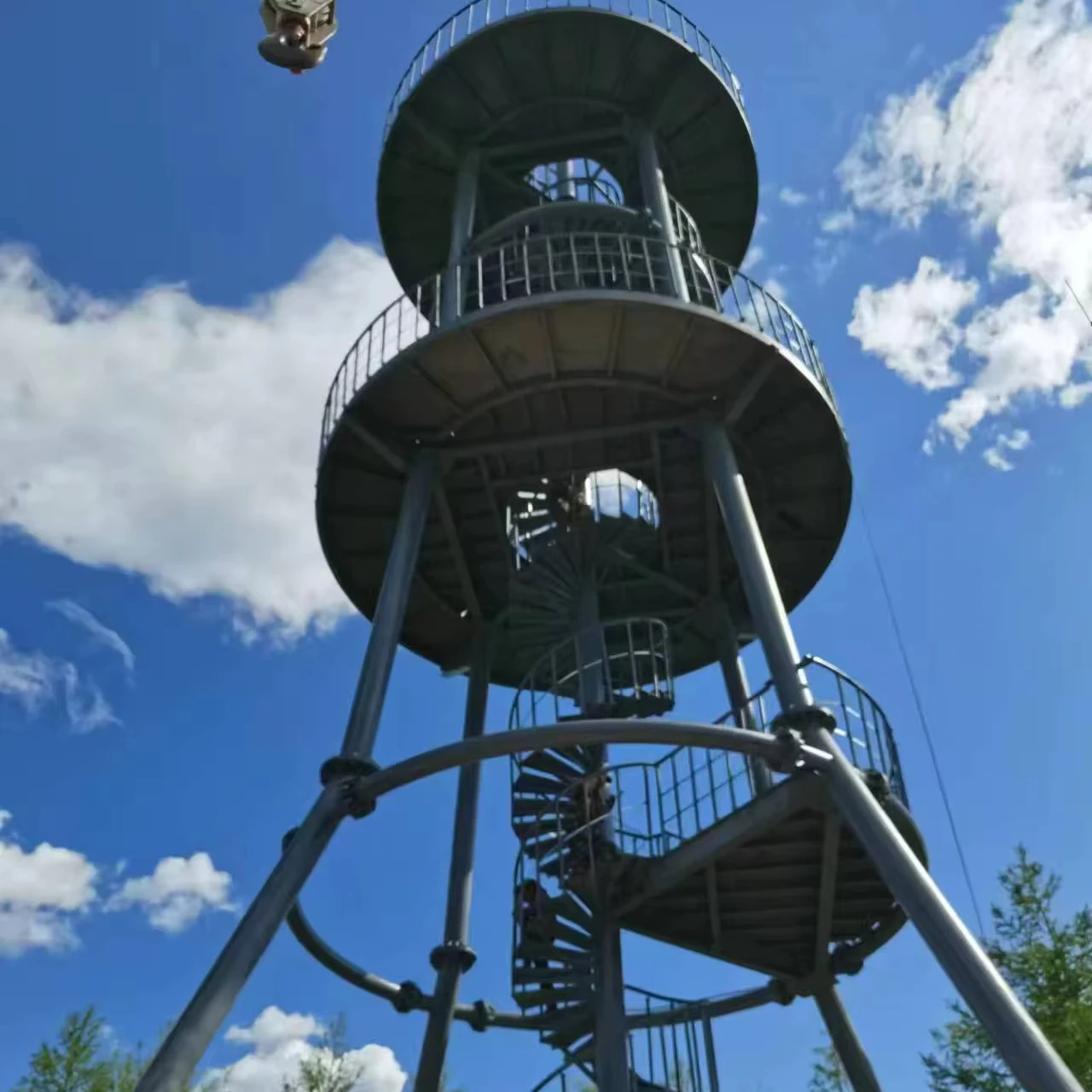
Large cylindrical radar towers use a more enclosed central body combined with an external support framework. The reference tower has a tapered cylindrical form, a white spherical radome and upper shielding panels, giving the installation a compact and highly recognizable silhouette.
This structure can be considered when the project requires a visually integrated tower body, a prominent radome assembly or a large installation that must be coordinated with a broader site plan. Because the reference structure is substantial, the foundation, construction sequence, maintenance access and equipment interface should be reviewed early.
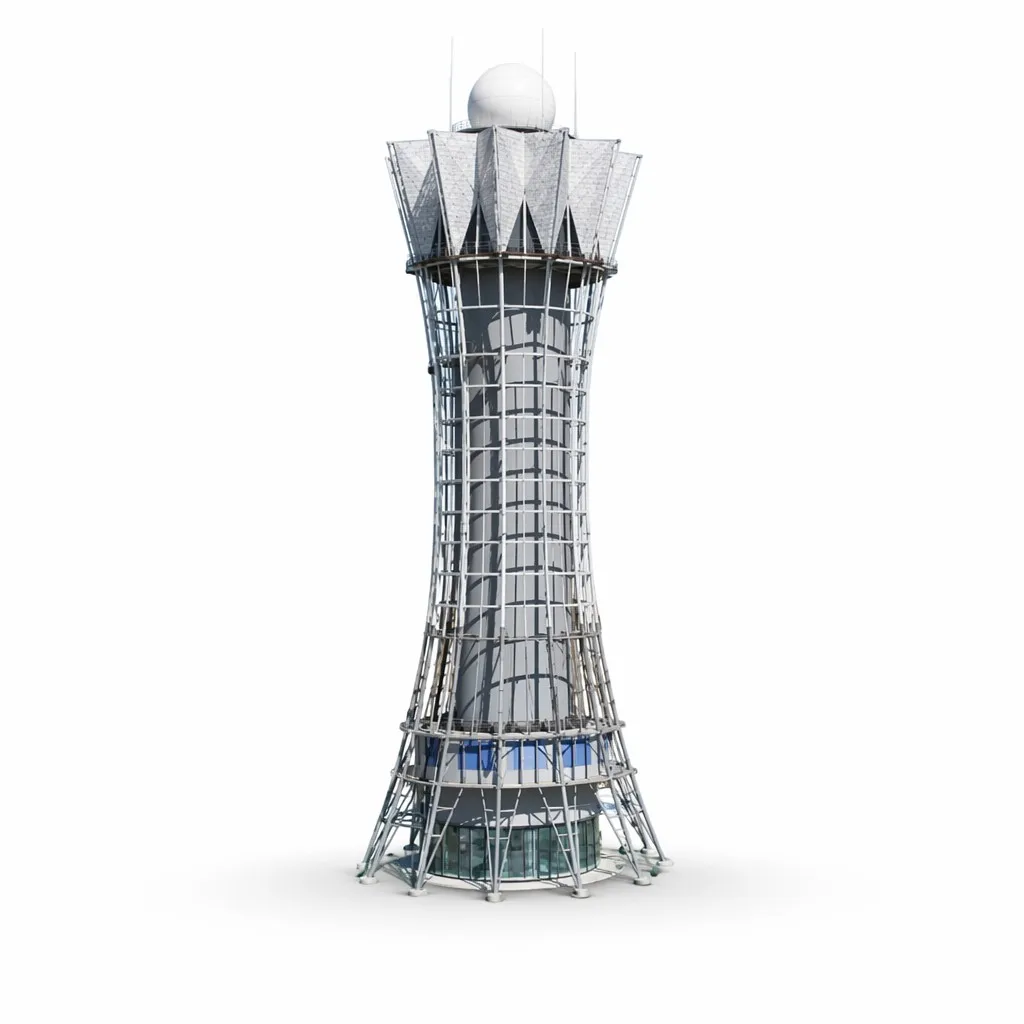
Product-focused view of the cylindrical radar tower structure.
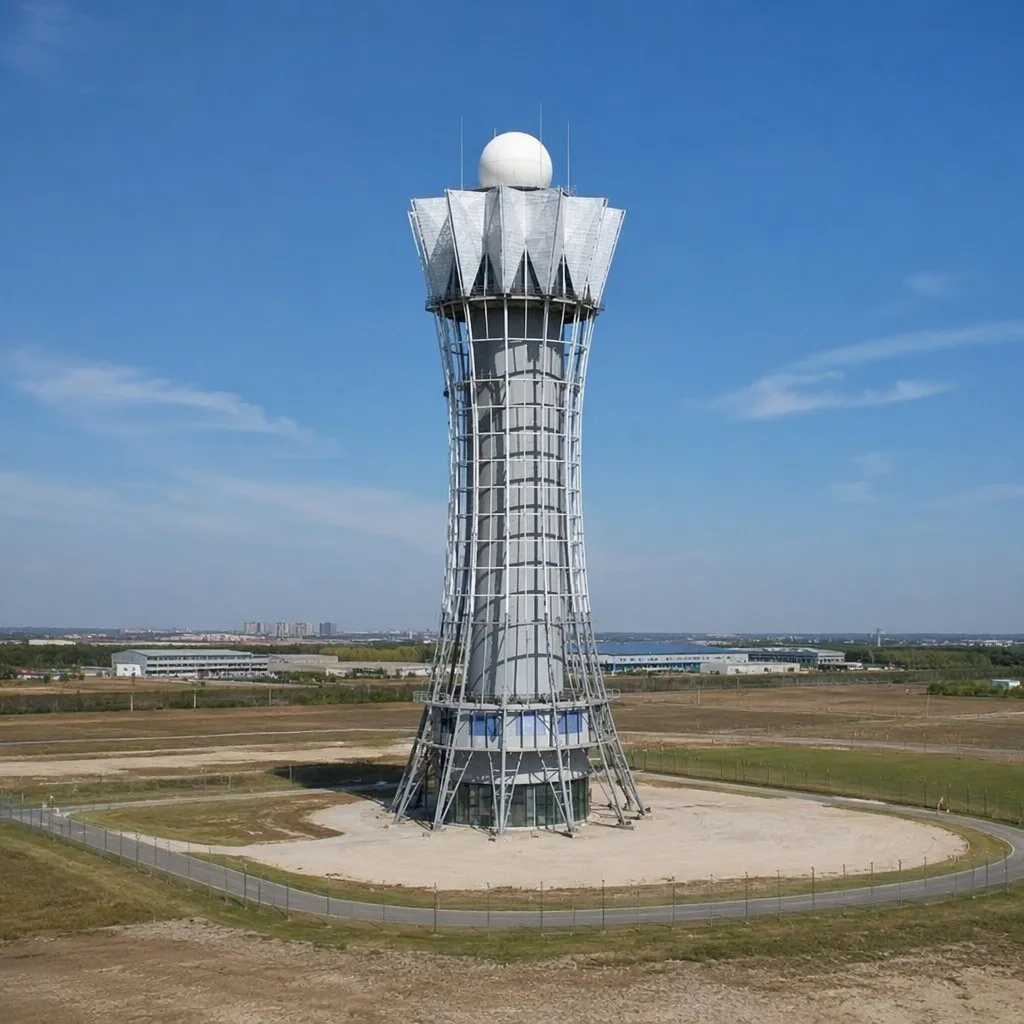
Outdoor installation context with distant site infrastructure.
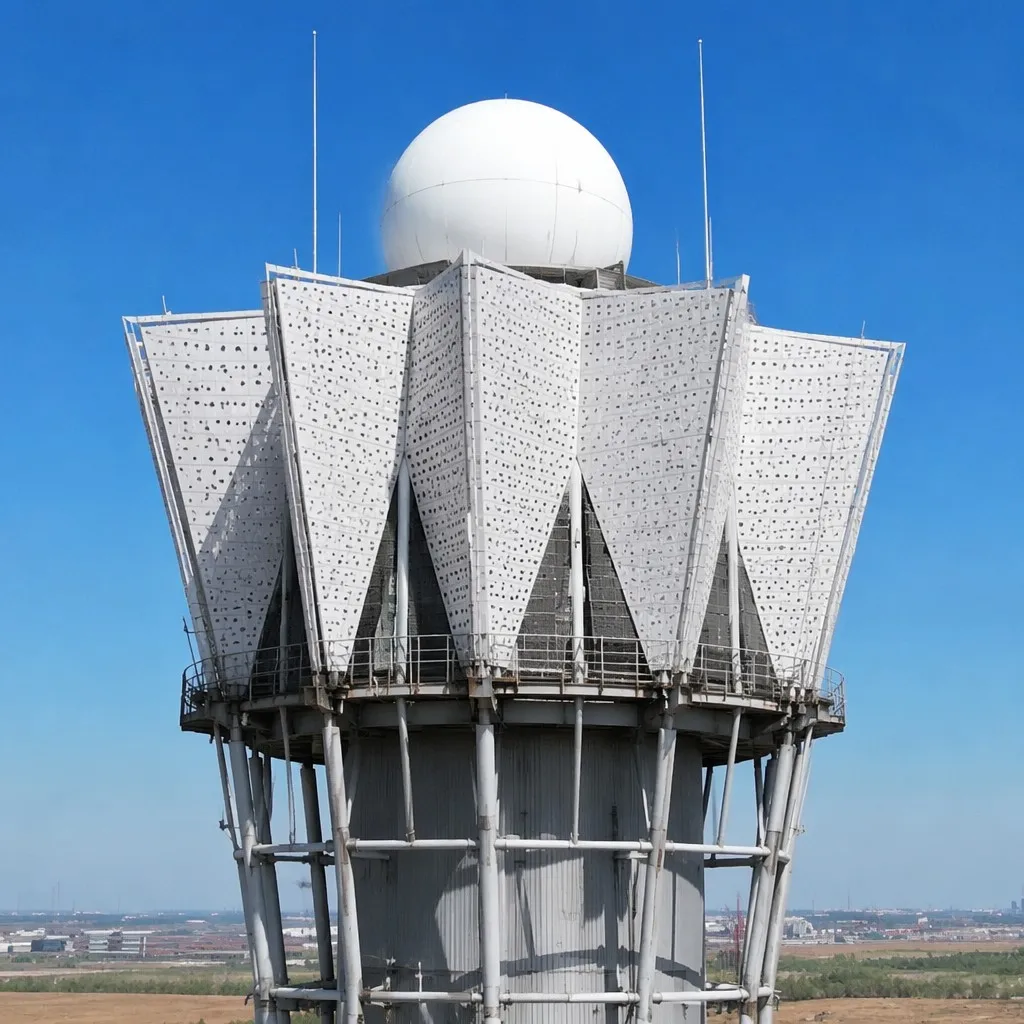
Upper radome, shielding panels and support structure.
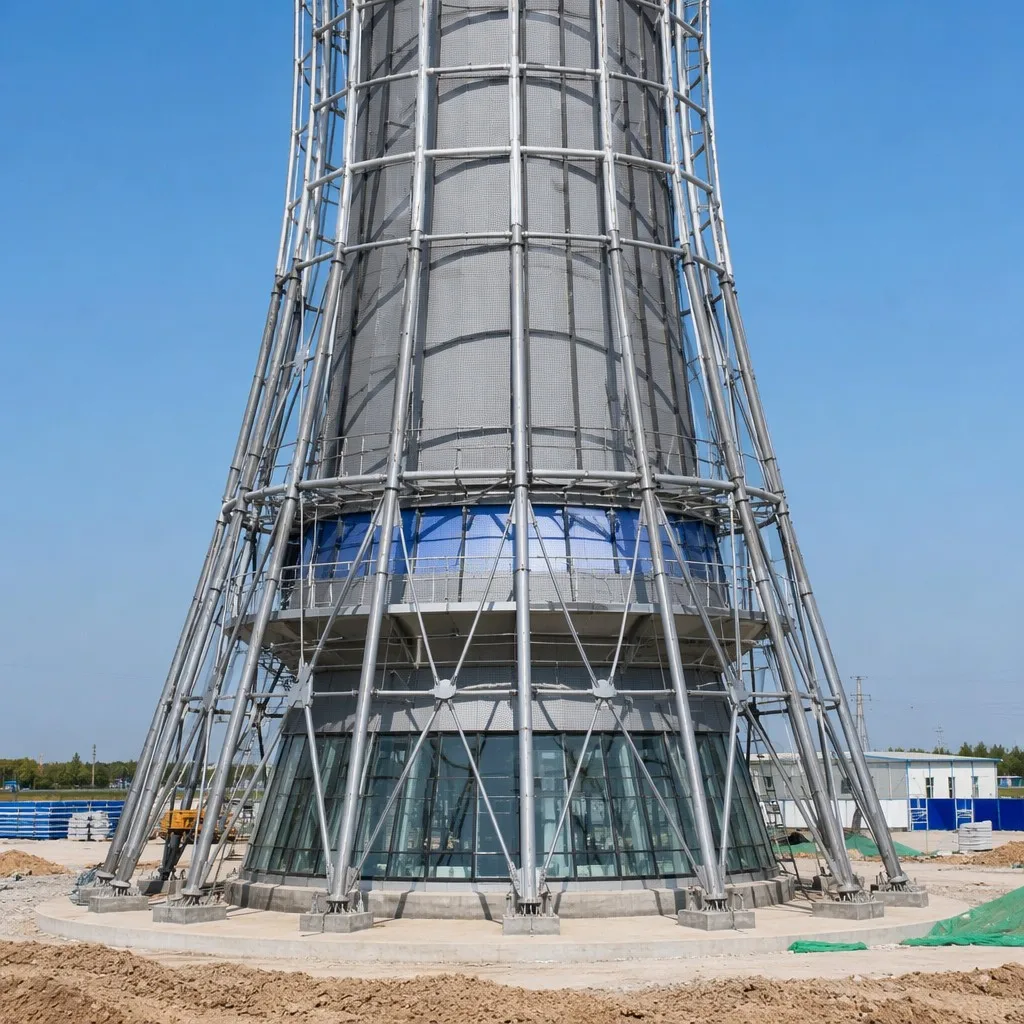
External framework and tapered tower-body detail.
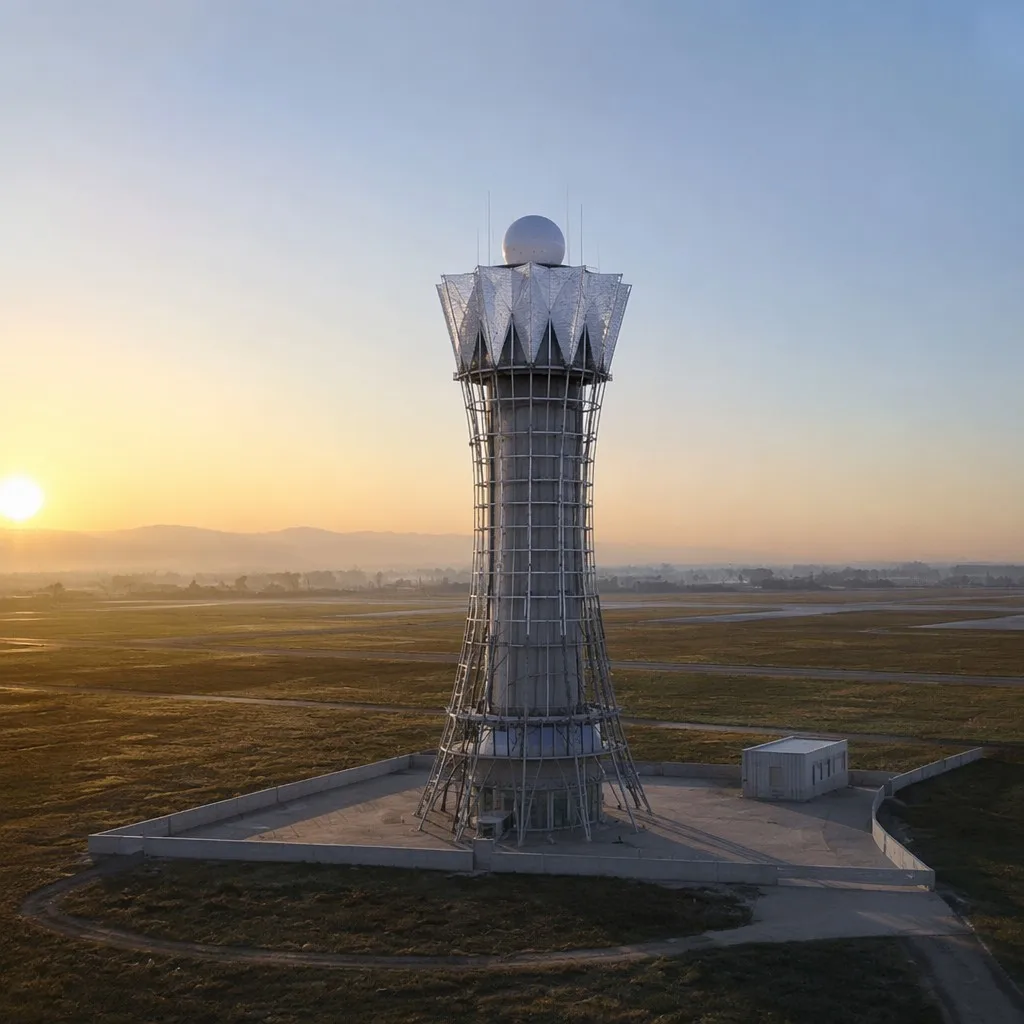
Radar monitoring application scene for a large cylindrical tower.
The best choice depends on the radar equipment, site layout, required access, environmental conditions and project engineering requirements. A supplier should review the application before confirming the final tower configuration.
A lattice platform tower may be a practical starting point when the site is open and the project team wants a clearly visible tower frame, platform and radome arrangement. The final foundation and structural design still need to reflect local ground and environmental conditions.
A cylindrical or composite tower may be considered when the tower body, external frame and radome are intended to form a more integrated visual installation. This approach should be reviewed together with construction access, lifting, maintenance and the wider site plan.
Both tower types should be assessed for safe inspection routes, platform access, service areas and equipment replacement procedures. The supplier should receive enough information about the equipment and maintenance workflow to avoid designing an inaccessible upper structure.
If the radar system may be upgraded or expanded, discuss the possible equipment envelope, access needs, cable routing and platform arrangement at the quotation stage. Do not assume future capacity without project-specific engineering confirmation.
JUNHAO can help you compare tower structures, organize reference images and prepare a project-specific technical discussion. Send your application, site information and preferred tower type to begin the review.
Call to action: Request a project review
Visual references: Product and generated listing images supplied for this article. Product-specific dimensions, load requirements, foundation details, certifications and performance values should be confirmed in the final engineering documentation.
 Hot News
2026-08-25
2026-07-27
2026-07-21
2026-07-14
2026-07-08
2025-10-27

With 45 years of industry-leading expertise, Hebei Junhao.Communication Technology Co., Ltd specializes in manufacturing high-quality communication and power towers. Our state-of-the-art 60.000 square meter facility boasts an annual production capacity of 150.000 metric tons, ensuring reliability and scalability for projects of any size, we have established long-standing partnerships with leading
Guangchuan Town, Jing County, Hengshui City, Hebei Province, China
Copyright © 2026 Hebei Junhao Communication Technology Service Co., Ltd. All rights reserved Privacy Policy
 EN
EN