 EN
EN


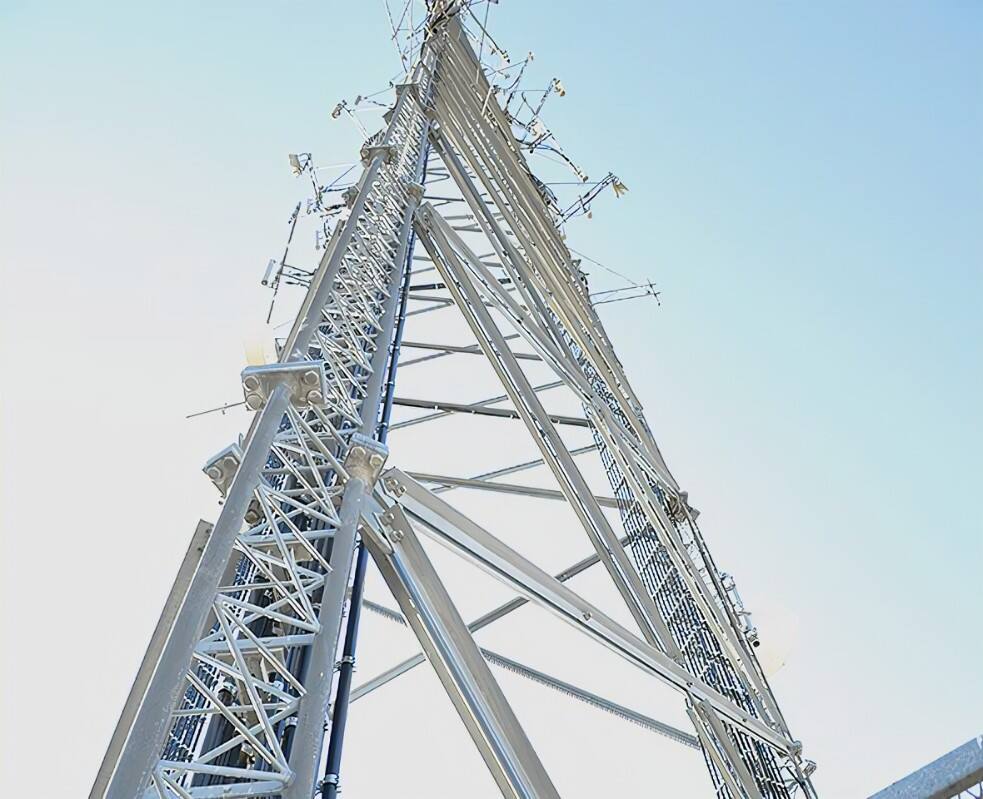
The structural integrity and operational lifespan of transmission towers fundamentally depend on the steel grade selection, making this choice one of the most critical decisions in power infrastructure development. Engineers and project managers must understand how different steel grades directly influence corrosion resistance, mechanical properties, and long-term durability to ensure reliable electricity transmission for decades.
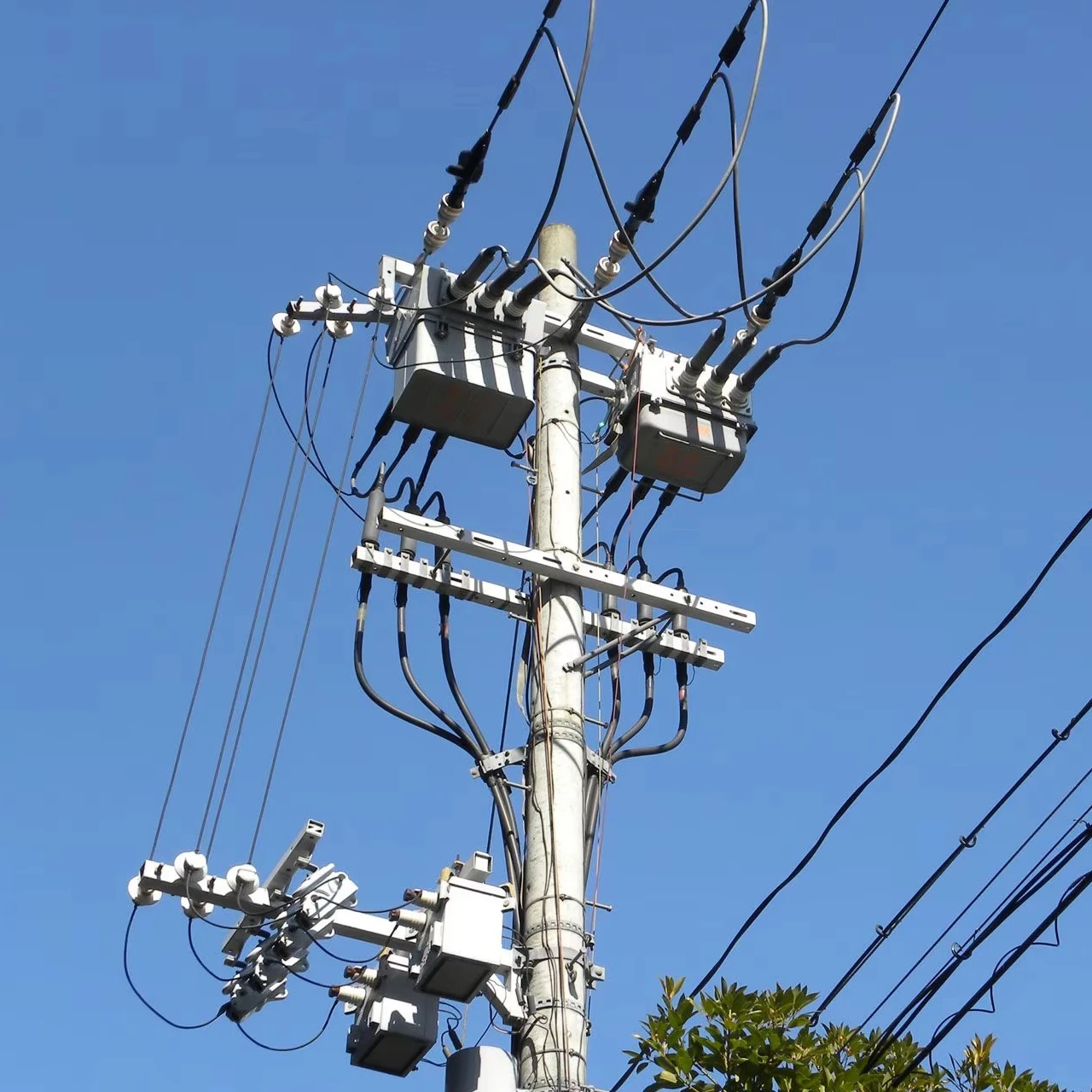
When evaluating how steel grade transmission tower selections affect longevity, multiple metallurgical and environmental factors come into play that determine whether a tower will serve reliably for 30 years or require premature replacement. The carbon content, alloying elements, and manufacturing processes inherent in different steel grades create vastly different performance profiles under real-world operating conditions including wind loading, temperature cycling, and atmospheric exposure.
Metallurgical Foundation of Steel Grade Performance
Carbon Content and Structural Strength
The carbon percentage in steel grade transmission tower materials directly determines the base mechanical properties that influence structural longevity. Low-carbon steels containing 0.15% to 0.30% carbon provide excellent weldability and ductility, making them suitable for transmission towers requiring complex joint configurations and seismic flexibility. These grades typically exhibit yield strengths between 250-350 MPa, sufficient for most standard transmission applications while maintaining good fatigue resistance under cyclic loading conditions.
Medium-carbon steel grades with 0.30% to 0.60% carbon content offer higher strength capabilities reaching 400-600 MPa yield strength, but require more careful welding procedures and heat treatment to prevent brittleness. The increased carbon content enhances the steel's ability to withstand higher mechanical stresses but may reduce impact toughness in cold weather applications, particularly important for transmission towers in northern climates.
High-carbon steel grades exceeding 0.60% carbon are rarely used in transmission tower construction due to welding difficulties and reduced ductility, though they may appear in specialized components like guy wire anchors where maximum tensile strength is prioritized over other properties.
Alloying Elements and Durability Enhancement
Modern steel grade transmission tower specifications incorporate various alloying elements that significantly impact long-term performance. Manganese additions of 1.0% to 2.0% improve strength and hardenability while enhancing deoxidation during steel production, resulting in cleaner steel with fewer inclusions that could initiate fatigue cracks over the tower's operational lifetime.
Silicon content between 0.15% to 0.35% serves as a deoxidizer and strengthening agent, while also improving the steel's resistance to oxidation at elevated temperatures. This characteristic becomes particularly valuable in transmission towers located in hot climates or areas with high solar radiation exposure where thermal cycling can accelerate degradation processes.
Chromium additions, even in small quantities of 0.5% to 2.0%, dramatically improve corrosion resistance by forming protective oxide layers on the steel surface. The steel grade transmission tower applications utilizing chromium-enhanced steels often demonstrate service lives exceeding 50 years in moderate environmental conditions.
Corrosion Resistance and Environmental Protection
Atmospheric Corrosion Mechanisms
The choice of steel grade transmission tower material directly influences how the structure responds to atmospheric corrosion, which represents the primary degradation mechanism affecting tower longevity. Standard carbon steel grades form iron oxide layers that provide minimal protection and continue to grow throughout the tower's service life, eventually leading to significant section loss and structural weakening.
Weather-resistant steel grades, also known as weathering steels, develop stable, adherent oxide layers that effectively protect the underlying metal from further corrosion. These steel grades typically contain copper, chromium, nickel, and phosphorus in carefully balanced proportions that promote the formation of protective patina layers under natural weathering conditions.
The corrosion rate differential between standard carbon steel and weathering steel grades can exceed 300% in marine or industrial environments, translating directly into transmission tower longevity differences of 15-20 years under identical service conditions. This performance advantage makes weathering steel grades particularly valuable for transmission towers in coastal areas or industrial zones where atmospheric corrosion rates are accelerated.
Galvanic Compatibility and Multi-Metal Systems
Steel grade transmission tower designs often incorporate multiple metal components including aluminum conductors, galvanized hardware, and stainless steel fasteners, creating potential galvanic corrosion concerns that affect long-term durability. The electrochemical potential differences between various steel grades and other metals can accelerate localized corrosion at connection points and interfaces.
Proper steel grade selection considers the galvanic series positioning to minimize potential differences with other system components. Steel grades with controlled copper content can reduce galvanic driving forces when coupled with aluminum conductor systems, while maintaining adequate strength and corrosion resistance for the structural application.
Advanced steel grade transmission tower specifications may include specific alloying modifications to optimize galvanic compatibility, such as controlled nickel additions that shift the corrosion potential closer to aluminum components, reducing the driving force for galvanic corrosion at critical connection points.
Mechanical Properties and Load Response
Fatigue Resistance Under Dynamic Loading
Transmission towers experience continuous dynamic loading from wind-induced vibrations, conductor galloping, and thermal expansion cycles, making fatigue resistance a critical factor in steel grade transmission tower longevity. Different steel grades exhibit vastly different fatigue performance characteristics based on their microstructural features and inclusion content.
Fine-grained steel grades produced through controlled rolling or normalizing heat treatment demonstrate superior fatigue performance compared to coarse-grained alternatives. The refined grain structure provides more uniform stress distribution and reduces stress concentration effects that can initiate fatigue cracks at relatively low stress levels.
Modern steel grade transmission tower specifications often require Charpy V-notch impact testing at service temperature to verify adequate toughness for fatigue resistance. Steel grades meeting minimum energy absorption requirements of 27 joules at -20°C typically provide sufficient fatigue resistance for 50-year design lives under normal wind loading conditions.
Temperature Performance and Thermal Cycling
The thermal cycling experienced by transmission towers throughout daily and seasonal temperature variations creates additional stresses that interact with the base mechanical properties of the selected steel grade. Low-temperature toughness becomes particularly critical for steel grade transmission tower applications in cold climates where brittle fracture risks increase significantly.
Steel grades with controlled sulfur content below 0.025% and appropriate deoxidation practices demonstrate improved low-temperature toughness and reduced susceptibility to brittle fracture during extreme cold weather events. The ductile-to-brittle transition temperature of the steel grade must remain well below the minimum service temperature to ensure safe operation throughout the tower's design life.
High-temperature performance becomes relevant in desert environments or areas with extreme solar heating where steel temperatures can exceed 60°C during summer conditions. Steel grade transmission tower materials must maintain adequate yield strength and creep resistance at elevated temperatures to prevent permanent deformation over extended exposure periods.
Manufacturing Process Integration and Quality Control
Welding Compatibility and Joint Integrity
The steel grade selection for transmission towers must consider manufacturing requirements, particularly welding procedures that create the majority of structural connections. Different steel grades require specific welding parameters, preheat temperatures, and post-weld heat treatment procedures that directly affect joint quality and long-term performance.
Low-alloy steel grade transmission tower materials with carbon equivalent values below 0.45% typically provide excellent weldability using conventional arc welding processes without requiring extensive preheat or complex welding procedures. This compatibility reduces manufacturing costs while ensuring consistent joint quality that maintains structural integrity throughout the tower's service life.
Higher-strength steel grades may require controlled welding procedures including preheat temperatures of 100-200°C and specific consumable selections to prevent hydrogen-induced cracking and maintain joint toughness. The additional manufacturing complexity must be weighed against the potential longevity benefits when selecting optimal steel grades for specific applications.
Quality Assurance and Material Traceability
Modern steel grade transmission tower procurement specifications require comprehensive material certification including chemical composition verification, mechanical property testing, and manufacturing process documentation. The quality level of the steel grade directly correlates with consistency in long-term performance and reduced variability in service life expectations.
Premium steel grade transmission tower materials undergo additional quality control measures including ultrasonic testing for internal soundness, surface inspection for manufacturing defects, and statistical process control during production. These quality enhancements typically add 10-15% to material costs but can extend service life by 20-30% through improved reliability and reduced premature failure risks.
Traceability systems linking specific steel grades to individual transmission towers enable proactive maintenance scheduling and performance monitoring throughout the structure's operational life. This data collection supports evidence-based decisions regarding inspection intervals and replacement timing based on actual performance rather than conservative estimates.
Economic Impact of Steel Grade Selection
Life Cycle Cost Analysis
The economic impact of steel grade transmission tower selection extends far beyond initial material costs to encompass maintenance requirements, inspection frequency, and replacement timing over the structure's operational lifetime. Premium steel grades with enhanced corrosion resistance and fatigue performance typically justify their higher initial cost through reduced life cycle expenses.
Standard carbon steel grades may cost 15-20% less initially but require more frequent maintenance including painting, bolt replacement, and structural repairs that can accumulate to exceed the premium steel grade cost differential within 10-15 years of service. The maintenance access costs for transmission towers in remote locations further amplify these economic differences.
Weather-resistant steel grade transmission tower applications eliminate periodic painting requirements, providing substantial cost savings in labor, equipment, and service interruption expenses. The cumulative maintenance cost avoidance over a 40-year service life can exceed 200% of the initial steel grade premium in challenging environmental conditions.
Risk Management and System Reliability
Steel grade transmission tower selection directly influences system reliability and outage risk exposure, creating significant economic implications for utility operators and industrial facilities. Premature structural failures resulting from inadequate steel grade selection can result in extended outages, emergency replacement costs, and liability exposure.
Higher-performance steel grades provide increased safety margins against unexpected loading conditions, environmental exposures, or maintenance deferrals that might compromise standard materials. This enhanced reliability translates into reduced insurance costs, improved regulatory compliance, and decreased business interruption risks.
The economic value of extended service life achieved through optimal steel grade transmission tower selection becomes particularly significant for critical infrastructure applications where replacement involves complex permitting, environmental assessments, and system redesign requirements that can extend project timelines by several years.
FAQ
What is the typical service life difference between standard carbon steel and weathering steel grades for transmission towers?
Weathering steel grades typically extend transmission tower service life by 15-25 years compared to standard carbon steel, with weathering steel achieving 50-60 year service lives versus 30-40 years for carbon steel in similar environmental conditions. The exact differential depends on atmospheric conditions, with larger advantages in coastal or industrial environments.
How does steel grade selection affect maintenance requirements for transmission towers?
Premium steel grade transmission tower materials with enhanced corrosion resistance can eliminate painting cycles required every 10-15 years for standard carbon steel, while also reducing bolt replacement frequency and structural repair needs. Weather-resistant steel grades particularly reduce maintenance requirements by 60-80% over the tower's operational life.
Can existing transmission towers be upgraded with different steel grade components during major maintenance?
Selective component replacement using higher-performance steel grades is possible during major maintenance, though structural analysis is required to ensure compatibility with existing members. Critical connection points and high-stress components benefit most from steel grade upgrades, while complete tower replacement may be more cost-effective for comprehensive improvements.
What environmental factors most strongly influence the optimal steel grade selection for transmission towers?
Marine salt exposure, industrial atmospheric contamination, and extreme temperature cycling represent the most significant environmental factors affecting steel grade transmission tower selection. These conditions can accelerate corrosion rates by 300-500% compared to rural environments, making weathering steel or specialized alloy grades essential for adequate service life.
Table of Contents
- Metallurgical Foundation of Steel Grade Performance
- Corrosion Resistance and Environmental Protection
- Mechanical Properties and Load Response
- Manufacturing Process Integration and Quality Control
- Economic Impact of Steel Grade Selection
-
FAQ
- What is the typical service life difference between standard carbon steel and weathering steel grades for transmission towers?
- How does steel grade selection affect maintenance requirements for transmission towers?
- Can existing transmission towers be upgraded with different steel grade components during major maintenance?
- What environmental factors most strongly influence the optimal steel grade selection for transmission towers?