 EN
EN


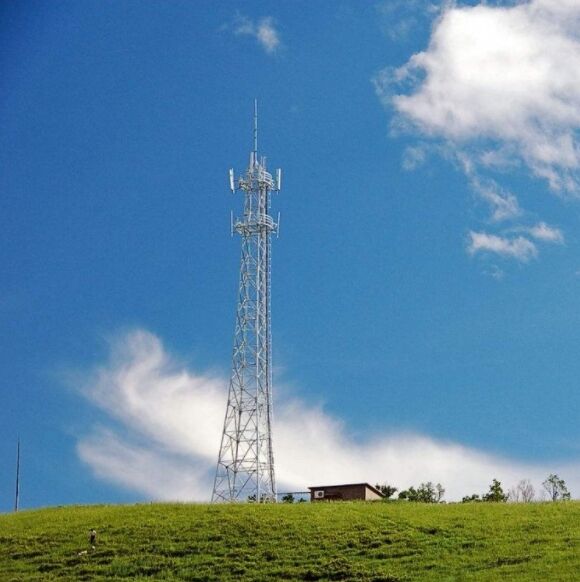
Maintaining optimal performance of a radio mast requires implementing structured maintenance schedules that address both routine inspections and preventive care protocols. A well-maintained radio mast ensures consistent signal transmission, extends equipment lifespan, and prevents costly downtime that can disrupt communication networks. Understanding the recommended maintenance intervals and procedures is essential for telecommunications operators, broadcast stations, and organizations relying on reliable radio communications.
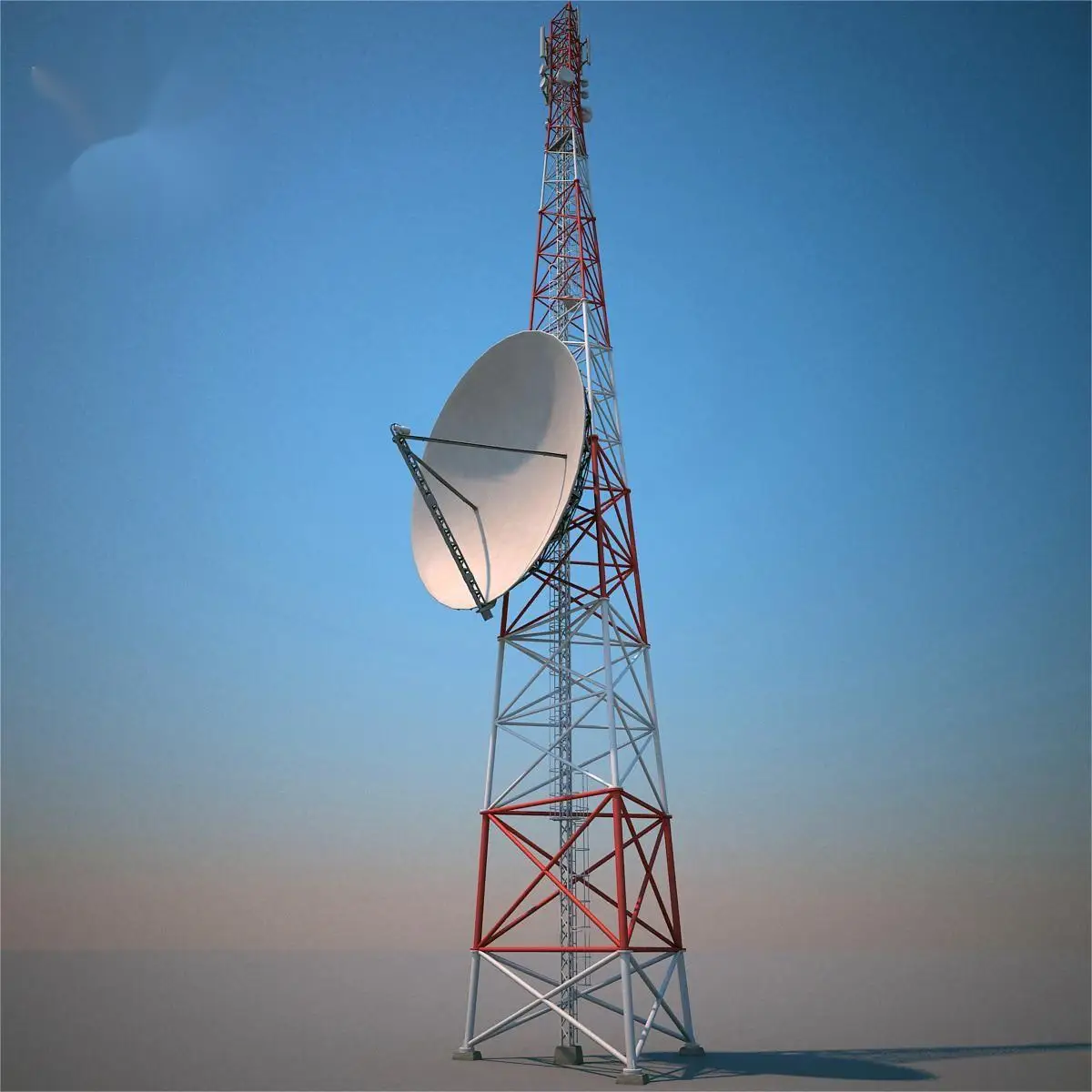
The maintenance schedule for a radio mast depends on various factors including environmental conditions, mast height, structural materials, and operational requirements. Regular maintenance not only preserves signal quality but also ensures compliance with safety regulations and extends the operational life of the entire radio mast system. Establishing appropriate maintenance intervals requires balancing operational demands with practical resource allocation while maintaining safety standards throughout the process.
Visual Inspection Schedules for Radio Mast Components
Monthly Visual Assessment Requirements
Monthly visual inspections form the foundation of effective radio mast maintenance schedules, focusing on identifying obvious signs of wear, damage, or environmental impact. During these inspections, technicians should examine the radio mast structure for visible corrosion, loose connections, damaged guy wires, and any signs of structural stress or deformation. The inspection should cover antenna mounting hardware, coaxial cable connections, and weatherproofing materials that protect critical components from environmental exposure.
Ground-level observations should include checking the radio mast foundation for cracks, settling, or erosion that might compromise structural integrity. Tower lighting systems require monthly verification to ensure proper operation and compliance with aviation safety requirements. Documentation of these monthly inspections creates a historical record that helps identify trends and potential issues before they become critical problems affecting radio mast performance.
Quarterly Detailed Component Examination
Quarterly inspections involve more comprehensive examination of radio mast components, including climbing inspections when safely accessible. These detailed assessments should evaluate structural connections, bolt torque specifications, and the condition of galvanized coatings that protect steel components from corrosion. Antenna systems mounted on the radio mast require careful inspection for proper alignment, secure mounting, and cable integrity throughout the entire signal path.
Guy wire tension should be measured and adjusted according to manufacturer specifications during quarterly maintenance visits. Ice shields, if installed, need inspection for damage or displacement that could affect radio mast aerodynamics during severe weather events. The grounding system requires verification of electrical continuity and resistance measurements to ensure proper lightning protection and electrical safety for the entire radio mast installation.
Structural Maintenance Intervals and Procedures
Annual Comprehensive Structural Assessment
Annual structural assessments represent the most thorough evaluation of radio mast integrity, typically requiring professional engineering inspection and detailed documentation. These comprehensive evaluations should include stress analysis, fatigue assessment, and verification that the radio mast continues to meet original design specifications and current loading requirements. Structural engineers should evaluate any modifications or additional equipment installations that may have altered the original load calculations.
Foundation inspection during annual assessments should include excavation around anchor bolts to check for corrosion, proper embedment depth, and concrete integrity. The radio mast structure itself requires detailed examination of welded joints, bolted connections, and any signs of metal fatigue or stress concentration points. These annual evaluations often identify maintenance requirements that can be scheduled during planned outages to minimize operational disruption.
Five-Year Major Overhaul Planning
Five-year maintenance cycles typically involve major overhaul activities that address long-term wear and environmental degradation of radio mast components. These extensive maintenance periods often include complete repainting or recoating of structural elements, replacement of weathered hardware, and upgrading of outdated components to current standards. Planning these major maintenance activities requires coordination with operational requirements and may involve temporary service arrangements during extended downtime periods.
Guy wire replacement often follows five-year intervals, depending on environmental exposure and material specifications. The radio mast grounding system may require enhancement or replacement based on soil conditions and corrosion rates observed during regular inspections. Documentation from previous maintenance cycles guides decision-making for major component replacement and helps establish realistic budgets for ongoing radio mast preservation programs.
Environmental Factor Considerations in Maintenance Scheduling
Climate-Specific Maintenance Adjustments
Environmental conditions significantly influence maintenance schedules for radio mast installations, with coastal locations requiring more frequent corrosion inspections and inland desert installations facing different challenges from sand abrasion and temperature extremes. High-altitude radio mast installations experience increased UV exposure and thermal cycling that accelerates material degradation, necessitating adjusted maintenance intervals for protective coatings and exposed components.
Regions with severe weather patterns, including high winds, ice storms, or frequent lightning activity, require enhanced maintenance protocols that address weather-related stress and damage. The radio mast maintenance schedule should account for seasonal accessibility issues in areas with harsh winters or monsoon seasons that may limit safe inspection and maintenance activities during certain periods of the year.
Pollution and Industrial Environment Impact
Industrial environments and areas with high air pollution levels accelerate corrosion and degradation of radio mast components, requiring more frequent cleaning and protective coating renewal. Chemical exposure from industrial processes can affect galvanized coatings and require specialized cleaning procedures to maintain proper protection of structural steel elements. Urban radio mast installations face unique challenges from vehicle emissions, construction dust, and other environmental contaminants that can affect both structural and electronic components.
Salt air environments demand intensive corrosion prevention measures and may require monthly washing of exposed surfaces to remove salt deposits that accelerate metal degradation. The radio mast maintenance schedule in these environments should include frequent inspection of hardware and connections that are particularly susceptible to accelerated corrosion in harsh atmospheric conditions.
Electronic System Maintenance Integration
Antenna System Performance Monitoring
Electronic system maintenance schedules must coordinate with structural maintenance to ensure comprehensive radio mast performance preservation without unnecessary service interruptions. Antenna system testing should coincide with structural inspections when possible, allowing technicians to verify both mechanical integrity and electrical performance during single maintenance visits. Regular VSWR measurements, impedance testing, and signal strength verification help identify degradation in antenna system performance that may indicate structural or connection issues.
Coaxial cable systems require periodic testing for moisture intrusion, connector corrosion, and impedance variations that can significantly impact radio mast transmission performance. Lightning protection systems need regular verification of grounding resistance and surge suppressor functionality to ensure adequate protection for both the radio mast structure and connected electronic equipment.
Power System and Lighting Maintenance
Power distribution systems serving radio mast installations require maintenance schedules that address both safety and operational reliability concerns. Obstruction lighting systems mandated for aviation safety need regular bulb replacement, photocell testing, and backup power system verification to ensure continuous operation. The radio mast electrical system should undergo annual electrical safety testing, including ground fault protection verification and electrical load analysis.
Backup power systems, including generators and battery banks, require maintenance schedules that ensure reliable operation during primary power outages. These systems need regular exercise testing, fuel system maintenance, and battery capacity verification to guarantee radio mast operational continuity during emergency conditions or planned power outages.
Documentation and Compliance Requirements
Maintenance Record Management
Proper documentation of radio mast maintenance activities creates essential records for regulatory compliance, warranty protection, and long-term asset management. Detailed maintenance logs should record inspection findings, corrective actions taken, parts replaced, and any deviations from normal operating parameters. These records help establish maintenance trends, predict future requirements, and demonstrate due diligence in radio mast care and safety management.
Digital maintenance management systems can automate scheduling reminders, track component lifecycles, and generate reports for regulatory authorities or insurance providers. The radio mast maintenance documentation should include photographic records of significant findings, test results, and certifications from qualified inspection personnel to support comprehensive asset management programs.
Regulatory Compliance Scheduling
Regulatory requirements for radio mast maintenance vary by jurisdiction but typically include mandatory inspection intervals, qualified inspector certifications, and specific documentation requirements. Aviation authorities often mandate lighting system inspections and structural assessments for radio mast installations that exceed certain height thresholds or operate in controlled airspace. Environmental regulations may require periodic assessment of radio frequency exposure levels and compliance with electromagnetic field safety standards.
Local building codes and engineering standards frequently specify inspection intervals and qualification requirements for personnel conducting radio mast maintenance activities. Compliance with these regulatory frameworks requires careful coordination of maintenance schedules with available qualified personnel and may influence the timing of major maintenance activities to ensure continuous regulatory compliance throughout the radio mast operational lifecycle.
FAQ
How often should a radio mast undergo professional structural inspection?
Professional structural inspection of a radio mast should occur annually at minimum, with more frequent inspections required in harsh environmental conditions or following severe weather events. These comprehensive assessments should be conducted by qualified structural engineers who can evaluate load-bearing capacity, material condition, and compliance with current engineering standards. The inspection frequency may need adjustment based on mast age, environmental exposure, and operational requirements.
What maintenance activities can be performed without interrupting radio mast operation?
Many radio mast maintenance activities can be performed without service interruption, including ground-level visual inspections, foundation assessments, guy wire tension checks, and lighting system maintenance. Non-invasive testing procedures such as ground resistance measurements and external antenna examinations typically do not require shutting down radio operations. However, any maintenance involving antenna adjustments, coaxial cable work, or power system modifications will likely require coordinated service interruptions.
How do environmental conditions affect radio mast maintenance scheduling?
Environmental conditions significantly impact maintenance scheduling, with coastal installations requiring more frequent corrosion inspections and desert locations needing enhanced protection from sand abrasion and thermal stress. High-pollution areas may necessitate monthly cleaning schedules, while regions with severe weather patterns require post-storm inspections and enhanced structural assessments. Maintenance schedules should be adjusted based on local climate patterns, seasonal accessibility, and specific environmental challenges affecting the radio mast installation.
What documentation is required for proper radio mast maintenance compliance?
Proper radio mast maintenance compliance requires comprehensive documentation including inspection reports, maintenance logs, test results, and certifications from qualified personnel. Records should include photographic evidence of significant findings, parts replacement schedules, and verification of regulatory compliance with aviation safety and structural engineering requirements. Digital maintenance management systems help organize these records and ensure timely completion of scheduled maintenance activities while maintaining audit trails for regulatory authorities.
Table of Contents
- Visual Inspection Schedules for Radio Mast Components
- Structural Maintenance Intervals and Procedures
- Environmental Factor Considerations in Maintenance Scheduling
- Electronic System Maintenance Integration
- Documentation and Compliance Requirements
-
FAQ
- How often should a radio mast undergo professional structural inspection?
- What maintenance activities can be performed without interrupting radio mast operation?
- How do environmental conditions affect radio mast maintenance scheduling?
- What documentation is required for proper radio mast maintenance compliance?