 EN
EN


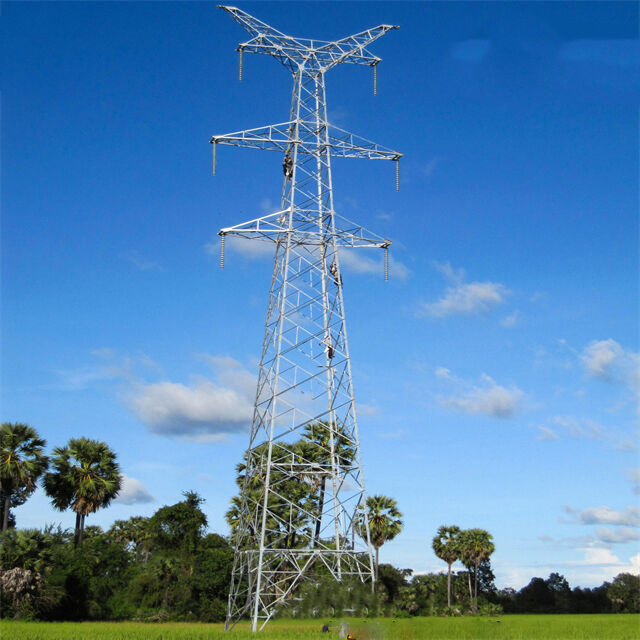
Supplier partnership longevity serves as a critical predictor of radio mast project success because it reflects proven reliability, accumulated expertise, and established quality standards that directly impact project outcomes. When telecommunications companies work with suppliers who have demonstrated consistent performance across multiple radio mast installations over extended periods, they benefit from reduced risk, streamlined processes, and superior technical support that transforms complex infrastructure deployments into predictable success stories.
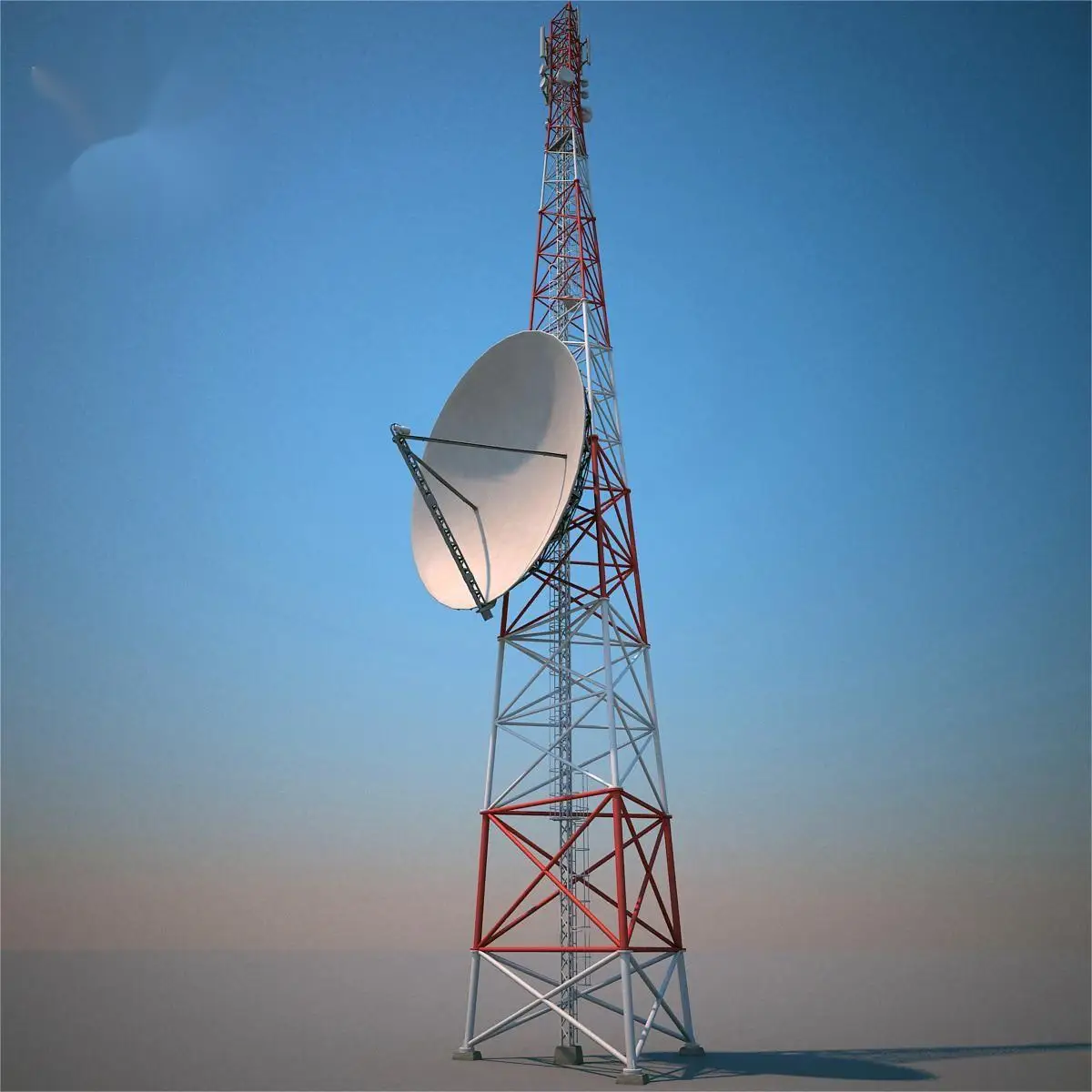
The telecommunications infrastructure sector demands suppliers who understand the intricate requirements of radio mast projects, from foundation engineering to antenna optimization, and long-term partnerships enable this deep understanding to flourish. Extended supplier relationships create a foundation of trust and technical competence that becomes invaluable when managing the complex logistics, regulatory compliance, and performance standards that define successful radio mast implementations across diverse geographical and operational environments.
Technical Expertise Accumulation Through Extended Partnerships
Site-Specific Knowledge Development
Long-term supplier partnerships enable the accumulation of detailed site-specific knowledge that proves invaluable for radio mast project success. Suppliers working with the same telecommunications operator over multiple projects develop intimate understanding of specific geographical challenges, soil conditions, regulatory environments, and operational preferences that significantly enhance project planning accuracy. This accumulated knowledge translates into more precise engineering solutions, reduced site assessment time, and fewer unexpected complications during radio mast installation phases.
Extended partnerships allow suppliers to build comprehensive databases of successful radio mast configurations for different terrain types, climate conditions, and coverage requirements. This historical data enables more accurate project scoping, better material selection, and optimized installation methodologies that directly contribute to project success rates. Suppliers gain deep insights into local construction practices, permitting processes, and environmental considerations that streamline future radio mast deployments.
Engineering Solution Refinement
Sustained supplier relationships foster continuous improvement in engineering solutions specifically tailored to client requirements and operational contexts. Over time, suppliers develop standardized approaches to common radio mast challenges while maintaining flexibility to address unique project specifications. This balance between standardization and customization reduces engineering time, minimizes design errors, and ensures consistent quality across multiple installations.
The iterative nature of long-term partnerships enables suppliers to refine their radio mast designs based on real-world performance feedback and operational experience. This continuous refinement process leads to more robust structural designs, improved material specifications, and enhanced installation procedures that contribute significantly to overall project success and long-term infrastructure reliability.
Risk Mitigation Through Proven Performance Track Records
Quality Consistency Validation
Supplier partnership longevity provides tangible evidence of quality consistency that serves as a powerful risk mitigation tool for radio mast projects. Extended working relationships create extensive performance histories that demonstrate a supplier's ability to deliver consistent quality across varying project conditions, timelines, and technical requirements. This proven track record reduces the uncertainty inherent in infrastructure projects and provides project managers with confidence in outcome predictability.
Long-term partnerships enable comprehensive evaluation of supplier performance across multiple radio mast installations, revealing patterns of reliability, quality control effectiveness, and problem-solving capabilities. This historical performance data becomes invaluable for risk assessment, project planning, and stakeholder confidence building. Telecommunications companies can reference specific examples of successful installations, documented performance metrics, and resolved challenges to support project approval processes and investment decisions.
Financial Stability Demonstration
Extended supplier partnerships inherently demonstrate financial stability and business continuity that directly impact radio mast project success probability. Suppliers maintaining long-term relationships with major telecommunications operators must possess robust financial foundations, effective business management, and sustainable operational models. This financial stability translates into reliable project execution, consistent material supply, and continued technical support throughout project lifecycles.
The financial predictability associated with established supplier relationships reduces project risk by ensuring continuity of service, warranty support, and ongoing maintenance capabilities. Radio mast projects require suppliers capable of supporting infrastructure over decades, making financial stability a critical success factor. Long-term partnerships provide evidence of supplier resilience and commitment that supports confident project investment decisions.
Operational Efficiency Gains From Established Processes
Streamlined Communication Protocols
Established supplier partnerships develop sophisticated communication protocols that significantly enhance radio mast project efficiency and success probability. Over time, teams learn each other's working styles, reporting preferences, escalation procedures, and decision-making processes, creating seamless information flow that reduces miscommunication risks and accelerates project timelines. These refined communication patterns become especially valuable during complex installation phases when rapid problem resolution is critical.
Long-term relationships enable the development of standardized reporting formats, progress tracking systems, and issue resolution procedures specifically tailored to radio mast project requirements. This operational efficiency translates into faster decision-making, reduced administrative overhead, and more effective resource allocation throughout project lifecycles. Teams familiar with each other's capabilities and limitations can anticipate needs, prepare solutions proactively, and maintain project momentum even when unexpected challenges arise.
Supply Chain Optimization
Extended partnerships facilitate sophisticated supply chain optimization that directly contributes to radio mast project success through improved material availability, quality consistency, and cost predictability. Suppliers working with long-term partners develop deeper understanding of project timing requirements, material specifications, and delivery constraints, enabling more effective inventory management and logistics planning. This optimization reduces material delays, ensures quality consistency, and minimizes project cost variations.
Sustained relationships enable suppliers to negotiate better terms with their own material suppliers, secure priority allocation for critical components, and develop contingency plans for supply disruptions. These supply chain advantages translate directly into more reliable project schedules, consistent material quality, and competitive pricing structures that enhance overall radio mast project value and success probability.
Knowledge Transfer and Continuous Improvement
Technical Innovation Collaboration
Long-term supplier partnerships create environments conducive to collaborative technical innovation that drives continuous improvement in radio mast project outcomes. Extended relationships build trust and communication foundations necessary for open sharing of technical challenges, operational insights, and improvement opportunities. This collaborative approach leads to innovative solutions specifically designed to address real-world operational requirements and performance objectives.
Established partnerships enable joint development of specialized radio mast solutions, customized installation procedures, and optimized maintenance protocols that enhance project success and long-term infrastructure performance. Suppliers gain detailed understanding of operational requirements, performance expectations, and future expansion plans, enabling proactive development of solutions that support both immediate project needs and strategic infrastructure objectives.
Best Practice Development
Sustained supplier relationships facilitate the systematic development and refinement of best practices specifically applicable to radio mast installations and operational requirements. Over multiple projects, successful approaches are identified, documented, and standardized, while unsuccessful methods are eliminated or modified. This continuous improvement process creates increasingly effective project management methodologies, installation procedures, and quality control systems.
The accumulated experience from long-term partnerships enables development of comprehensive best practice libraries covering site preparation, foundation construction, radio mast assembly, antenna installation, and commissioning procedures. These documented practices reduce training requirements, minimize installation errors, and ensure consistent quality across different project teams and installation sites, directly contributing to improved project success rates.
Strategic Alignment and Future Planning
Long-term Infrastructure Planning
Supplier partnership longevity enables strategic alignment between telecommunications operators and suppliers that supports comprehensive long-term infrastructure planning and radio mast network development. Extended relationships create opportunities for joint strategic planning, technology roadmap development, and coordinated investment decisions that optimize infrastructure deployment efficiency and effectiveness. This strategic alignment ensures radio mast projects align with broader network expansion objectives and technological evolution plans.
Long-term partnerships facilitate development of standardized radio mast specifications, installation procedures, and maintenance protocols that support scalable network expansion while maintaining consistency and quality. Suppliers gain deep understanding of network evolution plans, coverage objectives, and technology upgrade requirements, enabling proactive development of solutions that support both current projects and future infrastructure needs.
Technology Evolution Adaptation
Established supplier relationships provide frameworks for collaborative adaptation to evolving telecommunications technologies and changing radio mast requirements. Long-term partners develop mutual understanding of technology trends, performance requirements, and implementation challenges that enable proactive solution development and smooth technology transitions. This collaborative approach ensures radio mast infrastructure remains compatible with advancing technologies while maintaining operational reliability.
Extended partnerships enable suppliers to invest confidently in technology development, staff training, and equipment upgrades necessary to support evolving radio mast requirements. This investment commitment, supported by long-term relationship security, ensures suppliers maintain technical competency and solution capabilities required for successful project delivery as technology requirements evolve.
FAQ
How does supplier partnership longevity directly impact radio mast installation quality?
Supplier partnership longevity directly impacts radio mast installation quality through accumulated expertise, refined procedures, and established quality control systems developed over multiple projects. Long-term suppliers develop deep understanding of specific installation requirements, common challenges, and effective solutions that translate into more precise installation procedures, fewer errors, and superior finished quality. Extended partnerships also enable continuous improvement of installation methodologies based on real-world performance feedback and operational experience.
What specific risks are mitigated when working with long-term radio mast suppliers?
Working with long-term radio mast suppliers mitigates risks including technical specification errors, installation delays, quality inconsistencies, supply chain disruptions, and post-installation support gaps. Established suppliers have proven track records demonstrating their ability to deliver consistent quality, meet project timelines, and provide reliable ongoing support. Long-term relationships also reduce communication risks, eliminate learning curve inefficiencies, and provide access to established problem-solving capabilities developed through extensive project experience.
How do extended supplier partnerships contribute to radio mast project cost effectiveness?
Extended supplier partnerships contribute to radio mast project cost effectiveness through operational efficiencies, reduced risk premiums, optimized supply chains, and elimination of repetitive learning curves. Long-term suppliers can offer more competitive pricing due to predictable business volumes, reduced sales costs, and optimized operational procedures. Additionally, established relationships reduce project management overhead, minimize change orders, and eliminate costs associated with supplier onboarding and capability verification processes.
What role does supplier partnership longevity play in radio mast maintenance and support?
Supplier partnership longevity plays a crucial role in radio mast maintenance and support by ensuring continuity of technical expertise, spare parts availability, and service quality throughout infrastructure lifecycles. Long-term suppliers maintain detailed installation records, understand specific equipment configurations, and provide consistent maintenance approaches that optimize infrastructure performance and longevity. Extended relationships also ensure suppliers remain committed to supporting installed infrastructure even as technologies evolve and business priorities change.
Table of Contents
- Technical Expertise Accumulation Through Extended Partnerships
- Risk Mitigation Through Proven Performance Track Records
- Operational Efficiency Gains From Established Processes
- Knowledge Transfer and Continuous Improvement
- Strategic Alignment and Future Planning
-
FAQ
- How does supplier partnership longevity directly impact radio mast installation quality?
- What specific risks are mitigated when working with long-term radio mast suppliers?
- How do extended supplier partnerships contribute to radio mast project cost effectiveness?
- What role does supplier partnership longevity play in radio mast maintenance and support?