 EN
EN


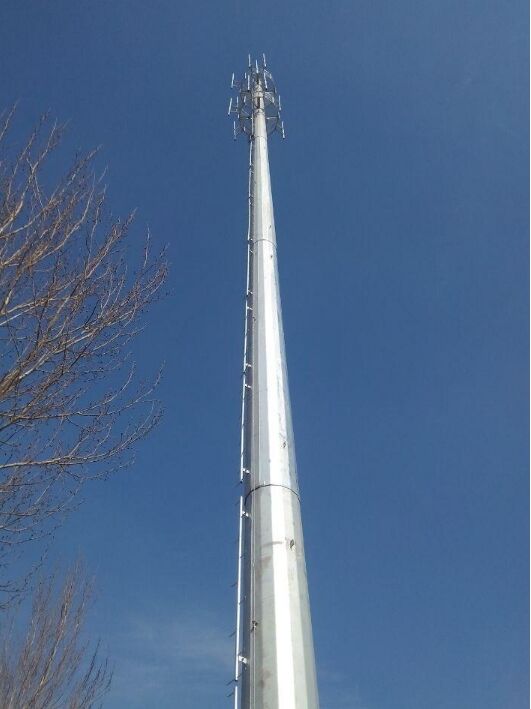
Steel lattice towers face constant exposure to environmental elements that accelerate corrosion, making surface preparation and protective coating processes critical for structural integrity and operational longevity. The strategic selection and implementation of surface preparation methods and coating systems determine whether a lattice tower will provide decades of reliable service or require costly premature replacement due to rust-related structural failures.
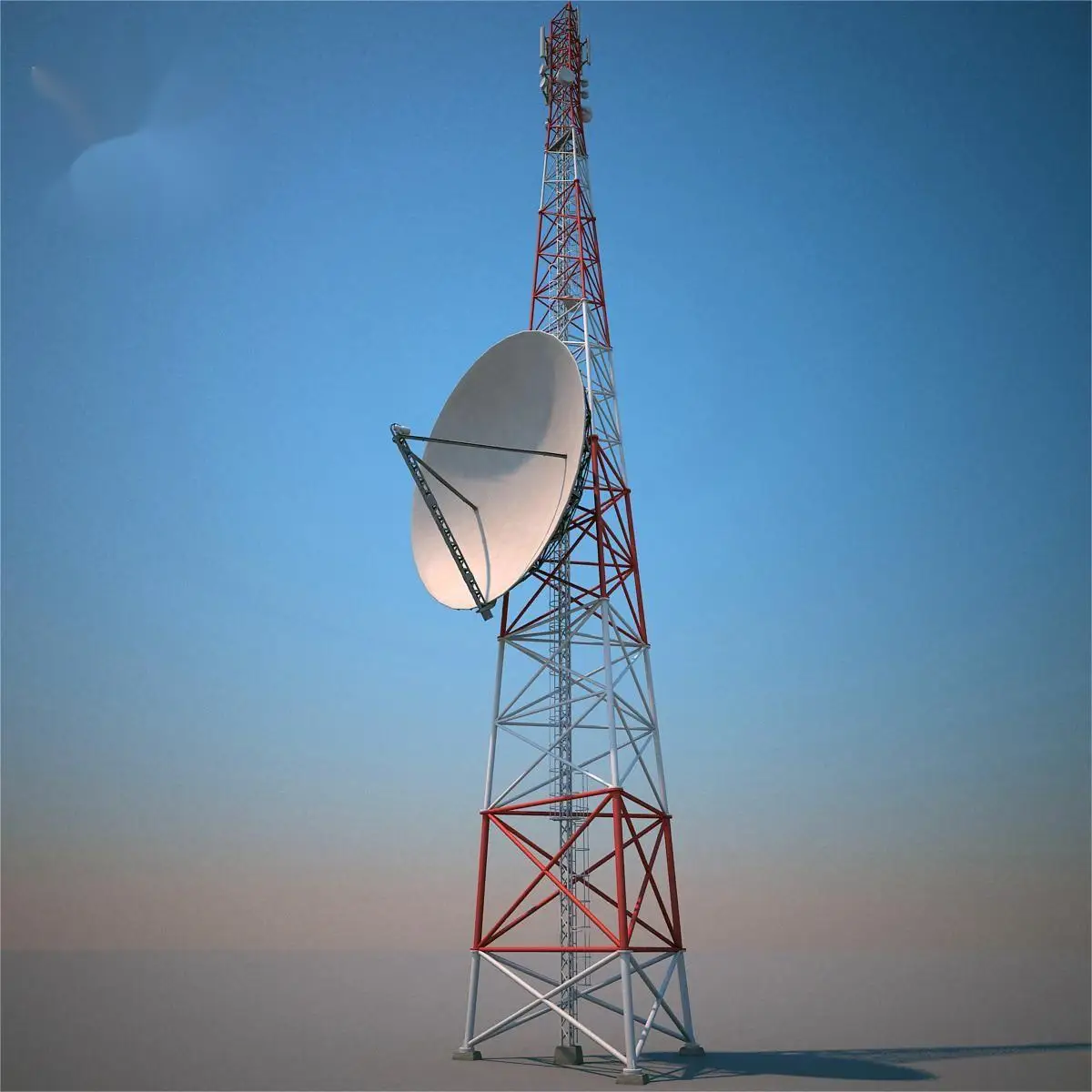
Understanding the optimal combination of surface preparation techniques and coating applications requires comprehensive knowledge of metallurgical principles, environmental factors, and proven field performance data. This systematic approach to corrosion protection ensures that telecommunications infrastructure investments deliver maximum return through extended service life and reduced maintenance requirements.
Surface Preparation Fundamentals for Steel Protection
Mechanical Surface Preparation Methods
Blast cleaning represents the gold standard for lattice tower surface preparation, removing mill scale, rust, and contaminants while creating the optimal surface profile for coating adhesion. The selection of abrasive media significantly influences the final surface quality, with steel grit providing aggressive cleaning action suitable for heavily corroded sections, while aluminum oxide offers controlled profiling for new steel components.
The achievement of specific surface preparation standards, typically Sa 2.5 or NACE No. 1 near-white metal, ensures complete removal of visible contamination while establishing the 50-75 micron surface profile essential for optimal coating performance. This mechanical preparation process creates anchor points that dramatically improve coating mechanical bonding strength compared to inadequately prepared surfaces.
Power tool cleaning methods, including wire brushing and grinding, serve as supplementary surface preparation techniques for field touch-up applications and areas inaccessible to blast cleaning equipment. While these methods cannot achieve the surface cleanliness levels of blast cleaning, they provide practical solutions for maintenance operations on installed lattice tower structures.
Chemical Surface Treatment Applications
Phosphating treatments create conversion coatings that enhance paint adhesion while providing temporary corrosion protection during the coating application process. These chemical treatments prove particularly valuable for complex lattice tower geometries where uniform blast cleaning presents challenges, ensuring comprehensive surface preparation across all structural components.
Acid etching solutions remove light oxidation and provide surface activation for subsequent coating applications, particularly effective for galvanized steel components where zinc surface preparation requires specialized approaches. The controlled application of these chemical treatments ensures compatibility with downstream coating systems while maintaining worker safety and environmental compliance.
Solvent cleaning removes oil, grease, and other organic contaminants that compromise coating adhesion, representing an essential preliminary step regardless of the primary surface preparation method selected. This cleaning process ensures that subsequent mechanical or chemical treatments achieve optimal effectiveness across the entire lattice tower structure.
Hot-Dip Galvanizing for Superior Corrosion Protection
Galvanizing Process Implementation
Hot-dip galvanizing creates a metallurgically bonded zinc coating that provides both barrier and cathodic protection, making it the preferred corrosion protection method for lattice tower applications requiring extended service life. The process involves complete immersion of fabricated steel components in molten zinc at temperatures exceeding 450°C, ensuring uniform coating distribution across all surfaces including internal cavities and joint interfaces.
The formation of zinc-iron alloy layers during the galvanizing process creates a coating system with hardness approaching that of steel while maintaining the corrosion resistance characteristics of pure zinc. This metallurgical bonding eliminates the coating adhesion concerns associated with applied paint systems, providing reliable protection even when subjected to mechanical damage or thermal cycling.
Quality control measures during galvanizing include coating thickness verification, surface finish inspection, and adherence testing to ensure conformance with international standards such as ASTM A123 or ISO 1461. These standards specify minimum coating thicknesses based on steel section thickness, with typical lattice tower components requiring zinc coatings ranging from 85 to 110 microns for optimal corrosion protection.
Galvanizing Performance Characteristics
Field performance data demonstrates that properly galvanized lattice tower structures regularly achieve service lives exceeding 50 years in moderate atmospheric environments, with documented cases of 75-year performance in rural installations. This exceptional longevity results from the sacrificial nature of zinc coatings, which continue protecting the underlying steel even when locally damaged through mechanical impact or abrasion.
The self-healing properties of galvanized coatings provide ongoing protection to small areas of coating damage through cathodic protection mechanisms, where zinc preferentially corrodes to protect exposed steel surfaces. This electrochemical protection extends significantly beyond the physical boundaries of coating damage, offering continued corrosion resistance without immediate maintenance intervention.
Environmental compatibility represents another significant advantage of galvanized lattice tower structures, as zinc corrosion products are generally non-toxic and environmentally benign. The absence of organic solvents or volatile compounds associated with paint systems eliminates environmental concerns while providing superior long-term protection performance.
Paint System Selection and Application
Primer System Foundations
Zinc-rich primers provide exceptional corrosion protection for lattice tower applications through cathodic protection mechanisms similar to galvanizing, making them ideal for field-applied coating systems or galvanizing repair applications. These primers typically contain 85-95% metallic zinc by weight in the dried film, ensuring sufficient zinc content to maintain cathodic protection throughout the coating service life.
Epoxy primers offer superior adhesion and chemical resistance properties, particularly suitable for lattice tower installations in aggressive environments such as coastal areas or industrial zones. The cross-linked molecular structure of cured epoxy resins provides excellent barrier properties while maintaining flexibility to accommodate thermal expansion and structural movement without coating failure.
The selection between organic and inorganic zinc-rich primers depends on specific application requirements, with inorganic systems providing superior temperature resistance and cathodic protection effectiveness, while organic systems offer improved application characteristics and compatibility with topcoat systems.
Intermediate and Topcoat Technologies
Polyurethane topcoats deliver exceptional UV resistance and color retention, essential characteristics for maintaining lattice tower appearance and coating integrity throughout extended service periods. These coatings resist chalking and fading while providing excellent chemical resistance to atmospheric pollutants that accelerate coating degradation in industrial environments.
Fluoropolymer coatings represent the premium solution for lattice tower protection in extreme environments, offering unparalleled UV resistance, chemical inertness, and surface smoothness that resists contamination accumulation. While significantly more expensive than conventional coatings, fluoropolymer systems justify their cost through extended maintenance intervals and superior long-term performance.
The implementation of multi-coat paint systems requires careful attention to recoat windows and compatibility between successive coats to ensure optimal inter-coat adhesion. Proper timing of subsequent coat applications prevents solvent entrapment while maintaining the chemical bonding necessary for long-term coating system integrity.
Duplex System Integration Strategies
Galvanizing Plus Paint System Benefits
Duplex coating systems combine the proven corrosion protection of hot-dip galvanizing with the enhanced durability and appearance benefits of organic coatings, creating a protective system that significantly exceeds the performance of either component applied individually. This synergistic approach proves particularly valuable for lattice tower installations in severe corrosive environments or applications requiring extended maintenance-free service periods.
The metallurgically bonded galvanized coating provides fundamental corrosion protection and cathodic protection to any areas where the organic topcoat becomes damaged, while the paint system protects the zinc coating from atmospheric corrosion and UV degradation. This dual protection mechanism ensures continued performance even when one component of the system experiences localized failure.
Performance studies demonstrate that duplex systems routinely provide 1.5 to 2.5 times the service life of galvanizing alone and up to 3 times the life of paint systems applied over blast-cleaned steel. This extended performance directly translates to reduced life-cycle costs through decreased maintenance requirements and extended replacement intervals for lattice tower infrastructure.
Application Methodology for Duplex Systems
Successful duplex system application requires specific surface preparation of the galvanized coating to ensure optimal paint adhesion, typically involving sweep blasting or chemical etching to remove zinc oxide deposits and white rust formations that naturally occur during galvanizing and initial weathering periods. This preparation creates the surface profile and cleanliness necessary for durable paint system performance.
The selection of compatible paint systems for galvanized substrates focuses on coatings specifically formulated to bond effectively with zinc surfaces while providing flexibility to accommodate the differential thermal expansion between steel, zinc, and organic coating materials. Specialized zinc-compatible primers ensure optimal adhesion while preventing saponification reactions that compromise coating performance.
Quality assurance protocols for duplex systems include verification of galvanized coating quality prior to paint application, documentation of surface preparation adequacy, and confirmation of proper paint application parameters including film thickness, cure conditions, and environmental compliance during application. These measures ensure that the completed system meets design performance expectations.
Environmental Considerations and Maintenance Planning
Corrosive Environment Assessment
The classification of installation environments according to ISO 12944 corrosivity categories enables systematic selection of appropriate surface preparation and coating systems based on documented environmental severity. Lattice tower installations range from C2 low corrosivity in rural areas to C5-I very high corrosivity in industrial zones or C5-M in marine environments, each requiring specific protection strategies.
Atmospheric pollutants including sulfur compounds, chlorides, and industrial chemicals significantly accelerate corrosion processes and require enhanced protection systems beyond those adequate for clean rural environments. The identification and quantification of these environmental factors during the design phase ensures that selected protection systems provide adequate performance margins for the intended service environment.
Microclimate considerations around lattice tower installations, including drainage patterns, vegetation effects, and local air circulation characteristics, influence corrosion rates and coating performance. Proper site evaluation identifies areas requiring enhanced protection or modified coating specifications to address localized severe conditions.
Maintenance Strategy Development
Proactive maintenance programs for protected lattice tower structures focus on early detection and repair of coating damage before underlying steel corrosion begins, maximizing the return on initial protection system investments. Regular inspection protocols identify areas requiring touch-up before extensive rehabilitation becomes necessary.
The development of coating maintenance schedules considers both time-based and condition-based criteria, recognizing that environmental exposure varies significantly with height, orientation, and local weather patterns around lattice tower structures. Documentation of coating condition over time enables optimization of future maintenance intervals and coating system selection.
Field repair procedures require compatible materials and application techniques that restore protection without compromising the integrity of surrounding coating areas. The availability of appropriate repair materials and trained application personnel ensures that maintenance activities effectively extend coating system service life.
FAQ
What surface preparation standard should be specified for lattice tower coating applications?
NACE No. 1/SSPC-SP 5 near-white metal or Sa 2.5 surface preparation standards provide optimal coating performance for lattice tower applications. This preparation level removes all visible contamination while creating the 50-75 micron surface profile essential for maximum coating adhesion and long-term durability in telecommunications infrastructure applications.
How does hot-dip galvanizing compare to paint systems for lattice tower protection?
Hot-dip galvanizing provides superior corrosion protection through metallurgical bonding and cathodic protection mechanisms, typically offering 50+ year service life compared to 15-20 years for conventional paint systems. While initial galvanizing costs exceed painting costs, the extended service life and reduced maintenance requirements provide superior life-cycle economics for lattice tower installations.
Can paint be successfully applied over galvanized lattice tower components?
Yes, duplex systems combining galvanizing with compatible paint coatings provide exceptional performance when proper surface preparation and coating selection protocols are followed. The galvanized substrate requires sweep blasting or chemical treatment to remove zinc oxides, followed by application of zinc-compatible primer systems designed specifically for galvanized steel substrates.
What factors determine the optimal coating system for specific lattice tower applications?
Environmental corrosivity classification, required service life, maintenance accessibility, initial budget constraints, and aesthetic requirements collectively determine optimal coating system selection. Severe environments favor galvanizing or duplex systems, while moderate environments may allow conventional paint systems with appropriate surface preparation and quality application procedures.
Table of Contents
- Surface Preparation Fundamentals for Steel Protection
- Hot-Dip Galvanizing for Superior Corrosion Protection
- Paint System Selection and Application
- Duplex System Integration Strategies
- Environmental Considerations and Maintenance Planning
-
FAQ
- What surface preparation standard should be specified for lattice tower coating applications?
- How does hot-dip galvanizing compare to paint systems for lattice tower protection?
- Can paint be successfully applied over galvanized lattice tower components?
- What factors determine the optimal coating system for specific lattice tower applications?