 EN
EN


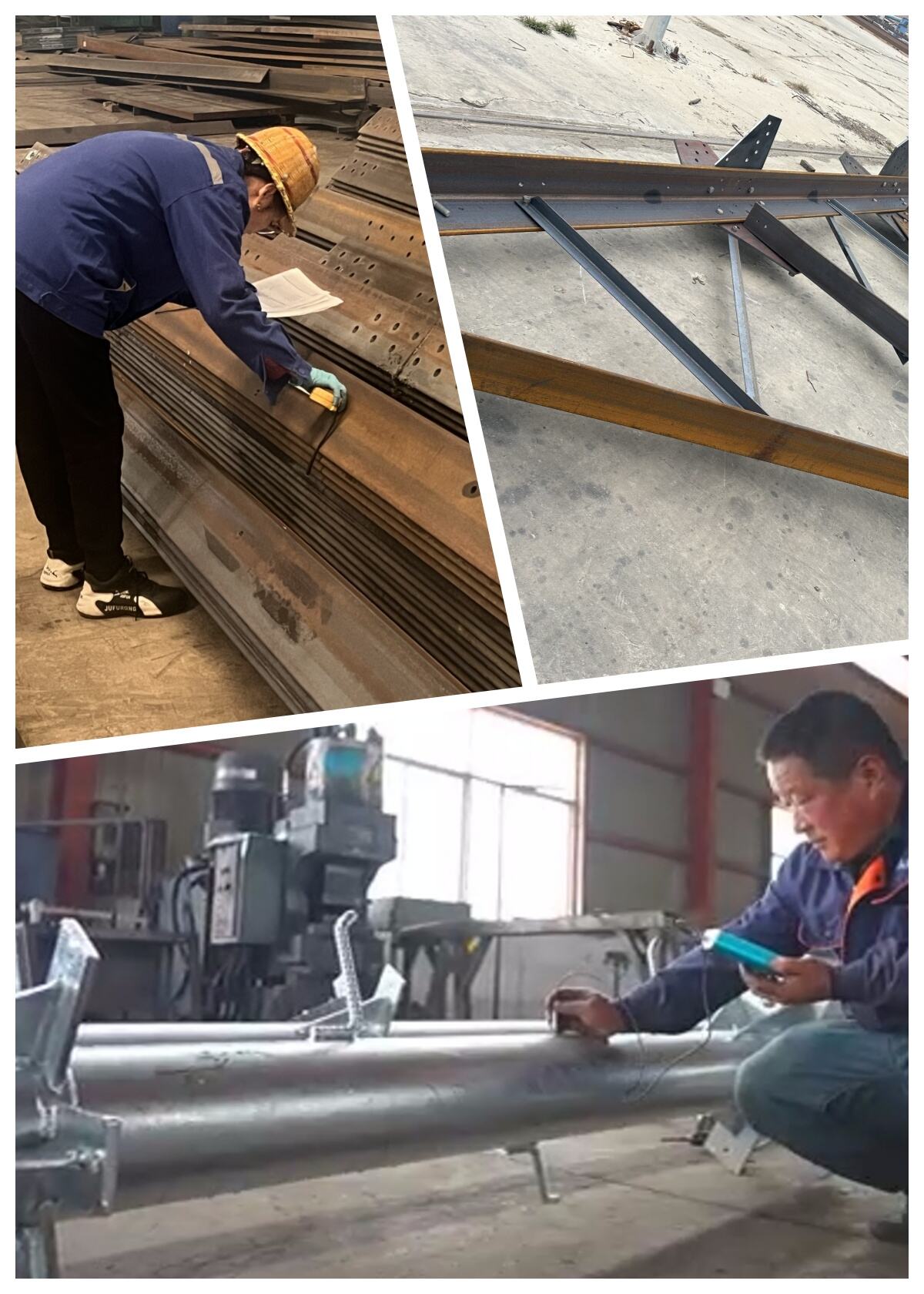
When managing large-scale telecommunications infrastructure projects, the ability to meet aggressive deadlines often determines project success or failure. A communication tower manufacturing facility with 150,000-ton annual production capacity represents significant industrial capability, but the critical question remains whether such capacity translates into reliable project delivery for your specific timeline requirements. The answer depends on multiple factors including production scheduling, logistics coordination, quality control processes, and the manufacturer's existing order pipeline.
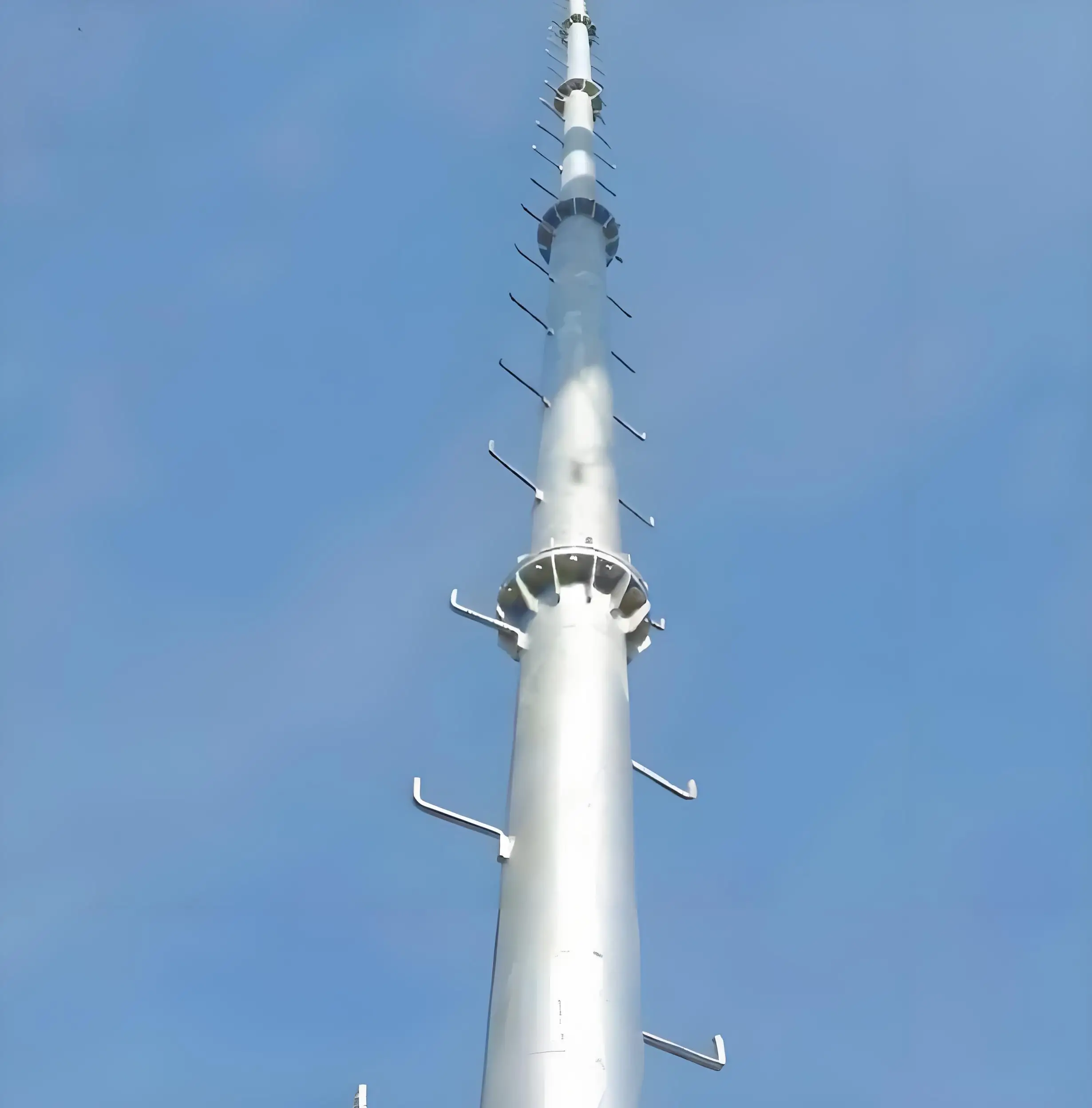
Understanding how manufacturing capacity correlates with project delivery capability requires examining the operational realities behind high-volume communication tower production. While 150,000 tons annually suggests substantial throughput, your project's success depends on whether this capacity can be effectively allocated to meet your specific delivery schedule while maintaining the quality standards essential for telecommunications infrastructure.
Production Capacity Analysis and Timeline Feasibility
Understanding Manufacturing Scale and Output Rates
A 150,000-ton annual capacity for communication tower manufacturing represents approximately 410 tons of daily production capability when operating at full capacity across a standard 365-day operational year. However, real-world production schedules typically account for maintenance downtime, quality control periods, and seasonal demand fluctuations. Most industrial facilities of this scale operate at 80-85% capacity utilization, translating to roughly 330-350 tons of effective daily output for communication tower components and assemblies.
The weight-to-unit conversion varies significantly based on tower specifications, height requirements, and structural complexity. A typical single-tube communication tower for emergency communications might weigh between 3-8 tons depending on height specifications ranging from 30 to 80 meters. This means a facility operating at 350 tons daily capacity could theoretically produce between 44-117 individual tower units daily, assuming single-product focus and optimal production flow.
However, large-scale projects rarely involve identical tower specifications. When your project requires multiple tower types, heights, and configurations, the production planning becomes more complex. Each communication tower variant requires specific tooling, material specifications, and quality verification processes that can impact overall throughput rates.
Scheduling Coordination and Order Pipeline Management
The ability to meet your project deadlines depends heavily on the manufacturer's existing order pipeline and their capacity allocation strategies. A 150,000-ton capacity facility typically maintains a production schedule planned 3-6 months in advance, with larger orders requiring longer lead times for material procurement and production planning. If your project represents a significant portion of their annual capacity, special scheduling arrangements may be necessary.
Most communication tower manufacturers operate on a mixed production model, balancing standard product lines with custom project requirements. Your large-scale project's timeline feasibility depends on whether the manufacturer can dedicate sufficient capacity blocks to your specifications without disrupting their existing customer commitments. This often requires early engagement in their planning cycle, typically 4-8 months before your required delivery dates.
Critical timeline factors include material procurement lead times, especially for specialized steel grades and galvanizing processes essential for communication tower durability. Even with substantial manufacturing capacity, delays in raw material delivery can cascade through the entire production schedule, potentially impacting your project timeline regardless of the facility's theoretical output capability.
Quality Control Impact on Delivery Schedules
Testing and Certification Requirements
Communication tower manufacturing involves stringent quality control processes that directly impact production timelines, regardless of facility capacity. Each tower must undergo structural integrity testing, material composition verification, and compliance certification before shipping. These quality assurance steps typically add 3-7 days to the production cycle for each communication tower unit, depending on testing protocols and certification requirements.
Large-scale projects often require additional quality documentation, including batch tracking, material traceability reports, and third-party inspection certifications. When your project involves hundreds or thousands of communication tower units, these quality control requirements can significantly extend delivery timelines. A facility with 150,000-ton capacity must maintain parallel quality control processes to avoid bottlenecks that could delay entire production batches.
The complexity increases when your project requires communication tower units meeting specific regional standards or international certifications. Each certification standard may require different testing protocols, documentation formats, and inspection procedures. While high-capacity facilities typically maintain multiple certification capabilities, coordinating these requirements across large order quantities requires careful timeline planning and quality system coordination.
Defect Management and Rework Considerations
Even with advanced manufacturing capabilities, quality issues can emerge during communication tower production, particularly when scaling up for large orders. Industry-standard defect rates typically range from 2-5% for structural steel components, meaning that large-scale projects must account for potential rework or replacement requirements that could impact delivery schedules.
When defects are identified during quality control inspections, the resolution process can vary from simple repairs to complete unit replacement, depending on the nature and severity of the issues. A communication tower with structural welding defects might require 2-4 days for repair and re-inspection, while material composition issues could necessitate complete remanufacturing, adding 1-2 weeks to the delivery schedule.
High-capacity manufacturers typically maintain quality management systems designed to minimize defect rates and streamline correction processes. However, the statistical probability of quality issues increases with order volume, making defect management planning essential for maintaining your project timeline. Effective quality control protocols should include contingency time allowances and parallel production streams to minimize timeline impact from quality-related delays.
Logistics and Installation Coordination
Transportation Planning and Delivery Scheduling
Manufacturing capacity represents only one component of meeting your project deadlines. Transportation logistics become increasingly complex as communication tower quantities scale up, particularly when delivery destinations span multiple geographic locations. A 150,000-ton annual capacity facility must coordinate with transportation providers capable of handling specialized loads, including oversized tower sections and precision delivery scheduling.
Communication tower transportation typically requires specialized equipment including flatbed trailers, crane trucks, and sometimes escort vehicles for oversized loads. The availability of appropriate transportation resources can create delivery bottlenecks regardless of manufacturing capacity. During peak construction seasons or in regions with limited specialized transportation infrastructure, delivery scheduling may extend project timelines by several weeks.
Effective delivery coordination requires advance planning for route optimization, permit acquisition for oversized loads, and coordination with your installation teams. Many communication tower projects benefit from staged delivery approaches, where tower components arrive in planned sequences aligned with installation progress rather than bulk delivery that might overwhelm site storage capabilities.
Installation Support and Technical Coordination
Large-scale communication tower projects often require manufacturer support during installation phases, including technical guidance, component verification, and troubleshooting assistance. The availability of technical support resources can impact your overall project timeline, particularly when installation issues require manufacturer consultation or component modifications.
A manufacturer with 150,000-ton capacity typically maintains technical support capabilities proportional to their production volume, but coordination across multiple simultaneous installation sites requires careful resource allocation. When your project involves parallel installation activities across different locations, the manufacturer's technical support availability becomes a critical timeline factor.
Installation coordination also involves ensuring that communication tower components arrive with complete documentation, installation hardware, and any specialized tools required for assembly. Missing components or documentation errors can halt installation progress regardless of overall delivery schedule adherence, making comprehensive pre-delivery verification essential for timeline success.
Risk Factors and Contingency Planning
Supply Chain Dependencies and Vulnerability Assessment
Despite substantial manufacturing capacity, communication tower production remains vulnerable to supply chain disruptions that can impact your project timeline. Steel availability, galvanizing capacity, and specialized component suppliers represent potential bottlenecks that could affect delivery schedules regardless of the manufacturer's production capabilities.
Recent global supply chain volatility has highlighted the importance of understanding your communication tower manufacturer's supplier network resilience. A facility with 150,000-ton capacity requires substantial raw material inputs, making them potentially more vulnerable to supply disruptions but also more likely to maintain strategic supplier relationships and inventory buffers.
Effective risk management involves understanding the manufacturer's supplier diversification, inventory management practices, and contingency planning capabilities. Communication tower projects with tight deadlines benefit from manufacturers who maintain multiple supplier relationships and strategic material inventories to buffer against supply chain disruptions.
Seasonal and Market Demand Fluctuations
Communication tower demand often follows seasonal patterns and market cycles that can impact manufacturer capacity allocation and delivery scheduling. Peak construction seasons typically occur during favorable weather months, creating higher demand for communication tower deliveries that might affect your project's priority within the manufacturer's production schedule.
Large-scale projects spanning multiple months must account for these demand fluctuations and their potential impact on delivery scheduling. A manufacturer with 150,000-ton capacity might experience periods of oversubscription during peak seasons, requiring advanced booking or flexible scheduling arrangements to maintain your project timeline.
Market demand spikes, such as those triggered by natural disasters requiring emergency communication infrastructure or government infrastructure investment programs, can suddenly alter manufacturer capacity availability. Understanding these market dynamics and securing priority scheduling agreements becomes essential for maintaining delivery schedule reliability.
FAQ
How long does it typically take to produce a communication tower order for a large-scale project?
Production timelines for large-scale communication tower orders typically range from 8-16 weeks, depending on order complexity, quantity, and manufacturer capacity allocation. A facility with 150,000-ton annual capacity can usually accommodate substantial orders within this timeframe, but early planning and order placement 4-6 months before required delivery dates ensures optimal scheduling. Custom specifications, special certifications, or peak demand periods may extend these timelines.
What factors most commonly cause delays in communication tower delivery schedules?
The most common delay factors include raw material procurement delays, quality control issues requiring rework, transportation logistics complications, and seasonal capacity constraints. Even high-capacity manufacturers can experience delays when specialized steel grades or galvanizing services face supply shortages. Weather-related transportation delays and permit processing for oversized loads also frequently impact delivery schedules, particularly during winter months or peak construction seasons.
Can a manufacturer with 150,000-ton capacity handle multiple large projects simultaneously?
A 150,000-ton annual capacity facility can typically manage multiple large projects simultaneously through careful production planning and capacity allocation. However, success depends on project timing coordination, specification compatibility, and resource management. When multiple large orders require simultaneous delivery, manufacturers often implement staged production approaches or require extended lead times to ensure quality standards and delivery reliability across all projects.
What should be included in timeline contingency planning for large communication tower projects?
Effective contingency planning should include 15-25% additional time allowance for potential delays, alternative transportation arrangements for weather-sensitive periods, and backup supplier relationships for critical components. Communication tower projects should also plan for staged delivery options, quality control buffer time, and installation support coordination. Regular progress monitoring and early warning systems help identify potential delays before they impact critical project milestones.
Table of Contents
- Production Capacity Analysis and Timeline Feasibility
- Quality Control Impact on Delivery Schedules
- Logistics and Installation Coordination
- Risk Factors and Contingency Planning
-
FAQ
- How long does it typically take to produce a communication tower order for a large-scale project?
- What factors most commonly cause delays in communication tower delivery schedules?
- Can a manufacturer with 150,000-ton capacity handle multiple large projects simultaneously?
- What should be included in timeline contingency planning for large communication tower projects?