 EN
EN


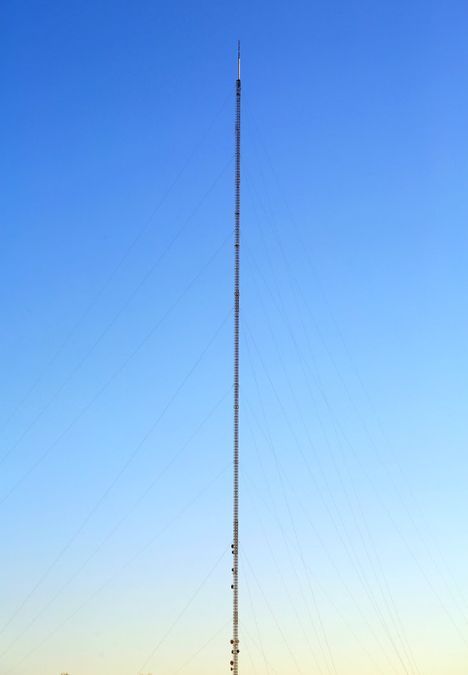
Transportimi i infrastrukturës së madhe telekomunikuese në vendet e largëta të projektit paraqet një nga sfidat më të qëndrueshme logjistike në industrinë e ndërtimit të kulleve. Projektimet tradicionale të kulleve shpesh kërkojnë aranzhime të fretonjës me përmasa të mëdha, pajisje speciale për manipulim dhe planifikim të hollësishëm paraprak për të naviguar terrenin e vështirë, rrugët e ngushta hyrëse dhe urat me kufizime peshash. Këto komplikime përkthehen drejtpërdrejt në rritje të kostos së projektit, zgjatje të kohëzgjatjes së tij dhe rritje të rrezikut të dëmtimit gjatë transportit. Shfaqja e seksioneve modulare të kulleve me strukturë rrjetore ka transformuar themelorisht këtë aspekt të vendosjes së kulleve, duke futur një filozofi projektimi që qëndron në transportueshmëri, skalueshmëri dhe efikasitet të montimit në fushë. Duke thyer strukturat komplekse të kulleve në pjesë të menaxhueshme dhe të standardizuara, projektimet modulare eliminohen shumica e pengesave që historikisht kanë plagosur instalimet në vendet e largëta, duke lejuar ekipet e ndërtimit të arrijnë lokacione që më parë ishin të papërdorshme me metodat konvencionale të transportit, duke ruajtur në të njëjtën kohë integritetin strukturor dhe standartet e performancës.
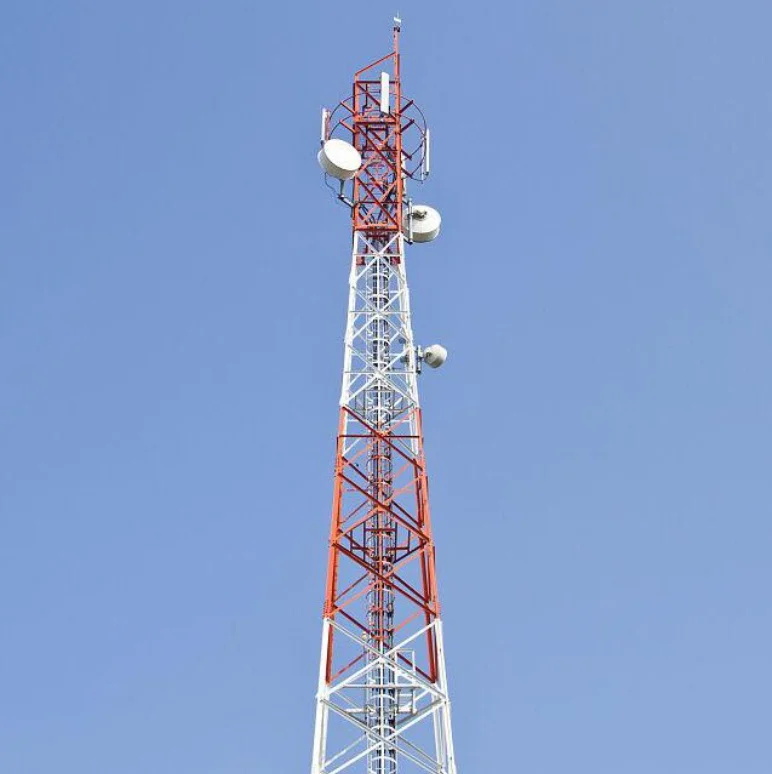
Kuptimi i mënyrës se si seksionet modulare të torrave me strukturë rrjetore thjeshtojnë transportin kërkon një studim të karakteristikave specifike të dizajnit që e mundësojnë avantazhet e tyre në lëvizshmëri. Ndryshe nga montimet monolitike të torrave ose seksionet e mëdha të ngjitur me anë të ngjitjes, seksionet modulare të torrave me strukturë rrjetore janë projektuar si njësi strukturore të veçanta që mund të vendosen njëra mbi tjetrën, të vendosen brenda njëra-tjetrës ose të rregullohen efikasish në kontenerët standard dhe në kamionët me platformë të sheshtë. Kjo optimizim i dimensioneve do të thotë se projekte në rajone malore, në ishuj, në ambiente çarshira ose në zonat urbane të dendura me qasje të kufizuara mund të marrin pjesët e torrave duke përdorur infrastrukturën e njëjtë logjistike që është e disponueshme edhe për mallrat e përgjithshme. Parimi i modularitetit shtrihet jashtë thjesht reduktimit të madhësisë – ai përfshin ndërfaqet standarde të lidhjes, shpërndarjen optimale të peshës dhe zëvendësimin e pjesëve që së bashku zgjidhin pengesat e transportit të cilat tradicionalisht kanë rritur kompleksitetin dhe koston e projekteve në skenare të vështira të zbatimit.
Optimizimi i Dimensioneve dhe Konfigurimi i Ngarkesës
Përcaktimi i Madhësisë së Përbërësve për Vehikulet e Transportit Standard
Avantazhi themelor i transportit të seksioneve modulare të kulleve me strukturë rrjetore rrjedh nga madhësia e tyre e caktuar që përshtatet kufijtë dimensionale të mjeteve të zakonshme të transportit. Seksionet tradicionale të kulleve shpesh e tejkalojnë kufijtë e gjerësisë, lartësisë ose gjatësisë të kamionëve konvencionalë, duke kërkuar leje speciale, mjete eskortuese dhe studime rute që shtojnë javë në afatet e projektit. Seksionet modulare të kulleve me strukturë rrjetore janë projektuar me dimenzione maksimale që përputhen me rregulloret e rrugëve në shumicën e juridiksioneve, duke mbajtur zakonisht gjerësinë nën tre metra dhe gjatësinë që përshtatet konfigurimeve standarde të platformave të sheshta. Kjo disciplinë dimensionale do të thotë se komponentët e kulleve mund të dërgohen duke përdorur mjete transporti të disponueshme në treg, në vend që të kërkojnë pajisje speciale për ngarkesa të rënda. Për objektet e largëta të projektit që mund të arrihen vetëm përmes rrugëve sekondare ose rrugëve të përmirësuara, kjo përshtatshmëri me mjete të zakonshme bëhet dallimi midis zbatimit të mundshëm dhe logjistikës së pallogaritshme nga ana e kushteve.
Procesi i inxhinierisë që ndjek përcaktimin e madhësisë së seksioneve modulare të kulleve me strukturë rrjetore e balancon kërkesat strukturore me realitetet e transportit. Ekipet e dizajnit llogarisin gjatësitë maksimale të shtrirjes dhe dimensionet e prerjes tërthore që plotësojnë si kriteret e fortësisë, ashtu edhe kufijtë e kapacitetit të mjeteve, pastaj ndajnë lartësinë e kullës në seksione që ngrihen efikasht ndërmjet veti, duke ruajtur integritetin e lidhjeve. Ky proces prodhon komponentë që maksimizojnë përdorimin e kapacitetit të ngarkesës — disa seksione mund të ngarkohen në një mjet të vetëm pa humbje hapësirash apo pa përdorim të pakompletuar të kapacitetit të peshës. Për projekte që kërkojnë kulla në intervalin trezet deri në pesëdhjet metra, kjo mund të përkthehet në gjashtë deri në tetë seksione modulare për çdo kullë, të gjitha të transportueshme në dy ose tre kamionë standarde, në vend që të kërkojnë shumë aranzhime transporti specializuar. Efekti i akumuluar në projekte me shumë kulla paraqet kursime të konsiderueshme në kostot e fretonit dhe në kompleksitetin e koordinimit.
Shpërndarja e Peshës dhe Menaxhimi i Ngarkesës në Bosht
Përtej konsideratave dimensionale, seksionet modulare të torrës me strukturë rrjetore zgjidhin çështjen kritike të shpërndarjes së peshës gjatë transportit. Kufizimet e peshës së urave, vlerësimet e sipërfaqeve rrugore dhe rregulloret për ngarkesën në boshtin e aksit kufizojnë lëvizjen e strukturave të rënda të bëra nga një copë e vetme në shumë rajone, veçanërisht në tregjet në zhvillim ose në zonat me infrastrukturë të vjetruar. Projektimet modulare shpërndajnë masën totale të torrës nëpër shumë seksione të veçanta, ku secili prej tyre bie brenda gamës së sigurtë të peshës për mjete të zakonshme dhe infrastrukturë. Një torrë e plotë që mund të peshojë pesëmbëdhjetë deri në njëzet ton si një strukturë monolitike bëhet gjashtë seksione individuale nga dy deri në tre ton secila, duke shndërruar një sfidë të transportit me ngarkesë tepër të madhe në një operacion rutinor të transportit të mallrave. Kjo segmentim i peshës është veçanërisht i vlefshëm për vendndodhjet e largëta që arrihen përmes urave me kufizime të peshës së shënuara ose rrugëve pa asfalt ku shtypja e tokës në sipërfaqe përcakton mundësinë e kalimit.
Karakteristikat e peshës së seksioneve modulare të kulisave me strukturë rrjetore ndikojnë gjithashtu në operacionet e ngarkimit dhe shkarkimit në pikat e origjinës dhe të destinacionit. Seksionet individuale më të lehta kërkojnë pajisje më pak sofistikuar për ngrejje—forkliftet standarde ose kranet mobile të vogla janë të mjaftueshme aty ku do kërkohej ndryshe pajisje për ngrejte të rënda. Në vendet e projektit të largëta, ku sjellja e kranëve të mëdhenj është një projekt për veten, aftësia për të shkarkuar dhe pozicionuar seksionet modulare të kulisave me strukturë rrjetore duke përdorur pajisje portable ose edhe metoda manuale zvogëlon dramatikisht kërkesat për mobilizim. Kjo vetëmjaftueshmëri në operacionet e manipulimit do të thotë se përgatitja e vendit mund të fokusohet në punët e themelit dhe përmirësimin e qasjes, në vend të zonave të montimit për pajisje specializuar. Rezultati praktik është shkurtimi i skedulave të projektit dhe reduktimi i varësisë nga burimet e jashtme, të cilat mund të jenë të rralla ose të pakthyeshme në vendndodhje të izoluara.
Efikasiteti i Përpakimit dhe Optimizimi i Kontainereve
Sekcionet moderne modulare të kullave me strukturë rrjetore përfshijnë inovacione në paketim që rrisin edhe më tepër efikasitetin e transportit. Dizajnet e vendosura njëra brenda tjetrës lejojnë mbledhjen koncentrike të sekcioneve, duke zvogëluar hapësirën lineare të nevojshme për transport. Përshkrimet mbrojtëse dhe përfundimet cinkuara eliminon nevojën e materialeve të paketimit të sofistikuara që shtojnë vëllim dhe peshë. Pjesët standarde të lidhjes dërgohen në kitë kompakte që futen në hapësirat bosh të strukturave rrjetore, duke përdorur vëllimin që përndryshe do të humbesej. Këto strategji të paketimit lejojnë ekipet e projektit të konsolidojnë më shumë kapacitet të kullave në numër më të vogël dërgesash, duke zvogëluar kostot e transportit dhe numrin e udhëtimeve me mjete që janë të nevojshme për furnizimin e një vendi të largët. Për projekte që shtrihen në disa vende në një rajon gjeografik, ky aftësi konsolidimi lejon blerjen dhe shpërndarjen qendrore nga një vend i vetëm i përgatitjes, në vend që të menaxhohet secila zonë instalimi me zinxhirë logjistikë të veçantë.
Përshtatshmëria e seksioneve modulare të kulisheve me strukturë rrjetore për kontenerizim hap opcionet shtesë të transportit, veçanërisht për projekte bregdetare, ishujore ose ndërkombëtare. Kontenerët standard me gjatësi njëzet këmbë dhe katërdhjetë këmbë përshtaten me gjatësitë e projektuara të seksioneve, duke lejuar transportin multimodal me anije, hekurudhë dhe kamion pa nevojën e ripaketimit. Kjo karakteristikë e përshtatshme për kontenerët është veçanërisht e vlefshme për projekte në rajonet arkipelagjike ose në zonat ku transporti detar paraqet metodën më praktike të arritjes. Mundësia e ngarkimit seksionet modulare të kulisheve me strukturë rrjetore në kontenerë të mbyllur ofron gjithashtu siguri të rritur dhe mbrojtje nga kushtet atmosferike gjatë periudhave të gjata të transportit, duke zvogëluar rrezikun e dëmtimit dhe nevojën për inspektim dhe rikonstruksion pas ardhjes në vendndodhje të largëta ku mund të mungojnë instalimet e riparimit.
Lirimëria e Rrugëve të Hyrjes dhe Përshtatja me Terrenin
Kalimi nëpër Infrastrukturë të Kufizuar
Hapësira e zvogëluar dimensionale dhe e peshës së seksioneve modulare të kullave me strukturë rrjetore përkthehet drejtpërdrejt në mundësi të zgjeruara rute kur planifikohet transporti drejt vendndodhjeve të largëta. Projektet e vendosura jashtë rrugëve me asfalt, nëpër ndryshime të shumta lartësie ose nëpër zona me kufizime të lartësisë së lejuar mbi rrugën, përfitojnë nga aftësia për të përdorur rute sekondare që do të ishin të papërshkueshme për transportin e kulleve konvencionale. Rrugët e ngushta malore me kthesa të mprehta, urat me kufizime lartësie ose gjerësie dhe rrotat që kalojnë nëpër zona të populuara me kufizime trafiku bëhen të mundshme kur komponentët e kulleve përshtaten brenda profilave standarde të mjeteve të transportit. Kjo fleksibilitet në zgjedhjen e ruteve zvogëlon nevojën për përmirësime të shtrenjta infrastrukturore ose ndërtimin e përkohshëm të rrugëve, të cilat do të kishin qenë përndryshe të domosdoshme për të akomoduar ngarkesat me madhësi të jashtëzakonshme.
Eksperienca në terren tregon se fleksibiliteti i rrugëve hyrëse shpesh përcakton viabilitetin e projektit në lokacione të vështira. Një projekt telekomunikimi në teren malor mund të përballet me një zgjedhje midis ndërtimit të disa kilometrave rrugësh hyrëse të përmirësuara për të akomoduar seksionet tradicionale të kollonave apo përdorimit të rrugëve ekzistuese të përshtatshme për kamionët e zakonshëm që transportojnë seksione modulare të kollonave me strukturë rrjetore. Diferenciali i kostos favorizon shpesh qasjen modulare me një rend madhësie. Ngjashëm, projektet urbane në zonat historike ose në zonat komerciale të dendura mund të hasin kufizime rute që ndalojnë veçanërisht kamionët me madhësi të jashtëzakonshme, por lejojnë kamionët e zakonshëm të transportit gjatë orëve të caktuara. Aftësia për të transportuar seksionet modulare të kollonave me strukturë rrjetore nëpër këto mjedise të kufizuara e bën të mundur zhvillimin e vendndodhjeve, i cili përndryshe do kërkonte vendndodhje alternative të kollonave me karakteristika të degraduara të mbulimit ose sfida në akuzimin e pronave.
Integrimi i Transportit Shumë-Modal
Qasja në një vend të largët kërkon shpesh kombinimin e shumë mënyrave të transportit — transport rrugor deri në një kalim të lumit, transport me anije barge, pastaj lëvizje tokësore në bankën tjetër. Sekcionet modulare të kullave me strukturë rrjetëre lehtësojnë këto zinxhirë logjistikë me shumë mënyra transporti përmes përshtatshmërisë së tyre me lloje të ndryshme mjeteve dhe pajisjeve për manipulim. Të njëjtat sekcione që transportohen me kamion mund të transferohen në anije barge të vogla, me helikopter për dorëzimin përfundimtar në vendet e vendosura në majat e maleve, ose madje edhe nga ekipet e transportit me dorë për distanca të shkurta nëpër terrene që janë të papërshkueshme për mjete motorike. Kjo fleksibilitet mënyrash transporti është veçanërisht e vlefshme në rajone ku qasja varet nga kushtet stinore, ku mund të kërkohen mënyra të ndryshme transporti varësisht nga kushtet motore. Një vend që është i qasur me rrugë gjatë muajve të thatë, por që kërkon transport me anije gjatë muajve të shiabartë, mund të furnizohet duke përdorur të njëjtat komponentë modulare përmes cilësdo rute që është aktualisht e kalueshme.
Dimensionet e standardizuara dhe sistemet e lidhjes së seksioneve modulare të kulisave rrjetore lejojnë këtë transferim të paprekur midis mënyrave të transportit pa kërkuar ripaketim apo protokolle speciale pune. Ngarkesat me helikopter për dorëzimin përfundimtar në vendndodhje bëhen praktike kur secili seksion mbetet brenda kapaciteteve tipike të ngjitjes së helikoptereve mesatare, në vend që të kërkojë ajëplane me kapacitet të lartë ngjitjeje. Kalimet përmes lumit me ferri të vogla ose barke improvizuara mund të përshtaten me seksionet që futen brenda hapësirës së disponueshme në dek dhe kufijve të peshës. Madje edhe bartja me dorë nga ekipet e punëtorëve bëhet e mundur për pozicionimin përfundimtar kur secili seksion paraqet një ngarkesë të menaxhueshme për katër deri gjashtë punëtorë që përdorin pajisje bazike bartëse. Kjo adaptueshmëri shumë-mënyrëshe siguron që qasja e vështirë në vendndodhje të bëhet një problem logjistik me shumë mundësi zgjidhjesh, në vend që të jetë një pengesë e papërmbysur për realizimin e projektit.
Qasja Sesonale dhe e Varur nga Moti
Shumë vendet e projekteve të largëta përjetojnë dritare sezonale të qasjes, të përcaktuara nga kushtet kohore, kushtet e borës ose nivelet e ujërave në sistemet lumenore. Transporti tradicional i kulleve kërkon shpesh pritjen e kushteve optimale kur rrugët janë të thata, toka e ngurtësuar mund të mbajë ngarkesa të rënda ose nivelet e ujit lejojnë kalimin e anijeve. Sekcionet modulare të kulleve me strukturë shkallëzore zgjasin këto dritare qasjeje duke zvogëluar kërkesat infrastrukturore për kalim. Rrugët që bëhen të papërdorshme për mjete të rënda gjatë periudhës së shkrirjes mund të mbeten të përshtatshme për kamionë standarde që transportojnë komponentë modulare. Lumet me nivele uji të ndryshueshme mund të pranojnë anije më të vogla që transportojnë seksione modulare gjatë një pjesë më të madhe të ciklit vjetor sesa do të ishte e mundur me anije të mëdha të lumenjve, të nevojshme për transportin e kulleve konvencionale. Kjo fleksibilitet kohore përkthehet drejtpërdrejt në planifikime projektash të shkurtra dhe në zvogëlimin e ekspozimit ndaj vonimeve të kushteve kohore, të cilat mund të zgjasin projekte në vendet e largëta për muaj.
Aftësia për të transportuar seksione modulare të torrave me strukturë rrjetore gjatë kushteve të kufizuara të qasjes ofron gjithashtu fleksibilitet në planifikimin e projektit, i cili përmirëson përdorimin e burimeve dhe zvogëlon kostot e pritjes. Ekipet e ndërtimit mund të mobilizohen me besim se materiali i torrave do të arrijë kur është nevojë, në vend që të kërkojnë periudha rezervë për të kompensuar vonimet e transportit. Kampañat sezonale të punës në rajonet me dritare të shkurtra ndërtimi mund të maksimizojnë kohën produktive kur disponueshmëria e materialeve sigurohet përmes metodave të transportit më pak të prekura nga ndikimet e motit. Për operatorët e telekomunikacionit që punojnë për të plotësuar detyrimet e mbulimit ose afatet e shërbyerit, kjo besueshmëri e planit paraqet një avantazh strategjik që përmirëson parashikueshmërinë e projektit dhe zvogëlon rrezikun e vonimeve të shtrenjta ose të gjobave kontraktuale.
Efikasiteti i Montimit Në Vend dhe Kërkesat për Burime
Varetësi të Ulëta nga Ekipimet e Rënda
Përfitimet e transportit të seksioneve modulare të kulleve me strukturë rrjetore shtrihen natyrshëm edhe në operacionet e montimit në vend, ku të njëjtat karakteristika që thjeshtojnë transportin, përmirësojnë edhe ndërtimin. Peshat më të vogla të seksioneve dhe dimensionet e menaxhueshme do të thonin se montimi i kullës mund të kryhet me kranje më të lehta ose me sisteme gini (gin pole), pa kërkuar kranje mobile të mëdha, të cilat vetë paraqesin sfida për transport dhe pozicionim në vendndodhje të largëta. Një montim modular i kullës mund të përfundohet me një kranë me kapacitet 20 tonë, të montuar mbi një kamion, e cila arrin në vendndodhje përmes të njëjtave rrugë që përdoren edhe për dorëzimin e materialeve, ndërsa ndërtimi tradicional i kullës mund të kërkojë një kranë me kapacitet 80 tonë me rrota zinxhirë, e cila kërkon transport të veçantë, kohë montimi dhe përgatitje të gjerë të tokës. Ky zvogëlim i pajisjeve përfaqëson kursime të konsiderueshme financiare dhe eliminon një pengesë logjistike të madhe, e cila shpesh përcakton ekzekutueshmërinë e projektit në vendndodhje të izoluara.
Përtej kapacitetit të kranit, qasja modulare zvogëlon vargun e veglave specializuara dhe të pajisjeve mbështetëse të nevojshme në vendndodhje. Lidhjet standarde me bullona eliminon nevojën për pajisje ngjitjeje në terren, gjeneratore dhe ngjitës të certifikuar. Peshat më të vogla të seksioneve zvogëlojnë kërkesat për pajisje riggingu, shiritë dhe ekuipimet e sigurisë të cilat janë të vlerësuara për ngjitje të rënda. Paketa e thjeshtuar e pajisjeve do të thotë se ekipet e ndërtimit më të vogla mund të ruajnë produktivitetin, duke zvogëluar infrastrukturën e kampit, shërbimet e ushqimit dhe kërkesat për transportin e personelit në vendndodhje të largëta, ku mbështetja e punonjësve paraqet një sfidë operative të konsiderueshme. Për projekte në rajone me disponueshmëri të kufizuar të punëtorëve të kualifikuar, kompleksiteti teknik i ulët i montimit të seksioneve modulare të kulleve rrjetore, në krahasim me ngjitjen ose lidhjen me bullona të elementeve strukturore të mëdha, zgjeron bazën e punëtorëve të përshtatshëm dhe zvogëlon varësinë nga profesionet e rralla specialiste.
Kohëzgjatja e Shpejtuar e Ndërtimit
Kombinimi i logistikës të thjeshtuar dhe procedurave të montimit të shpejtuar, i mundësuar nga seksionet modulare të kulisheve me strukturë rrjetore, prodhon një rritje të maturueshme në shpejtësinë e përfundimit të projekteve. Aktivitetet e transportit dhe të ngritjes që mund të zgjasin tre deri katër javë për kulishe tradicionale, shpesh shkurtohen në një deri dy javë për struktura modulare të barabarta. Kjo shpejtësim rrjedh nga disa faktorë: transport më i shpejtë për shkak të fleksibilitetit të rrugëve dhe përdorimit të mjeteve standarde, përgatitje më e vogël e terrenit pasi pajisjet më të lehta kërkojnë përmirësime më të pakta të tokës, aktivitete paralele të mundësuara nga vendosja e materialeve në pika të shpërndara dhe procedura më të shpejta montimi me lidhje standarde dhe ngjitje më të lehta. Për operatorët e telekomunikacionit që përballojnë shtypje konkurruese për të zgjeruar mbulimin ose kërkesa rregullative për të shërbyer zonat e papërpunuara, ky shkurtim i kohëzgjatjes ndikon drejtpërdrejt në realizimin e të ardhurave dhe pozicionin tregtar.
Benefitet e kohëzgjatjes shtrihen jashtë ndërtimit të veçantë të çdo kulle dhe shkojnë deri në ekzekutimin e projekteve në nivel portofoliu. Një program i vendosjes së rrjetit që përfshin njëzet ose tridhjetë vende të largëta mund të përfundohet në mënyrë të njëpasnjëshme nga një ekip i vetëm që lëviz shpejt midis vendndodhjeve, në vend se të kërkojë shumë ekipa paralelë ose periudha të zgjatura të fushatave. Aftësia për të përfunduar secilën vendndodhje shpejt zvogëlon periudhën e ekspozimit të pajisjeve dhe materialeve në kushtet e fushës, duke minimizuar rreziqet e sigurisë, dëmet nga moti dhe kostot e mbajtjes së inventarit. Për kontraktorët e inxhinierisë-prokurimit-ndërtimit, ciklet më të shpejta të përfundimit përmirësojnë efikasitetin e kapitalit duke zvogëluar kohën midis investimit në projekt dhe pikave të pagesës, duke përmirësuar fitësimin dhe duke lejuar ofertime më konkurruese për projekte të ardhshme. Avantazhi kumulativ i planifikimit i seksioneve modulare të kulleve me strukturë rrjetore në programe me shumë vendndodhje paraqet shpesh muaj të tërë të shpejtimit të vendosjes së rrjetit në krahasim me metodat tradicionale.
Kontrolli i Cilësisë dhe Përshtatshmëria e Instalimit
Naturës fabrikuese të seksioneve modulare të kulisave me strukturë rrjetore siguron një cilësi të qëndrueshme dhe saktësi dimensionale që strukturat e montuara në terren vështirësohen të arrijnë, veçanërisht në vendndodhje të largëta me mbikëqyrje të kufizuar dhe burime të kufizuara për sigurimin e cilësisë. Çdo seksion arrin në vendndodhje si një njësi strukturore e përfunduar që është prodhuar nën kushte të kontrolluara, është inspektuar dhe testuar para dërgimit. Ky qasja e parafabrikimit eliminon shumicën e ndryshimeve të cilësisë që lidhen me operacionet e ngjitjes, prerjes dhe përshtatjes në terren, ku kushtet mjedisore, ndryshimet në aftësitë e punëtorëve dhe praktikat e manipulimit të materialeve mund të sjellin defekte ose moskonsistenca dimensionale. Për projekte të largëta, ku puna e përsëritur ose korrigjimet kërkojnë kohë dhe shpenzime të konsiderueshme për t'u adresuar, siguria e cilësisë e brendshme e seksioneve modulare të prodhuara në fabrikë zvogëlon rrezikun dhe përmirëson besueshmërinë strukturore të gjatë kohës.
Përshtatshmëria e instalimit nëpër shumë kulla brenda një implementimi rrjeti përfiton gjithashtu nga natyra standarde e seksioneve modulare të kulleve me strukturë rrjetë. Çdo kullë përdor komponentë identikë të montuar sipas procedurave të dokumentuara, duke krijuar uniformitet në karakteristikat strukturore, kapacitetin e ngarkesës dhe mundësitë e montimit të antenave. Kjo standardizim thjeshton planifikimin e mirëmbajtjes, menaxhimin e inventarit të pjesëve rezervë dhe procedurat e modifikimit kur përditësimet e rrjetit kërkojnë ndryshime të antenave ose instalime shtesë të pajisjeve. Për operatorët e telekomunikacionit që menaxhojnë qindra ose mijëra lokacione kulle në zonash gjeografike të gjerë, avantazhet operative të përshtatshmërisë strukturore kontribuojnë në uljen e kostove të ciklit të jetës dhe në përmirësimin e besueshmërisë së rrjetit. Thjeshtësimi i transportit që bën seksionet modulare të kulleve me strukturë rrjetë praktikë për lokacionet e largëta, kështu ofron përfitime të vazhdueshme që shtrihen shumë më tej se faza fillestare e ndërtimit.
Analiza e Kostos dhe e Përfitimit për Deployimet Në Largësi
Zvogëlimi i Drejtpërdrejtë i Kostove të Transportit
Kuantifikimi i avantazheve financiare të seksioneve modulare të kulleve me strukturë rrjetore për projekte në vendet e largëta fillon me krahasimin e drejtpërdrejtë të kostove të transportit. Transporti i rëndë specializuar për seksionet e mëdha të kulleve kushton zakonisht nga tre deri në pesë herë më shumë për kilometër se tarifat e zakonshme të transportit, me shtesa të mëtejshme për lejet, eskortat dhe studimet e rrugëve. Një vend i largët i vendosur dyqind kilometra larg depozitës së afërt të furnizimit mund të ketë koste transporti prej pesëmbëdhjetë deri në njëzet mijë dollarë amerikanë për seksionet tradicionale të kulleve, ndërsa vetëm nga katër deri në gjashtë mijë dollarë amerikanë për komponentët modulare që dërgohen përmes kamionëve standard. Në programe me shumë vende, këto kursime për çdo kullë akumulohen në zvogëlima të konsiderueshme të buxhetit, të cilat mund të përcaktojnë viabilitetin e përgjithshëm të projektit ose të lejojnë zgjerimin e mbulimit të rrjetit brenda alokacioneve fikse të kapitalit.
Përtej ndryshimit të drejtpërdrejtë të tarifës së transportit, seksionet modulare të kulisheve me strukturë rrjetore eliminohen shumë shpenzime të transportit anësor që rritin kostot e projekteve tradicionale. Kostot e përmirësimit të rrugëve për zgjerimin e tyre, forcimin e urave ose heqjen e përkohshme të pengesave zhduken kur mjetet standarde janë të mjaftueshme për dorëzimin e materialeve. Premiat e sigurimit për ngarkesat e madhe me vlerë zvogëlohen kur ngarkesa bën pjesë brenda parametrave të zakonshëm të sigurimit. Kostot e pritjes për dorëzimet e vonuara ose të rivendosura për shkak të problemeve me lejet ose mbylljeve të rrugëve zvogëlohen kur fleksibiliteti i transportit ofron mundësi alternative rute. Efekti i përgjithshëm i këtyre kategorive të kostove të eliminuara shpesh tejkalon kursimet e drejtpërdrejta të transportit, duke bërë avantazhin e përgjithshme të kostos së transportit të seksioneve modulare të kulisheve me strukturë rrjetore edhe më të rëndësishme se sa sugjeronin krahasimet e thjeshta të tarifave. Për modelet financiare të projektit, kjo parashikueshmëri e kostos dhe zvogëlimi i nevojave për rezervë përmirësojnë kthimet nga investimet dhe zvogëlojnë riskun financiar.
Shmanghja e Investimeve në Infrastrukturë
Ndoshta ndikimi më dramatik i kostonjës nga përdorimi i seksioneve modulare të kulleve me strukturë rrjetore për projekte të largëta vjen nga shmanghja e përmirësimeve të shtrenjta të infrastrukturës, të cilat do të kërkonin përndryshe për të mundësuar hyrjen në vendndodhje. Ndërtimi ose përmirësimi i rrugëve për të akomoduar transportin e kulleve me dimensione të mëdha mund të kërkojë investime prej pesëdhjetë deri në dyqind mijë dollarë amerikanë për kilometër, varësisht nga relievi dhe gjendja ekzistuese. Fortifikimi i urave ose ndërtimi i përkohshëm i urave për ngarkesa të rënda shton kostot me madhësi të ngjashme. Për një vendndodhje të largët që kërkon pesë kilometra përmirësim të hyrjes, kostoja e infrastrukturës mund të tejkalojë lehtësisht gjysmën e milionit dollarësh—potencialisht edhe më shumë se kostoja e kullës dhe e pajisjeve. Kur seksionet modulare të kulleve me strukturë rrjetore eliminohen nevoja për këto përmirësime duke lejuar transportin përmes rrugëve ekzistuese të hyrjes, ekonomia e projektit transformohet nga marginaleisht e realizueshme në qartësisht tërheqëse.
Shpëtimi i kostove të infrastrukturës shtrihet jashtë përmirësimeve fizike për të përfshirë edhe shpenzimet që lidhen me kohën. Proceset e lejuar dhe të revizionit mjedisor për ndërtimin ose modifikimin e rrugëve mund të zgjasin planin e projektit nga gjashtë deri në dymbëdhjetë muaj në shumicën e juridiksioneve, duke vonuar gjenerimin e të ardhurave dhe duke ekspozuar projektet ndaj ndryshimeve të tregut dhe rregullatorike. Aftësia për të vazhduar me infrastrukturën ekzistuese kur përdoren seksione modulare të kulleve me strukturë rrjetore eliminon këto procese miratimi dhe vonimet e lidhura me to, duke nxitur kthimet e projektit dhe duke zvogëluar rreziqet e planit. Për operatorët e telekomunikacionit që konkurojnë për të shërbyer tregjet e reja të доступshme ose për të plotësuar kërkesat rregullatore të mbulimit me penala afati kohor, kjo avantazh e planit ka vlerë financiare që shkon më tej se kursimet direkte të kostove. Vlera e opsionit për të instaluar kulla me shpejtësi kur paraqiten mundësitë e tregut përfaqëson një avantazh strategjik që metodat tradicionale të kulleve nuk mund ta arrijnë.
Konsiderimet për Kostot e Ciklit të Plotë të Jetës
Megjithëse avantazhet e kostos fillestare të transportit dhe instalimit drejtojnë vendimet për përdorim, profili i kostos totale të ciklit të jetës së seksioneve modulare të kulleve me strukturë rrjetore ofron justifikim financiar shtesë për përdorimin e tyre në aplikime të largëta. Pjesët standarde dhe sistemet e lidhjes thjeshtojnë veprimtaritë e ardhshme të mirëmbajtjes, duke lejuar teknikët të zëvendësojnë seksionet e dëmtuara pa nevojë për pajisje specializuar apo për shpërbërje të gjerë të kullës. Përditësimet e antenave ose ndryshimet e pajisjeve përshtaten më lehtë në kulla të ndërtuara nga seksione modulare të zëvendësueshme, duke reduktuar kostot e modifikimit dhe pengesat e shërbimit. Kur kulla kërkojnë në fund të zhvendosen për shkak të problemeve me qiratë ose rikonfigurimit të rrjetit, po e njëjta modularitet që e thjeshtoi transportin fillestar e mundëson shpërbërjen dhe rivendosjen me kosto efektive, duke ruajtur vlerën e pasurisë që do të humbesej me strukturat e ngjitura me ngjitje ose të montuara në vend.
Vlera e rivendosjes dhe përdorimit të përsëritur të seksioneve modulare të kulleve me strukturë rrjetore meriton veçmas vëmendje në ekonominë e projekteve të largëta. Strukturat tradicionale të kulleve shpesh bëhen aktiva të braktisura me vlerë minimale të rishfrytëzimit kur vendet çaktivizohen, pasi kostoja e heqjes dhe e transportit tejkalon vlerën e tyre për përdorime alternative. Seksionet modulare ruajnë vlerën si komponente të përdorshme përsëri, të cilat mund të rikonfigurohen për lartësi të ndryshme, të zhvendosen në vende të reja ose të shiten në tregjet sekondare. Kjo vlerë mbetëse zvogëlon koston neto të vërtetë të vendosjes fillestare të kulleve dhe ofron fleksibilitet financiar operatorëve që menaxhojnë kërkesat e ndryshueshme të rrjetit. Për projekte në rajone me instabilitet politik ose në zona me qasje të paqartë në afat të gjatë ose të drejta pronësie, aftësia për të rifituar dhe rivendosur aktiva të kulleve përfaqëson një reduktim të rrezikut që përmirëson ekzekutueshmërinë e projektit. Prandaj, avantazhet e transportit që bëjnë seksionet modulare të kulleve me strukturë rrjetore tërheqëse për vendosjen fillestare krijojnë një përfitim simetrik kur bëhet e domosdoshme rifitimi i aktiveve në fund.
Pyetje të shpeshta
Cilat janë avantazhet e peshës dhe madhësisë që ofrojnë seksionet modulare të kulleve me strukturë rrjetore për transportin në vendet e largëta?
Seksionet modulare të kulleve me strukturë rrjetore zakonisht peshojnë nga dy deri në katër tonë për seksion dhe ruajnë dimenzione të përshtatshme me kamionët e zakonshëm me platformë të sheshtë dhe kontenerët e transportit, në krahasim me segmentet tradicionale të kulleve, të cilat mund të tejkalojnë dhjetë tonë dhe kërkojnë transport të rëndë specializuar. Ky zvogëlim i madhësisë lejon transportimin e shumë seksioneve në mjete konvencionale pa kërkuar leje për ngarkesa të mëdha, mjete eskortuese ose modifikime të rrugëve. Shpërndarja e peshës nëpër shumë seksione të veçanta lejon gjithashtu kalimin mbi ura dhe rruga me kufizime peshësh, të cilat do të ndalonte transportin e kulleve tradicionale, duke zgjeruar gamën e vendndodhjeve të largëta që mund të arrihen dhe duke zvogëluar nevojën për modifikime infrastrukturore.
Si ndikojnë dizajnet modulare në pajisjet e nevojshme për montimin e kulleve në vendndodhjet e largëta?
Pesha më e lehtë dhe dimensionet e menaxhueshme të seksioneve modulare të kulleve me strukturë rrjetore lejojnë ekipet e ndërtimit të përdorin kranje dhe pajisje ngjitëse shumë më të vogla në krahasim me metodat tradicionale të montimit të kulleve. Një instalim i kulleve modulare mund të përfundohet me një kranë me montim në kamion prej njëzet deri në tridhjetë ton, në vend që të kërkojë një kranë mobile prej tetëdhjetë deri në njëqind ton, duke zvogëluar koston e mobilizimit të pajisjeve dhe duke eliminuar nevojën për përgatitje të gjerë të tokës në vendndodhje të largëta. Lidhjet standarde me bullona, të përdorura në sistemet modulare, eliminohen gjithashtu kërkesat për ngjitje në terren, duke zvogëluar nevojën për gjeneratorë, pajisje ngjitëse dhe ngjitës të certifikuar në vendndodhje ku këto burime janë të rralla ose shumë të shtrenjta për t’u përdorur.
A mund të mbajnë seksionet modulare të kulleve me strukturë rrjetore të njëjta kushte mjedisore si dizajnet tradicionale të kulleve?
Pjesët modulare të tullës me strukturë rrjetore, të projektuara në mënyrë të përshtatshme, plotësojnë të njëjtat standarde performancë strukturore si dhe dizajnet tradicionale të tullave, duke përfshirë rezistencën ndaj ngarkesave të erës, kapacitetin e ngarkesës së akullit dhe kërkesat për performancën sismike. Sistemet e lidhjes midis pjesëve janë projektuar për të transferuar ngarkesat vazhdimisht përmes strukturës pa krijuar pika të dobëta, dhe prodhimi në fabrikë në kushte të kontrolluara prodhon shpesh një cilësi më të qëndrueshme se alternativat e montuara në terren. Natyra modulare e dizajnit nuk komprometon integritetin strukturor, por përfaqëson një metodologji alternative të prodhimit dhe montimit që ruan performancën duke optimizuar transportueshmërinë. Analiza dhe testimet e pavarura inxhinierike verifikojnë se tullat modulare i përputhen standardeve industriale të zbatueshme dhe kritereve specifike të vendit për projektimin ambiental.
Cilat janë kursimet e zakonshme të kostos kur përdoren pjesë modulare për tulla në vendet e largëta krahasuar me qasjet tradicionale?
Economitë nga përdorimi i seksioneve modulare të kulleve me strukturë rrjetore në vendet e largëta zakonisht variojnë nga njëzet deri në dyzet për qind të kostos totale të projektit, duke varet nga sfidat e qasjes në vendin e ndërtimit dhe largësia nga burimet e furnizimit. Zvogëlimet e drejtpërdrejta të kostos së transportit nga pesëdhjetë deri në shtatëdhjetë për qind janë të zakonshme kur krahasohen tarifat e zakonshme të transportit me kërkesat e veçanta për transportin e rëndë. Ekonomitë shtesë rrjedhin nga shmangia e kostove për përmirësimin e rrugëve, zvogëlimi i shpenzimeve për grua dhe pajisje, kohëzgjatja më e shpejtë e instalimit që ul kostot e punës së dorës dhe të kampit, si dhe anulimi i tarifave për lejet dhe mjetet e eskortës. Për vendet e veçanërisht të vështira që kërkojnë zhvillim të konsiderueshëm infrastrukturore për t’u përshtatur me transportin e kulleve tradicionale, avantazhi i kostos i seksioneve modulare mund të tejkalojë pesëdhjetë për qind të investimit total në projekt, duke përcaktuar shpesh nëse zbatim i një vendi të largët është ekonomikisht i realizueshëm.
Tabela e Lëndës
- Optimizimi i Dimensioneve dhe Konfigurimi i Ngarkesës
- Lirimëria e Rrugëve të Hyrjes dhe Përshtatja me Terrenin
- Efikasiteti i Montimit Në Vend dhe Kërkesat për Burime
- Analiza e Kostos dhe e Përfitimit për Deployimet Në Largësi
-
Pyetje të shpeshta
- Cilat janë avantazhet e peshës dhe madhësisë që ofrojnë seksionet modulare të kulleve me strukturë rrjetore për transportin në vendet e largëta?
- Si ndikojnë dizajnet modulare në pajisjet e nevojshme për montimin e kulleve në vendndodhjet e largëta?
- A mund të mbajnë seksionet modulare të kulleve me strukturë rrjetore të njëjta kushte mjedisore si dizajnet tradicionale të kulleve?
- Cilat janë kursimet e zakonshme të kostos kur përdoren pjesë modulare për tulla në vendet e largëta krahasuar me qasjet tradicionale?