 EN
EN


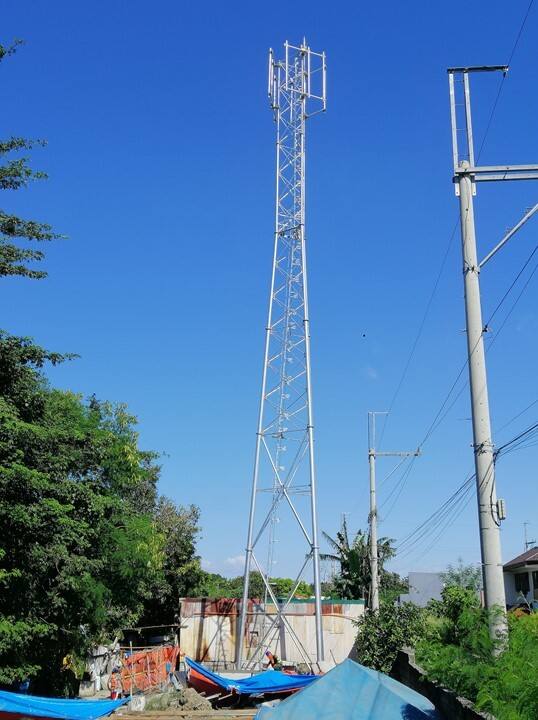
When sourcing a telecommunication tower for critical infrastructure deployment, understanding which quality certifications to verify becomes paramount for ensuring structural integrity, regulatory compliance, and long-term operational safety. The telecommunication tower industry operates under stringent international standards that govern material quality, manufacturing processes, installation protocols, and environmental considerations. Purchasing decisions made without thorough certification verification can expose organizations to catastrophic structural failures, legal liabilities, regulatory penalties, and costly remediation efforts that far exceed initial savings from uncertified suppliers. This comprehensive guide examines the essential quality certifications that procurement professionals, network engineers, and infrastructure managers must verify before committing to any telecommunication tower supplier, helping you navigate the complex certification landscape with confidence and precision.
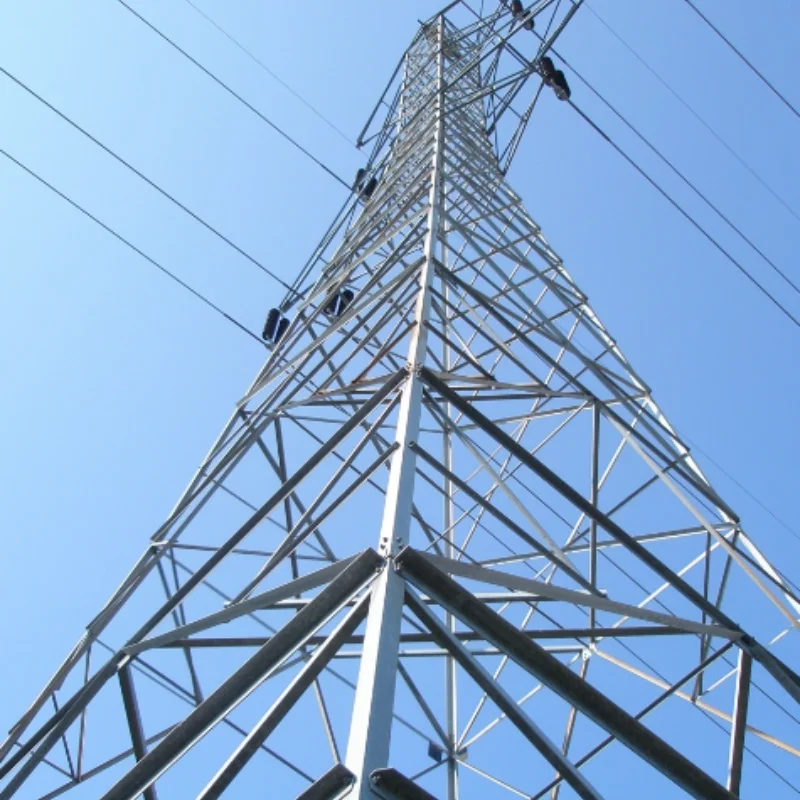
The global telecommunications infrastructure market demands unwavering adherence to quality standards that protect substantial capital investments and ensure continuous network availability. A typical telecommunication tower represents a multi-decade infrastructure commitment that must withstand extreme weather conditions, seismic events, wind loads exceeding design specifications, and continuous structural stress from mounted equipment. The certification verification process serves as your primary defense mechanism against substandard materials, inadequate engineering practices, and manufacturing shortcuts that compromise tower performance. Throughout this article, we will explore the mandatory international certifications, region-specific quality standards, manufacturing process validations, material traceability requirements, and environmental compliance documentation that collectively form a comprehensive certification verification framework for telecommunication tower procurement.
Fundamental International Quality Standards for Telecommunication Tower Manufacturing
ISO 9001 Quality Management System Certification
The ISO 9001 certification represents the foundational quality management standard that every reputable telecommunication tower manufacturer must possess. This internationally recognized certification verifies that the supplier has implemented systematic quality control processes covering design, production, testing, and delivery phases. When evaluating a telecommunication tower supplier, you should request evidence of current ISO 9001 certification issued by accredited certification bodies such as TUV, SGS, Bureau Veritas, or equivalent internationally recognized auditing organizations. The certification scope should explicitly include telecommunication tower manufacturing rather than generic metal fabrication, as this demonstrates the supplier's commitment to industry-specific quality protocols.
Beyond merely confirming certification existence, procurement teams should examine the certification date, audit frequency, and any corrective action records from surveillance audits. A robust ISO 9001 implementation within telecommunication tower manufacturing includes documented procedures for material inspection, welding quality control, dimensional verification, surface treatment validation, and final product testing. Suppliers with mature quality management systems typically maintain detailed process control charts, statistical process control data, and traceability systems that link every tower component to specific material batches and production records. This level of documentation becomes invaluable when addressing warranty claims or conducting failure analysis investigations.
ISO 14001 Environmental Management Certification
Environmental management certification has evolved from optional differentiation to mandatory requirement as regulatory frameworks worldwide impose stricter environmental compliance obligations on infrastructure projects. ISO 14001 certification demonstrates that a telecommunication tower manufacturer has established systematic controls for managing environmental impacts throughout the production lifecycle. This certification directly influences project approval timelines, as many jurisdictions now require environmental compliance documentation before issuing construction permits for telecommunication tower installations. Verification should include reviewing the environmental policy statement, waste management procedures, energy consumption reduction initiatives, and hazardous material handling protocols.
The environmental certification becomes particularly critical when sourcing telecommunication towers that undergo hot-dip galvanization or powder coating processes, as these surface treatment methods involve potentially hazardous chemicals and generate industrial waste streams. Suppliers with genuine ISO 14001 implementation demonstrate proper wastewater treatment systems, air emission controls, and waste disposal partnerships with licensed environmental management companies. For projects involving multiple telecommunication towers across environmentally sensitive areas, supplier environmental certification significantly reduces project risk by ensuring manufacturing processes align with international environmental protection standards and minimize ecological impact throughout the production chain.
OHSAS 18001 or ISO 45001 Occupational Health and Safety Standards
Occupational health and safety certification verification provides insight into manufacturing facility conditions, worker training programs, and safety culture that directly correlate with product quality outcomes. The ISO 45001 standard, which replaced OHSAS 18001, establishes requirements for occupational health and safety management systems within manufacturing environments. When sourcing telecommunication towers, this certification indicates that the manufacturer maintains systematic controls over workplace hazards, implements rigorous safety training programs, and prioritizes worker wellbeing throughout production operations. Manufacturing facilities with strong safety cultures typically demonstrate higher attention to quality details and process discipline.
The connection between workplace safety certification and telecommunication tower quality stems from the precision manufacturing requirements and hazardous processes involved in tower production. Welding operations, heavy material handling, hot-dip galvanization, and large component assembly all present significant safety risks that require controlled procedures and trained personnel. Manufacturers holding current ISO 45001 certification have demonstrated to independent auditors that they maintain documented safety procedures, conduct regular risk assessments, provide appropriate personal protective equipment, and maintain incident investigation protocols. These systematic approaches to safety management typically extend to quality control practices, resulting in more consistent product quality and reduced defect rates in finished telecommunication tower assemblies.
Structural Engineering and Design Certification Requirements
Professional Engineering Certification and Structural Calculations
Every telecommunication tower design must be supported by structural calculations performed and sealed by licensed professional engineers qualified in structural and civil engineering disciplines. When verifying quality certifications, procurement teams should request complete structural calculation packages that include wind load analysis, seismic load calculations, foundation design specifications, deflection calculations, and equipment mounting load assessments. These engineering documents should bear the official seal and signature of professional engineers licensed in jurisdictions recognized for rigorous engineering standards. The structural calculation package serves as the technical foundation for all subsequent manufacturing and installation activities related to the telecommunication tower.
Professional engineering certification requirements vary significantly across different markets, with some regions maintaining reciprocal recognition agreements while others require local engineering review and approval. For international telecommunication tower procurement, you should verify that structural designs comply with applicable building codes such as ASCE 7 for wind loads, IBC structural provisions, or equivalent international standards like Eurocode 3 for steel structures. The engineering certification package should also include material specifications, welding procedures, bolt grade requirements, and foundation interface details. Suppliers providing comprehensive engineering documentation demonstrate professional accountability and technical competence that directly translates to safer, more reliable telecommunication tower installations.
Third-Party Design Verification and Independent Review
Beyond the manufacturer's internal engineering capabilities, independent third-party design verification provides an additional quality assurance layer for complex or critical telecommunication tower installations. Organizations such as TUV Rheinland, Intertek, and other accredited technical inspection agencies offer independent structural review services that validate design calculations, material selections, and manufacturing specifications against applicable standards. For telecommunication towers exceeding certain height thresholds or supporting unusually heavy equipment loads, third-party design verification becomes particularly valuable in identifying potential design vulnerabilities before manufacturing begins.
The third-party verification process typically includes comprehensive review of structural calculations, finite element analysis validation, material property confirmation, and manufacturing drawing approval. Independent reviewers assess whether the telecommunication tower design incorporates appropriate safety factors, accounts for all relevant load combinations, and follows industry best practices for connection details and structural redundancy. This independent validation proves especially important when sourcing telecommunication towers for mission-critical applications where network downtime carries substantial financial consequences or public safety implications. The verification report issued by these independent agencies provides objective evidence of design adequacy that satisfies insurance requirements, regulatory approvals, and internal risk management protocols.
Material Quality Certifications and Traceability Documentation
Steel Material Certificates and Mill Test Reports
Material quality represents the fundamental building block of telecommunication tower structural integrity, making steel material certificates and mill test reports essential verification documents. Every steel component used in telecommunication tower fabrication should be traceable to original mill test reports that document chemical composition, mechanical properties, heat treatment conditions, and quality control test results. These mill certificates, typically conforming to EN 10204 3.1 or 3.2 standards, provide verified evidence that steel materials meet specified grade requirements such as ASTM A572 Grade 50, S355 steel, or equivalent structural steel specifications.
When verifying material certifications for telecommunication tower procurement, examine the mill test reports for completeness, ensuring they document tensile strength, yield strength, elongation percentages, and chemical composition within specified tolerances. The material certificates should identify the steel supplier, production batch numbers, and testing laboratory information. Reputable telecommunication tower manufacturers maintain comprehensive material traceability systems that link every steel component in the finished tower to original mill certificates, creating an unbroken chain of documentation from steel production through final tower assembly. This traceability becomes critical if material defects are discovered during tower service life or if warranty claims require investigation of material properties.
Hot-Dip Galvanization Certification and Coating Thickness Verification
Corrosion protection through hot-dip galvanization represents a critical quality factor for telecommunication tower longevity, particularly for installations in coastal environments, industrial areas, or regions with high atmospheric pollutants. Galvanization quality certifications should demonstrate compliance with standards such as ASTM A123, ISO 1461, or equivalent national standards that specify minimum zinc coating thickness, coating uniformity, and surface finish requirements. When sourcing a telecommunication tower with galvanized protection, request certified coating thickness test reports that document measurements taken at multiple locations across tower components using calibrated coating thickness gauges.
The galvanization certification package should include the galvanizer's quality certificate, zinc bath chemistry analysis, and coating adhesion test results. Premium telecommunication tower suppliers provide photographic documentation of components before and after galvanization, along with detailed coating thickness measurements that typically exceed minimum standard requirements. The zinc coating thickness directly correlates with expected service life, with increased coating thickness providing extended corrosion protection in aggressive environmental conditions. Verification should also confirm that the galvanization facility holds relevant quality certifications and follows proper pre-treatment procedures including degreasing, pickling, and fluxing that ensure optimal zinc adhesion to steel substrates.
Welding Procedure Specifications and Welder Qualification Records
Welding quality represents a critical structural consideration for telecommunication tower fabrication, as weld defects can create stress concentration points that compromise tower integrity under wind loads or dynamic loading conditions. Comprehensive welding certifications include approved Welding Procedure Specifications conforming to AWS D1.1 or equivalent standards, along with individual welder qualification records demonstrating that personnel performing actual welding operations have passed required competency tests. When verifying these certifications, examine whether the welding procedures specify appropriate filler materials, welding positions, heat input parameters, and post-weld inspection requirements relevant to telecommunication tower construction.
Welder qualification records should document that each welder has successfully completed practical welding tests in positions and joint configurations representative of actual telecommunication tower fabrication work. These qualification records typically require periodic renewal through re-testing, ensuring that welders maintain current certification status throughout the production period. Advanced telecommunication tower manufacturers implement additional quality controls including weld mapping systems that identify which specific welder performed each critical weld, automated weld inspection using radiographic or ultrasonic testing methods, and statistical process control of welding parameters. This documentation provides assurance that welding operations meet structural design assumptions and that every weld possesses adequate strength, ductility, and fatigue resistance for intended service conditions.
Testing and Inspection Certifications Throughout Manufacturing
Non-Destructive Testing Certifications and Inspection Reports
Non-destructive testing provides essential quality verification for telecommunication tower components without compromising structural integrity, making NDT certifications fundamental to quality assurance protocols. Common NDT methods for telecommunication tower manufacturing include ultrasonic testing, magnetic particle inspection, dye penetrant testing, and radiographic examination of critical welds and base materials. When verifying supplier capabilities, confirm that NDT personnel hold valid certifications from recognized bodies such as ASNT, PCN, or equivalent national certification schemes that validate technician competency in specific NDT methodologies.
The NDT certification package for a telecommunication tower should include detailed inspection reports documenting examination scope, acceptance criteria, detected indications, and remedial actions taken for any identified defects. Quality-focused manufacturers implement risk-based inspection programs that concentrate NDT resources on critical joints, high-stress regions, and components subject to fatigue loading. The inspection reports should reference applicable acceptance standards such as AWS D1.1 acceptance criteria for weld discontinuities, along with photographic or digital records of inspection results. For major telecommunication tower projects, third-party NDT verification by independent inspection agencies provides additional assurance that internal quality control processes function effectively and that delivered products meet specified quality standards.
Dimensional Inspection Certificates and Tolerance Verification
Dimensional accuracy directly affects telecommunication tower installation efficiency, structural performance, and equipment mounting precision, making dimensional inspection certifications important verification documents. Comprehensive dimensional inspection reports should document measurements of critical dimensions including leg spacing, section lengths, mounting plate locations, bolt hole positions, and overall verticality tolerances. These measurements should be performed using calibrated inspection equipment traceable to national measurement standards, with inspection reports signed by qualified quality control personnel.
For modular telecommunication tower designs where multiple sections must connect during site installation, dimensional tolerance control becomes particularly critical to ensure proper fit-up without field modifications. Quality manufacturers maintain detailed dimensional inspection records for each tower section, verifying compliance with engineering drawing tolerances before releasing products for shipment. The dimensional certification package should include first article inspection reports for new designs, in-process inspection records throughout production, and final inspection certificates confirming that completed towers meet all specified dimensional requirements. Suppliers providing comprehensive dimensional documentation demonstrate process control capability and attention to manufacturing precision that translates directly to reduced installation time and improved structural performance.
Load Testing Certifications for Critical Components
Physical load testing provides empirical validation of telecommunication tower structural capacity, particularly for critical components such as mounting brackets, connection assemblies, and foundation interfaces. Load testing certifications should document test procedures, applied loads, deformation measurements, and safety factors demonstrated through actual testing. While full-scale tower load testing remains impractical for routine production, component-level load testing and prototype testing provide valuable verification of design assumptions and manufacturing quality.
When verifying load testing certifications, examine whether test loads represent realistic service conditions including equipment weights, wind-induced forces, and dynamic loading effects. The test reports should include complete documentation of test setup, instrumentation used, loading protocols, measured responses, and comparison with predicted structural behavior from design calculations. For innovative telecommunication tower designs or applications involving unusual loading conditions, prototype testing witnessed by independent third parties provides additional confidence in structural adequacy. Load testing certifications demonstrate that the manufacturer validates designs through empirical testing rather than relying solely on analytical calculations, providing evidence of engineering rigor and commitment to structural safety.
Regional Regulatory Certifications and Market-Specific Requirements
Federal Communications Commission Compliance for United States Markets
Telecommunication tower installations within United States jurisdiction must comply with Federal Communications Commission regulations governing radio frequency emissions, structural safety, and environmental considerations. While FCC regulations primarily address radio equipment rather than tower structures, the tower certification process requires demonstrating that structural design supports compliant antenna installations and that tower lighting systems meet FAA obstruction marking requirements. When sourcing telecommunication towers for US deployment, verify that suppliers understand these regulatory frameworks and provide supporting documentation for regulatory approval processes.
The certification package for US market telecommunication towers should include structural calculations sealed by professional engineers licensed in relevant states, evidence of compliance with applicable building codes including ASCE 7 wind load provisions, and documentation supporting environmental review processes required under National Environmental Policy Act provisions. Suppliers experienced in US market requirements typically provide comprehensive support packages that facilitate regulatory approval processes, including tower height justification analyses, radio frequency exposure assessments, and environmental impact documentation. This regulatory expertise becomes particularly valuable for projects involving multiple telecommunication tower installations across different jurisdictions with varying local permitting requirements and technical standards.
European CE Marking and Structural Eurocodes Compliance
European markets require telecommunication tower compliance with Construction Products Regulation and associated technical standards compiled in Structural Eurocodes. CE marking serves as the formal declaration that products meet applicable European health, safety, and environmental requirements, though the specific technical assessment procedures vary based on product categories and risk classifications. For telecommunication tower structures, CE marking typically involves demonstrating compliance with Eurocode 3 for steel structures, Eurocode 1 for wind actions, and Eurocode 8 for seismic design where applicable.
When verifying European market certifications for telecommunication towers, examine the Declaration of Performance documents that specify essential characteristics, harmonized technical specifications, and notified body involvement where required. The certification package should include calculations demonstrating compliance with National Annexes specific to the installation country, as Eurocode implementation includes nationally determined parameters that vary across European Union member states. Suppliers maintaining CE marking compliance demonstrate familiarity with European technical standards, quality assurance systems recognized by notified bodies, and documentation practices required for European market access. This certification foundation facilitates smoother project approvals and reduces technical risks when deploying telecommunication towers across multiple European jurisdictions.
Telecommunications Industry Association Standards Compliance
The Telecommunications Industry Association publishes widely referenced standards addressing telecommunication tower design, installation, and maintenance practices. TIA-222 represents the primary structural standard for antenna supporting structures and provides detailed requirements for load calculations, structural analysis methods, foundation design, and quality assurance practices. When sourcing a telecommunication tower, verification that designs comply with current TIA-222 revision demonstrates adherence to industry consensus standards developed through multi-stakeholder technical committees.
TIA-222 compliance certification should include documentation showing that wind load calculations follow standard-specified procedures, that structural analysis incorporates all relevant load combinations, and that connection designs meet minimum strength requirements. The standard addresses various tower configurations including self-supporting towers, guyed towers, and monopole structures, with specific provisions applicable to each tower type. Suppliers referencing TIA-222 compliance provide assurance that designs follow widely accepted industry practices rather than proprietary methodologies that may not receive regulatory acceptance. For telecommunication tower procurement involving multiple installations across different regions, TIA-222 compliance provides a consistent technical baseline that facilitates engineering review processes and ensures comparable structural performance across the tower portfolio.
FAQ
How many quality certifications should a telecommunication tower supplier typically possess?
A reputable telecommunication tower supplier should possess a minimum core set of certifications including ISO 9001 for quality management, material certificates for all steel components, welding procedure qualifications, and galvanization certifications for surface treatment. Additional certifications such as ISO 14001 environmental management and ISO 45001 occupational safety demonstrate mature management systems. The total number of relevant certifications typically ranges from five to fifteen distinct documents depending on tower complexity, target markets, and specific application requirements. More important than absolute quantity is the relevance and currency of certifications, ensuring each addresses specific quality dimensions critical to telecommunication tower performance and regulatory compliance.
Can telecommunication tower certifications from one country be used in different markets?
International certifications such as ISO 9001, ISO 14001, and material certificates from recognized testing laboratories generally maintain validity across different markets, though specific technical standards and regulatory requirements vary significantly between jurisdictions. Structural design certifications typically require adaptation to local building codes, wind load standards, and seismic provisions specific to the installation location. When sourcing telecommunication towers for international deployment, suppliers should provide both internationally recognized quality system certifications and market-specific technical compliance documentation. Many multinational projects benefit from suppliers holding multiple regional certifications or maintaining relationships with local engineering firms capable of providing jurisdiction-specific design adaptations and regulatory approval support.
What is the typical validity period for telecommunication tower quality certifications?
Quality management system certifications such as ISO 9001 typically maintain three-year validity periods subject to annual surveillance audits by certification bodies. Professional engineering licenses and welder qualifications require periodic renewal at intervals specified by licensing authorities, commonly ranging from one to five years. Material certificates and mill test reports remain valid indefinitely for the specific material batches they document, though manufacturing date becomes a consideration for materials held in inventory for extended periods. Galvanization certificates apply to specific production batches and do not require renewal, though periodic coating thickness verification may be specified for long-term storage conditions. When evaluating supplier certifications, verify that all time-sensitive certifications remain current and that surveillance audit records demonstrate continued compliance throughout the certification period.
Should I require third-party verification of all supplier-provided certifications?
Third-party verification provides valuable independent confirmation of quality certifications, particularly for high-value telecommunication tower projects or first-time supplier relationships. For established suppliers with demonstrated performance history, periodic third-party audits may suffice rather than project-by-project verification. Critical certifications warranting third-party verification include structural calculations for complex or high-risk installations, material certificates for specialty steel grades, and non-destructive testing results for critical welds. The decision to implement third-party verification should balance project risk levels, supplier track record, contractual protection mechanisms, and verification costs. Many organizations establish risk-based verification protocols that require independent confirmation for projects exceeding specific value thresholds or involving technically challenging applications while accepting supplier-provided certifications for routine procurements from qualified supplier lists.
Table of Contents
- Fundamental International Quality Standards for Telecommunication Tower Manufacturing
- Structural Engineering and Design Certification Requirements
- Material Quality Certifications and Traceability Documentation
- Testing and Inspection Certifications Throughout Manufacturing
- Regional Regulatory Certifications and Market-Specific Requirements
-
FAQ
- How many quality certifications should a telecommunication tower supplier typically possess?
- Can telecommunication tower certifications from one country be used in different markets?
- What is the typical validity period for telecommunication tower quality certifications?
- Should I require third-party verification of all supplier-provided certifications?