 EN
EN


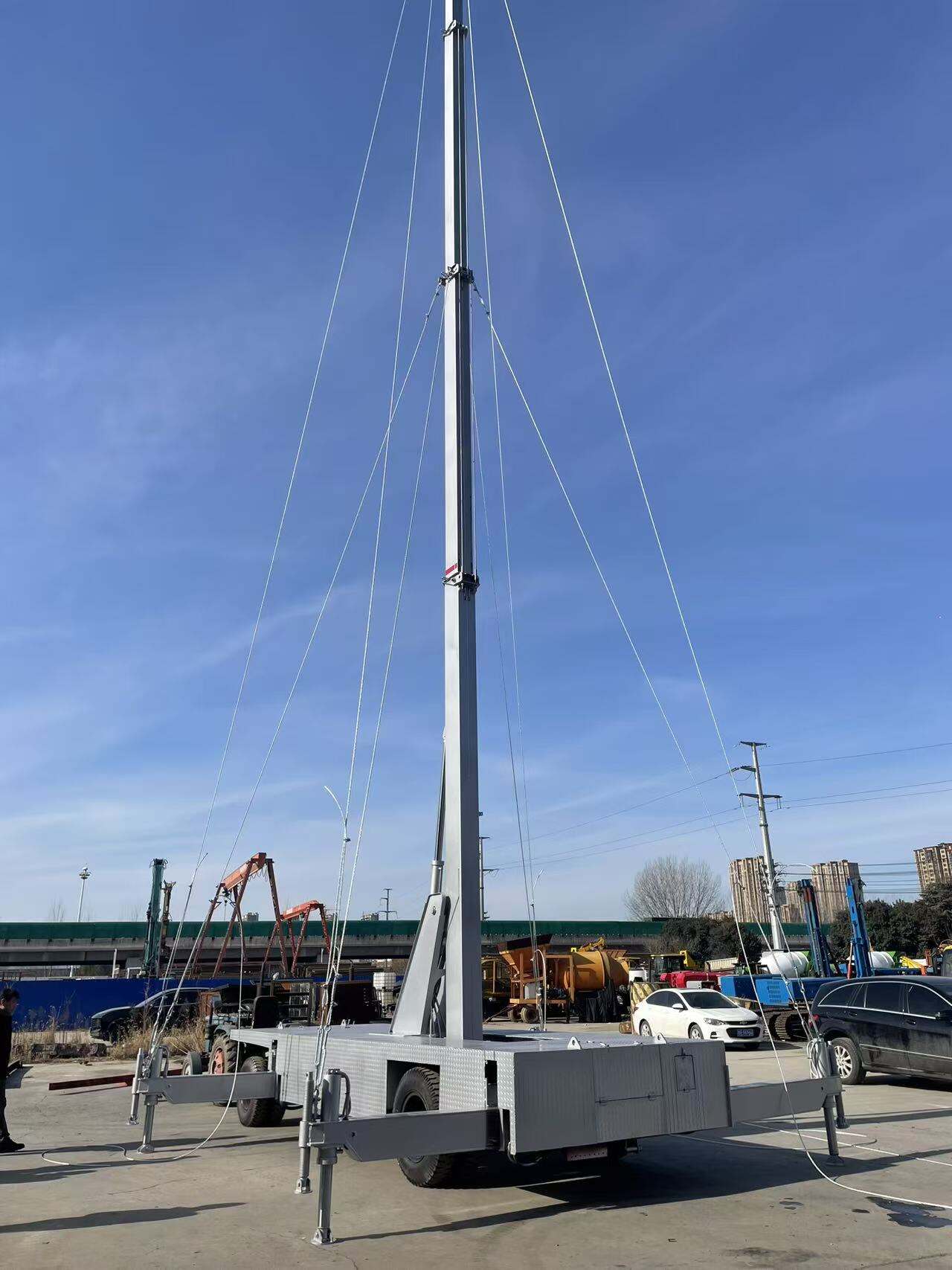
Turnkey telecommunication tower projects represent complex infrastructure investments that demand seamless coordination across engineering, procurement, construction, and commissioning phases. When organizations undertake these projects without partnering with experienced suppliers, they often encounter cost overruns, schedule delays, quality inconsistencies, and long-term operational challenges that compromise return on investment. The decision to engage a knowledgeable supplier who understands the full lifecycle of tower deployment directly influences project success, safety compliance, and network performance outcomes in competitive telecommunications markets.
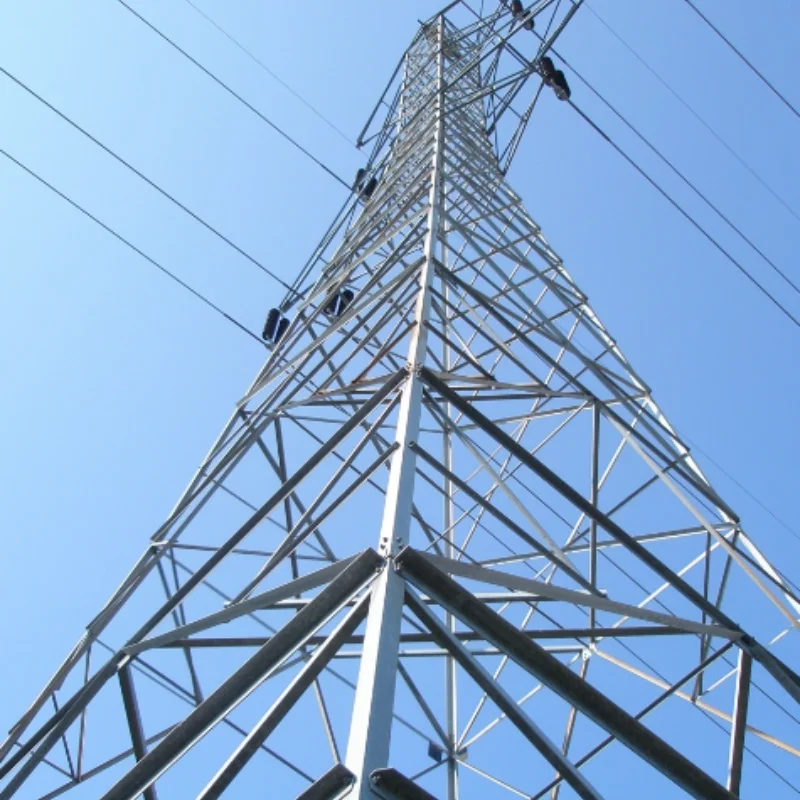
The telecommunications infrastructure sector has evolved dramatically over the past decade, with network operators and tower companies requiring integrated solutions that minimize project execution risks while accelerating time-to-market for new coverage areas. An experienced supplier brings not only manufacturing capabilities but also design expertise, regulatory knowledge, logistical proficiency, and post-installation support that collectively determine whether turnkey telecommunication tower projects deliver intended business value. Understanding why this partnership matters requires examining the multifaceted challenges inherent in tower deployment and how supplier experience directly mitigates operational, financial, and technical risks throughout the project lifecycle.
Engineering Excellence and Design Optimization in Turnkey Solutions
Structural Engineering Tailored to Site-Specific Conditions
Experienced suppliers conducting turnkey telecommunication tower projects possess deep engineering capabilities that enable them to design structures specifically adapted to local environmental conditions, soil characteristics, wind load requirements, and seismic activity profiles. Rather than offering standardized tower models that may prove inadequate or over-engineered for particular sites, knowledgeable partners perform comprehensive site assessments and apply advanced structural analysis tools to optimize tower configurations. This expertise prevents structural failures, reduces material waste, and ensures compliance with international standards such as TIA-222 and local building codes that vary significantly across jurisdictions.
The engineering phase of turnkey telecommunication tower projects directly impacts long-term operational costs and maintenance requirements. Suppliers with extensive project histories understand how foundation design interacts with tower height, antenna loading, and ground conditions to influence stability and longevity. They can specify appropriate foundation types—whether spread footings, drilled shafts, or pile foundations—based on geotechnical data rather than generic assumptions. This precision prevents costly remediation work, foundation failures, and tower instability that frequently plague projects executed by inexperienced contractors who lack historical performance data from similar installations.
Load Calculation Accuracy for Multi-Tenant Configurations
Modern telecommunications infrastructure increasingly serves multiple operators sharing tower capacity, creating complex loading scenarios that require sophisticated analysis. Experienced suppliers managing turnkey telecommunication tower projects accurately calculate combined loads from multiple antenna arrays, microwave dishes, cabling systems, and ancillary equipment while accounting for future capacity expansion. This forward-looking approach prevents premature structural limitations that force expensive reinforcement projects or restrict revenue-generating co-location opportunities. Suppliers lacking this expertise often underestimate load factors, leading to structural modifications that disrupt network operations and generate unexpected capital expenditures.
The structural integrity of towers supporting multiple operators depends on precise load distribution analysis and proper attachment point design. Veteran suppliers understand how ice loading, wind-induced vibrations, and dynamic loading from rotating equipment affect structural performance over decades of service. They incorporate design margins that accommodate equipment upgrades and technology migrations without requiring structural modifications. This proactive engineering approach distinguishes turnkey telecommunication tower projects executed by experienced partners from those delivered by suppliers focused solely on initial construction costs without considering lifecycle performance requirements that telecommunications operators demand.
Material Selection and Quality Assurance Protocols
Material quality directly determines tower lifespan, maintenance frequency, and resistance to environmental degradation in turnkey telecommunication tower projects. Experienced suppliers maintain rigorous material sourcing standards, selecting steel grades, galvanizing processes, and fastener specifications that meet or exceed industry requirements for corrosion resistance and structural performance. They implement quality control procedures throughout manufacturing, including dimensional inspections, weld quality verification, and galvanizing thickness measurements that prevent premature corrosion and structural deterioration. This attention to material integrity protects telecommunications operators from unexpected replacement costs and network downtime associated with tower failures.
The hot-dip galvanizing process used in quality tower manufacturing requires specific expertise that inexperienced suppliers often lack. Proper galvanizing ensures uniform zinc coating thickness, adequate drainage hole placement, and post-galvanizing inspection protocols that identify coating defects before tower installation. Seasoned partners conducting turnkey telecommunication tower projects understand how galvanizing parameters interact with steel composition, section thickness, and operational environment to determine coating longevity. They specify appropriate coating systems for coastal, industrial, or rural environments where corrosion mechanisms differ substantially. This material science knowledge prevents the accelerated corrosion that shortens tower lifespan and generates recurring maintenance expenses for operators who selected suppliers based solely on initial price considerations.
Regulatory Navigation and Permitting Efficiency
Local Authority Coordination and Compliance Documentation
Regulatory compliance represents a critical success factor in turnkey telecommunication tower projects, with experienced suppliers providing invaluable expertise navigating local zoning requirements, environmental assessments, aviation clearances, and community consultation processes. These partners maintain established relationships with regulatory authorities and understand documentation requirements that vary across municipalities and countries. They prepare comprehensive permit application packages including structural calculations, environmental impact assessments, visual impact studies, and public safety documentation that accelerate approval timelines. This regulatory fluency reduces project delays and helps telecommunications operators avoid the costly permitting failures that frequently derail projects managed by inexperienced contractors unfamiliar with local requirements.
The permitting process for telecommunication towers involves multiple government agencies with overlapping jurisdictions and sometimes conflicting requirements. Veteran suppliers conducting turnkey telecommunication tower projects anticipate regulatory challenges and proactively address potential objections through strategic site selection, design modifications, and stakeholder engagement strategies. They understand how tower height restrictions, setback requirements, and aesthetic considerations influence approval probability. This expertise enables them to propose alternative solutions when initial designs encounter resistance, maintaining project momentum rather than allowing regulatory obstacles to cause indefinite delays that impact network deployment schedules and competitive positioning.
Aviation Safety and RF Emission Compliance
Telecommunication towers must comply with aviation safety regulations including obstacle lighting, marking requirements, and airspace penetration limits that vary based on tower location and height. Experienced suppliers managing turnkey telecommunication tower projects understand civil aviation authority requirements across different jurisdictions and incorporate compliant lighting systems, painting schemes, and notification procedures into project plans. They coordinate with aviation authorities during the design phase to identify potential conflicts and obtain necessary approvals before construction begins. This proactive approach prevents costly modifications and operational restrictions that arise when towers fail to meet aviation safety standards discovered late in the project lifecycle.
Radio frequency emission compliance represents another critical regulatory dimension in turnkey telecommunication tower projects, with experienced suppliers understanding how antenna configurations, transmission power levels, and site characteristics affect RF exposure calculations. They work with telecommunications operators to design installations that maintain safe RF levels in publicly accessible areas while optimizing network performance. These partners prepare RF emission studies, implement appropriate exclusion zones, and install required signage that demonstrates regulatory compliance. This expertise protects operators from liability concerns and community opposition that frequently emerges when tower projects proceed without adequate RF safety documentation and community communication efforts.
Environmental Impact Assessment and Mitigation
Environmental regulations increasingly influence tower siting and construction methodologies in turnkey telecommunication tower projects, with experienced suppliers providing essential expertise in environmental impact assessment, habitat protection, and construction best practices that minimize ecological disruption. These partners understand when detailed environmental studies become necessary, what wildlife surveys regulatory authorities require, and how seasonal restrictions affect construction schedules. They implement erosion control measures, vegetation protection protocols, and waste management procedures that demonstrate environmental responsibility while maintaining project efficiency. This environmental competence helps telecommunications operators avoid project suspensions, fines, and reputational damage associated with environmental violations that result from inadequate planning and oversight.
Sustainable construction practices in turnkey telecommunication tower projects extend beyond regulatory compliance to encompass resource efficiency, waste minimization, and ecosystem preservation that reflect corporate social responsibility commitments. Experienced suppliers incorporate environmentally conscious approaches including fuel-efficient equipment, recycled materials where appropriate, and site restoration procedures that return construction areas to natural conditions. They understand how environmental stewardship enhances community relations and facilitates future permitting processes in the same regions. This long-term perspective distinguishes suppliers who view environmental considerations as integral project components from those treating them as obstacles to be minimized, with profound implications for project success and operator reputation in communities where towers operate.
Construction Management and Execution Excellence
Site Logistics and Resource Coordination
The construction phase of turnkey telecommunication tower projects demands sophisticated logistics management that experienced suppliers execute with precision gained from numerous similar installations. These partners coordinate material deliveries, equipment mobilization, workforce scheduling, and subcontractor management to maintain project momentum despite weather disruptions, supply chain variations, and site access challenges. They understand how foundation curing times, tower section assembly sequences, and antenna installation workflows interact to determine critical path activities. This construction management expertise prevents the schedule delays and cost overruns that plague projects managed by suppliers lacking comprehensive field experience and systematic project control methodologies.
Remote and challenging site conditions frequently characterize turnkey telecommunication tower projects, with experienced suppliers demonstrating proven capabilities managing installations in mountainous terrain, urban congested areas, and locations with limited infrastructure access. They select appropriate construction equipment, develop site-specific safety protocols, and implement contingency plans addressing foreseeable challenges. These partners maintain relationships with specialized subcontractors including foundation specialists, crane operators, and tower erection crews whose expertise proves essential for safe, efficient construction. This network of reliable resources enables experienced suppliers to execute projects in diverse conditions while maintaining quality standards and safety performance that protect both workers and project timelines.
Quality Control During Installation
Construction quality directly determines tower performance, safety, and longevity in turnkey telecommunication tower projects, with experienced suppliers implementing rigorous inspection protocols throughout the installation process. These partners verify foundation dimensions and reinforcement placement before concrete pouring, inspect anchor bolt positioning and torque specifications, and confirm tower section alignment during erection. They document construction activities through photographs, inspection reports, and as-built drawings that provide operators with comprehensive project records. This quality assurance discipline prevents the installation defects that generate structural problems, operational failures, and safety hazards discovered months or years after project completion when remediation becomes exponentially more expensive and disruptive.
The tower erection process requires specialized expertise that experienced suppliers bring to turnkey telecommunication tower projects, including proper lifting techniques, connection integrity verification, and plumbness control that ensure structural performance matches design specifications. These partners understand how environmental conditions including wind speed and temperature affect safe erection practices. They implement hold points requiring engineering inspection before proceeding with subsequent construction phases, preventing the cascading errors that occur when problems go undetected until late in the installation process. This systematic quality control approach reflects the discipline and accountability that distinguish professional suppliers from contractors treating tower installation as routine construction work without appreciating the specialized knowledge required.
Safety Management and Risk Mitigation
Construction safety represents a paramount concern in turnkey telecommunication tower projects, with experienced suppliers maintaining comprehensive safety programs that protect workers, the public, and project continuity. These partners implement fall protection systems, rescue procedures, electrical safety protocols, and heavy equipment operation standards that comply with occupational safety regulations and industry best practices. They conduct pre-construction safety meetings, daily toolbox talks, and regular safety audits that maintain hazard awareness throughout project execution. This safety-focused culture prevents the accidents that cause worker injuries, project delays, legal liability, and reputational damage affecting telecommunications operators associated with poorly managed construction sites.
Risk management in turnkey telecommunication tower projects extends beyond worker safety to encompass equipment protection, adjacent property security, and public safety measures that experienced suppliers integrate into construction planning and execution. These partners implement traffic control procedures, install protective barriers, and coordinate with emergency services ensuring rapid response capability during construction activities. They maintain adequate insurance coverage and demonstrate financial stability that protects telecommunications operators from contractor default risks and associated project abandonment scenarios. This comprehensive risk management approach provides operators with confidence that projects will complete successfully without generating unexpected liabilities or exposing organizations to operational, financial, or reputational hazards that inadequately prepared suppliers cannot effectively manage.
Technical Integration and System Commissioning
Multi-System Coordination and Testing
Turnkey telecommunication tower projects require seamless integration of structural, electrical, grounding, and RF systems that experienced suppliers coordinate through comprehensive commissioning processes. These partners verify proper grounding system installation, test electrical power distribution, confirm tower lighting operation, and validate antenna positioning accuracy before declaring projects complete. They coordinate with telecommunications equipment vendors ensuring compatibility between tower infrastructure and network equipment. This systems integration expertise prevents the interoperability problems, performance deficiencies, and safety hazards that emerge when construction contractors complete structural work without understanding how towers function as integrated telecommunications facilities requiring precise technical specifications.
The commissioning phase of turnkey telecommunication tower projects validates that installed infrastructure meets design specifications and operational requirements through systematic testing protocols. Experienced suppliers conduct structural inspections verifying bolt torque values, connection integrity, and tower plumbness within acceptable tolerances. They test grounding system resistance, verify lightning protection continuity, and confirm proper operation of aviation obstruction lighting and monitoring systems. This thorough commissioning process provides telecommunications operators with documented evidence that towers meet contractual requirements and industry standards, enabling confident network activation without concerns about hidden deficiencies that manifest as operational problems after project handover.
Documentation and Knowledge Transfer
Comprehensive project documentation represents a critical deliverable in turnkey telecommunication tower projects, with experienced suppliers providing detailed as-built drawings, structural calculations, material certifications, inspection reports, and maintenance manuals that support ongoing tower operations. These partners create permanent records documenting foundation details, tower configuration, antenna loading, and equipment locations essential for future modifications and maintenance activities. They transfer knowledge to operator maintenance teams regarding proper inspection procedures, climbing safety protocols, and equipment access methods. This documentation and training investment enables telecommunications operators to manage towers effectively throughout their operational lifespan rather than depending perpetually on external resources for basic maintenance and modification activities.
The transition from construction completion to operational status in turnkey telecommunication tower projects requires organized handover processes that experienced suppliers execute systematically. These partners conduct final walkthrough inspections with operator representatives, address punch list items promptly, and provide warranty documentation clearly defining coverage and claim procedures. They establish maintenance support agreements, spare parts availability, and emergency response capabilities ensuring operators receive ongoing assistance when needed. This professional project closeout process reflects the customer service orientation and long-term relationship perspective that experienced suppliers bring to turnkey telecommunication tower projects, contrasting sharply with transactional contractors who disappear after final payment without providing the ongoing support telecommunications operators require.
Performance Validation and Acceptance Testing
Network performance validation represents the ultimate success measure for turnkey telecommunication tower projects, with experienced suppliers understanding that structural completion alone does not guarantee satisfactory outcomes. These partners coordinate with operators during initial network activation, troubleshoot RF performance issues, and make minor adjustments optimizing antenna positioning and orientation for maximum coverage and capacity. They understand how tower construction quality affects antenna performance, cable routing influences signal loss, and grounding system design impacts equipment reliability. This holistic perspective enables experienced suppliers to deliver towers that function as intended for telecommunications applications rather than merely meeting structural specifications without consideration for operational performance requirements.
The acceptance testing phase in turnkey telecommunication tower projects provides operators with objective evidence that installed infrastructure meets contractual specifications and performance expectations. Experienced suppliers facilitate these tests, provide necessary documentation, and address deficiencies identified during acceptance procedures. They maintain flexible attitudes toward reasonable operator requests while protecting project scope and budget constraints through clear change management processes. This collaborative approach during project closeout builds positive relationships that lead to repeat business opportunities and favorable references, motivating experienced suppliers to exceed basic contractual requirements and deliver exceptional results that strengthen their market reputation and competitive positioning in the telecommunications infrastructure sector.
Long-Term Partnership Value and Lifecycle Support
Maintenance Support and Technical Assistance
The relationship between telecommunications operators and suppliers extends far beyond initial construction in turnkey telecommunication tower projects, with experienced partners providing ongoing maintenance support, technical assistance, and modification services throughout tower operational life. These suppliers understand how towers age, what components require periodic inspection, and when preventive maintenance becomes necessary to avoid costly failures. They offer inspection services, corrosion remediation, structural reinforcement, and capacity upgrade solutions that help operators maximize infrastructure investment returns. This lifecycle support capability represents significant value that inexperienced suppliers cannot provide, leaving operators dependent on finding new contractors unfamiliar with specific tower designs and installation histories.
Technical assistance from experienced suppliers conducting turnkey telecommunication tower projects proves invaluable when operators plan network expansions, technology upgrades, or co-location agreements requiring structural analysis and modification design. These partners quickly assess tower capacity, propose appropriate reinforcement strategies, and execute modifications efficiently because they possess detailed knowledge of original construction. They maintain records of tower configurations, loading calculations, and structural characteristics that facilitate rapid decision-making and accurate cost estimation. This institutional knowledge eliminates the time-consuming information gathering, reverse engineering, and conservative assumptions that characterize projects where original suppliers are unavailable or unresponsive, accelerating modification projects and reducing associated costs substantially.
Technology Evolution and Infrastructure Adaptation
The telecommunications industry evolves rapidly, with new technologies requiring infrastructure adaptations that experienced suppliers help operators implement effectively in turnkey telecommunication tower projects. These partners understand how 5G equipment, massive MIMO antennas, and small cell deployments affect tower loading, power requirements, and space allocation. They proactively advise operators about infrastructure implications of emerging technologies, enabling strategic planning rather than reactive modifications when technology transitions occur. This forward-looking perspective helps telecommunications operators maintain competitive network capabilities without being constrained by infrastructure limitations resulting from short-sighted initial construction decisions made by suppliers lacking industry knowledge and technology awareness.
Infrastructure standardization across tower portfolios delivers significant operational efficiency benefits in turnkey telecommunication tower projects, with experienced suppliers helping operators develop consistent design standards, equipment specifications, and construction practices. These partners understand how standardization simplifies maintenance, reduces spare parts inventory requirements, and facilitates workforce training across multiple sites. They balance standardization benefits against site-specific requirements, recommending appropriate design variations when local conditions warrant customization. This strategic approach to infrastructure development reflects the consulting value experienced suppliers provide beyond basic construction services, helping telecommunications operators optimize total cost of ownership and operational efficiency across entire tower portfolios rather than treating each project as an isolated transaction.
Business Continuity and Supplier Reliability
Supplier financial stability and organizational continuity represent critical considerations in turnkey telecommunication tower projects, with experienced partners demonstrating proven business longevity, financial strength, and succession planning that protect operator interests over decades of tower operation. These suppliers maintain adequate insurance coverage, bonding capacity, and warranty reserves that provide operators with recourse if defects emerge or performance guarantees require enforcement. They invest in workforce development, engineering capabilities, and quality management systems that ensure consistent performance across multiple projects and geographic regions. This organizational maturity and business stability distinguish established suppliers from undercapitalized contractors who may deliver individual projects successfully but lack the staying power to support long-term operator requirements.
The telecommunications infrastructure sector requires suppliers who understand industry dynamics, regulatory trends, and technology evolution affecting turnkey telecommunication tower projects over time. Experienced partners participate in industry associations, maintain engineering certifications, and invest in continuous improvement programs that keep their capabilities aligned with evolving market requirements. They develop strategic relationships with material suppliers, equipment manufacturers, and specialized subcontractors that enhance their service delivery capabilities. This industry engagement and continuous improvement commitment ensures experienced suppliers remain valuable partners as telecommunications markets evolve, providing operators with reliable resources supporting infrastructure requirements throughout the extended lifecycles characterizing tower investments in competitive global telecommunications markets.
FAQ
What specific qualifications should operators verify when selecting suppliers for turnkey telecommunication tower projects?
Telecommunications operators should verify supplier engineering credentials including licensed professional engineers with telecommunications infrastructure specialization, quality management system certifications such as ISO 9001, safety management certifications like OHSAS 18001 or ISO 45001, and demonstrated financial stability through bank references or financial statements. Operators should request project portfolios showing similar tower types, heights, and site conditions, along with client references from previous turnkey telecommunication tower projects. Verification of insurance coverage including general liability, professional liability, and workers compensation policies with adequate limits protects operators from liability exposure. Reviewing supplier quality control procedures, inspection protocols, and documentation standards ensures alignment with operator requirements and industry best practices for professional infrastructure development.
How do experienced suppliers manage cost control without compromising quality in turnkey telecommunication tower projects?
Experienced suppliers achieve cost efficiency in turnkey telecommunication tower projects through design optimization that eliminates unnecessary material while meeting structural requirements, established supply chain relationships providing competitive material pricing, and construction efficiency gained from proven installation methodologies and experienced crews. They implement value engineering during design phases, identifying cost reduction opportunities that maintain performance while reducing expenses. Experienced suppliers avoid the costly mistakes, rework, and schedule delays that inflate project costs when inexperienced contractors encounter unexpected challenges. They provide accurate cost estimates based on comprehensive project understanding, minimizing change orders and budget surprises. Quality and cost control coexist through systematic project management, rigorous planning, and execution discipline that experienced suppliers develop through extensive project histories in telecommunications infrastructure development.
What role does supplier experience play in managing schedule risks for turnkey telecommunication tower projects?
Supplier experience critically influences schedule performance in turnkey telecommunication tower projects through realistic timeline development based on historical productivity data, proactive identification of potential delays during planning phases, and effective mitigation strategies addressing weather impacts, permit processing times, and material delivery lead times. Experienced suppliers maintain resource flexibility including backup subcontractors and equipment alternatives that prevent single-point schedule vulnerabilities. They implement systematic project monitoring identifying variances early when corrective actions remain effective and inexpensive. Their regulatory expertise accelerates permit approvals, while established supply chains reduce material procurement delays. Experience also enables accurate critical path identification, focusing management attention on activities truly affecting project completion rather than being distracted by non-critical tasks, resulting in reliable schedule performance that supports operator network deployment objectives and competitive market timing requirements.
How do partnerships with experienced suppliers reduce total cost of ownership beyond initial construction expenses in turnkey telecommunication tower projects?
Experienced supplier partnerships reduce total ownership costs in turnkey telecommunication tower projects through superior initial construction quality that minimizes maintenance requirements, proper material selection and corrosion protection extending tower lifespan and reducing replacement needs, and accurate structural design that accommodates future equipment additions without expensive reinforcement projects. These suppliers provide comprehensive documentation supporting efficient maintenance and modifications throughout operational life, while ongoing technical support reduces operator costs for structural analysis and modification engineering. Their infrastructure standardization recommendations simplify maintenance across tower portfolios, reducing spare parts inventory and training requirements. Experienced suppliers understand lifecycle cost implications of design decisions, recommending investments in quality materials and construction practices that deliver long-term savings despite potentially higher initial costs, ultimately optimizing total cost of ownership for telecommunications operators managing infrastructure as strategic assets over multi-decade operational horizons.
Table of Contents
- Engineering Excellence and Design Optimization in Turnkey Solutions
- Regulatory Navigation and Permitting Efficiency
- Construction Management and Execution Excellence
- Technical Integration and System Commissioning
- Long-Term Partnership Value and Lifecycle Support
-
FAQ
- What specific qualifications should operators verify when selecting suppliers for turnkey telecommunication tower projects?
- How do experienced suppliers manage cost control without compromising quality in turnkey telecommunication tower projects?
- What role does supplier experience play in managing schedule risks for turnkey telecommunication tower projects?
- How do partnerships with experienced suppliers reduce total cost of ownership beyond initial construction expenses in turnkey telecommunication tower projects?