 EN
EN


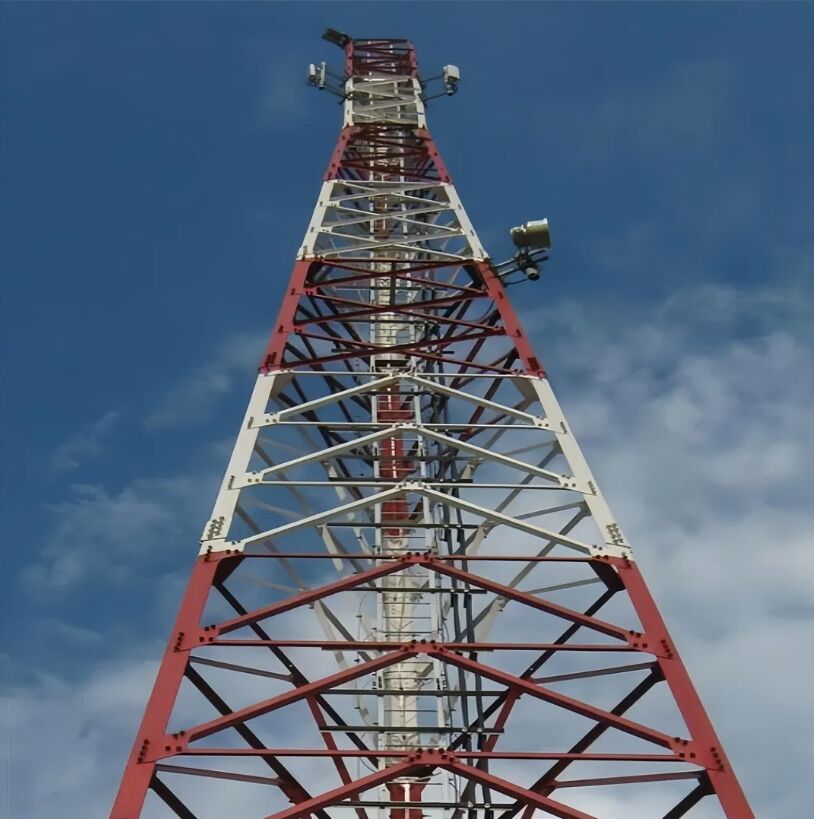
The lattice tower design represents one of the most structurally efficient solutions for tall, heavy-duty applications across telecommunications, broadcasting, and industrial sectors. Unlike solid or monopole structures, the lattice tower design employs a triangular or square framework of interconnected steel members that distribute loads through geometric optimization rather than material mass. This fundamental approach to structural engineering creates a tower system capable of supporting substantial equipment loads at significant heights while maintaining exceptional stability against wind forces and dynamic loading conditions.
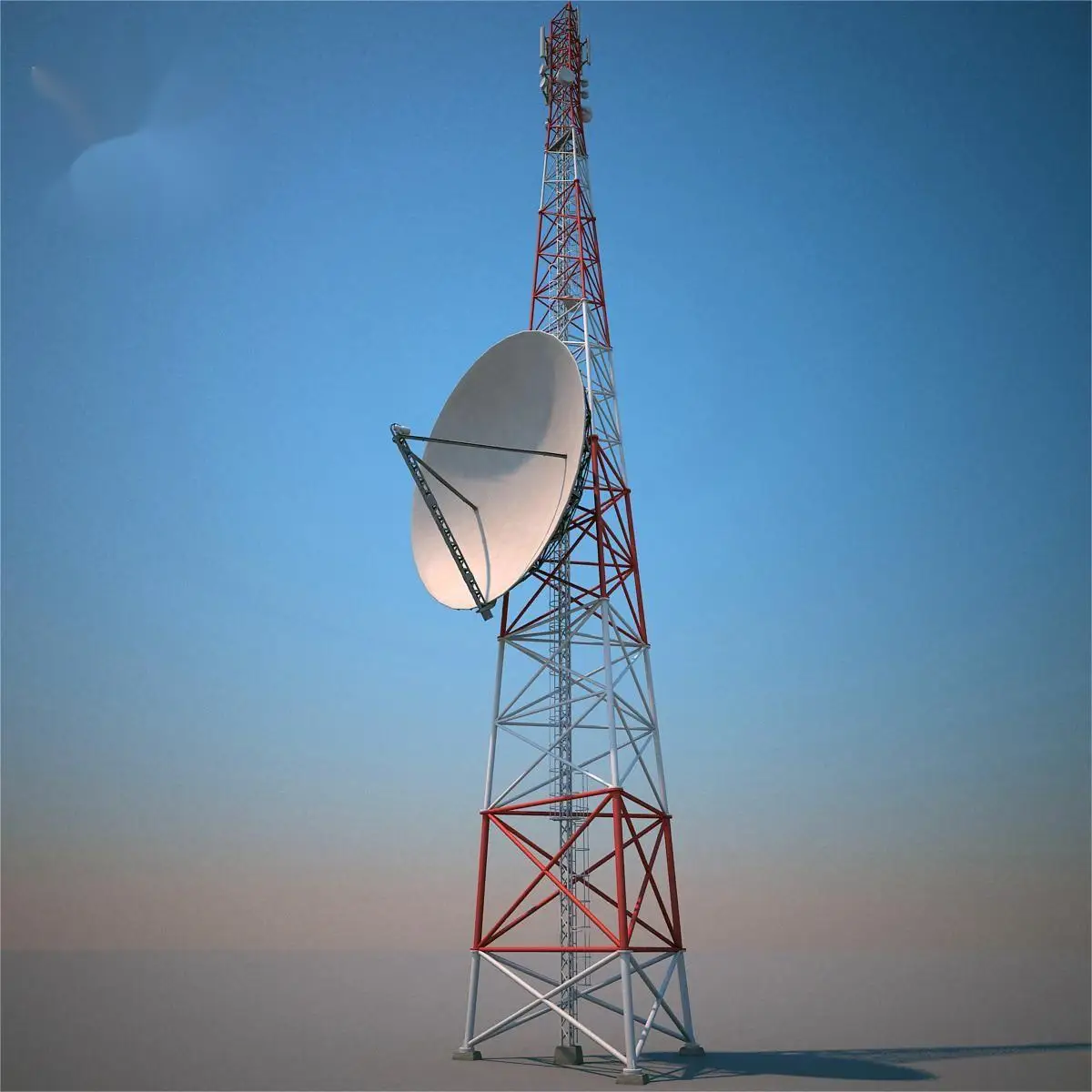
The structural advantages of lattice tower design become particularly pronounced in applications requiring towers exceeding 30 meters in height with substantial payload requirements. The geometric configuration inherent in lattice tower design allows for optimal load distribution through truss action, where each member contributes to overall structural integrity while minimizing material usage. This engineering principle makes the lattice tower design the preferred choice for telecommunications infrastructure, broadcast transmission facilities, and industrial monitoring systems where both height and load-bearing capacity are critical performance factors.
Load Distribution Mechanisms in Lattice Tower Design
Triangular Truss Action and Force Transfer
The fundamental strength of lattice tower design lies in its ability to utilize triangular truss geometry for superior load distribution. Each triangular section within the lattice tower design creates an inherently stable geometric configuration that cannot deform under load without member failure. This triangular truss action ensures that vertical loads, lateral wind forces, and torsional moments are efficiently transferred through the tower structure to the foundation system. The interconnected nature of the lattice tower design means that load paths are redundant, providing multiple routes for force transfer even if individual members experience stress concentrations.
The lattice tower design incorporates both tension and compression members working in unison to handle various loading scenarios. Diagonal bracing elements primarily handle tension forces, while vertical and horizontal members manage compression loads and provide geometric stability. This division of structural responsibility allows the lattice tower design to achieve remarkable load-carrying efficiency with minimal material weight. The truss action inherent in lattice tower design also provides excellent resistance to buckling phenomena that can compromise solid-section towers under similar loading conditions.
Multi-Directional Stability Enhancement
Lattice tower design excels in providing multi-directional stability through its three-dimensional framework configuration. The geometric arrangement of structural members in lattice tower design creates equal resistance to loading from any horizontal direction, eliminating weak axes that might exist in other tower configurations. This omnidirectional stability makes lattice tower design particularly suitable for locations subject to variable wind patterns or seismic activity where loading direction cannot be precisely predicted.
The stepped taper typical of lattice tower design further enhances stability by concentrating structural material where bending moments are highest while reducing material usage in upper sections where moments decrease. This tapered configuration in lattice tower design creates an optimal strength-to-weight ratio that becomes increasingly advantageous as tower height increases. The distributed mass characteristic of lattice tower design also reduces dynamic amplification effects that can occur in more concentrated structural systems under wind or seismic excitation.
Wind Resistance Characteristics of Lattice Tower Design
Aerodynamic Efficiency Through Open Framework
The open framework configuration of lattice tower design provides exceptional aerodynamic efficiency compared to solid or closed structural systems. Wind forces acting on lattice tower design are significantly reduced due to the high porosity of the structure, which allows wind to pass through rather than creating large pressure differentials across solid surfaces. This aerodynamic advantage of lattice tower design becomes increasingly important as tower height increases and wind exposure intensifies.
The lattice tower design achieves wind load reduction through multiple mechanisms including wake interference between structural members, reduced effective wind area, and elimination of significant vortex shedding phenomena. Individual members within the lattice tower design create turbulent wakes that reduce effective wind pressure on downstream elements, resulting in overall wind loading that is substantially less than the sum of loads on individual members. This aerodynamic interaction within lattice tower design provides significant structural advantages for tall applications where wind loading often governs design requirements.
Dynamic Response and Fatigue Resistance
The distributed mass and stiffness characteristics of lattice tower design result in favorable dynamic response characteristics under fluctuating wind loads. The multiple natural frequencies associated with lattice tower design typically avoid resonance with common wind excitation frequencies, reducing dynamic amplification effects. The redundant load paths within lattice tower design also provide excellent fatigue resistance by distributing stress concentrations across multiple structural elements rather than concentrating them in critical sections.
Lattice tower design demonstrates superior performance under turbulent wind conditions due to its ability to shed and redistribute dynamic loads through the interconnected framework. The flexibility inherent in lattice tower design allows the structure to accommodate wind-induced deflections without generating excessive stresses, while the geometric stability prevents excessive movement that might compromise equipment operation or structural integrity.
Material Efficiency and Construction Advantages
Optimized Strength-to-Weight Performance
The lattice tower design achieves exceptional strength-to-weight performance through strategic placement of structural material only where required for load resistance. Unlike solid towers that must carry their own substantial weight, the lightweight nature of lattice tower design means that self-weight comprises a relatively small portion of total loading. This efficiency advantage of lattice tower design becomes more pronounced as tower height increases, where self-weight can dominate loading in heavier structural systems.
The modular nature of lattice tower design allows for precise optimization of member sizes and configurations based on specific loading requirements at each tower level. Upper sections of lattice tower design can utilize smaller, lighter members where loads are reduced, while lower sections incorporate heavier members only where higher loads require additional capacity. This graduated approach in lattice tower design minimizes material usage while maintaining structural adequacy throughout the tower height.
Assembly and Transportation Benefits
Lattice tower design offers significant advantages during construction and transportation phases due to its modular, lightweight configuration. Individual sections of lattice tower design can be prefabricated off-site under controlled conditions, ensuring consistent quality and reducing on-site construction time. The modular approach inherent in lattice tower design also facilitates transportation to remote locations where access limitations might prohibit delivery of larger, heavier structural elements.
The assembly sequence for lattice tower design typically involves standardized connection details and repetitive construction procedures that reduce installation complexity and potential for construction errors. The lightweight members used in lattice tower design can often be handled with smaller, more mobile construction equipment compared to the heavy-duty machinery required for solid tower systems. This accessibility advantage makes lattice tower design particularly suitable for projects in remote locations or areas with limited infrastructure support.
Structural Redundancy and Safety Factors
Multiple Load Path Configuration
One of the most significant structural advantages of lattice tower design is the inherent redundancy created by multiple interconnected load paths throughout the framework. Unlike towers that rely on single critical elements for load transfer, lattice tower design distributes structural responsibility across numerous members, creating backup load paths that maintain structural integrity even if individual components experience failure. This redundancy characteristic of lattice tower design provides exceptional safety margins for critical infrastructure applications.
The redundant configuration within lattice tower design means that partial damage or member failure does not necessarily result in catastrophic structural collapse. Alternative load paths within the lattice tower design can redistribute forces around damaged areas, allowing the structure to maintain functionality while repairs are conducted. This damage tolerance makes lattice tower design particularly valuable for applications where service interruption must be minimized or where extreme loading events might cause localized damage.
Progressive Loading and Failure Prevention
The lattice tower design exhibits excellent progressive loading characteristics that provide warning of potential structural distress before catastrophic failure occurs. Individual members within lattice tower design typically reach yield conditions gradually and in predictable sequences, allowing for detection and remediation of problems before they compromise overall structural stability. This progressive behavior contrasts with sudden failure modes that can occur in less redundant structural systems.
The distributed stress patterns characteristic of lattice tower design also reduce the likelihood of fatigue-related failures by preventing stress concentrations in critical areas. The multiple connection points within lattice tower design ensure that dynamic loads are shared across numerous structural interfaces rather than concentrated at a few highly stressed locations. This stress distribution advantage makes lattice tower design particularly suitable for applications subject to variable loading conditions over extended service periods.
Applications and Performance Optimization
Telecommunications Infrastructure Requirements
Telecommunications applications represent one of the most demanding environments for lattice tower design due to the combination of height requirements, equipment loading, and service reliability expectations. The lattice tower design provides optimal support for multiple antenna systems, transmission equipment, and auxiliary systems while maintaining the structural stability required for precise antenna alignment. The modular nature of lattice tower design allows for future equipment additions or modifications without requiring complete tower reconstruction.
The excellent vibration damping characteristics of lattice tower design ensure that telecommunications equipment remains stable under wind loading and dynamic conditions. This stability advantage of lattice tower design is critical for maintaining signal quality and preventing equipment damage due to excessive movement or vibration. The open framework configuration also facilitates equipment installation and maintenance access while providing natural ventilation for heat-sensitive electronic components.
Broadcast and Industrial Applications
Broadcasting applications benefit significantly from the height capabilities and load distribution advantages of lattice tower design. The ability to support large antenna arrays at substantial elevations makes lattice tower design the preferred choice for television, radio, and wireless communication transmission facilities. The structural efficiency of lattice tower design allows for economical construction of towers exceeding 100 meters in height where broadcast coverage requirements demand maximum elevation.
Industrial monitoring and control applications utilize lattice tower design for supporting surveillance equipment, meteorological instruments, and communication systems in harsh environmental conditions. The robust nature of lattice tower design provides reliable performance under extreme weather conditions while the modular construction facilitates maintenance and equipment upgrades. The corrosion resistance achieved through galvanized steel construction in lattice tower design ensures long-term performance with minimal maintenance requirements in industrial environments.
FAQ
What makes lattice tower design more efficient than solid tower structures for tall applications?
Lattice tower design achieves superior efficiency through geometric optimization rather than material mass, utilizing triangular truss action to distribute loads through an interconnected framework. This approach reduces material weight by up to 60% compared to solid towers while providing equal or superior load-carrying capacity. The open framework configuration also significantly reduces wind loading, making lattice tower design more economical for tall applications where wind forces typically govern structural requirements.
How does the redundancy in lattice tower design contribute to structural safety?
The multiple interconnected load paths within lattice tower design create structural redundancy that prevents catastrophic failure even if individual members are damaged or overloaded. This redundant configuration allows alternative routes for force transfer, maintaining structural integrity while damaged components are repaired. The progressive loading characteristics of lattice tower design also provide advance warning of structural distress, allowing preventive maintenance before critical conditions develop.
What are the primary wind resistance advantages of lattice tower design?
Lattice tower design provides exceptional wind resistance through its high porosity framework that allows wind to pass through rather than creating large pressure differentials. The aerodynamic efficiency reduces effective wind loading by 40-50% compared to solid structures, while the distributed mass characteristics minimize dynamic amplification effects. The open configuration also eliminates significant vortex shedding phenomena that can cause fatigue problems in solid tower designs.
Why is lattice tower design preferred for heavy-duty telecommunications applications?
Lattice tower design excels in telecommunications applications due to its combination of height capability, load distribution efficiency, and structural stability required for precise antenna alignment. The modular framework accommodates multiple equipment installations while maintaining the low vibration characteristics essential for signal quality. The strength-to-weight optimization of lattice tower design also allows economical construction of tall towers required for extended coverage areas while supporting substantial equipment loads.
Table of Contents
- Load Distribution Mechanisms in Lattice Tower Design
- Wind Resistance Characteristics of Lattice Tower Design
- Material Efficiency and Construction Advantages
- Structural Redundancy and Safety Factors
- Applications and Performance Optimization
-
FAQ
- What makes lattice tower design more efficient than solid tower structures for tall applications?
- How does the redundancy in lattice tower design contribute to structural safety?
- What are the primary wind resistance advantages of lattice tower design?
- Why is lattice tower design preferred for heavy-duty telecommunications applications?