 EN
EN


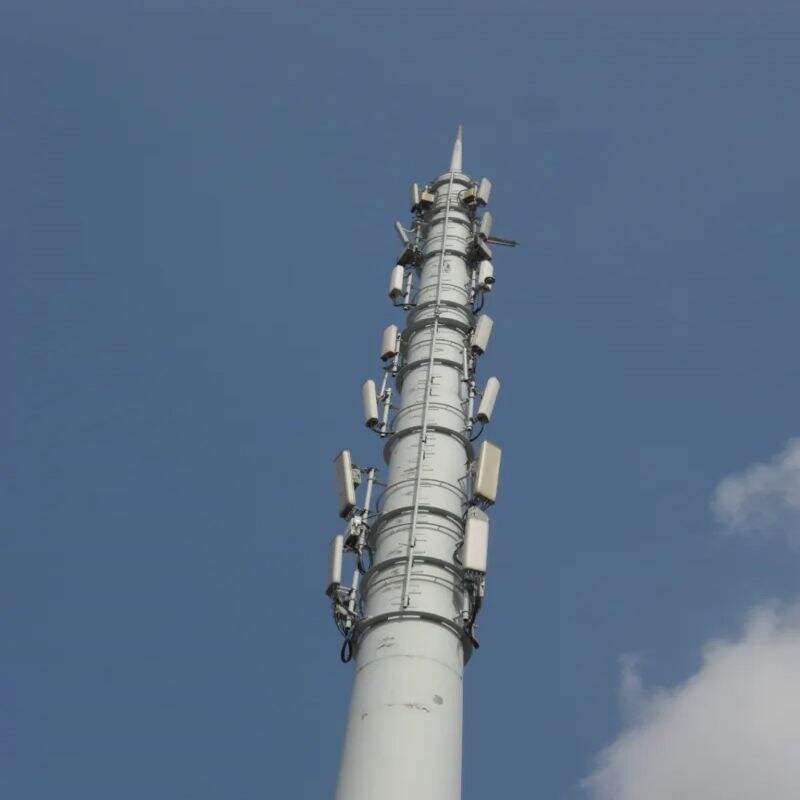
Coastal cell towers face unique environmental challenges that demand specialized maintenance practices to combat the relentless assault of salt-laden air, high humidity, and aggressive corrosive conditions. The combination of marine exposure and critical telecommunications infrastructure creates a maintenance scenario where proactive strategies can mean the difference between decades of reliable service and costly premature failures that disrupt communication networks.

Understanding how salt spray, moisture penetration, and electrochemical reactions specifically target cell tower components is essential for developing effective maintenance protocols. Coastal environments accelerate corrosion rates by up to ten times compared to inland locations, making standard maintenance schedules inadequate for preserving structural integrity and operational reliability in these demanding conditions.
Environmental Factors Driving Coastal Corrosion
Salt Spray Impact on Tower Materials
Salt spray represents the primary corrosive agent affecting coastal cell towers, with chloride ions penetrating protective coatings and initiating electrochemical reactions that rapidly degrade steel components. The spray travels inland for several kilometers, creating corrosive conditions even for towers not directly adjacent to the shoreline. Cell tower maintenance coastal corrosion protocols must account for varying salt concentration levels based on distance from water and prevailing wind patterns.
The microscopic salt particles become embedded in surface irregularities and coating defects, creating localized corrosion cells that expand over time. These particles attract moisture from the atmosphere, maintaining constant electrolytic conditions that sustain corrosion reactions even during periods of lower humidity. Professional maintenance teams recognize that salt contamination requires specialized cleaning techniques that go beyond standard washing procedures.
Humidity and Temperature Cycling Effects
Coastal regions typically maintain higher humidity levels throughout the year, providing the moisture necessary for sustained corrosion activity on cell tower structures. The combination of high humidity and temperature fluctuations creates expansion and contraction cycles that stress protective coatings, leading to micro-cracks that allow corrosive agents to reach base metal surfaces.
Daily temperature variations in coastal areas often include dew formation and evaporation cycles that concentrate salt deposits and increase their corrosive potential. Cell tower maintenance coastal corrosion strategies must address these thermal cycling effects through coating systems designed to maintain flexibility and adhesion under repeated stress conditions.
Wind-Driven Moisture Penetration
Coastal winds carry moisture and salt particles into tower joints, connection points, and internal spaces that would remain dry in inland locations. This wind-driven penetration bypasses many standard protective measures and requires specialized sealing approaches to prevent internal corrosion of critical structural elements.
The combination of wind pressure and moisture creates unique challenges for antenna mounting hardware, cable entry points, and equipment enclosures. Maintenance protocols must include regular inspection and resealing of these vulnerable areas to prevent moisture accumulation that leads to hidden corrosion damage.
Protective Coating Systems and Application
Galvanized Steel Protection Enhancement
Hot-dip galvanizing provides the foundation for coastal cell tower corrosion protection, but standard galvanized coatings require enhancement for marine environments. The zinc coating thickness must typically exceed standard specifications, and additional protective measures become necessary to extend service life under aggressive coastal conditions.
Duplex coating systems that combine galvanizing with organic topcoats offer superior protection for coastal installations. These systems provide barrier protection from the organic coating while maintaining the galvanic protection of the zinc layer beneath. Cell tower maintenance coastal corrosion programs must include regular inspection of topcoat integrity and timely repair of any damage before underlying galvanizing becomes compromised.
Specialized Marine-Grade Coatings
Marine-grade protective coatings specifically formulated for coastal exposure incorporate enhanced resin systems and corrosion inhibitors designed to resist salt spray penetration. These coatings typically feature increased film thickness and specialized surface preparation requirements that exceed standard industrial coating specifications.
The selection of appropriate coating systems depends on specific exposure conditions, with towers experiencing direct salt spray requiring different protection levels than those located several kilometers inland. Professional application techniques, including proper surface preparation and environmental controls during application, become critical factors in achieving design service life expectations.
Coating Inspection and Maintenance Schedules
Regular coating inspection intervals must be compressed for coastal installations, with monthly visual inspections and annual detailed assessments becoming standard practice. These inspections focus on identifying coating degradation, adhesion loss, and areas where salt accumulation may be concentrating corrosive activity.
Maintenance schedules for cell tower maintenance coastal corrosion must include immediate repair of coating damage to prevent accelerated deterioration of underlying protection systems. The cost of prompt coating repair typically represents a fraction of major structural remediation required when corrosion damage becomes extensive.
Structural Component Maintenance Protocols
Foundation and Anchor System Protection
Foundation systems in coastal environments require specialized protection against chloride penetration and reinforcement corrosion. Concrete foundation components must incorporate corrosion-resistant reinforcement and enhanced concrete mix designs that resist chloride penetration from groundwater and surface exposure.
Anchor bolt systems face particular challenges from salt water intrusion and must incorporate stainless steel or other corrosion-resistant materials in direct coastal exposure applications. Regular inspection of anchor bolt condition and torque specifications becomes critical for maintaining structural integrity under corrosive conditions combined with dynamic wind loading.
Joint and Connection Point Management
Bolted connections throughout coastal cell towers require enhanced protection against crevice corrosion and galvanic incompatibility issues. Specialized sealants and gaskets designed for marine exposure become necessary to prevent moisture intrusion into connection interfaces where traditional protection methods prove inadequate.
Cell tower maintenance coastal corrosion protocols must include regular torque verification and connection inspection, as corrosion products can alter joint preload and compromise structural performance. The use of corrosion-resistant fasteners and anti-seize compounds becomes essential for maintaining serviceability of connections throughout the design life.
Cable and Equipment Integration
Cable entry points and equipment mounting systems create particular vulnerabilities in coastal installations where standard sealing methods may prove inadequate. Enhanced weatherproofing systems and corrosion-resistant cable support hardware become necessary to prevent moisture intrusion and subsequent corrosion damage.
Regular inspection and maintenance of cable systems includes verification of drainage provisions and replacement of sealing components that may degrade under constant salt exposure. The integration of equipment cooling and environmental control systems must account for the corrosive atmosphere to prevent premature failure of electronic components.
Preventive Maintenance Scheduling and Procedures
Inspection Frequency and Documentation
Coastal cell tower inspection schedules must be intensified compared to inland installations, with quarterly comprehensive inspections supplemented by monthly condition monitoring of critical components. These inspections require specialized training to identify early signs of coastal corrosion and differentiate between acceptable surface conditions and developing problems requiring immediate attention.
Documentation systems for cell tower maintenance coastal corrosion must track environmental exposure history, coating condition trends, and maintenance intervention effectiveness. This historical data enables predictive maintenance scheduling and helps optimize resource allocation for maximum protection effectiveness.
Cleaning and Salt Removal Procedures
Regular cleaning procedures for coastal cell towers must address salt accumulation removal without damaging protective coating systems. Fresh water washing at appropriate intervals helps reduce salt concentration on tower surfaces, but cleaning frequency and techniques must be optimized based on local exposure conditions and coating system compatibility.
Professional cleaning services experienced with coastal corrosion challenges understand the importance of complete rinsing and proper timing of cleaning operations. The cleaning schedule coordination with inspection activities maximizes the effectiveness of both maintenance activities while minimizing access costs.
Emergency Response and Repair Protocols
Coastal installations require rapid response capabilities for addressing storm damage and accelerated corrosion events that can compromise tower integrity. Emergency repair procedures must include temporary protection methods and permanent restoration techniques suitable for marine environment applications.
Cell tower maintenance coastal corrosion emergency protocols include pre-positioned repair materials and contractor arrangements that enable immediate response to prevent minor damage from developing into major structural problems. The cost of emergency response typically represents significant savings compared to major reconstruction requirements.
FAQ
How often should coastal cell towers be inspected for corrosion?
Coastal cell towers require monthly visual inspections and quarterly comprehensive evaluations, significantly more frequent than inland installations. The aggressive corrosive environment demands close monitoring to catch developing problems before they compromise structural integrity or require extensive repairs.
What type of protective coating works best for coastal cell towers?
Duplex coating systems combining hot-dip galvanizing with marine-grade organic topcoats provide superior protection for coastal installations. These systems offer both barrier protection and galvanic protection, with enhanced thickness and specialized formulations designed to resist salt spray penetration.
Can regular washing help prevent corrosion on coastal cell towers?
Regular fresh water washing effectively removes salt accumulation and significantly reduces corrosion rates on coastal cell towers. However, washing frequency and techniques must be carefully managed to avoid damaging protective coatings while ensuring complete salt removal from all exposed surfaces.
What are the signs that a coastal cell tower needs immediate maintenance?
Warning signs include visible rust staining, coating blistering or peeling, salt crystal accumulation, loose connections, and any structural deformation. These indicators suggest that cell tower maintenance coastal corrosion processes are progressing beyond acceptable levels and require prompt professional intervention.