Long Distance Transmission Line Systems: Advanced High-Voltage Power Solutions for Reliable Energy Distribution

Get a Free Quote

Our representative will contact you soon.
Email
Name
Company Name
Message
0/1000

long distance transmission line

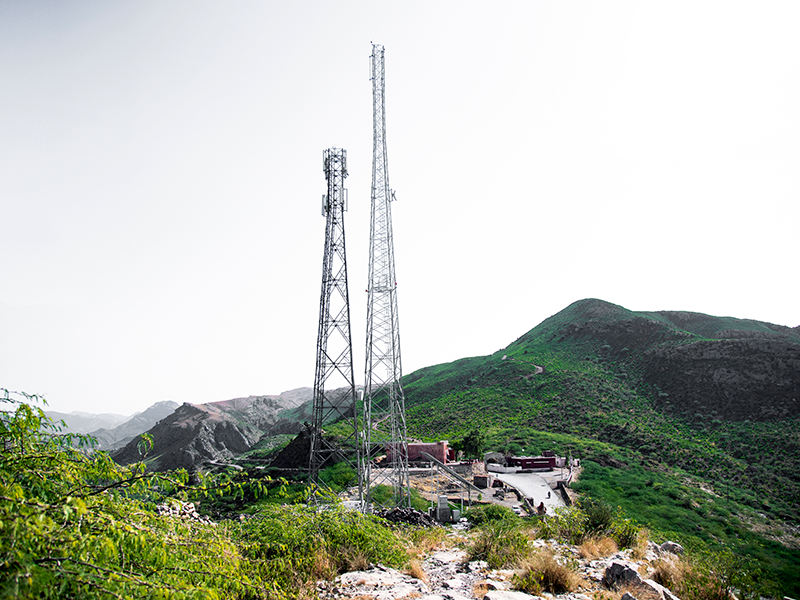
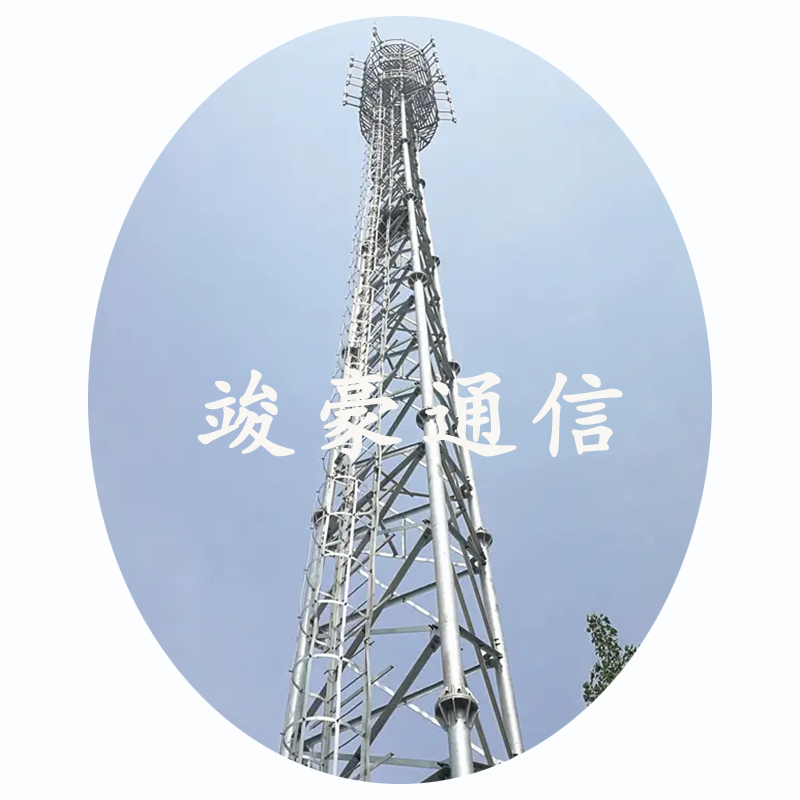
A long distance transmission line represents a critical infrastructure component designed to transport electrical energy efficiently across vast geographical distances, typically spanning hundreds or thousands of miles. These specialized power systems operate at extremely high voltages, usually ranging from 115 kilovolts to 765 kilovolts or higher, enabling utilities to deliver electricity from generation facilities to distribution networks with minimal energy losses. The primary function of long distance transmission line infrastructure involves connecting power plants, substations, and regional electrical grids to ensure reliable energy supply across extensive territories. Modern long distance transmission line systems utilize advanced conductor materials, including aluminum conductor steel reinforced cables and high-temperature low-sag conductors, which maximize current-carrying capacity while maintaining structural integrity under various weather conditions. These transmission networks incorporate sophisticated monitoring technologies, such as supervisory control and data acquisition systems, enabling real-time performance tracking and fault detection capabilities. The technological architecture of long distance transmission line installations includes tower structures, insulators, conductors, and protective equipment designed to withstand environmental stresses while maintaining optimal electrical performance. Geographic routing of long distance transmission line projects requires careful consideration of terrain features, environmental impact assessments, and regulatory compliance to ensure sustainable development practices. Integration with smart grid technologies enhances the operational efficiency of long distance transmission line networks, facilitating bidirectional power flow management and improved load balancing across interconnected systems. These transmission corridors serve as the backbone of national electrical infrastructure, supporting economic development through reliable energy distribution and enabling the integration of renewable energy sources located in remote areas with high-demand urban centers.

New Product Releases

Long distance transmission line systems deliver exceptional cost-effectiveness by reducing per-unit electricity transportation expenses compared to alternative energy delivery methods. These networks enable utilities to leverage economies of scale, transporting massive amounts of electrical power simultaneously while minimizing infrastructure investment per megawatt delivered. The enhanced reliability of long distance transmission line installations provides customers with consistent electricity supply, reducing the frequency and duration of power outages that can disrupt business operations and daily activities. Modern long distance transmission line technology incorporates redundant pathways and automated switching capabilities, ensuring continuous power flow even when individual components require maintenance or experience unexpected failures. Environmental benefits emerge through the efficient design of long distance transmission line corridors, which minimize land use requirements per unit of energy transmitted compared to distributed generation alternatives. These systems support renewable energy integration by connecting wind farms and solar installations in optimal locations with population centers that demand clean electricity, accelerating the transition toward sustainable energy sources. The scalability advantage of long distance transmission line infrastructure allows utilities to accommodate growing electricity demand without proportional increases in transmission costs, making energy more affordable for consumers over time. Enhanced grid stability results from the interconnected nature of long distance transmission line networks, enabling utilities to balance supply and demand across broader geographic regions and reduce the risk of cascading failures. Economic development benefits flow from long distance transmission line projects, which create construction jobs, support manufacturing industries, and attract businesses that require reliable electricity supply for their operations. The flexibility of long distance transmission line systems enables utilities to optimize generation resources, utilizing the most efficient power plants available across the network and reducing overall electricity production costs. Technical advantages include improved voltage regulation and power quality, ensuring that sensitive electronic equipment receives stable electricity supply essential for modern digital infrastructure and industrial processes.

Tips And Tricks

The Urban Chameleons: Tree-Like Towers

13

Oct

The Urban Chameleons: Tree-Like Towers

View More
Analysis of the Applicability of Angle Steel Towers and Tubular Towers in Different Terrain Conditio

13

Oct

Analysis of the Applicability of Angle Steel Towers and Tubular Towers in Different Terrain Conditio

View More
Comprehensive Guide to Communication Tower Design and Procurement

27

Oct

Comprehensive Guide to Communication Tower Design and Procurement

View More
Hebei Junhao: A Shining Star in the Communication Tower Field

27

Oct

Hebei Junhao: A Shining Star in the Communication Tower Field

View More

Get a Free Quote

Our representative will contact you soon.
Email
Name
Company Name
Message
0/1000

long distance transmission line

Advanced High-Voltage Engineering Excellence

Advanced High-Voltage Engineering Excellence

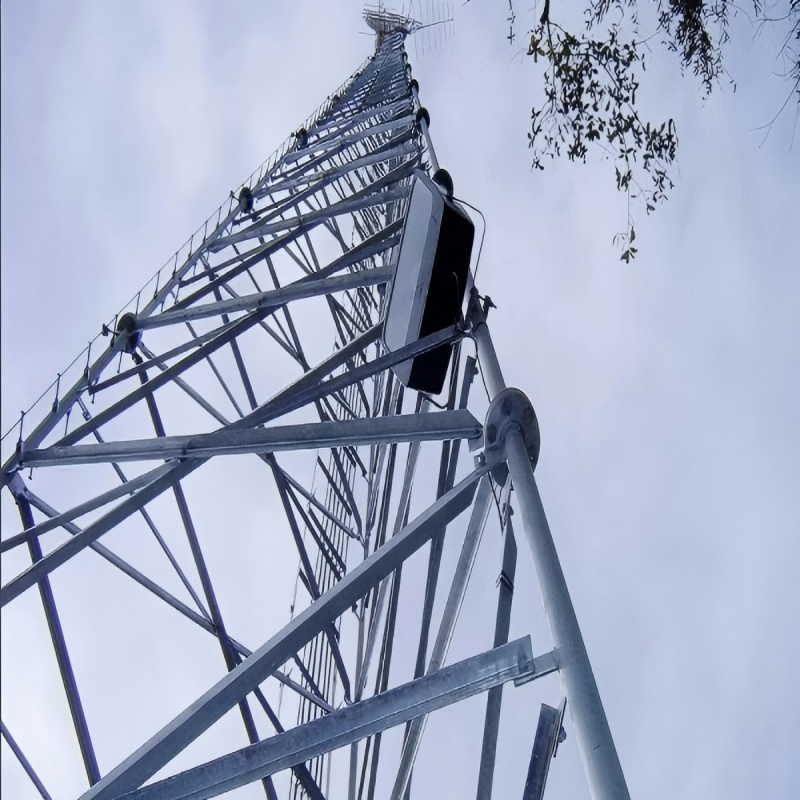
Long distance transmission line systems showcase cutting-edge high-voltage engineering that revolutionizes electrical power delivery across continental distances. These sophisticated networks operate at voltage levels exceeding 345 kilovolts, with some installations reaching 800 kilovolts or higher, enabling unprecedented efficiency in electrical energy transportation. The engineering excellence behind long distance transmission line design incorporates advanced materials science, utilizing specially manufactured conductors that combine aluminum strands with steel reinforcement cores to achieve optimal strength-to-weight ratios while maximizing electrical conductivity. Insulation systems within long distance transmission line installations employ ceramic and composite materials engineered to withstand extreme weather conditions, including lightning strikes, ice accumulation, and high winds, ensuring uninterrupted power transmission regardless of environmental challenges. Tower design represents another pinnacle of engineering achievement, with structures calculated to support massive conductor loads across spans exceeding 1,500 feet while maintaining precise geometric alignment essential for optimal electrical performance. The corona effect mitigation technologies integrated into long distance transmission line systems minimize energy losses and radio frequency interference through carefully designed conductor bundling configurations and surface treatments. Advanced protective relay systems continuously monitor electrical parameters within long distance transmission line networks, automatically isolating faulted sections within milliseconds to prevent damage propagation and maintain system stability. Ground wire configurations provide lightning protection while serving as communication pathways for fiber optic cables that enable real-time monitoring and control capabilities. The thermal management aspects of long distance transmission line engineering account for conductor expansion and contraction across temperature variations, ensuring structural integrity and electrical clearance maintenance throughout seasonal changes. These engineering innovations collectively enable long distance transmission line systems to achieve transmission efficiencies exceeding 95 percent, dramatically reducing energy waste during transportation and contributing to more sustainable electrical infrastructure development.
Unmatched Reliability and System Redundancy

Unmatched Reliability and System Redundancy

Long distance transmission line networks provide unparalleled reliability through sophisticated redundancy mechanisms that ensure continuous electricity supply even during component failures or maintenance activities. The inherent design philosophy of long distance transmission line systems incorporates multiple parallel pathways, enabling automatic load redistribution when individual circuits become unavailable, thereby maintaining power delivery to critical facilities and residential areas without interruption. Advanced monitoring systems embedded within long distance transmission line infrastructure utilize digital sensors and communication networks to provide real-time visibility into system performance, detecting potential issues before they develop into service-affecting problems. Predictive maintenance capabilities enhance the reliability of long distance transmission line operations by analyzing historical performance data and environmental conditions to schedule proactive component replacement and system upgrades. The mesh topology characteristic of interconnected long distance transmission line networks creates multiple routing options for electrical power, eliminating single points of failure that could otherwise cause widespread outages affecting millions of customers. Emergency response protocols integrated into long distance transmission line control systems enable rapid isolation of damaged sections while maintaining service to unaffected areas, minimizing the scope and duration of any service interruptions. Weather hardening measures incorporated into long distance transmission line design include ice-resistant conductor configurations, wind-resistant tower structures, and flood-resistant substation equipment that maintain operation during severe weather events. The reliability advantages extend to voltage stability, with long distance transmission line systems incorporating reactive power compensation equipment that maintains proper voltage levels across the network, ensuring optimal performance of customer equipment and appliances. Cybersecurity measures protect long distance transmission line control systems from digital threats, incorporating advanced encryption, multi-factor authentication, and network segmentation to maintain operational integrity. Backup power systems at critical long distance transmission line facilities ensure continued operation of monitoring and control equipment during local power outages, preserving system visibility and control capabilities essential for maintaining network reliability.
Economic Efficiency and Cost Optimization Benefits

Economic Efficiency and Cost Optimization Benefits

Long distance transmission line systems deliver exceptional economic efficiency by optimizing electricity transportation costs across vast geographical areas while enabling utilities to leverage the most cost-effective generation resources available within interconnected networks. The economies of scale inherent in long distance transmission line operations significantly reduce per-unit electricity delivery costs compared to localized generation and distribution alternatives, making electrical energy more affordable for residential, commercial, and industrial customers. Investment optimization occurs through the shared utilization of long distance transmission line infrastructure by multiple utilities and energy market participants, spreading construction and maintenance costs across broader customer bases while maximizing asset utilization rates. Market access benefits enable generators to reach distant customers through long distance transmission line networks, increasing competition among electricity suppliers and driving down wholesale energy prices that ultimately benefit end-use consumers. The capacity utilization advantages of long distance transmission line systems allow utilities to optimize generation dispatch across wider geographic areas, utilizing the most efficient and lowest-cost power plants available while maintaining system reliability and minimizing overall electricity production expenses. Reduced reserve requirements result from the statistical diversity of electrical demand across large service territories connected by long distance transmission line networks, enabling utilities to maintain adequate capacity margins with smaller total generation fleets. Energy arbitrage opportunities emerge through long distance transmission line connections between regions with different electricity pricing patterns, allowing utilities to purchase power during low-demand periods and sell during peak-demand intervals, generating additional revenue streams that offset transmission costs. The economic development catalyst effect of long distance transmission line projects extends beyond direct electricity cost savings, attracting energy-intensive industries and data centers that require reliable, competitively-priced electrical power for their operations. Construction spending associated with long distance transmission line development stimulates local economies through job creation, equipment procurement, and materials purchasing, generating multiplier effects that benefit entire regions. Long-term cost stability results from the durable design of long distance transmission line infrastructure, with properly maintained systems providing decades of reliable service while spreading initial capital investments across extended operational periods.

Get a Free Quote

Our representative will contact you soon.
Email
Name
Company Name
Message
0/1000