power grid transmission line
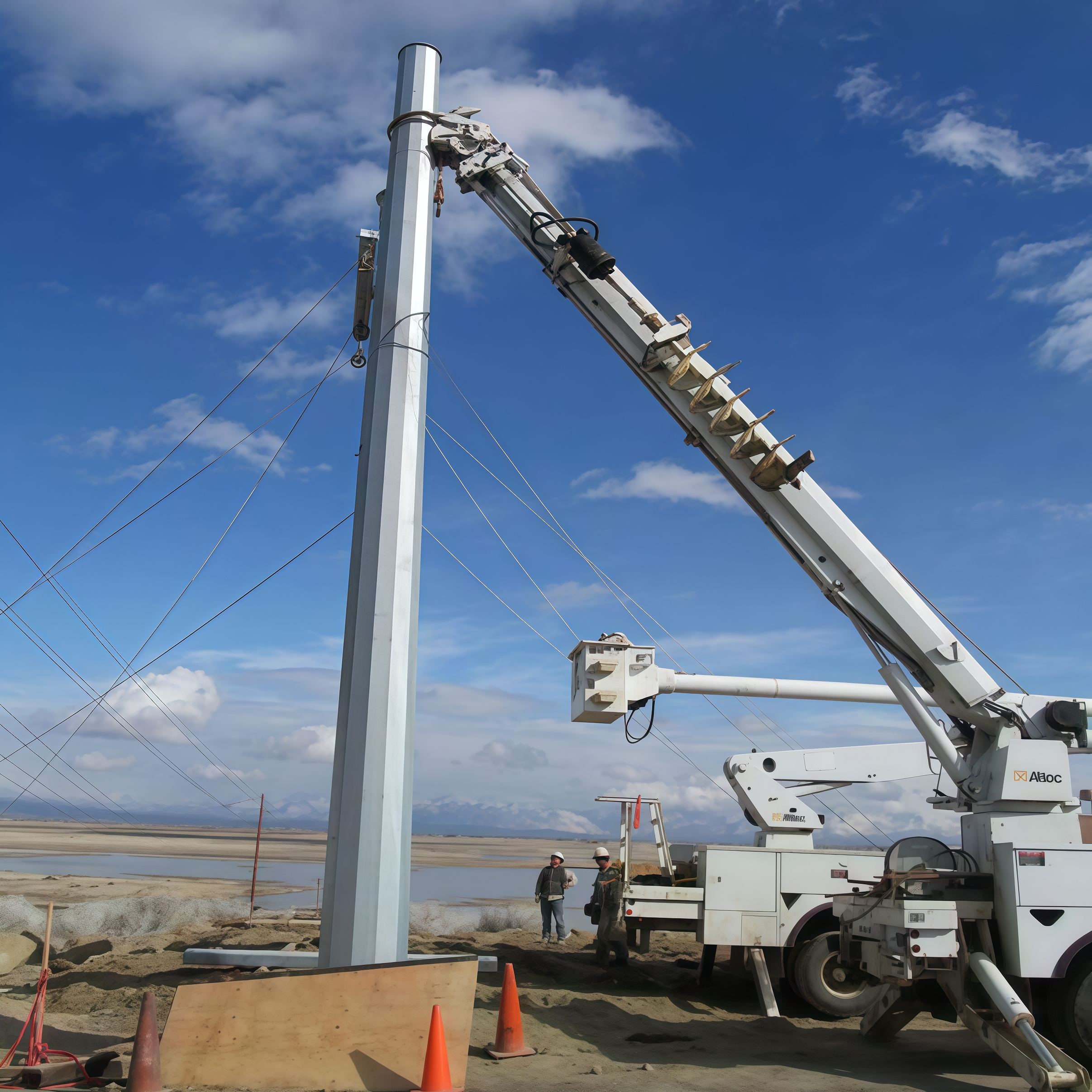
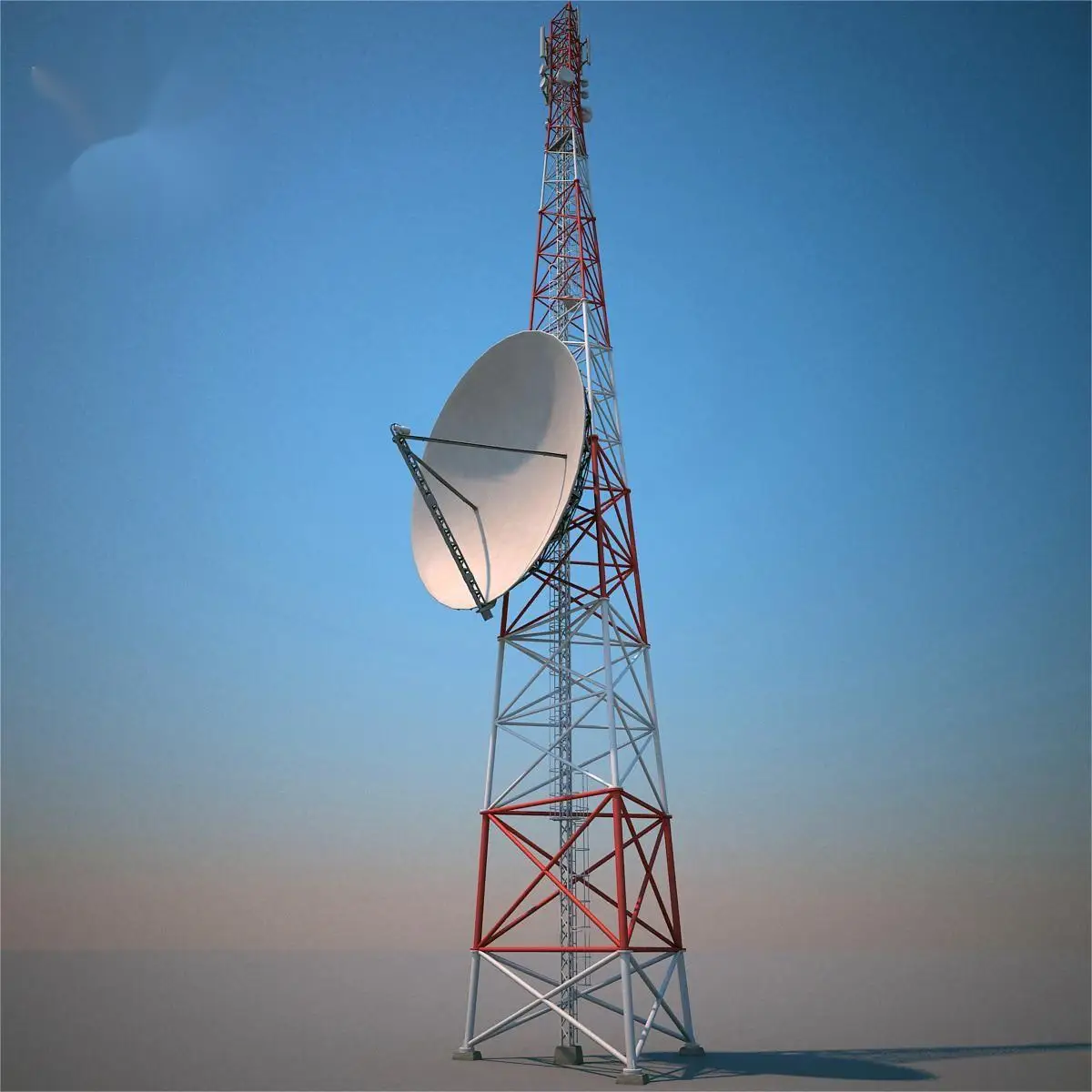
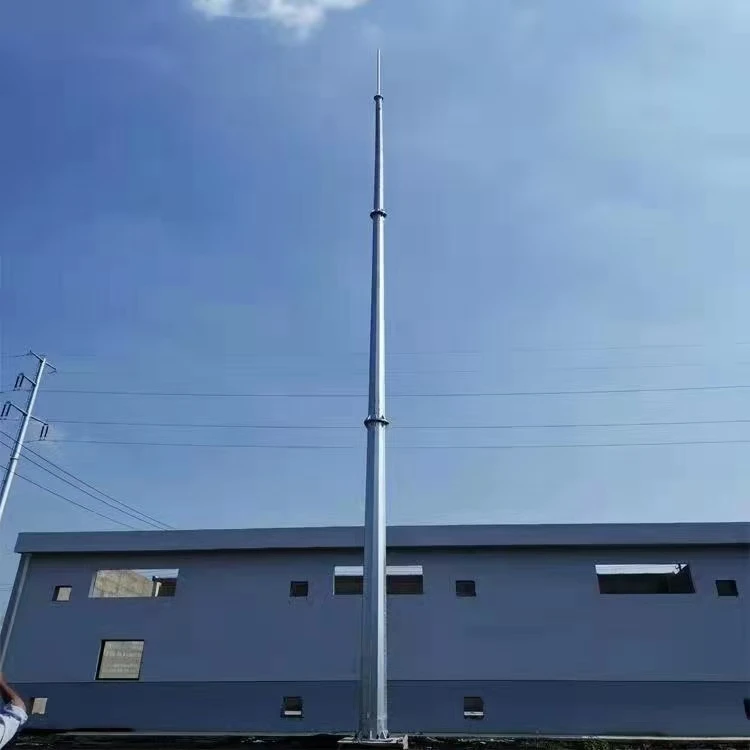
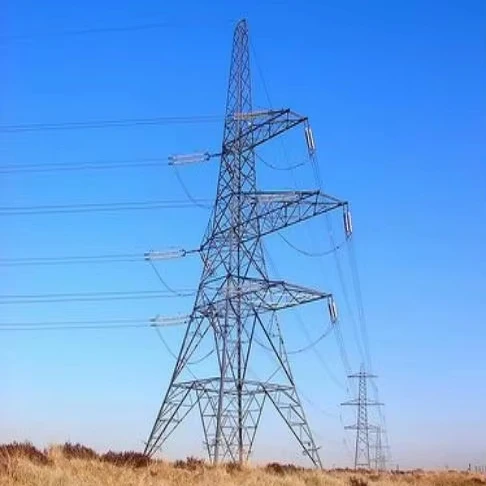
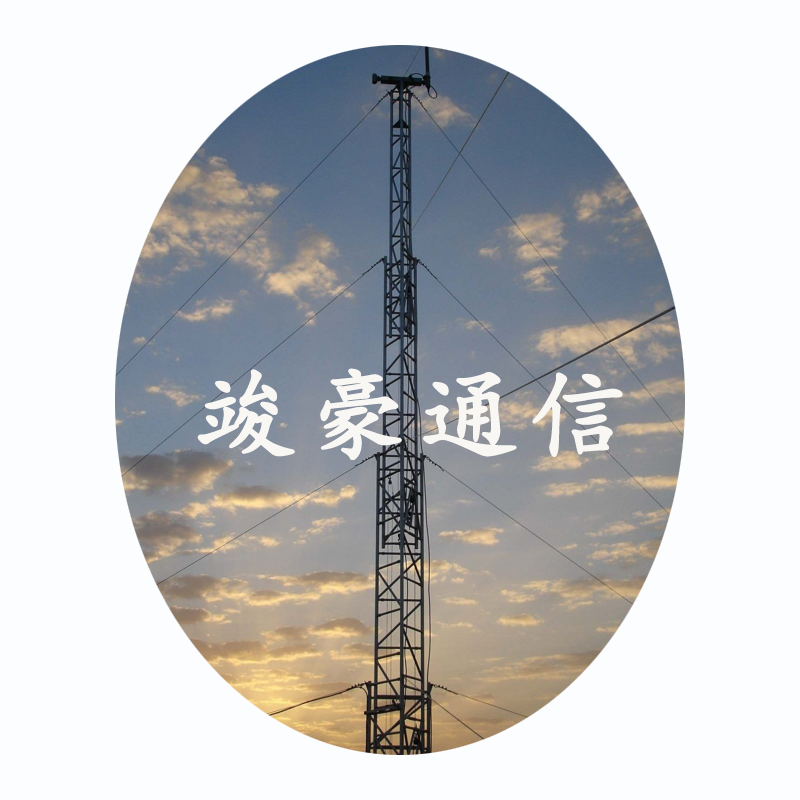
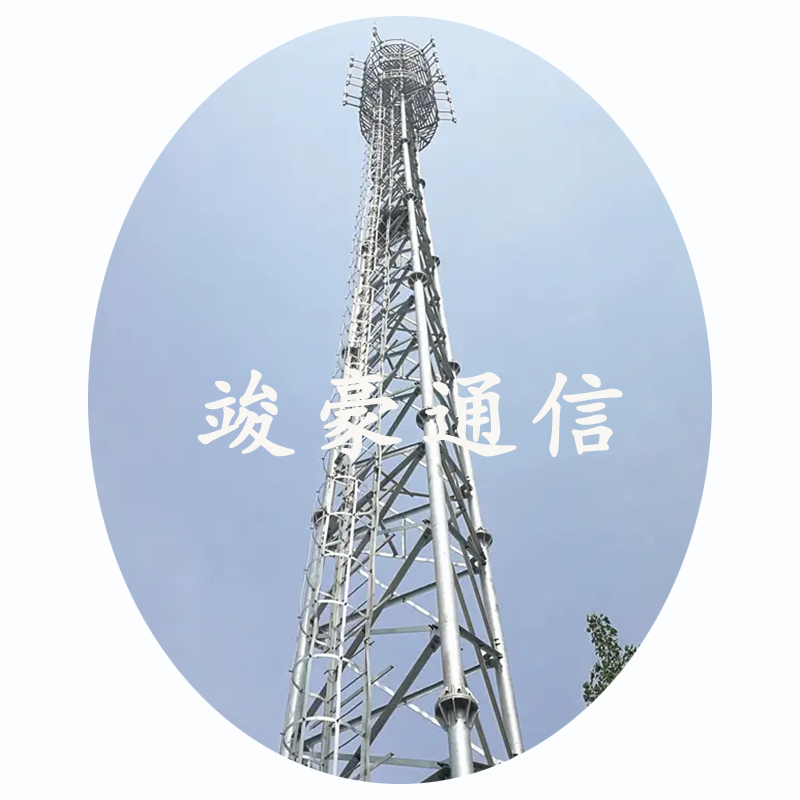
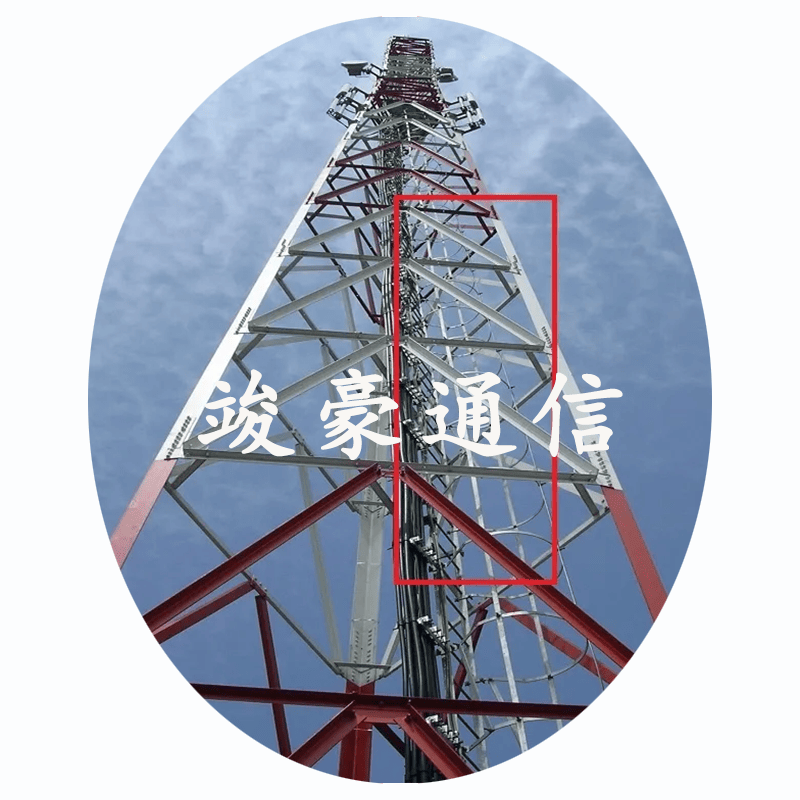
Power grid transmission lines form the backbone of modern electrical infrastructure, serving as critical conduits that transport electricity from power generation facilities to distribution networks across vast geographical distances. These sophisticated systems operate at high voltages, typically ranging from 69 kilovolts to 765 kilovolts, enabling efficient long-distance power delivery with minimal energy losses. The power grid transmission line network consists of overhead conductors, underground cables, substations, and supporting structures that work together to maintain reliable electricity supply. These systems utilize advanced materials such as aluminum conductor steel reinforced cables and high-strength steel towers designed to withstand extreme weather conditions and mechanical stress. Modern power grid transmission line technology incorporates smart grid capabilities, including real-time monitoring systems, automated switching equipment, and digital communication networks that enhance operational efficiency and system reliability. The primary function of power grid transmission lines involves stepping up voltage levels at generation sources, transmitting power across long distances, and stepping down voltages for local distribution. These systems must maintain precise voltage regulation, frequency control, and power factor correction to ensure stable electricity supply. Power grid transmission line applications span residential, commercial, and industrial sectors, supporting everything from household appliances to major manufacturing operations. The infrastructure includes various transmission line configurations such as single-circuit, double-circuit, and bundled conductor arrangements, each optimized for specific load requirements and environmental conditions. Advanced protection systems including relay protection, surge arresters, and grounding systems safeguard power grid transmission line equipment from electrical faults and lightning strikes. Temperature monitoring, conductor sag management, and predictive maintenance protocols ensure optimal performance and extend equipment lifespan. Power grid transmission line networks integrate renewable energy sources, energy storage systems, and demand response technologies to create resilient, sustainable electrical grids that meet evolving energy needs while maintaining environmental responsibility.


 EN
EN