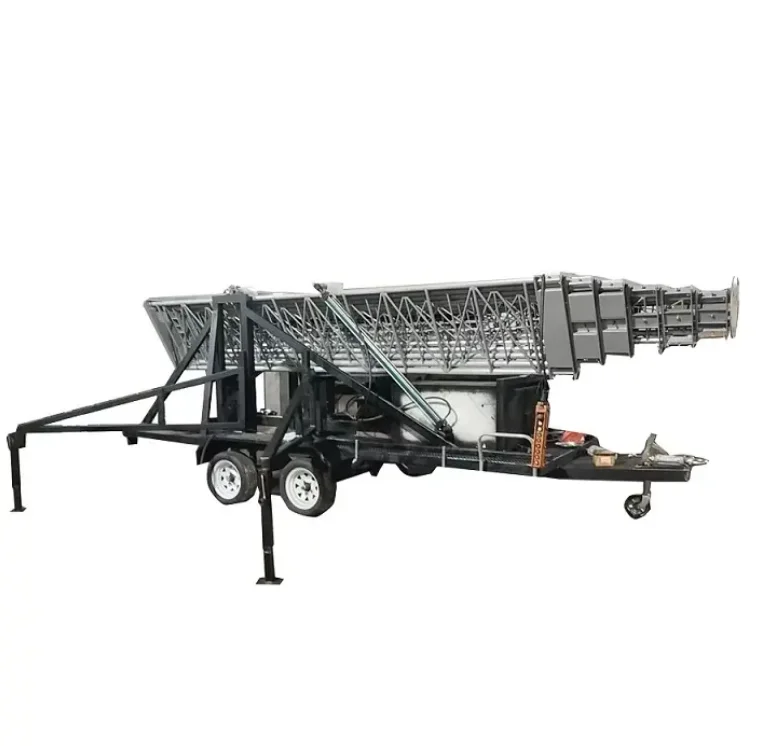
Overhead Transmission Lines: Reliable Power Distribution Solutions for Modern Electrical Infrastructure

Get a Free Quote

Our representative will contact you soon.
Email
Name
Company Name
Message
0/1000

overhead transmission line

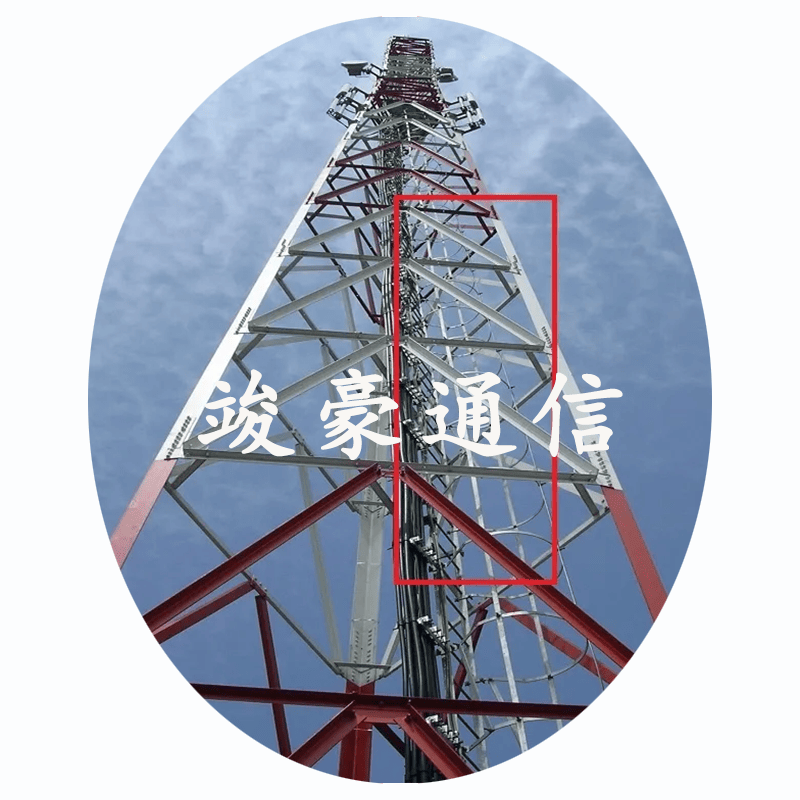
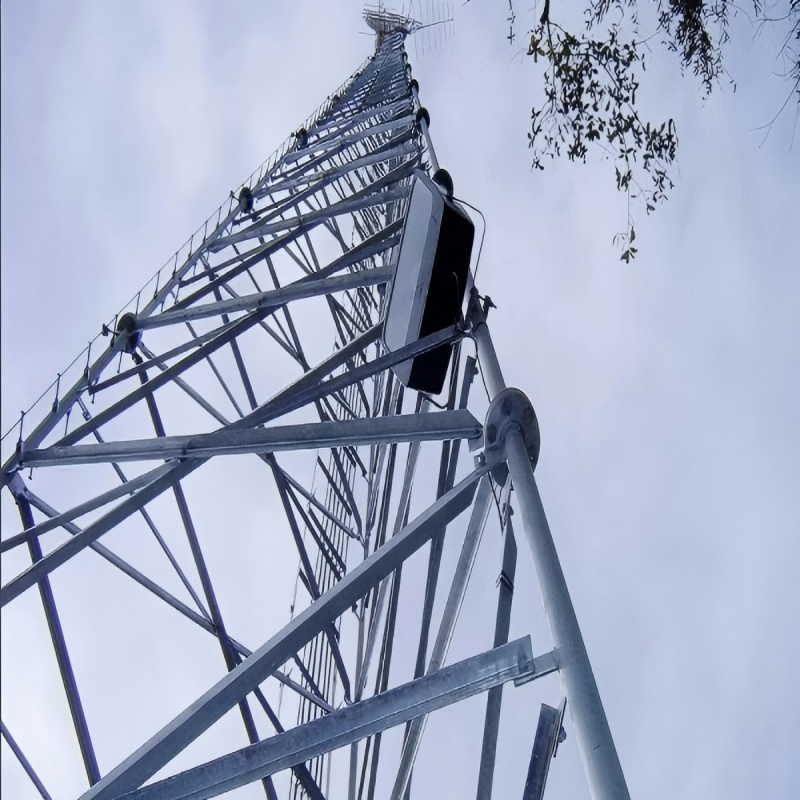
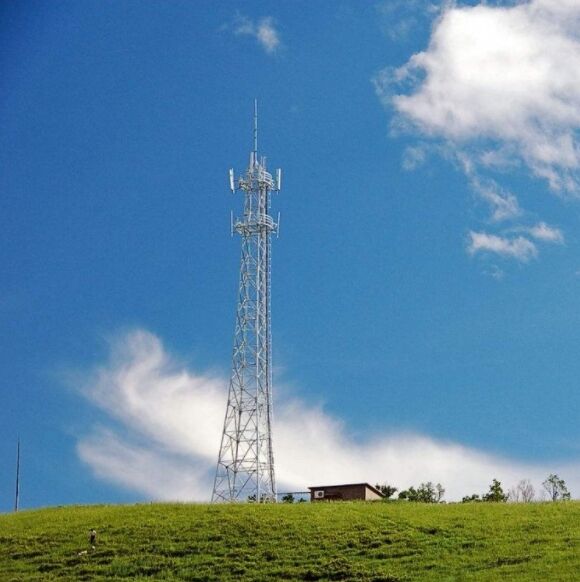
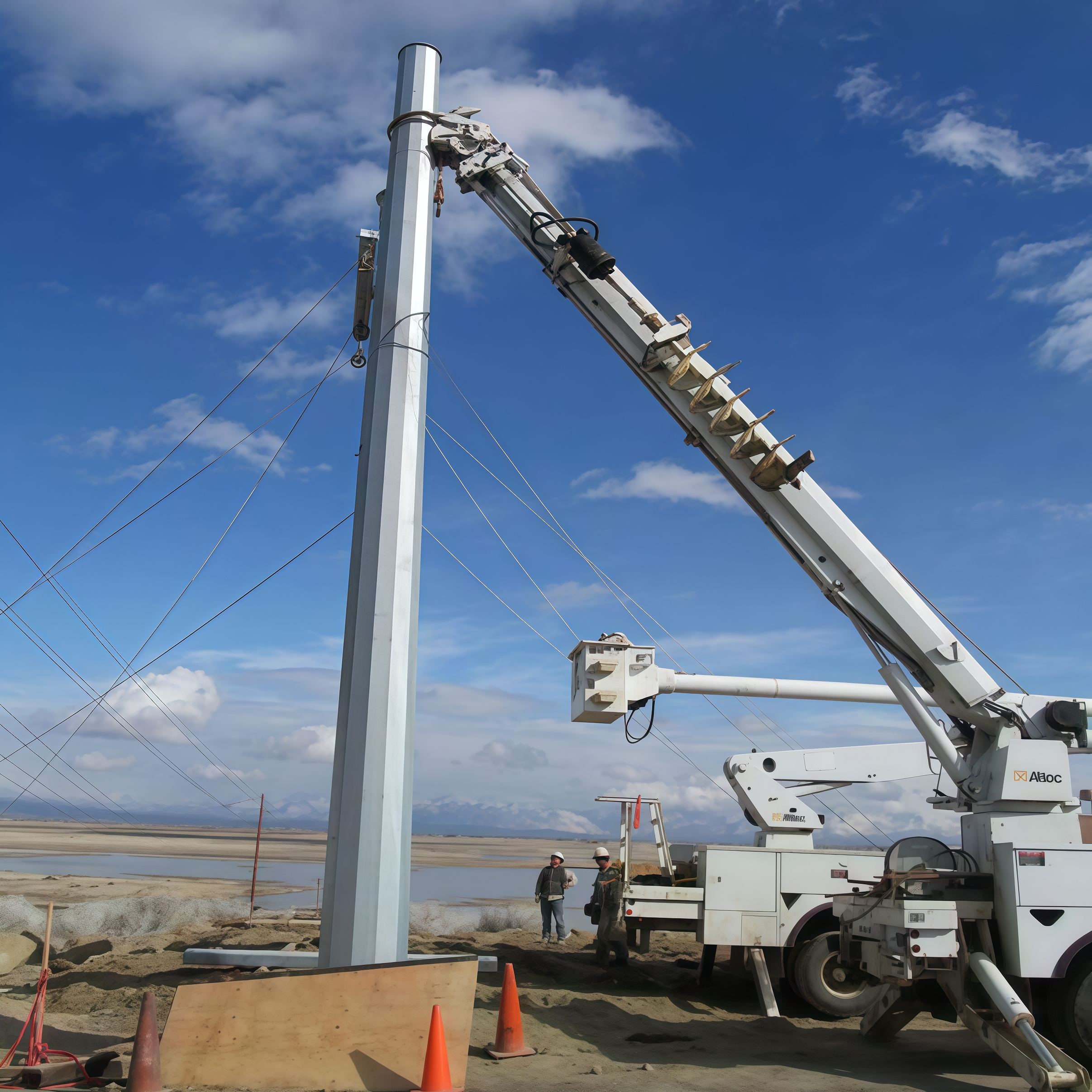
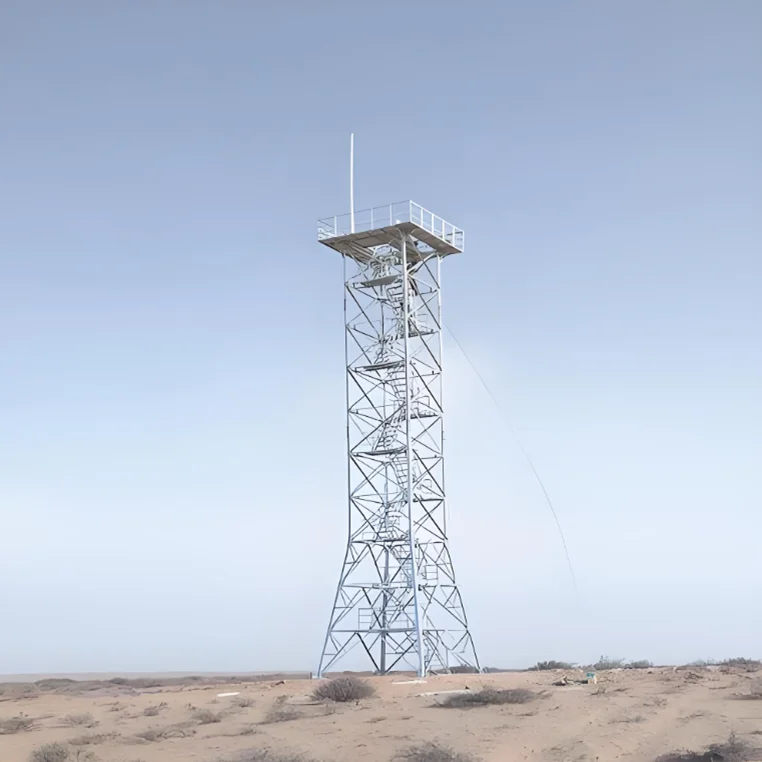
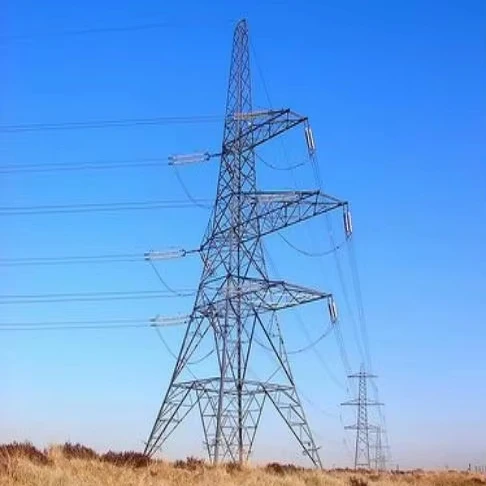
Overhead transmission lines represent the backbone of modern electrical power distribution systems, serving as critical infrastructure that connects power generation facilities to end-user communities across vast distances. These elevated electrical conductors, suspended on towering support structures, facilitate the efficient transport of high-voltage electricity from power plants to substations and distribution networks. The primary function of an overhead transmission line involves carrying electrical energy at voltages typically ranging from 69 kilovolts to over 800 kilovolts, enabling long-distance power delivery with minimal energy losses. These systems utilize aluminum or aluminum-steel composite conductors that offer excellent conductivity while maintaining structural integrity under various weather conditions. The technological features of overhead transmission lines include advanced insulator systems that prevent electrical faults, protective grounding mechanisms, and sophisticated monitoring equipment that ensures continuous operation. Support towers, constructed from galvanized steel or concrete, provide the necessary height and stability to maintain safe clearances from ground-level activities while supporting the weight of conductors and withstanding environmental stresses such as wind loading and ice accumulation. Modern overhead transmission line designs incorporate bundled conductor configurations that reduce corona losses and improve power transfer capacity. Lightning protection systems, including shield wires and surge arresters, safeguard against natural electrical phenomena. Applications span numerous sectors including residential power supply, industrial manufacturing, commercial facilities, and renewable energy integration. These transmission systems enable grid interconnection between different regions, supporting energy trading and improving overall system reliability. Smart grid technologies increasingly integrate with overhead transmission line infrastructure, providing real-time monitoring capabilities and automated switching functions that enhance operational efficiency and fault detection.

Popular Products

Overhead transmission lines deliver exceptional value through their cost-effective installation and maintenance compared to underground alternatives. Property owners and utility companies benefit from significantly lower initial investment costs, as overhead systems eliminate expensive excavation, specialized insulation materials, and complex underground infrastructure requirements. The installation process moves quickly, reducing project timelines and minimizing disruption to existing operations. Maintenance teams can easily access overhead conductors for routine inspections, repairs, and upgrades without costly excavation procedures or specialized underground equipment. This accessibility translates to reduced service interruption times and lower long-term operational expenses. The thermal management capabilities of overhead transmission lines provide superior performance advantages. Air circulation around exposed conductors naturally dissipates heat generated during electrical transmission, allowing higher current carrying capacity without requiring expensive cooling systems. This natural cooling effect extends equipment lifespan and maintains optimal electrical efficiency across varying load conditions. Environmental monitoring becomes straightforward with overhead systems, enabling quick identification of potential issues such as vegetation encroachment, wildlife interference, or weather-related damage. Reliability stands out as a major benefit, with overhead transmission lines demonstrating proven performance across decades of operation in diverse climatic conditions. These systems handle extreme weather events effectively, from high winds to ice storms, while maintaining structural integrity and electrical continuity. Emergency restoration procedures proceed rapidly since damage assessment and repair work occur above ground with standard utility equipment. Flexibility in routing allows overhead transmission lines to adapt to terrain variations and property boundaries without expensive tunneling or directional boring. Expansion capabilities enable future capacity increases through conductor upgrades or additional circuit installation using existing tower infrastructure. Power quality remains consistently high due to reduced electrical losses and improved voltage regulation characteristics inherent in overhead designs. Safety protocols for overhead transmission lines are well-established, with comprehensive training programs and standardized procedures that ensure worker protection and public safety.

Practical Tips

Tower Talk: The Great Self - Standing vs Guyed Tower Debate

13

Oct

Tower Talk: The Great Self - Standing vs Guyed Tower Debate

View More
The Urban Chameleons: Tree-Like Towers

13

Oct

The Urban Chameleons: Tree-Like Towers

View More
Comparative Analysis of Three-Legged Angle Steel Towers and Three-Legged Tubular Towers

13

Oct

Comparative Analysis of Three-Legged Angle Steel Towers and Three-Legged Tubular Towers

View More
Comprehensive Guide to Communication Tower Design and Procurement

27

Oct

Comprehensive Guide to Communication Tower Design and Procurement

View More

Get a Free Quote

Our representative will contact you soon.
Email
Name
Company Name
Message
0/1000

overhead transmission line

Superior Cost Efficiency and Economic Benefits

Superior Cost Efficiency and Economic Benefits

Overhead transmission lines provide unmatched economic advantages that make them the preferred choice for power transmission projects worldwide. The initial capital investment required for overhead systems costs approximately 60 to 80 percent less than equivalent underground installations, delivering immediate financial benefits to utility companies and ultimately to consumers through reduced electricity rates. This cost advantage stems from simplified installation procedures that eliminate expensive underground excavation, specialized cable laying equipment, and costly insulation materials required for buried systems. Construction crews can complete overhead transmission line projects using standard utility equipment and established techniques, reducing labor costs and project duration significantly. The economic benefits extend throughout the operational lifecycle, with maintenance expenses remaining substantially lower due to easy accessibility of components. Technicians can perform routine inspections, conductor replacements, and hardware upgrades without disruptive excavation or specialized underground access procedures. Emergency repairs proceed quickly and cost-effectively, minimizing revenue losses from extended outages and reducing restoration expenses. Long-term financial planning becomes more predictable with overhead systems, as replacement schedules and upgrade costs can be accurately forecasted based on visual inspections and established performance data. The resale value of overhead transmission line infrastructure remains high due to proven reliability and standardized components that maintain market demand. Economic flexibility allows utility companies to phase construction projects according to budget constraints while maintaining system expansion capabilities. Rural and remote area development particularly benefits from overhead transmission line economics, where underground installation costs would be prohibitively expensive due to challenging terrain and limited access. Return on investment calculations consistently favor overhead systems, with payback periods typically 40 to 50 percent shorter than underground alternatives. These economic advantages enable utility companies to allocate resources more effectively toward system improvements, renewable energy integration, and customer service enhancements rather than excessive infrastructure costs.
Exceptional Reliability and Performance Standards

Exceptional Reliability and Performance Standards

Overhead transmission lines demonstrate outstanding reliability performance that ensures consistent power delivery across all operating conditions and environmental challenges. These systems maintain operational availability rates exceeding 99.9 percent annually, providing the dependable electrical service that modern communities and industries require for continuous operation. The inherent design advantages of overhead configuration contribute significantly to this reliability, with natural air insulation providing superior electrical isolation compared to other transmission methods. Lightning strikes and electrical surges are effectively managed through comprehensive protection systems including shield wires, surge arresters, and grounding networks that prevent damage to critical components. Weather resistance capabilities enable overhead transmission lines to withstand extreme environmental conditions including hurricane-force winds, heavy ice accumulation, and temperature variations ranging from sub-zero winter conditions to extreme summer heat. Structural engineering standards ensure tower foundations and conductor supports maintain integrity under maximum design loads with appropriate safety factors. Self-healing characteristics allow overhead systems to automatically isolate faulted sections while maintaining power flow through alternate pathways, minimizing customer impact during emergency situations. Predictive maintenance programs utilize advanced monitoring technologies to identify potential issues before they develop into service interruptions, enabling proactive repairs during scheduled outage windows. Component standardization across the industry ensures replacement parts remain readily available, reducing repair time and maintenance inventory costs. Quality control procedures during manufacturing and installation guarantee that overhead transmission line components meet rigorous performance specifications and safety standards. Testing protocols verify electrical characteristics, mechanical strength, and environmental resistance before energization. Operational flexibility allows system operators to adjust loading patterns and maintenance schedules to optimize reliability while accommodating changing demand patterns. Historical performance data spanning multiple decades demonstrates the proven track record of overhead transmission lines in delivering reliable electrical service across diverse geographic regions and climatic conditions.
Environmental Sustainability and Minimal Ecological Impact

Environmental Sustainability and Minimal Ecological Impact

Overhead transmission lines offer significant environmental advantages through sustainable design practices and minimal long-term ecological disruption compared to alternative transmission methods. The installation process requires no excavation or soil displacement, preserving natural ground conditions and avoiding disruption to underground ecosystems, root systems, and soil organisms that contribute to environmental health. Wildlife protection measures incorporated into modern overhead transmission line designs include specialized insulator configurations, bird guards, and conductor spacing that minimize risks to avian species while maintaining safe electrical operation. Vegetation management practices focus on selective clearing rather than complete removal, allowing native plant communities to recover naturally in corridor areas while maintaining necessary electrical clearances. The elevated design eliminates interference with surface water drainage patterns, preventing erosion and maintaining natural hydrology that supports local ecosystems. Land use efficiency maximizes the productive use of corridor space, with agricultural activities, grazing, and recreational uses continuing safely beneath overhead conductors in many installations. Material selection emphasizes recyclability and environmental responsibility, with aluminum conductors and galvanized steel structures providing decades of service life before recycling into new products. Carbon footprint analysis shows overhead transmission lines require significantly less energy-intensive materials than underground alternatives, reducing overall environmental impact during manufacturing and installation phases. Electromagnetic field levels remain well within established safety guidelines and dissipate rapidly with distance from conductors, ensuring minimal impact on surrounding areas. Visual impact mitigation techniques include strategic routing through less sensitive areas, architectural tower designs that complement local aesthetics, and landscaping programs that screen transmission corridors from residential views. Renewable energy integration capabilities enable overhead transmission lines to support sustainable power generation by efficiently connecting wind farms, solar installations, and hydroelectric facilities to distribution networks. Climate change adaptation features ensure overhead systems can accommodate shifting weather patterns and extreme events while maintaining environmental compatibility. End-of-life disposal procedures follow established recycling protocols that recover valuable materials and minimize waste generation, supporting circular economy principles and reducing environmental impact throughout the complete system lifecycle.

Get a Free Quote

Our representative will contact you soon.
Email
Name
Company Name
Message
0/1000