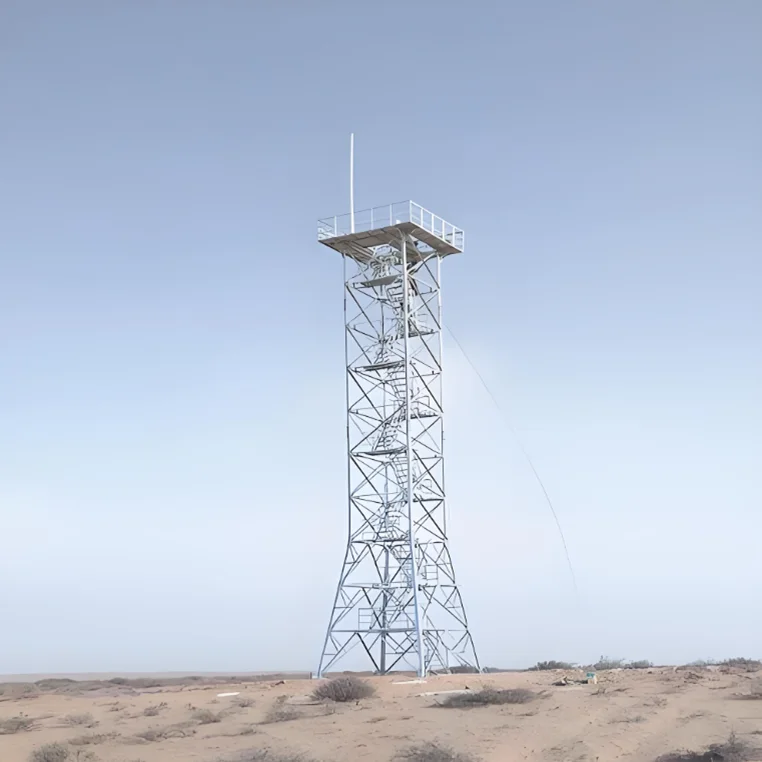
Industrial Transmission Line Applications: Advanced Power Distribution Solutions for Manufacturing Facilities

Get a Free Quote

Our representative will contact you soon.
Email
Name
Company Name
Message
0/1000

industrial transmission line application

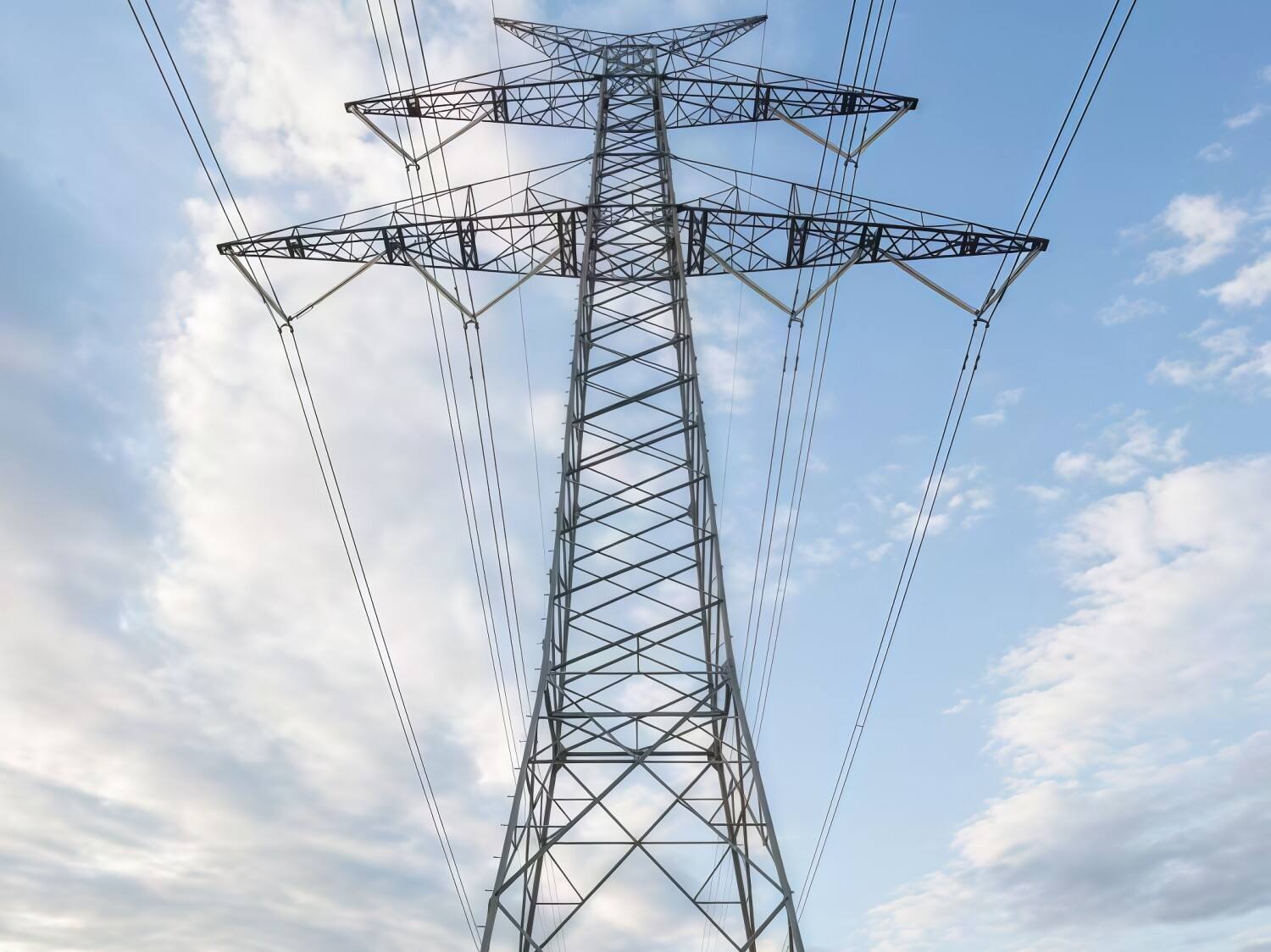
Industrial transmission line applications represent a critical infrastructure component that enables the efficient transfer of electrical power across vast distances within manufacturing facilities, processing plants, and industrial complexes. These sophisticated systems serve as the backbone of modern industrial operations, ensuring reliable power distribution from primary sources to various equipment and machinery throughout extensive facilities. The primary function of an industrial transmission line application involves the safe and efficient transportation of high-voltage electrical energy while minimizing power losses and maintaining system stability. These transmission systems operate at voltage levels typically ranging from medium voltage distributions at 4.16kV to high voltage applications exceeding 138kV, depending on the specific industrial requirements and power demands. The technological features of industrial transmission line applications incorporate advanced conductor materials, specialized insulation systems, and intelligent monitoring capabilities that ensure optimal performance under demanding industrial conditions. Modern industrial transmission line systems utilize aluminum conductors with steel reinforcement or copper conductors, selected based on conductivity requirements, environmental factors, and cost considerations. The insulation systems employ high-grade materials such as cross-linked polyethylene, ethylene propylene rubber, or specialized ceramic insulators designed to withstand harsh industrial environments including chemical exposure, extreme temperatures, and mechanical stress. Smart grid technologies integrated into industrial transmission line applications provide real-time monitoring, fault detection, and automated switching capabilities that enhance system reliability and reduce maintenance costs. These applications find widespread use across diverse industrial sectors including petrochemical refineries, steel manufacturing plants, mining operations, automotive production facilities, and large-scale manufacturing complexes where uninterrupted power supply is essential for operational continuity and safety.
New Products

Industrial transmission line applications deliver substantial operational benefits that directly impact productivity, safety, and cost-effectiveness for manufacturing facilities and industrial operations. The enhanced power reliability provided by these systems ensures continuous production processes, eliminating costly downtime that can result in significant financial losses and compromised delivery schedules. Modern industrial transmission line applications incorporate redundant pathways and automatic switching mechanisms that maintain power supply even when individual components require maintenance or experience unexpected failures. This reliability translates into measurable improvements in overall equipment effectiveness and production output consistency. Cost savings represent another significant advantage of properly designed industrial transmission line applications, as these systems optimize power distribution efficiency while reducing energy losses during transmission. The advanced conductor technologies and intelligent load management capabilities minimize electrical losses, resulting in lower utility costs and improved energy utilization throughout industrial facilities. Maintenance requirements are substantially reduced through the implementation of predictive monitoring systems that identify potential issues before they develop into costly failures, enabling proactive maintenance scheduling that minimizes operational disruptions. Safety enhancements provided by industrial transmission line applications include comprehensive protection systems, arc fault detection, and emergency isolation capabilities that protect both personnel and equipment from electrical hazards. These safety features comply with stringent industrial safety standards while providing operators with enhanced control and monitoring capabilities. The scalability of industrial transmission line applications allows facilities to accommodate future expansion requirements without complete system redesigns, providing long-term value and flexibility for growing operations. Environmental benefits include reduced electromagnetic interference, improved power factor correction, and compliance with environmental regulations through efficient power utilization and reduced waste heat generation. The integration capabilities of modern industrial transmission line applications enable seamless connectivity with existing control systems, SCADA networks, and energy management platforms, facilitating comprehensive facility automation and optimization. These systems also support renewable energy integration, allowing industrial facilities to incorporate solar, wind, or other alternative energy sources into their power distribution networks while maintaining system stability and reliability.

Latest News

Tower Talk: The Great Self - Standing vs Guyed Tower Debate

13

Oct

Tower Talk: The Great Self - Standing vs Guyed Tower Debate

View More
Analysis of the Applicability of Angle Steel Towers and Tubular Towers in Different Terrain Conditio

13

Oct

Analysis of the Applicability of Angle Steel Towers and Tubular Towers in Different Terrain Conditio

View More
Comprehensive Guide to Communication Tower Design and Procurement

27

Oct

Comprehensive Guide to Communication Tower Design and Procurement

View More
Hebei Junhao: A Shining Star in the Communication Tower Field

27

Oct

Hebei Junhao: A Shining Star in the Communication Tower Field

View More

Get a Free Quote

Our representative will contact you soon.
Email
Name
Company Name
Message
0/1000

industrial transmission line application

Advanced Smart Grid Integration and Real-Time Monitoring

Advanced Smart Grid Integration and Real-Time Monitoring

Industrial transmission line applications equipped with smart grid technology revolutionize power management through sophisticated monitoring and control capabilities that provide unprecedented visibility into electrical system performance. These intelligent systems continuously collect and analyze vast amounts of operational data, including voltage levels, current flows, power quality metrics, and equipment health indicators, enabling facility managers to make informed decisions about power distribution optimization and maintenance scheduling. The real-time monitoring capabilities of modern industrial transmission line applications utilize advanced sensors, digital relays, and communication networks that provide instant alerts when abnormal conditions are detected, allowing for immediate corrective actions that prevent costly equipment damage or production interruptions. This technology integration enables predictive maintenance strategies that identify potential equipment failures weeks or months before they occur, significantly reducing unplanned downtime and extending equipment lifespan. The data analytics capabilities inherent in these industrial transmission line applications provide detailed insights into energy consumption patterns, load variations, and system efficiency metrics that help industrial facilities optimize their operations and reduce energy costs. Remote monitoring and control functions allow operators to manage multiple transmission line segments from centralized control rooms, improving response times and reducing the need for field personnel in potentially hazardous environments. The cybersecurity features integrated into these smart industrial transmission line applications protect against digital threats while ensuring reliable communication between system components and control centers. These advanced monitoring systems also facilitate compliance reporting by automatically generating detailed records of system performance, maintenance activities, and safety incidents, streamlining regulatory compliance processes and reducing administrative overhead for industrial facilities.
Superior Power Quality and Harmonic Distortion Management

Superior Power Quality and Harmonic Distortion Management

Industrial transmission line applications incorporate sophisticated power quality management technologies that ensure clean, stable electrical supply essential for sensitive industrial equipment and precision manufacturing processes. These systems actively monitor and control harmonic distortion, voltage fluctuations, and power factor variations that can damage expensive industrial equipment or compromise product quality in manufacturing operations. The harmonic filtering capabilities integrated into modern industrial transmission line applications utilize active and passive filtering technologies that eliminate unwanted frequency components from the electrical supply, protecting sensitive electronic equipment and reducing energy waste associated with poor power quality. Voltage regulation features maintain consistent voltage levels throughout the distribution network, ensuring optimal performance of motors, drives, and control systems while extending equipment lifespan and reducing maintenance requirements. The power factor correction capabilities of industrial transmission line applications automatically adjust reactive power consumption to optimize system efficiency and reduce demand charges from utility providers, resulting in significant cost savings for industrial facilities. These systems also provide voltage sag and surge protection that shields critical equipment from power quality disturbances originating from the utility grid or internal facility operations. The electromagnetic compatibility features ensure that industrial transmission line applications operate without interfering with sensitive communication systems, instrumentation, or control networks within the facility. Advanced power quality monitoring systems continuously measure and record power quality parameters, providing detailed reports that help facility managers identify trends, troubleshoot problems, and optimize system performance. The load balancing capabilities of these industrial transmission line applications distribute electrical loads evenly across multiple phases and circuits, preventing overloading and ensuring efficient utilization of available power capacity. These power quality management features are particularly critical in industries such as semiconductor manufacturing, pharmaceutical production, and precision machining where even minor power quality disturbances can result in significant product losses or quality issues.
Robust Environmental Protection and Safety Features

Robust Environmental Protection and Safety Features

Industrial transmission line applications are engineered with comprehensive environmental protection and safety systems that ensure reliable operation in challenging industrial environments while prioritizing personnel safety and equipment protection. These robust systems incorporate weather-resistant enclosures, corrosion-resistant materials, and specialized coatings that protect electrical components from moisture, chemical exposure, dust, and extreme temperature variations commonly encountered in industrial settings. The arc flash protection systems integrated into modern industrial transmission line applications utilize advanced detection algorithms and high-speed switching technologies that can isolate faulted sections within milliseconds, significantly reducing the risk of injury to maintenance personnel and minimizing equipment damage during electrical faults. Ground fault protection systems continuously monitor insulation integrity and automatically disconnect power when potentially dangerous ground faults are detected, providing essential safety protection in wet or corrosive environments typical of many industrial applications. The explosion-proof and intrinsically safe designs available for industrial transmission line applications enable safe operation in hazardous environments such as chemical processing plants, oil refineries, and mining operations where flammable gases or combustible dusts may be present. Seismic protection features ensure continued operation during earthquakes or other ground movements, incorporating flexible connections and shock-absorbing mounting systems that prevent damage to critical electrical infrastructure. The fire detection and suppression capabilities integrated into these systems provide early warning of potential fire hazards and can automatically initiate protective actions to prevent fire spread and minimize damage. Environmental monitoring systems track ambient conditions such as temperature, humidity, and air quality, adjusting system operation to maintain optimal performance while protecting equipment from environmental stress. The modular design of industrial transmission line applications facilitates safe maintenance procedures by enabling isolation of specific system sections without disrupting power to other areas of the facility. Emergency shutdown systems provide operators with immediate power disconnect capabilities during emergency situations, ensuring personnel safety while protecting equipment from damage during abnormal operating conditions.

Get a Free Quote

Our representative will contact you soon.
Email
Name
Company Name
Message
0/1000