5g small cell towers
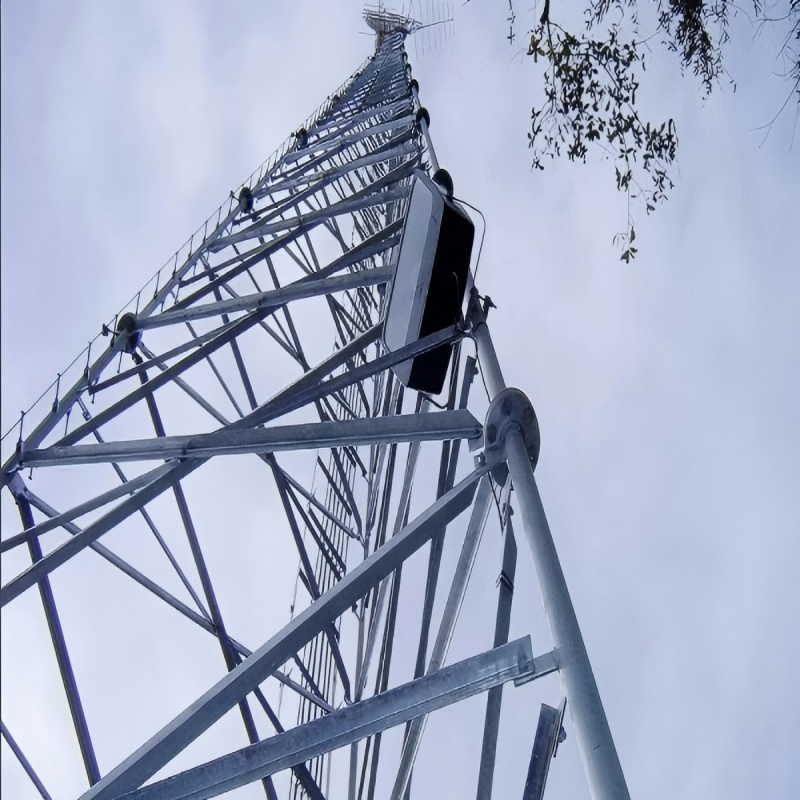
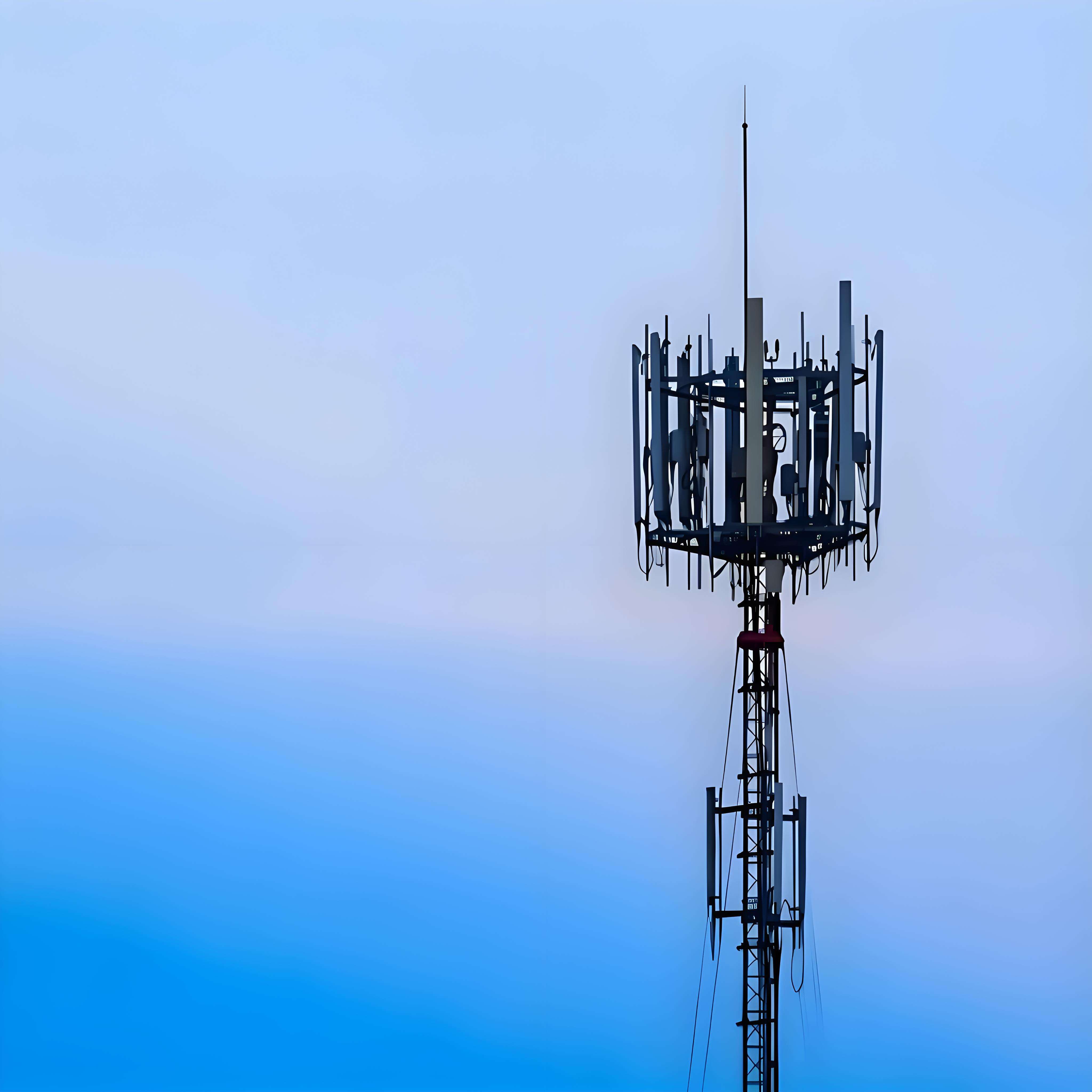
5G small cell towers represent a revolutionary advancement in wireless communication infrastructure, designed to enhance network coverage and capacity in dense urban environments. These compact base stations operate at significantly lower power levels compared to traditional macro cell towers, typically covering areas ranging from 10 meters to 2 kilometers in radius. The primary function of 5G small cell towers involves delivering high-speed wireless connectivity directly to end users while reducing network congestion and improving overall service quality. These sophisticated devices utilize advanced antenna systems and signal processing technologies to support multiple frequency bands simultaneously, including sub-6 GHz and millimeter wave spectrum allocations. The technological architecture incorporates massive MIMO antenna arrays, beamforming capabilities, and edge computing resources that enable ultra-low latency communication essential for emerging applications. 5G small cell towers integrate seamlessly with existing macro network infrastructure through advanced backhaul connections, creating a heterogeneous network environment that maximizes spectral efficiency. These installations support various deployment scenarios including indoor distributed antenna systems, outdoor street-level mounting, and building-integrated solutions. The modular design allows for flexible configuration based on specific coverage requirements and environmental constraints. Key applications encompass dense residential neighborhoods, commercial districts, transportation hubs, stadiums, and enterprise campuses where traditional macro towers cannot provide adequate service levels. The deployment of 5G small cell towers enables network operators to achieve the stringent performance requirements of next-generation wireless services, including enhanced mobile broadband, ultra-reliable low-latency communications, and massive machine-type communications. These installations play a crucial role in supporting Internet of Things ecosystems, autonomous vehicle networks, augmented reality applications, and real-time industrial automation systems that demand consistent high-performance connectivity across varied geographic locations and usage scenarios.




 EN
EN