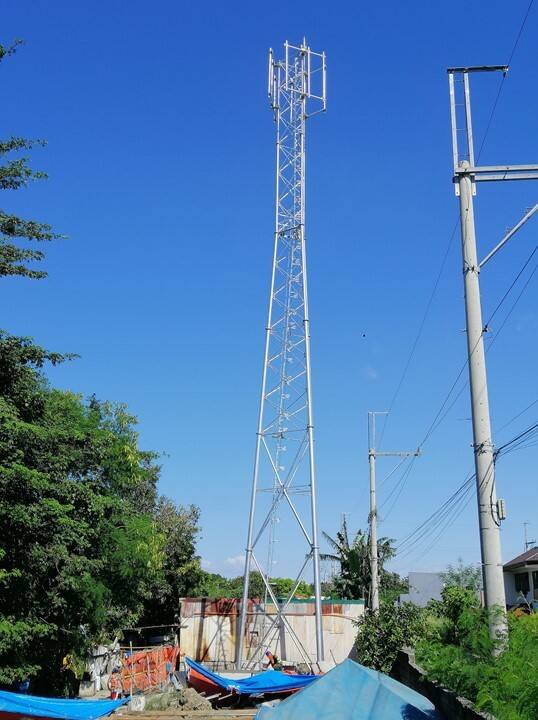
mini cell tower
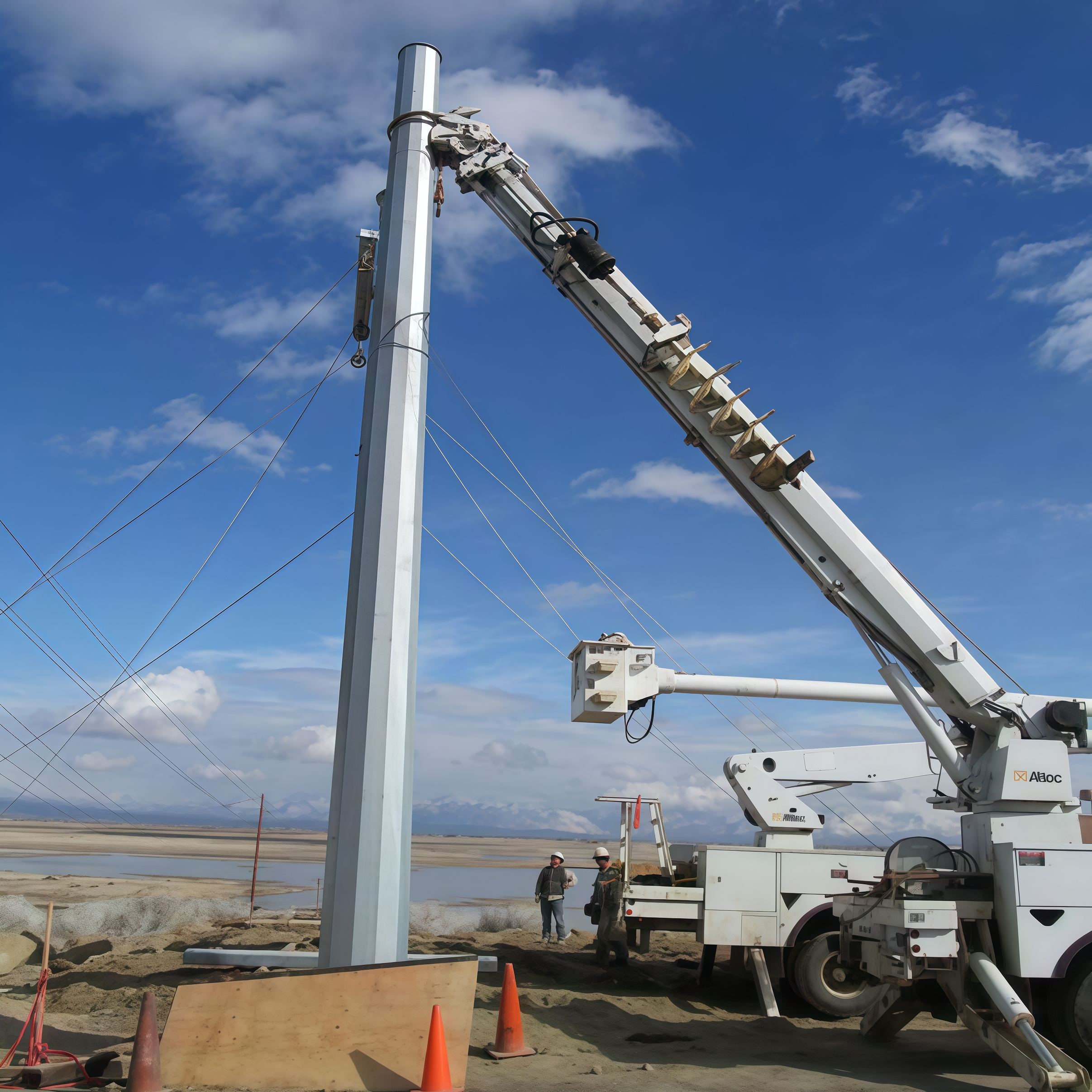
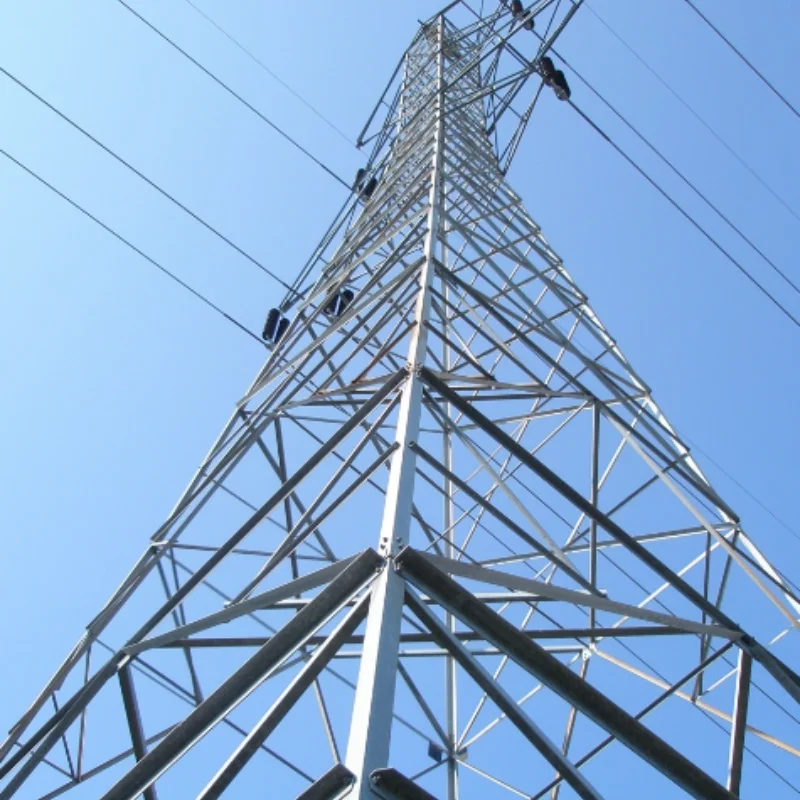
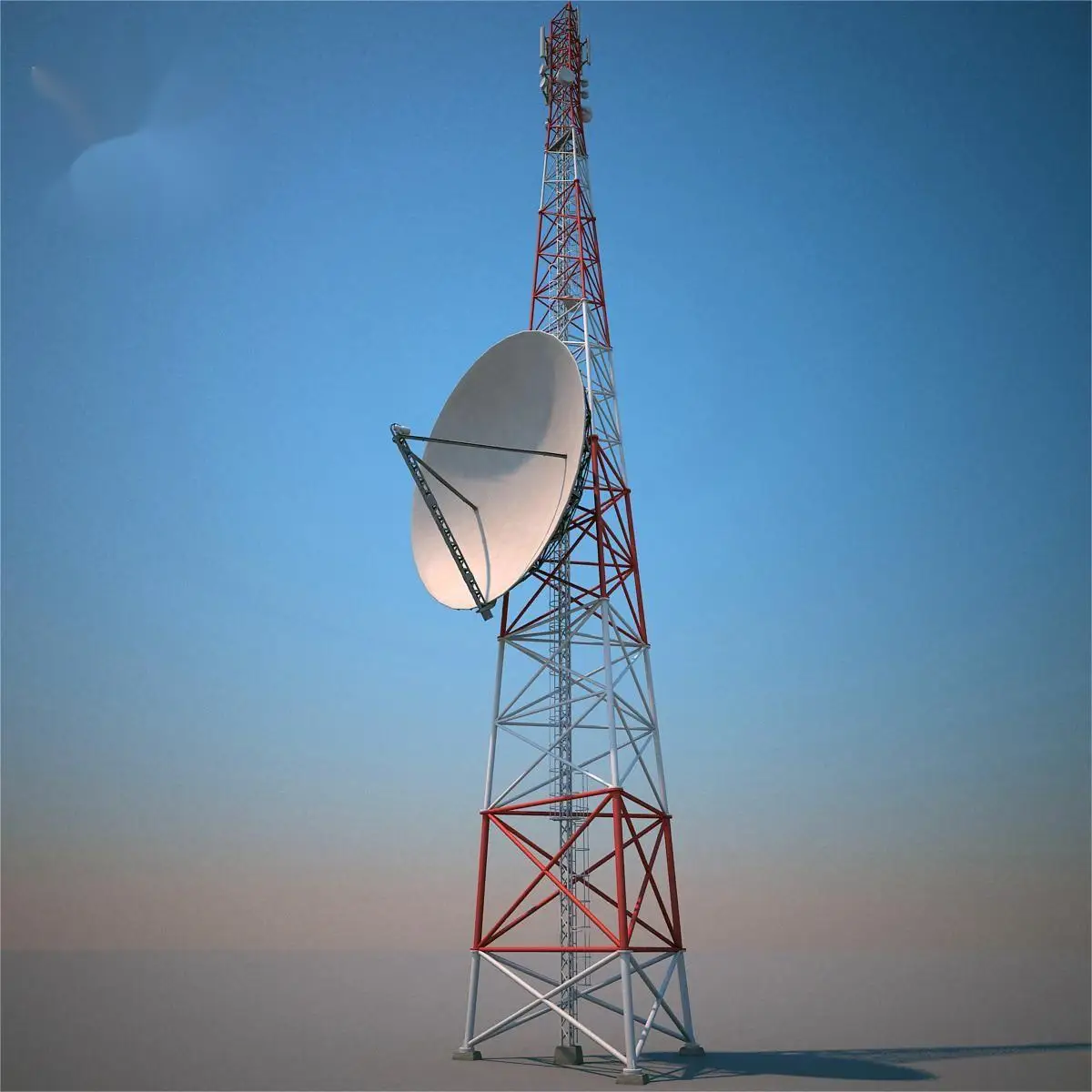
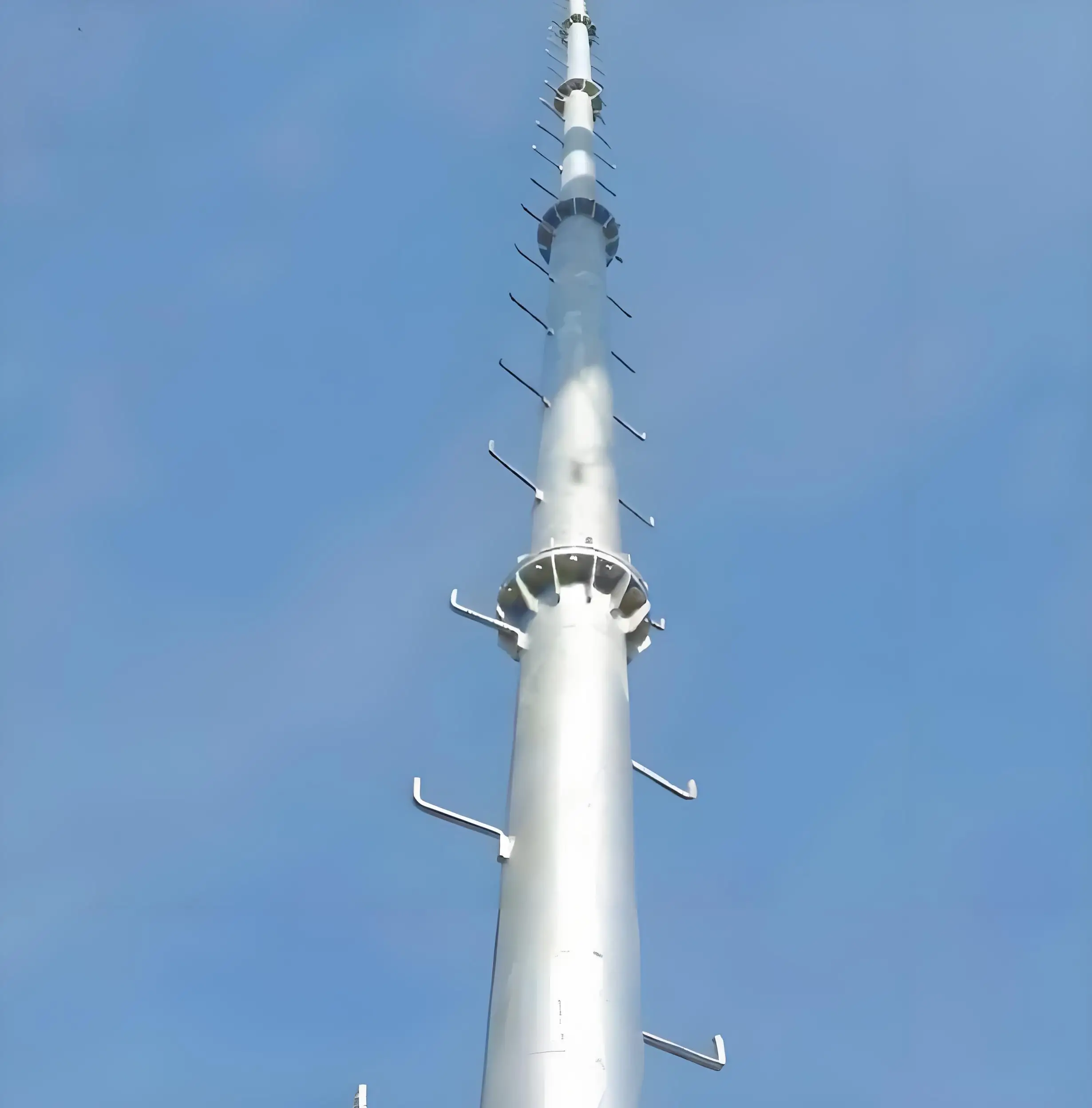
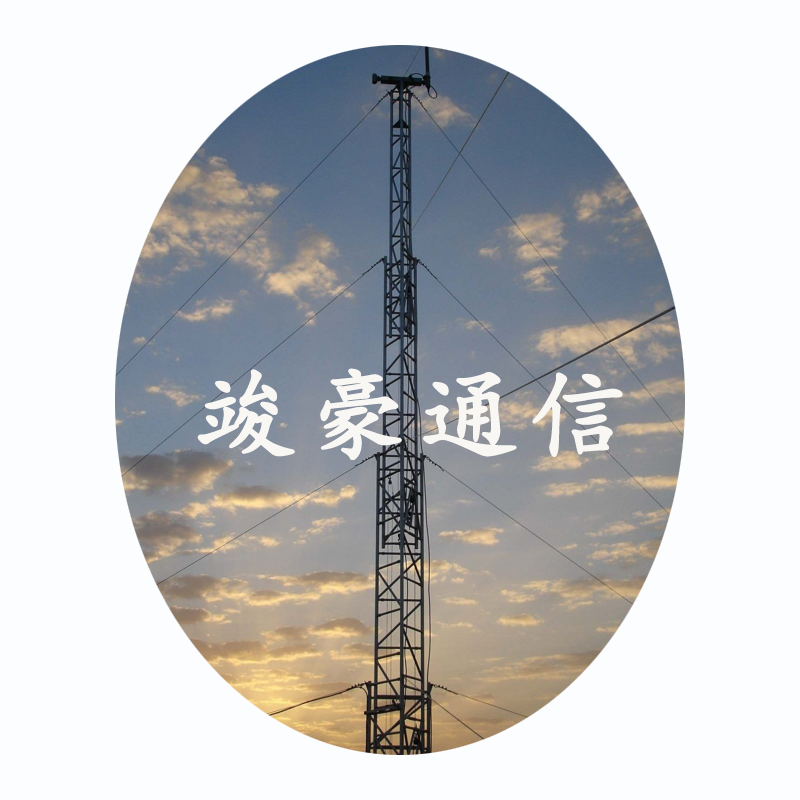
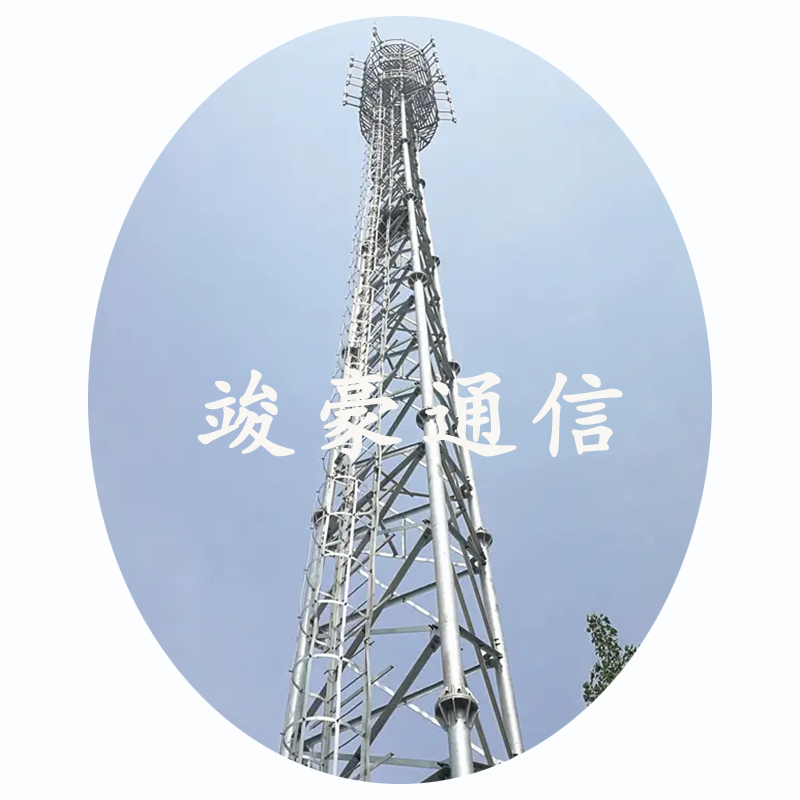
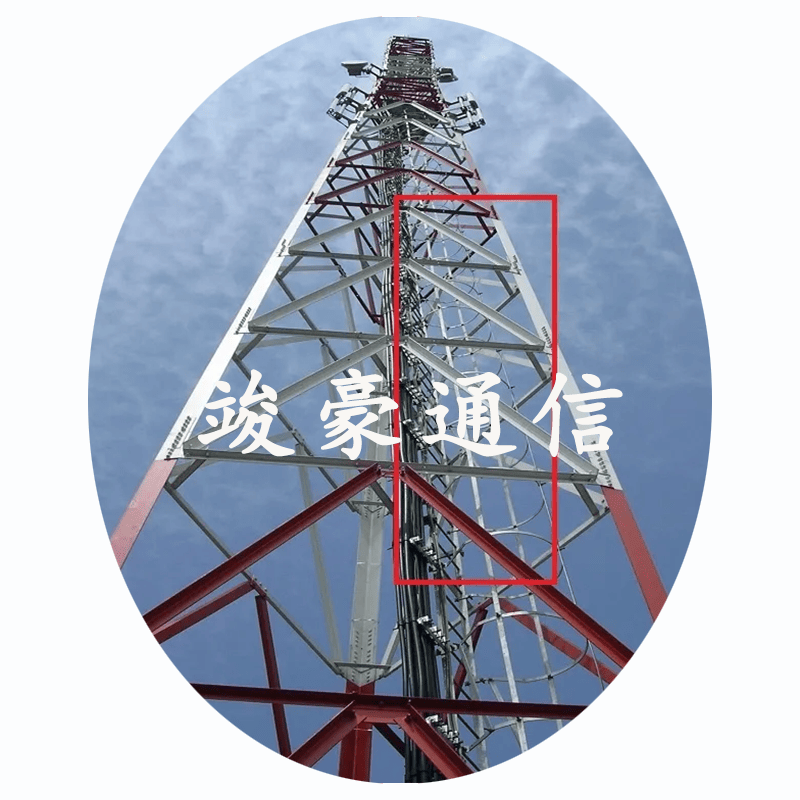
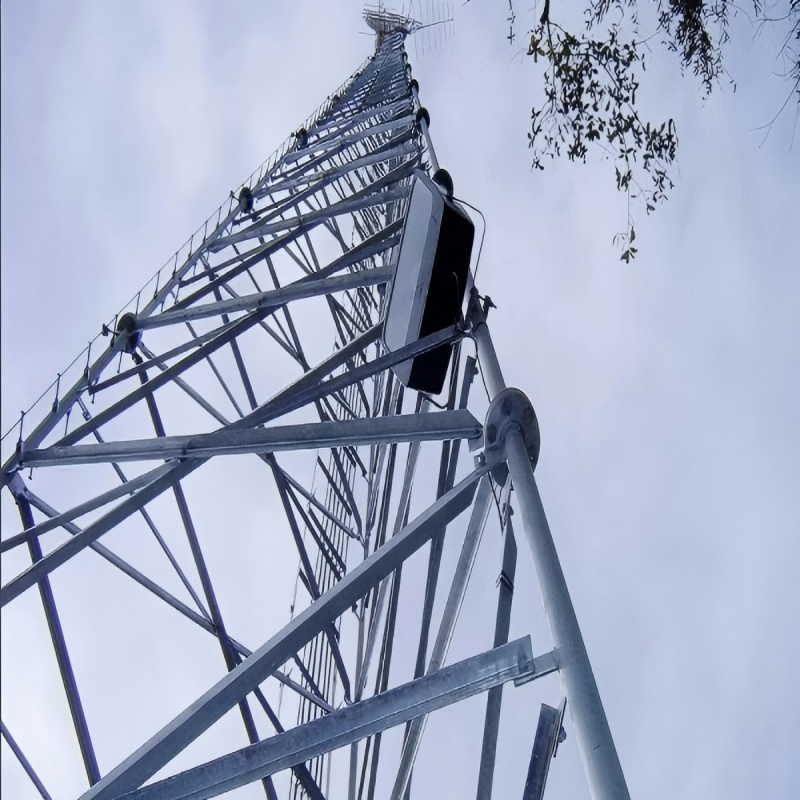
A mini cell tower represents a revolutionary advancement in telecommunications infrastructure, designed to enhance wireless connectivity in areas where traditional macro cell towers face limitations. These compact, low-power base stations serve as critical components in modern cellular networks, providing targeted coverage solutions for both indoor and outdoor environments. Unlike conventional cell towers that can reach heights of several hundred feet, mini cell towers are significantly smaller, typically measuring between 10 to 50 feet in height, making them ideal for urban deployment where space constraints and aesthetic considerations are paramount. The primary function of a mini cell tower involves extending network coverage and capacity by filling gaps in cellular service areas. These systems operate by receiving signals from nearby macro towers and redistributing them to create localized coverage zones. This process ensures seamless connectivity for mobile devices, smartphones, tablets, and other wireless equipment within their operational range. The technological foundation of mini cell towers incorporates advanced radio frequency management, sophisticated antenna systems, and intelligent signal processing capabilities. These features enable the towers to support multiple carrier frequencies simultaneously while maintaining optimal signal quality and minimizing interference with existing network infrastructure. Mini cell towers excel in various applications including residential neighborhoods, commercial districts, shopping centers, educational campuses, healthcare facilities, and transportation hubs. They prove particularly valuable in dense urban environments where building structures can block or weaken cellular signals from distant macro towers. The deployment flexibility of mini cell towers allows network operators to strategically position them on utility poles, building rooftops, or dedicated mounting structures to maximize coverage effectiveness. Additionally, these systems support emerging technologies such as 5G networks, Internet of Things devices, and smart city initiatives, positioning them as essential infrastructure components for future telecommunications development.



 EN
EN