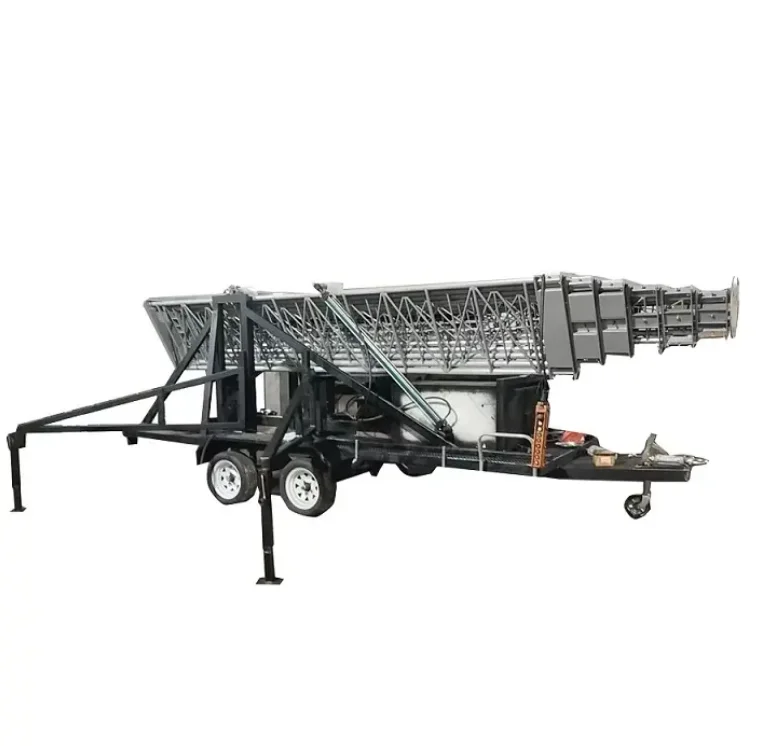
Low Cost Cell Tower Solutions: Affordable Wireless Infrastructure for Enhanced Connectivity

Get a Free Quote

Our representative will contact you soon.
Email
Name
Company Name
Message
0/1000

low cost cell tower

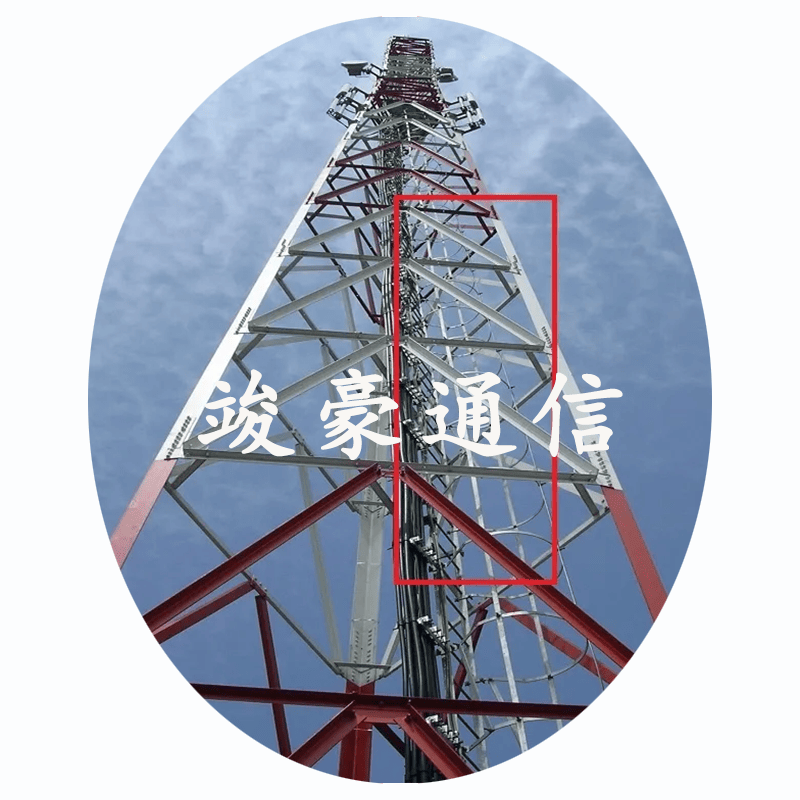
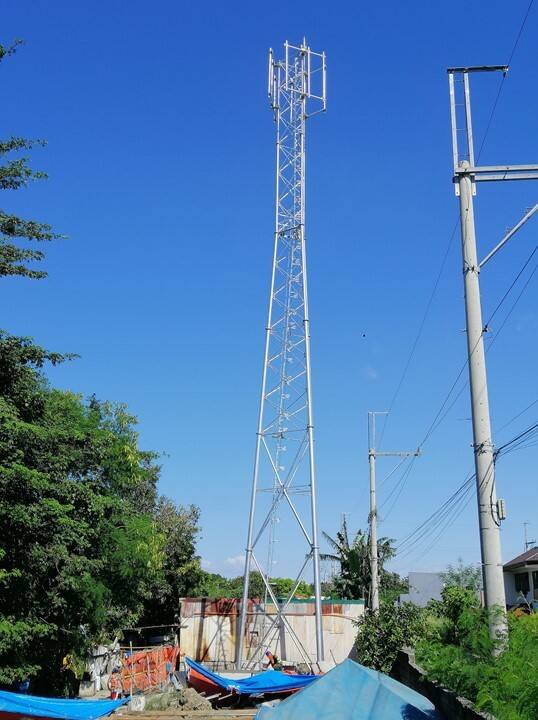
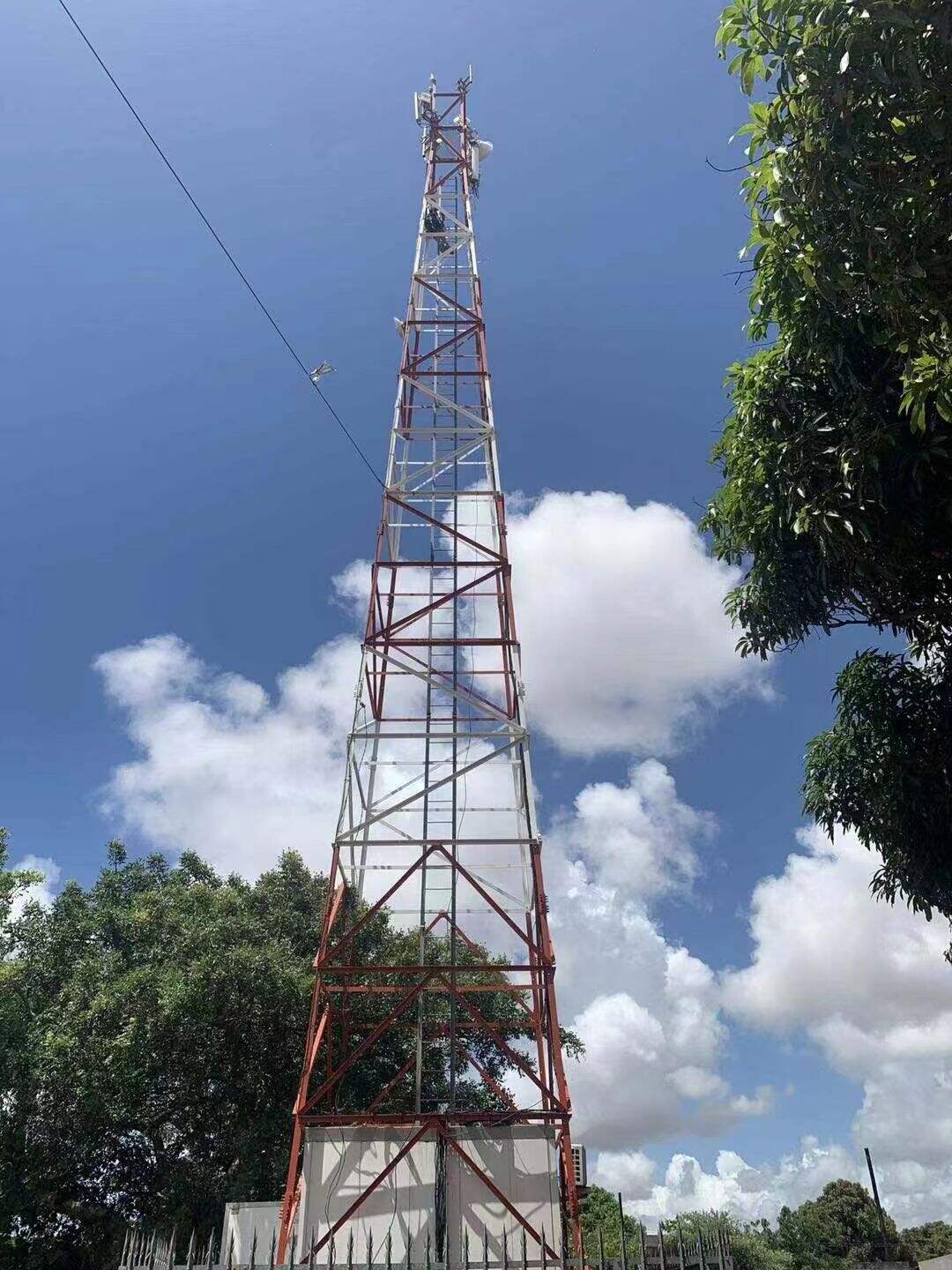
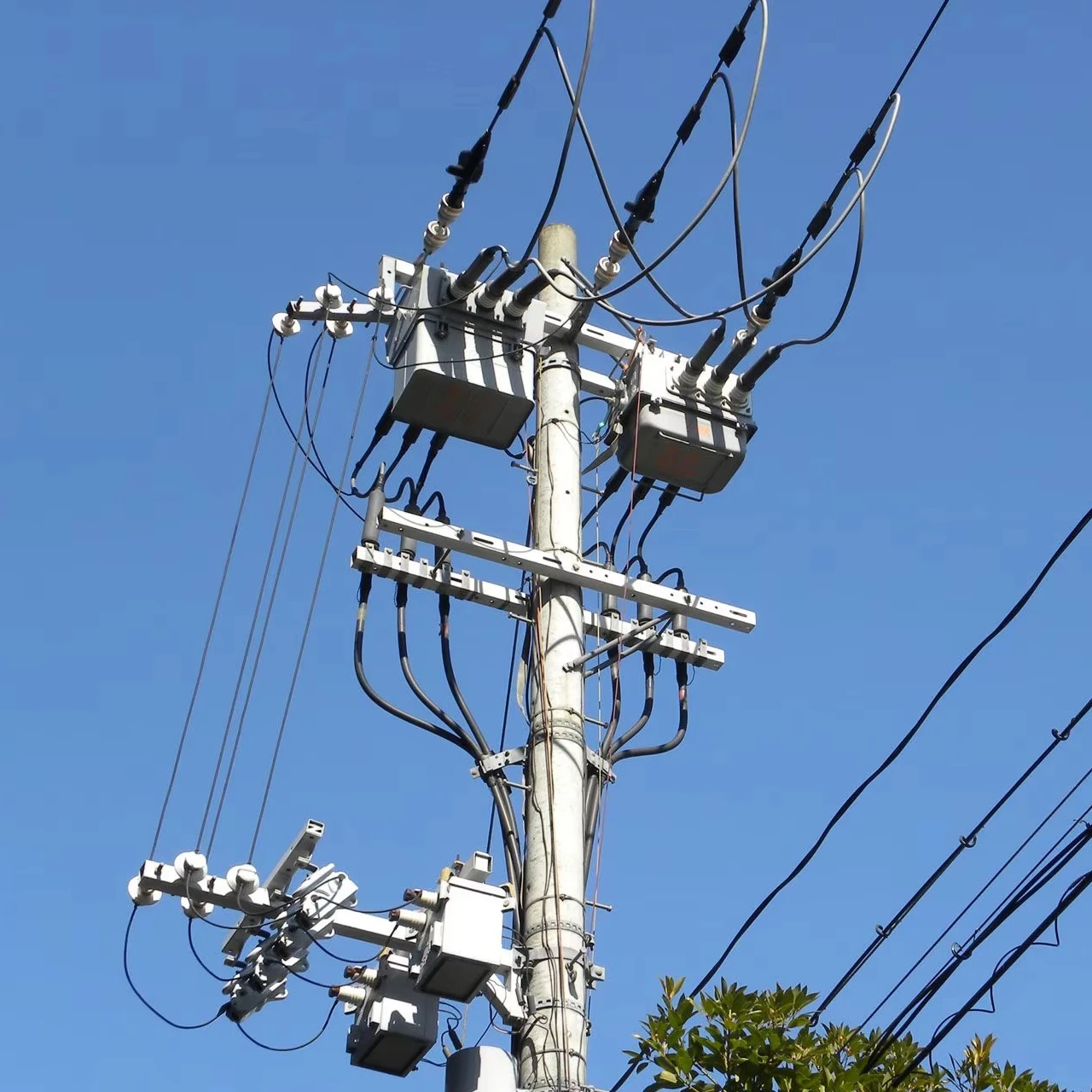
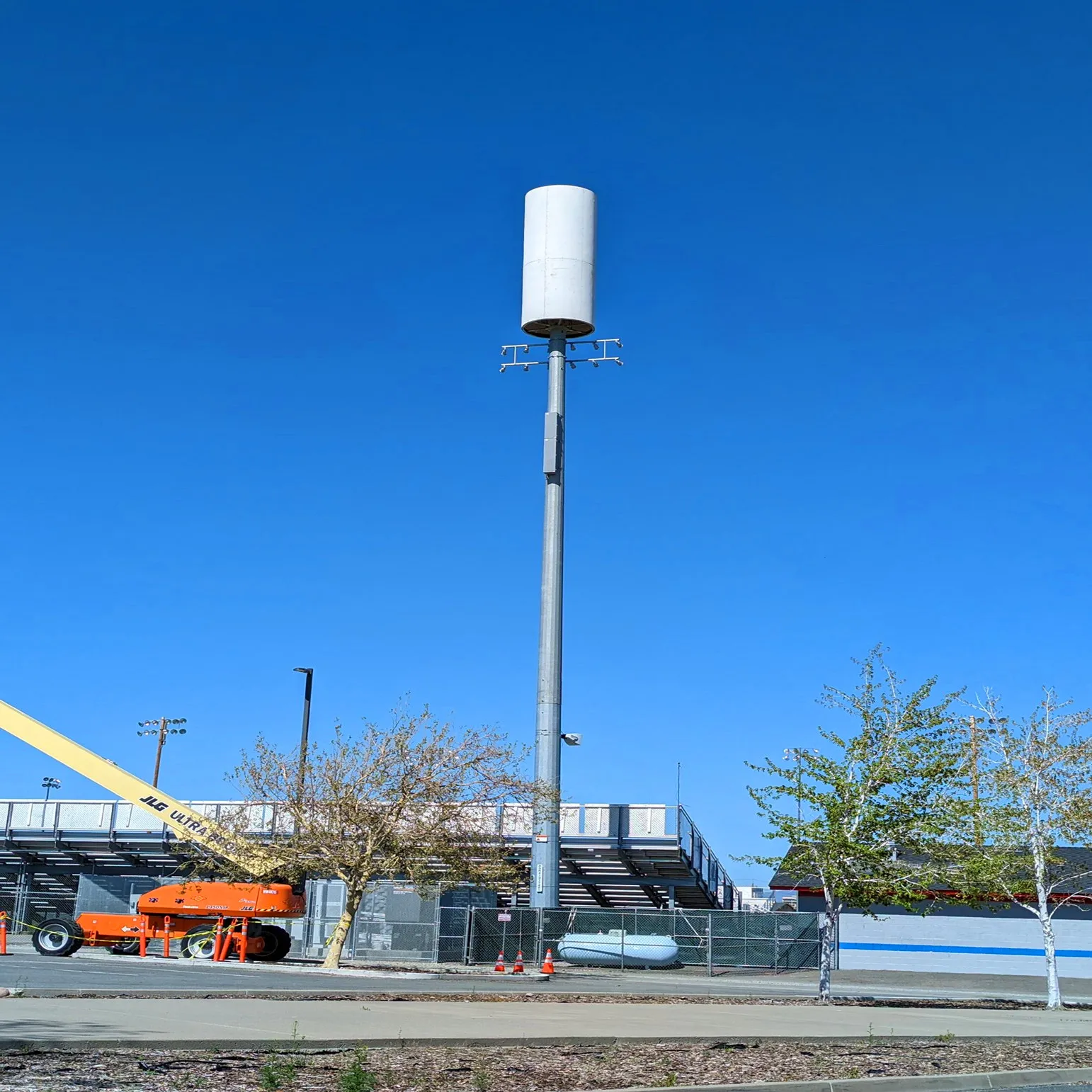
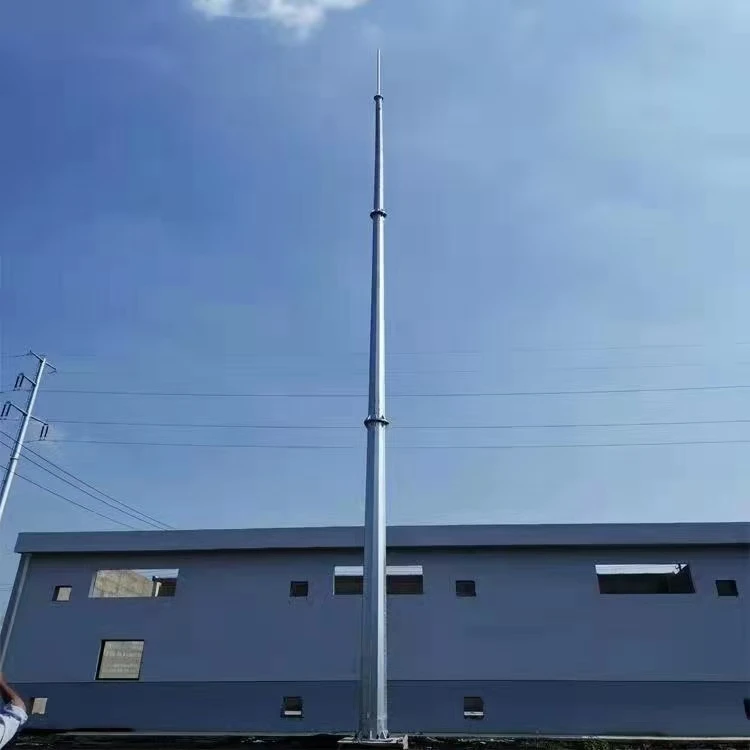
A low cost cell tower represents a revolutionary approach to telecommunications infrastructure, designed to deliver reliable wireless communication services while maintaining affordability and operational efficiency. These innovative structures serve as essential components in modern cellular networks, providing coverage to both urban and rural areas where traditional tower installations might prove economically unfeasible. The primary function of a low cost cell tower involves receiving, amplifying, and transmitting radio frequency signals between mobile devices and the broader telecommunications network. Unlike conventional towers that require substantial capital investment and complex installation procedures, these affordable alternatives utilize streamlined engineering principles to achieve comparable performance at significantly reduced costs. The technological features of a low cost cell tower encompass advanced antenna systems, efficient power management solutions, and modular construction designs that facilitate rapid deployment. These towers typically incorporate lightweight materials such as aluminum alloy frameworks and composite components that reduce both manufacturing expenses and installation complexity. The modular architecture allows for scalable configurations, enabling network operators to customize tower specifications based on specific coverage requirements and geographic constraints. Many low cost cell towers feature integrated power systems that support renewable energy sources, including solar panels and wind generators, which further reduce operational expenses while promoting environmental sustainability. The applications of low cost cell towers span diverse scenarios, from providing essential connectivity in remote rural communities to expanding network capacity in densely populated urban environments. Emergency response organizations frequently deploy portable versions of these towers during disaster recovery operations, ensuring communication continuity when traditional infrastructure becomes compromised. Educational institutions, healthcare facilities, and small businesses benefit significantly from the enhanced connectivity that affordable tower solutions provide, enabling digital transformation initiatives without prohibitive infrastructure investments.

New Product Recommendations

The advantages of implementing a low cost cell tower solution extend far beyond simple cost savings, delivering tangible benefits that transform how organizations and communities approach wireless connectivity challenges. Network operators experience dramatically reduced capital expenditure requirements when choosing affordable tower alternatives over traditional infrastructure investments. The streamlined installation process eliminates the need for specialized heavy equipment and extensive construction crews, allowing deployment teams to establish operational towers within days rather than months. This rapid deployment capability proves invaluable for businesses seeking immediate connectivity solutions or emergency response scenarios requiring urgent communication restoration. The maintenance requirements for a low cost cell tower remain minimal compared to conventional structures, thanks to simplified mechanical designs and readily available replacement components. Operators can train existing technical staff to perform routine maintenance tasks without requiring expensive specialized certifications or external contractor services. The modular construction approach enables easy component upgrades and system expansions as network demand grows, protecting initial investments while providing scalable growth paths. Energy efficiency represents another significant advantage, as these towers consume substantially less power than traditional alternatives while delivering comparable coverage performance. The integration of renewable energy systems reduces ongoing operational costs and provides energy independence in remote locations where grid connections prove unreliable or unavailable. Environmental impact remains minimal due to smaller foundation requirements and reduced material consumption during manufacturing and installation processes. Rural communities gain access to reliable cellular coverage that was previously economically unfeasible, bridging digital divides and enabling economic development opportunities. Small network operators can compete more effectively with larger carriers by deploying multiple affordable towers across targeted coverage areas without overwhelming their capital budgets. The reduced regulatory complexity associated with smaller tower structures accelerates permitting processes and reduces administrative overhead. Quality of service remains consistently high despite cost reductions, ensuring end users receive reliable voice and data services that meet contemporary communication expectations. These combined advantages create compelling value propositions for diverse stakeholders seeking efficient wireless infrastructure solutions.

Latest News

Tower Talk: The Great Self - Standing vs Guyed Tower Debate

13

Oct

Tower Talk: The Great Self - Standing vs Guyed Tower Debate

View More
The Urban Chameleons: Tree-Like Towers

13

Oct

The Urban Chameleons: Tree-Like Towers

View More
Comparative Analysis of Three-Legged Angle Steel Towers and Three-Legged Tubular Towers

13

Oct

Comparative Analysis of Three-Legged Angle Steel Towers and Three-Legged Tubular Towers

View More
Hebei Junhao: A Shining Star in the Communication Tower Field

27

Oct

Hebei Junhao: A Shining Star in the Communication Tower Field

View More

Get a Free Quote

Our representative will contact you soon.
Email
Name
Company Name
Message
0/1000

low cost cell tower

Revolutionary Cost-Effective Design Engineering

Revolutionary Cost-Effective Design Engineering

The revolutionary cost-effective design engineering of a low cost cell tower fundamentally transforms the economics of wireless infrastructure deployment through innovative materials science and optimized structural principles. Traditional cellular towers require substantial steel frameworks, deep concrete foundations, and complex guy-wire systems that demand significant material investments and specialized construction expertise. In contrast, the low cost cell tower utilizes advanced lightweight composite materials and aluminum alloy components that deliver equivalent structural integrity at a fraction of the material cost. The engineering team behind these solutions has developed proprietary mounting systems that eliminate the need for extensive foundation work, utilizing innovative ground anchor technologies that can be installed using standard construction equipment available in most markets. This design philosophy extends to every component, from the tower structure itself to the antenna mounting hardware and equipment enclosures. The modular architecture enables manufacturers to achieve economies of scale through standardized component production while maintaining flexibility for site-specific customizations. Advanced computer modeling and finite element analysis ensure that cost reductions never compromise structural safety or performance reliability. The streamlined design also incorporates weather-resistant coatings and corrosion-prevention technologies that extend operational lifespans without requiring expensive maintenance interventions. Manufacturing processes utilize automated production techniques that reduce labor costs while maintaining consistent quality standards across all units. The compact shipping configuration allows multiple towers to be transported efficiently, reducing logistics expenses and enabling rapid deployment to remote locations. Installation teams can complete tower deployment using basic tools and standard construction equipment, eliminating the need for specialized cranes or technical expertise. This accessibility democratizes wireless infrastructure deployment, enabling smaller operators and rural cooperatives to establish cellular networks that were previously beyond their financial reach. The design innovation extends to power management systems that optimize energy consumption through intelligent load balancing and efficient amplifier technologies, further reducing operational expenses throughout the tower's service life.
Rapid Deployment and Installation Flexibility

Rapid Deployment and Installation Flexibility

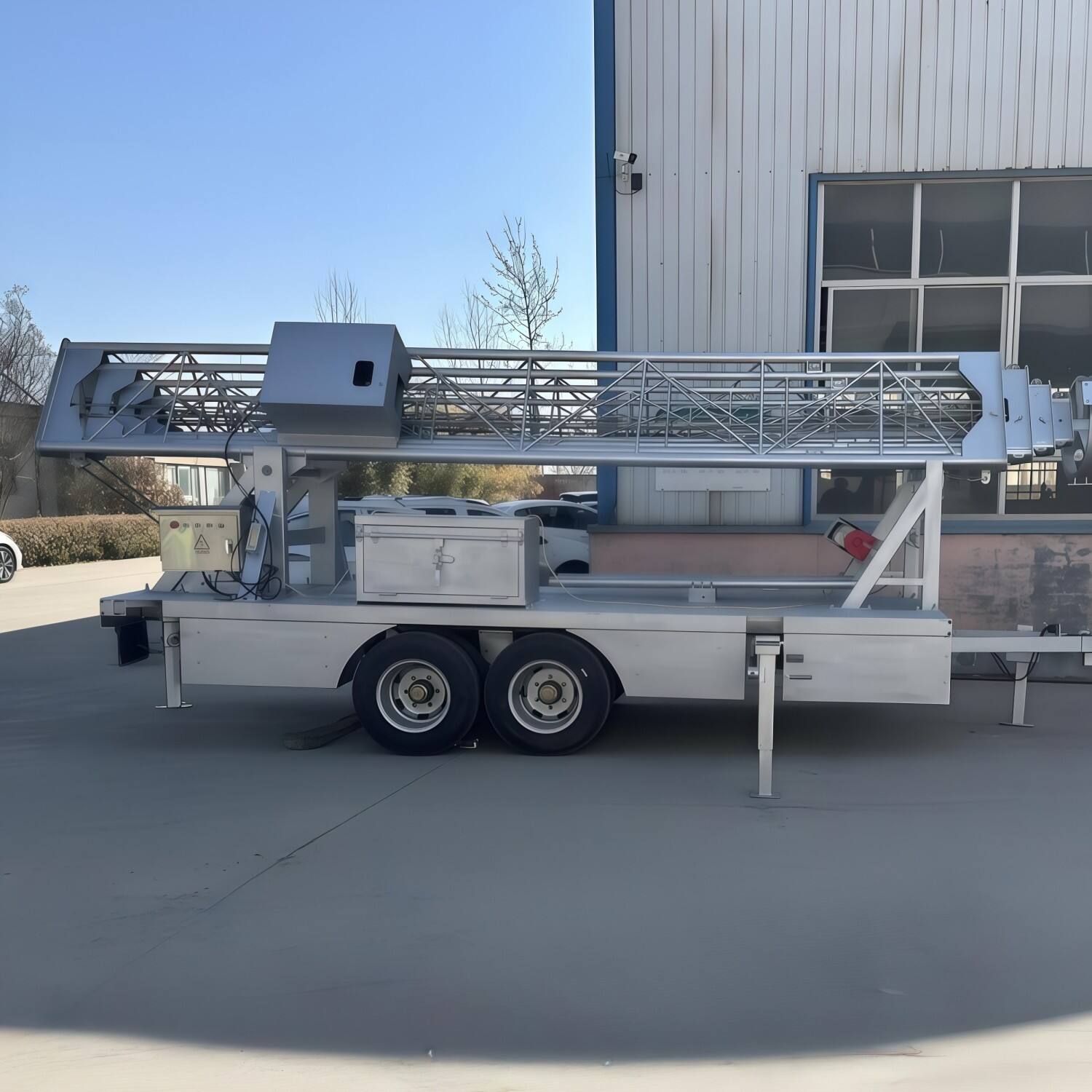
The rapid deployment and installation flexibility of a low cost cell tower revolutionizes how quickly organizations can establish wireless communication networks, addressing urgent connectivity needs with unprecedented speed and efficiency. Traditional tower installations typically require months of planning, permitting, site preparation, and construction activities that delay service activation and increase project costs. The innovative design of a low cost cell tower enables deployment teams to establish operational cellular coverage within 24 to 72 hours from arrival at the target location. This remarkable installation speed stems from the pre-engineered modular components that arrive at the site ready for immediate assembly without requiring extensive site preparation or specialized foundation work. The tower sections connect using precision-engineered coupling systems that ensure proper alignment and structural integrity while eliminating the need for complex welding or heavy lifting equipment. Installation crews can complete the entire deployment process using standard tools and basic construction equipment available through local rental suppliers, reducing logistical complexity and eliminating dependencies on specialized contractors. The flexible mounting options accommodate diverse terrain conditions, from rocky hillsides to sandy coastal areas, through adjustable foundation systems that adapt to local soil conditions and geological constraints. Emergency response organizations particularly value this rapid deployment capability during disaster recovery operations when traditional communication infrastructure suffers damage or destruction. The portable configurations of some low cost cell tower models enable helicopter or truck-based transportation to remote locations where road access remains limited or unavailable. Network operators can establish temporary coverage for special events, construction projects, or seasonal population increases without committing to permanent infrastructure investments. The installation flexibility extends to antenna configurations and equipment mounting options, allowing operators to optimize coverage patterns and capacity allocations based on specific demographic and geographic requirements. Regulatory compliance remains straightforward due to standardized designs that meet established safety and environmental standards without requiring extensive custom engineering documentation. The reversible installation process enables towers to be relocated or repurposed as network requirements evolve, protecting capital investments while maintaining operational flexibility for changing business needs.
Enhanced Rural Connectivity and Digital Inclusion

Enhanced Rural Connectivity and Digital Inclusion

The enhanced rural connectivity and digital inclusion capabilities of a low cost cell tower address critical infrastructure gaps that have historically prevented underserved communities from accessing modern telecommunications services and digital economic opportunities. Rural areas across the globe face significant challenges in establishing cellular coverage due to the high costs associated with traditional tower infrastructure and the relatively low population densities that make conventional business models economically unfeasible. The affordable nature of a low cost cell tower fundamentally changes this equation by reducing capital investment requirements to levels that make rural deployments financially viable for network operators and community organizations. These cost-effective solutions enable telecommunications cooperatives, local governments, and regional service providers to establish comprehensive cellular networks that serve farming communities, remote towns, and indigenous populations that have been digitally isolated for decades. The enhanced connectivity transforms local economies by enabling farmers to access real-time market information, weather data, and precision agriculture technologies that improve crop yields and reduce operational costs. Educational institutions in rural areas benefit significantly from reliable cellular coverage that supports distance learning initiatives, online resource access, and digital literacy programs that prepare students for modern workforce opportunities. Healthcare providers can implement telemedicine services that connect rural patients with specialist physicians located in urban medical centers, improving health outcomes while reducing travel expenses and time commitments. Small businesses gain access to e-commerce platforms, digital payment systems, and cloud-based management tools that enable them to compete in global markets previously accessible only to urban enterprises. The social impact extends beyond economic considerations, as reliable cellular coverage enables emergency communication services that can save lives during medical emergencies, natural disasters, or security incidents. Families separated by geographic distances maintain stronger relationships through improved voice and video communication capabilities that were previously unreliable or unavailable. The digital inclusion fostered by affordable cellular infrastructure reduces rural-urban disparities in access to information, services, and opportunities that contribute to community development and population retention in rural areas.


Get a Free Quote

Our representative will contact you soon.
Email
Name
Company Name
Message
0/1000