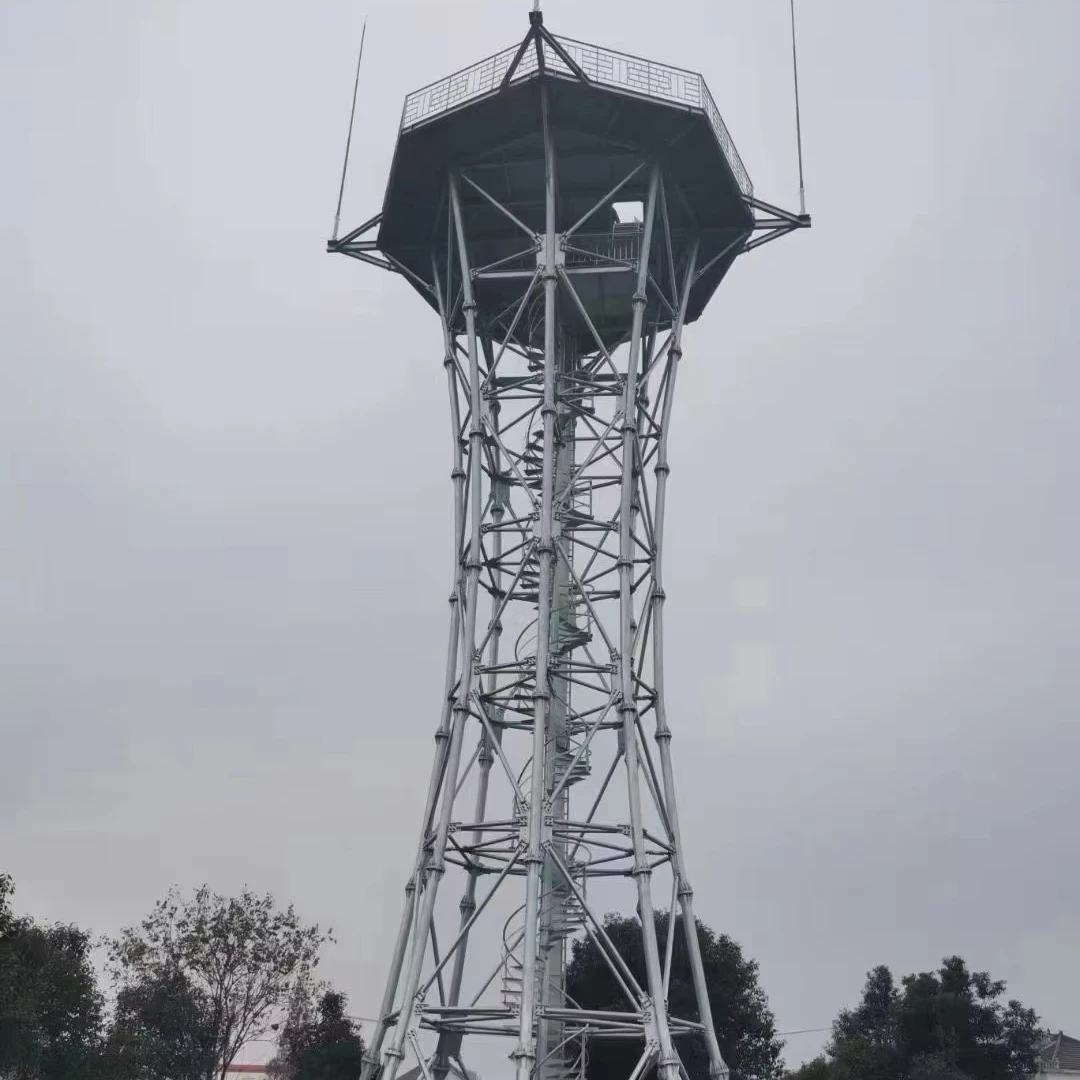
5G Small Cell Towers: Revolutionary Wireless Infrastructure for Enhanced Connectivity and Network Performance

Get a Free Quote

Our representative will contact you soon.
Email
Name
Company Name
Message
0/1000

5g small cell towers

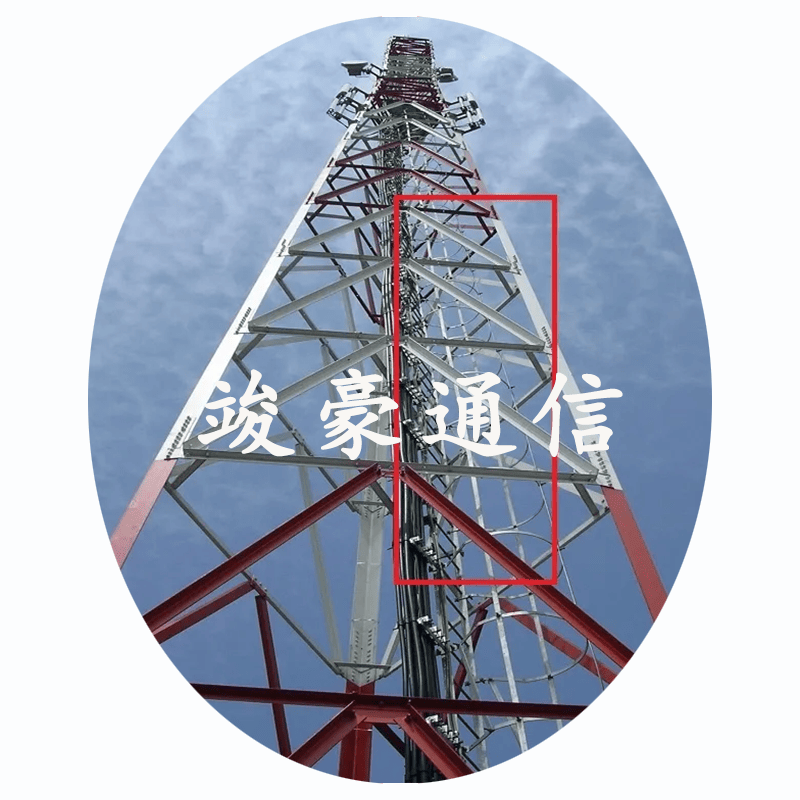
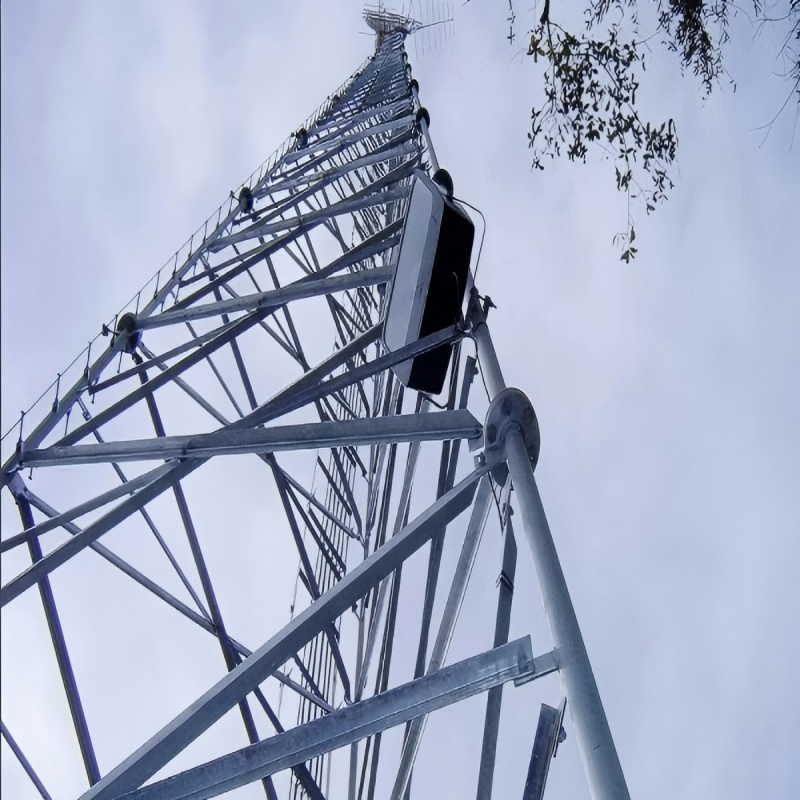
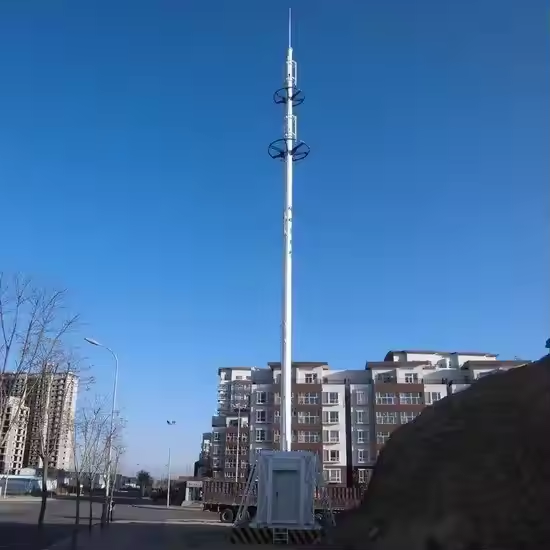
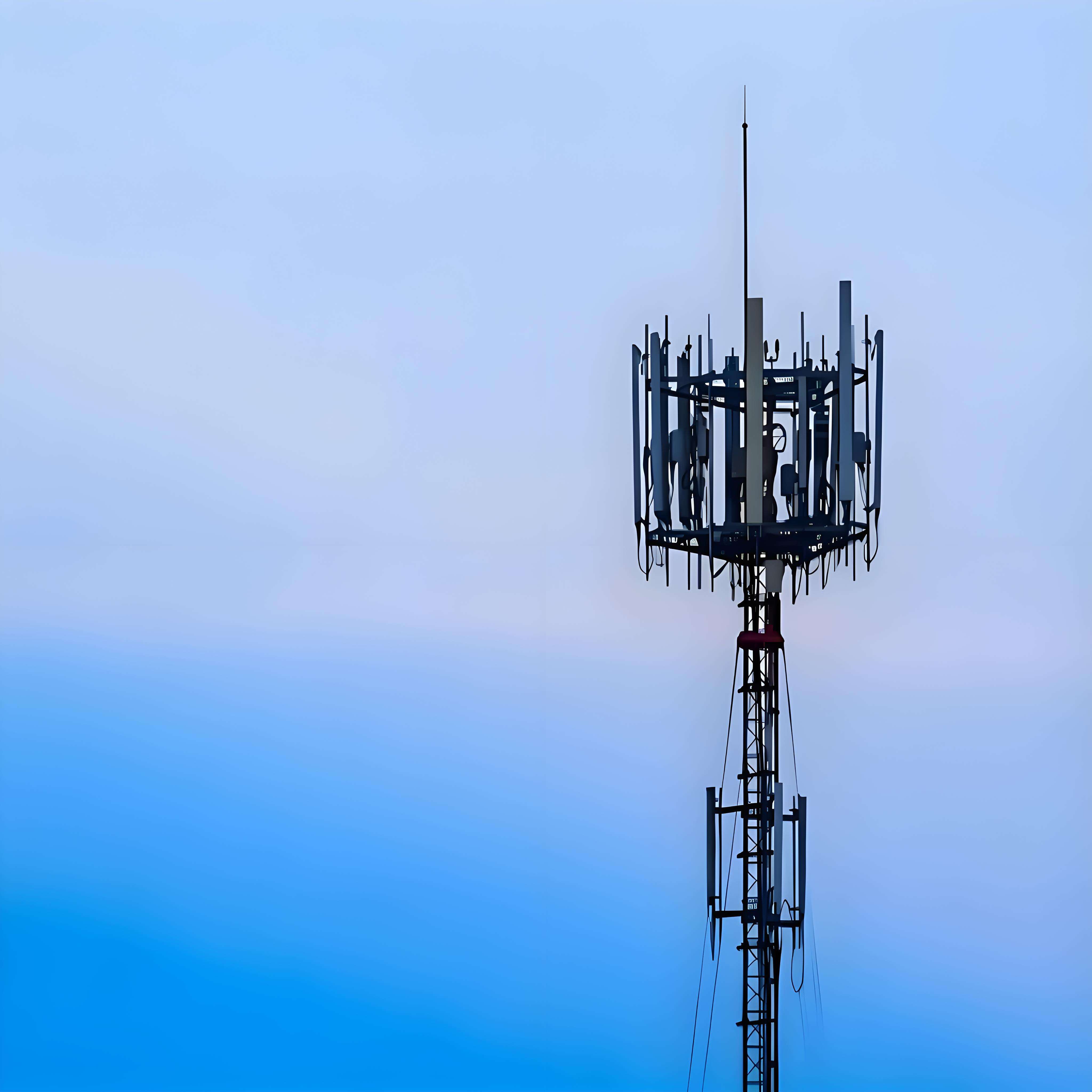
5G small cell towers represent a revolutionary advancement in wireless communication infrastructure, designed to enhance network coverage and capacity in dense urban environments. These compact base stations operate at significantly lower power levels compared to traditional macro cell towers, typically covering areas ranging from 10 meters to 2 kilometers in radius. The primary function of 5G small cell towers involves delivering high-speed wireless connectivity directly to end users while reducing network congestion and improving overall service quality. These sophisticated devices utilize advanced antenna systems and signal processing technologies to support multiple frequency bands simultaneously, including sub-6 GHz and millimeter wave spectrum allocations. The technological architecture incorporates massive MIMO antenna arrays, beamforming capabilities, and edge computing resources that enable ultra-low latency communication essential for emerging applications. 5G small cell towers integrate seamlessly with existing macro network infrastructure through advanced backhaul connections, creating a heterogeneous network environment that maximizes spectral efficiency. These installations support various deployment scenarios including indoor distributed antenna systems, outdoor street-level mounting, and building-integrated solutions. The modular design allows for flexible configuration based on specific coverage requirements and environmental constraints. Key applications encompass dense residential neighborhoods, commercial districts, transportation hubs, stadiums, and enterprise campuses where traditional macro towers cannot provide adequate service levels. The deployment of 5G small cell towers enables network operators to achieve the stringent performance requirements of next-generation wireless services, including enhanced mobile broadband, ultra-reliable low-latency communications, and massive machine-type communications. These installations play a crucial role in supporting Internet of Things ecosystems, autonomous vehicle networks, augmented reality applications, and real-time industrial automation systems that demand consistent high-performance connectivity across varied geographic locations and usage scenarios.

New Product Recommendations

The implementation of 5G small cell towers delivers substantial benefits that directly impact user experience and network performance across multiple dimensions. Enhanced coverage represents one of the most significant advantages, as these installations eliminate dead zones and weak signal areas that commonly occur in dense urban environments, underground locations, and interior spaces of large buildings. Users experience dramatically improved data speeds, with download rates often exceeding 1 Gbps in optimal conditions, enabling seamless streaming of ultra-high-definition content, rapid file transfers, and responsive cloud-based applications. The reduced latency characteristics of 5G small cell towers, typically achieving response times under 10 milliseconds, create new possibilities for real-time applications including remote surgery, autonomous vehicle coordination, and immersive gaming experiences. Network capacity expansion becomes achievable through strategic deployment of these towers, allowing operators to serve significantly more simultaneous users without degradation in service quality, particularly beneficial during peak usage periods and special events. Cost efficiency emerges as a compelling advantage, since 5G small cell towers require lower initial investment compared to macro tower installations while providing targeted coverage improvements where needed most. Energy consumption optimization occurs through intelligent power management systems that adapt transmission power based on real-time demand, resulting in reduced operational expenses and environmental impact. Flexibility in deployment locations enables network operators to respond quickly to changing coverage requirements, population growth patterns, and business development initiatives. The compact form factor facilitates installation in space-constrained urban environments where traditional tower construction faces regulatory or physical limitations. Service reliability improves significantly through network redundancy created by overlapping coverage areas from multiple small cell installations. Quality of service enhancements become apparent through reduced network congestion, consistent signal strength, and improved call completion rates. Future-proofing capabilities ensure that 5G small cell towers can accommodate evolving technology standards and increasing bandwidth demands through software updates and modular hardware upgrades. These advantages collectively create a superior wireless communication environment that meets the demanding requirements of modern digital applications while providing scalable infrastructure for continued technological advancement.

Tips And Tricks

Tower Talk: The Great Self - Standing vs Guyed Tower Debate

13

Oct

Tower Talk: The Great Self - Standing vs Guyed Tower Debate

View More
The Urban Chameleons: Tree-Like Towers

13

Oct

The Urban Chameleons: Tree-Like Towers

View More
Comparative Analysis of Three-Legged Angle Steel Towers and Three-Legged Tubular Towers

13

Oct

Comparative Analysis of Three-Legged Angle Steel Towers and Three-Legged Tubular Towers

View More
Comprehensive Guide to Communication Tower Design and Procurement

27

Oct

Comprehensive Guide to Communication Tower Design and Procurement

View More

Get a Free Quote

Our representative will contact you soon.
Email
Name
Company Name
Message
0/1000

5g small cell towers

Ultra-Fast Data Transmission and Low Latency Performance

Ultra-Fast Data Transmission and Low Latency Performance

5G small cell towers deliver unprecedented data transmission speeds that fundamentally transform how users interact with mobile technology and cloud-based services. These advanced installations achieve download speeds exceeding 10 Gbps under optimal conditions, representing a quantum leap from previous generation wireless technologies. The enhanced bandwidth capabilities enable users to download full-length movies in seconds, stream multiple 4K video streams simultaneously, and access bandwidth-intensive applications without buffering delays. The ultra-low latency performance, often achieving response times below 1 millisecond, creates new possibilities for time-critical applications that require instant communication between devices and network resources. This remarkable responsiveness proves essential for emerging technologies including autonomous vehicles that must react instantaneously to changing road conditions, remote surgical procedures where precise real-time control is mandatory, and augmented reality applications that overlay digital information seamlessly onto physical environments. Industrial automation systems benefit tremendously from this low-latency communication, enabling precise coordination of robotic manufacturing processes, real-time quality control monitoring, and immediate response to safety-critical situations. Gaming enthusiasts experience revolutionary improvements in online gaming performance, with elimination of lag-related issues that previously compromised competitive gameplay and virtual reality experiences. The consistent high-speed connectivity supports advanced video conferencing solutions with crystal-clear audio and video quality, facilitating productive remote work environments and global collaboration initiatives. Cloud computing applications become more responsive and practical for everyday use, as users can access powerful computing resources hosted in remote data centers without perceptible delays. The enhanced performance characteristics of 5G small cell towers enable businesses to implement sophisticated real-time analytics systems, instant inventory management solutions, and responsive customer service platforms that adapt immediately to changing market conditions and user preferences.
Comprehensive Coverage Enhancement and Network Densification

Comprehensive Coverage Enhancement and Network Densification

The strategic deployment of 5G small cell towers creates a comprehensive coverage enhancement strategy that addresses the fundamental limitations of traditional macro tower networks in serving dense urban populations and complex building environments. These installations fill critical coverage gaps that occur naturally in metropolitan areas due to physical obstructions, signal interference, and the inherent limitations of high-frequency wireless propagation characteristics. The network densification achieved through small cell deployment ensures consistent signal strength across diverse environments including underground parking structures, interior spaces of large commercial buildings, outdoor plazas, and residential neighborhoods with challenging topographical features. This enhanced coverage proves particularly valuable in high-traffic areas such as airports, shopping centers, sports venues, and transportation hubs where large numbers of users simultaneously demand reliable connectivity. The overlapping coverage patterns created by multiple 5G small cell towers provide redundancy that maintains service continuity even during equipment maintenance or unexpected outages. Urban planners and developers increasingly recognize the value of integrated small cell infrastructure in creating smart city environments that support advanced municipal services, traffic management systems, and public safety communications. The improved indoor penetration capabilities of these installations eliminate the frustrating experience of poor cellular reception within buildings, ensuring that users maintain consistent connectivity regardless of their location within complex architectural environments. Suburban and rural deployment scenarios benefit from the ability to extend network coverage into previously underserved areas without the substantial infrastructure investment required for traditional macro tower construction. The modular and scalable nature of 5G small cell towers allows network operators to respond dynamically to changing population densities, seasonal usage patterns, and economic development initiatives that create new coverage requirements. Emergency services organizations rely on this enhanced coverage to maintain critical communications capabilities during disaster response operations and public safety incidents where reliable connectivity can significantly impact outcomes and response effectiveness.
Energy Efficiency and Environmental Sustainability Features

Energy Efficiency and Environmental Sustainability Features

5G small cell towers incorporate advanced energy efficiency technologies and environmental sustainability features that address growing concerns about the ecological impact of expanding wireless communication infrastructure. These installations consume significantly less power compared to traditional macro cell towers, typically operating at power levels between 1-10 watts versus the 20-40 watts required by conventional base stations. The reduced energy consumption directly translates into lower carbon emissions and operational costs while maintaining superior network performance and coverage characteristics. Intelligent power management systems continuously monitor traffic patterns and automatically adjust transmission power levels based on real-time demand, ensuring optimal energy utilization without compromising service quality during peak usage periods. Solar panel integration capabilities enable many 5G small cell towers to operate partially or entirely on renewable energy sources, particularly in outdoor installations where direct sunlight exposure provides consistent power generation opportunities. The compact physical footprint of these installations minimizes land use requirements and reduces the visual impact on urban landscapes, addressing community concerns about infrastructure proliferation while maintaining aesthetic considerations important to local stakeholders. Advanced thermal management systems prevent overheating while minimizing energy consumption through efficient cooling mechanisms and temperature-responsive operational adjustments. The extended operational lifespan of 5G small cell towers, typically exceeding 15 years with proper maintenance, reduces the frequency of equipment replacement cycles and associated environmental costs of manufacturing and disposal processes. Recyclable materials incorporated into the construction of these towers support circular economy principles and responsible end-of-life disposal practices. The network efficiency improvements achieved through small cell deployment reduce the overall energy consumption per bit of data transmitted, creating a more sustainable wireless communication ecosystem that can accommodate growing data demands without proportional increases in energy consumption. Remote monitoring and diagnostic capabilities minimize the need for physical maintenance visits, reducing transportation-related emissions and operational costs while ensuring optimal performance through predictive maintenance protocols.

Get a Free Quote

Our representative will contact you soon.
Email
Name
Company Name
Message
0/1000