 EN
EN


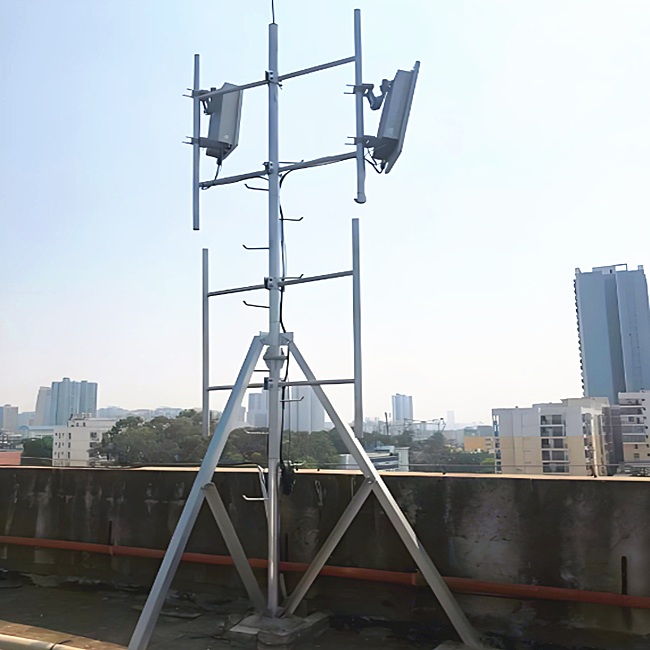
Структурная целостность современной телекоммуникационной инфраструктуры в фундаментальной степени зависит от точности, с которой изготавливаются и монтируются соединения и узлы решетчатых опор. По мере расширения телекоммуникационных сетей для поддержки технологий 4G, 5G и будущих поколений возрос спрос на более высокие и сложные конструкции решетчатых опор, что породило беспрецедентные трудности в обеспечении точности изготовления. Автоматизированные технологии производства выступают в качестве окончательного решения этих задач, кардинально изменив подход производителей к сложному процессу создания соединений и узлов, способных выдерживать экстремальные эксплуатационные нагрузки при одновременном сохранении идеального взаимного расположения в течение десятилетий службы. Понимание того, как автоматизация обеспечивает такую точность, объясняет, почему ведущие инфраструктурные проекты по всему миру перешли от традиционных ручных методов к компьютеризированным системам производства.
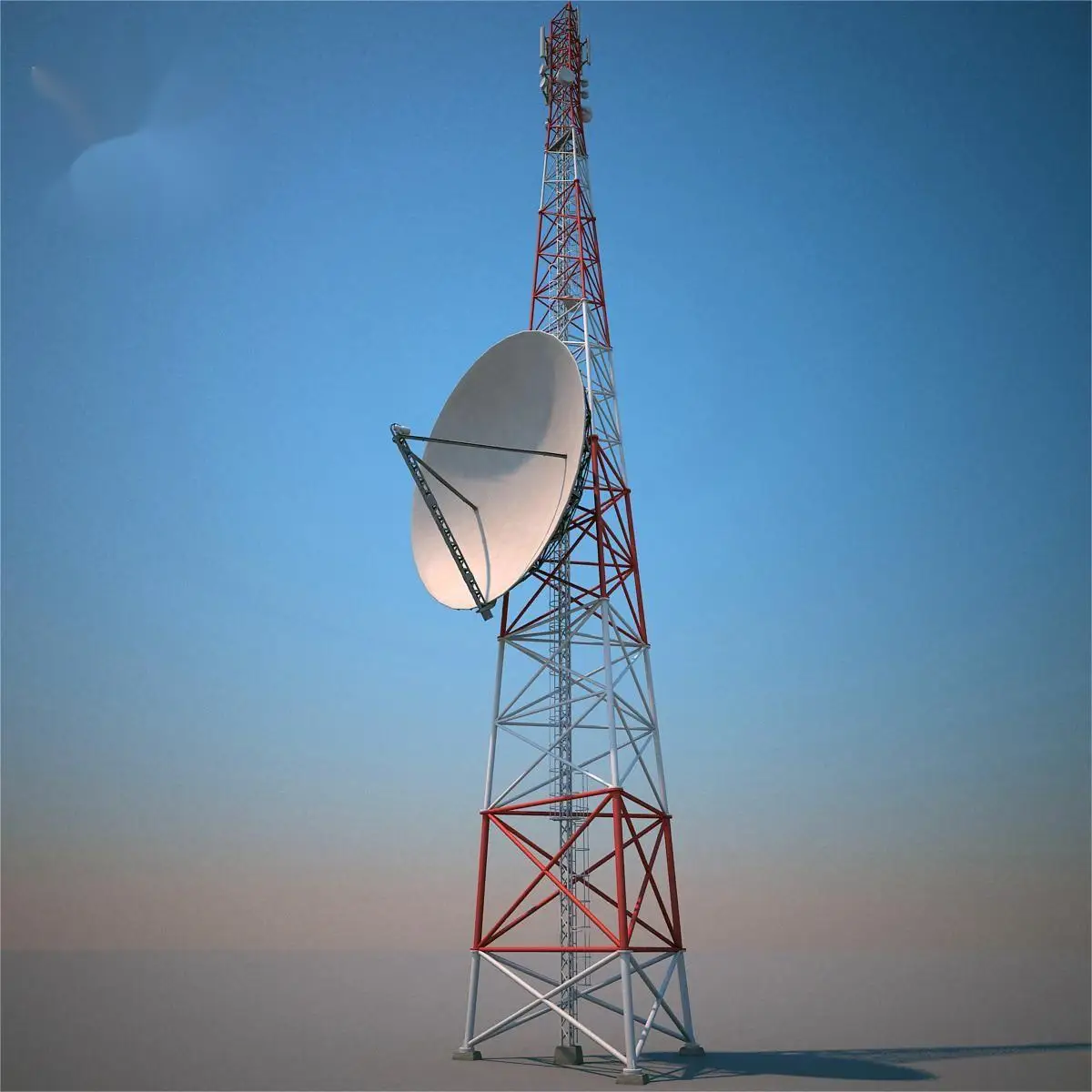
Сложность соединений решетчатых башен заключается в одновременном управлении множеством геометрических параметров, включая точность углов, стабильность размеров, глубину проплавления сварного шва и совмещение материалов в многочисленных точках соединения. Типичная решетчатая башня может содержать сотни отдельных узлов, в которых сходятся элементы стоек, раскосы и поперечные связи, причем каждый из таких узлов требует точной резки под заданными углами, точного расположения отверстий под болты и строго определённой последовательности сварки. Традиционные ручные методы изготовления, хотя и эффективны для небольших проектов, приводят к накоплению погрешностей, что может ухудшить эксплуатационные характеристики конструкции при масштабировании до многосекционных башен высотой более 50 метров. Автоматизированные системы изготовления устраняют эти ограничения за счёт интеграции технологий измерения, позиционирования и выполнения операций с допусками на уровне микрон, обеспечивая соответствие каждого соединения точным техническим требованиям независимо от объёма производства или геометрической сложности.
Цифровое точное управление геометрией соединений и угловой точностью
Интеграция компьютерного проектирования и параметрическое моделирование
Автоматизированное производство начинается с комплексного цифрового моделирования, при котором каждая конфигурация соединений в конструкции решётчатой башни определяется с помощью параметрического программного обеспечения САПР. Эти цифровые модели точно отражают угловые взаимосвязи между элементами, размеры соединительных плит, расположение отверстий под болты и подготовку сварных соединений с математической точностью, исключающей ошибки интерпретации, присущие традиционному производству на основе чертежей. Параметрическая природа этих моделей позволяет инженерам задавать взаимосвязи между компонентами таким образом, чтобы любые изменения в проекте автоматически распространялись на все затронутые соединения, обеспечивая согласованность по всей конструкции башни. Эта цифровая основа становится единым источником достоверной информации, который направляет все последующие операции автоматизированного производства.
Переход от цифровой модели к физическому изготовлению осуществляется через прямые интерфейсы управления станками, которые преобразуют геометрию CAD в точные управляющие команды для оборудования без ручного ввода данных. Системы ЧПУ-резки, роботизированные сварочные ячейки и автоматизированные сверлильные станции получают координатные данные непосредственно из инженерной модели, обеспечивая позиционирование инструментов и заготовок с повторяемостью, измеряемой сотыми долями миллиметра. Такой прямой цифровой поток «от модели к физическому изделию» исключает ошибки при переписывании данных, недоразумения и несоответствия измерений, характерные для ручных процессов изготовления. Для сложных соединений решётчатых башен, где несколько элементов сходятся под составными углами, такая точность становится критически важной: даже незначительные отклонения могут вызывать накопительные несоосности, препятствующие правильной сборке башни или нарушающие распределение нагрузки.
Автоматическая резка под углом и подготовка профиля
Изготовление элементов решетчатых башен требует точной резки под углом, при которой трубчатые или угловые стальные профили должны идеально совмещаться в местах соединений. Автоматизированные системы плазменной и лазерной резки обеспечивают это за счёт позиционирования резака по нескольким осям, что позволяет сохранять точные угловые взаимосвязи при одновременной компенсации толщины материала, ширины реза (керфа) и термических деформаций. Эти системы используют датчики высоты в реальном времени для поддержания постоянного расстояния от резака до поверхности заготовки при перемещении по участкам с различной топографией материала, обеспечивая равномерное качество реза по всему профилю. Для фасок, необходимых при сварных соединениях, угол резки автоматически корректируется в соответствии с конструкцией соединения, формируя подготовку кромок под сварку, которая способствует полному проплавлению и правильному сплавлению без необходимости ручной зачистки или подгонки.
Современные автоматизированные системы резки для изготовления решётчатых башен включают автоматизацию обработки материалов, которая позиционирует элементы для резки на основе оптимизированных схем раскроя, обеспечивающих максимальное использование материала при соблюдении логики последовательности резки. Роботизированные системы обработки материалов захватывают, поворачивают и позиционируют стальные профили с высокой точностью, контролируемой по силе, что предотвращает деформацию тонкостенных профилей, характерных для строительства решётчатых башен. Такой комплексный подход гарантирует сохранение геометрической точности, достигнутой на этапе резки, на всех последующих этапах обработки и сборки, обеспечивая необходимую размерную стабильность для точной подгонки соединений.
Роботизированные сварочные системы и целостность соединений
Адаптивное управление сваркой для сложных конфигураций соединений
Сварка решетчатая башня соединения представляют собой одно из наиболее критичных требований к точности при автоматизированном производстве, поскольку качество сварного шва напрямую определяет несущую способность и сопротивление усталости каждого соединения. Роботизированные сварочные системы, предназначенные для изготовления решётчатых башен, используют позиционирование с визуальным управлением, которое в реальном времени определяет геометрию соединения, компенсируя незначительные отклонения в расположении компонентов или свойствах материала. Эти системы применяют лазерное профилирование или сканирование структурированным светом для получения карты фактической конфигурации сварного шва непосредственно перед началом сварки и сравнения полученных данных с идеальной геометрией, заданной в цифровой модели. Затем сварочная программа корректирует угол наклона горелки, скорость перемещения, скорость подачи проволоки и тепловложение таким образом, чтобы они соответствовали фактическим условиям, обеспечивая стабильную глубину проплавления и форму шва независимо от вариаций компонентов.
Многокоординатные роботизированные сварочные ячейки обеспечивают необходимую гибкость позиционирования для соединений решётчатых башен, где углы доступа могут быть сильно ограничены сходящимися конструктивными элементами. Шестикоординатные роботы могут подходить к сварочным швам под оптимальными углами, сохраняя правильную ориентацию горелки и заданное расстояние от контактного наконечника до изделия на протяжении всего сварочного цикла. Эта возможность оказывается критически важной при выполнении внутренних швов в коробчатых соединениях или в местах перекрытия элементов, где ручной доступ для сварки потребовал бы сложных и трудоёмких приспособлений либо был бы физически невозможен. Программируемый характер роботизированной сварки гарантирует, что каждый идентичный узел получает одинаковые сварочные параметры, положение проволоки и тепловое воздействие, устраняя зависимость от оператора и связанную с ней изменчивость, которая приводит к нестабильным механическим свойствам при ручной сварке.
Контроль качества в реальном времени и документирование технологического процесса
Автоматизированные сварочные системы для изготовления решётчатых башен включают встроенные технологии мониторинга, которые оценивают качество сварных швов непосредственно в процессе сварки, а не только при последующем контроле после завершения изготовления. Системы контроля тока и напряжения отслеживают электрические параметры сварочной дуги тысячи раз в секунду, выявляя отклонения, указывающие на пористость, непровар или другие дефекты по мере их возникновения. Современные системы объединяют такой электрический контроль с тепловизионным наблюдением, позволяющим картировать распределение температуры в зоне сварки и выявлять участки с недостаточным тепловложением (что может привести к непровару) или чрезмерным тепловложением (вызывающим прожог тонких элементов). Эти данные о качестве в реальном времени становятся частью постоянной документации по каждому компоненту решётчатой башни, обеспечивая прослеживаемость, необходимую для подтверждения соответствия требованиям качества и нормативным стандартам.
Данные, генерируемые автоматизированными сварочными системами, формируют исчерпывающую документацию по качеству, которую традиционная ручная сварка не может обеспечить ни по полноте, ни по объективности. Каждому сварному шву сопоставляется документация с указанием фактически использованных параметров, выявленных отклонений и принятых корректирующих мер, привязанная к конкретным серийным номерам компонентов и идентификаторам проектов опор линий электропередачи. Такая документация оказывается чрезвычайно ценной при рассмотрении гарантийных требований, анализе отказов и реализации инициатив по непрерывному совершенствованию производственных процессов. Для проектов решётчатых опор, подпадающих под строгие стандарты телекоммуникационной отрасли или требования сейсмостойкого проектирования, такой уровень документирования технологических процессов предоставляет доказательства стабильности производства, требуемые инспекторами и органами по сертификации.
Автоматизированное позиционирование и точное сверление отверстий под болты
Системы сверления с ЧПУ и точность расположения отверстий
Болтовые соединения в сборках решетчатых башен требуют совпадающих отверстий на нескольких компонентах, зачастую в стальных листах толщиной более 20 миллиметров, где точность сверления представляет значительную сложность. Автоматизированные станки с ЧПУ для сверления обеспечивают точность расположения отверстий за счёт жёсткой конструкции станка, прецизионных ходовых винтов с шариковыми гайками и систем обратной связи по положению в реальном времени, которые проверяют местоположение инструмента перед началом каждой операции сверления. Эти системы оснащены автоматическими устройствами смены инструмента, которые без вмешательства оператора выбирают соответствующий диаметр сверла, центровочное сверло или развертку в соответствии с запрограммированной последовательностью, обеспечивая стабильное качество отверстий на протяжении всего производственного цикла. Жёсткие системы зажима в автоматизированных сверлильных центрах предотвращают смещение заготовки во время сверления, устраняя погрешности позиционирования, возникающие при ручном сверлении из-за смещения зажимов под действием сил резания.
Для компонентов решетчатых башен с отверстиями, расположенными под составным углом, или отверстиями, которые должны сохранять определённые ориентационные взаимосвязи, многоосевые станки с ЧПУ для сверления обеспечивают поворотное позиционирование, необходимое для установки заготовки под оптимальными углами относительно режущего инструмента. Эта функция гарантирует, что отверстия остаются перпендикулярными поверхности материала даже в тех случаях, когда эта поверхность не параллельна рабочему столу станка, предотвращая образование овальных отверстий и нестабильных расстояний до краёв, которые нарушают целостность болтовых соединений. Программируемость таких систем позволяет быстро перенастраивать оборудование при переходе между различными типами компонентов решетчатых башен без затрат времени на наладку и проверку измерений, требуемых при переустановке ручных сверлильных шаблонов.
Интеграция с оснасткой для сборки и проверкой качества
Автоматизированные системы сверления для изготовления решётчатых башен всё чаще включают технологии измерений в процессе, которые проверяют точность расположения отверстий сразу после сверления и предоставляют обратную связь, позволяющую запускать корректирующие действия до перехода компонентов к последующим операциям. Контактные измерительные щупы координатно-измерительных систем, установленные в шпинделе сверлильного станка, могут проверять положение отверстий с использованием той же системы позиционирования, что и при сверлении, обеспечивая точность измерений, привязанных к той же системе координат. Такая замкнутая система верификации устраняет неопределённость положения, возникающую при перемещении компонентов на отдельное контрольное оборудование, где различия в крепёжных приспособлениях и температурные колебания могут повлиять на результаты измерений.
Интеграция автоматизации сверлильных операций с системами сборочных приспособлений создаёт производственные ячейки, в которых компоненты решётчатых башен перемещаются непосредственно из зоны сверления в приспособления для прихваточной сварки или болтового соединения без промежуточного ручного перемещения, которое может вызвать погрешности в положении. В таких интегрированных ячейках применяются общие системы базирования, при этом операция сверления выполняется относительно тех же физических элементов детали, которые будут использоваться для её ориентации и фиксации в процессе сборки; это обеспечивает точное совпадение расположения отверстий с соответствующими элементами сопрягаемых деталей, как и задумано при проектировании. Такой системный подход к автоматизации учитывает, что высокая точность отдельных операций должна дополняться столь же высокой точностью взаимного расположения этих операций, чтобы достичь требуемой общей геометрической точности сложных сборок решётчатых башен.
Автоматизация транспортировки материалов и геометрическая стабильность
Роботизированная транспортировка материалов и позиционирование компонентов
Перемещение компонентов решетчатых башен между операциями изготовления создает значительные риски ухудшения геометрических параметров при неправильном обращении, особенно для длинных и тонких элементов, чувствительных к изгибающим и крутящим нагрузкам. Автоматизированные системы перемещения материалов используют захваты специальной конструкции, разработанные специально для поддержки компонентов решетчатых башен в оптимальных точках, что минимизирует прогиб и предотвращает пластическую деформацию. Захваты с датчиками силы адаптируют усилие зажима в зависимости от физико-механических свойств материала и геометрии поперечного сечения каждого компонента, обеспечивая достаточное усилие для надежной фиксации детали без разрушения тонкостенных участков или повреждения поверхностного покрытия. Такой интеллектуальный способ обращения сохраняет геометрическую точность, достигнутую на этапах резки и формовки, и обеспечивает стабильность размерных параметров на протяжении всего цикла изготовления.
Автоматизированные транспортные средства и системы козловых кранов, интегрированные с программным обеспечением управления производством, оптимизируют поток материалов на производственном участке, размещая компоненты на рабочих местах в соответствии с производственным расписанием, что минимизирует время ожидания в очереди и объём незавершённого производства. В этих системах используются технологии позиционирования, включая лазерное наведение, следование по магнитной ленте или навигацию на основе машинного зрения, обеспечивающие доставку компонентов в точные позиции загрузки на каждом рабочем месте. Предсказуемость автоматизированной подачи материалов позволяет отдельным производственным станциям заранее готовиться к поступлению новых деталей, сокращая время наладки и повышая общую эффективность оборудования. Для проектов решётчатых башен со сложными спецификациями, включающими сотни уникальных компонентов, такая согласованная подача материалов предотвращает путаницу и ошибочную идентификацию, которые могут возникнуть при ручной транспортировке материалов.
Автоматизация крепёжных приспособлений и повторяемое позиционирование компонентов
Приспособления, определяющие положение и удерживающие элементы решётчатых башен во время сварки и сборки, напрямую влияют на конечную точность геометрии соединений и выравнивания элементов. Автоматизированные системы приспособлений включают пневматические или гидравлические зажимы, которые устанавливают и фиксируют компоненты в соответствии с запрограммированной последовательностью, обеспечивая стабильное усилие зажима и точное расположение на всех производственных циклах. Эти приспособления используют прецизионные фиксирующие штифты, регулируемые упоры и адаптивные поверхности зажима, способные компенсировать обычные отклонения в материалах при сохранении критически важных размерных характеристик в пределах заданных допусков. Автоматическое управление этими приспособлениями исключает зависимость от оператора при размещении компонентов, гарантируя, что каждое сборочное приспособление загружает компоненты в точно одинаковой конфигурации.
Современные системы установочных приспособлений для изготовления решётчатых башен включают датчики, проверяющие правильность размещения компонентов до начала операций сварки или сверления. Системы технического зрения подтверждают, что в приспособление загружен нужный компонент и в правильной ориентации, предотвращая дорогостоящие ошибки, возникающие при перепутывании внешне схожих деталей или их установке задом наперёд. Тензодатчики в зажимах приспособлений проверяют, полностью ли компоненты упираются в базирующие поверхности, выявляя зазоры или условия взаимного препятствия, которые привели бы к отклонениям размеров в готовой сборке. Такая проверка на основе датчиков превращает пассивные приспособления в активные устройства контроля качества, предотвращающие дефекты, а не просто обнаруживающие их после завершения изготовления.
Интеграция процессов и управление исполнением производства
Цифровой производственный рабочий процесс и непрерывность данных
Полный потенциал автоматизированного производства в плане точности раскрывается тогда, когда отдельные автоматизированные процессы интегрируются в комплексные системы управления производством, управляющие всем рабочим процессом изготовления решётчатых башен. Эти системы обеспечивают цифровую непрерывность от первоначального проектирования до окончательного контроля, гарантируя, что геометрический замысел, определённый на этапе проектирования, сохраняется без искажений на всех этапах производственных операций. Программное обеспечение управления производством отслеживает ход обработки каждого компонента в последовательности изготовления и автоматически направляет компоненты на соответствующие рабочие места с учётом их технологических требований и текущей загрузки производственных мощностей. Такое интеллектуальное маршрутизирование предотвращает возникновение узких мест и обеспечивает эффективную группировку компонентов с похожими технологическими требованиями, что минимизирует количество переналадок оборудования при соблюдении обязательств по срокам поставки.
Интеграция данных, обеспечиваемая системами исполнения производственных операций (MES), позволяет в режиме реального времени отслеживать статус производства, показатели качества и производительность оборудования, что способствует проактивному управлению процессом изготовления. Руководители производства могут контролировать тенденции точности геометрических размеров в течение нескольких смен и на различных станках, выявляя систематические отклонения до того, как они приведут к браку компонентов. Такая аналитическая возможность трансформирует автоматизированное изготовление — от простого ускорения ручных операций к принципиально новой парадигме производства, в которой решения, основанные на данных, одновременно оптимизируют качество, производительность и эффективность использования ресурсов. Для производителей решётчатых опор, конкурирующих на рынках, где сроки поставки и стабильность качества определяют коммерческий успех, такая интеграция обеспечивает конкурентные преимущества, недостижимые при изолированной автоматизации.
Автоматизация обеспечения качества и интеграция контроля
Автоматизированные технологии контроля дополняют автоматизацию изготовления, обеспечивая возможности проверки геометрических размеров, соответствующие точности и производительности автоматизированных производственных процессов. Координатно-измерительные машины, оснащённые щупами контактного типа или лазерными сканерами, фиксируют полную трёхмерную геометрию изготовленных компонентов решётчатых опор, сравнивая фактические размеры с проектными спецификациями с разрешением, измеряемым в микронах. Полученные измерения формируют отчёты об отклонениях, в которых выделяются участки, превышающие предельно допустимые отклонения, что позволяет оперативно информировать персонал производства или напрямую передавать данные в системы управления станками для автоматической коррекции. Высокая скорость автоматизированного контроля позволяет проводить проверку 100 % критических размеров вместо статистической выборки, характерной для ручного контроля, обеспечивая соответствие каждого компонента заданным спецификациям до начала сборки.
Интеграция данных контроля с системами управления производственными процессами замыкает контур обратной связи по качеству, обеспечивая непрерывное совершенствование процессов за счёт статистического анализа тенденций геометрических параметров и их корреляции с технологическими параметрами. Алгоритмы машинного обучения могут анализировать эти данные для выявления тонких взаимосвязей между скоростями резания, износом инструмента, температурой окружающей среды и точностью геометрических параметров, предлагая корректировки технологического процесса, оптимизирующие показатели качества. Для операций по изготовлению решётчатых башен, при которых выпускаются различные типы компонентов в объёмах, изменяющихся от партии к партии, такая интеллектуальная система управления качеством гарантирует стабильную точность вне зависимости от сложности производства или давления со стороны графика работ. В результате достигается производственный потенциал, обеспечивающий требуемую геометрическую стабильность современных конструкций решётчатых башен, где допуски при сборке ужесточены для обеспечения лёгких конструкций и более сложных условий нагружения.
Часто задаваемые вопросы
Какие допуски по точности может обеспечить автоматизированное производство узлов решетчатых башен по сравнению с ручными методами?
Автоматизированные системы производства компонентов решетчатых башен, как правило, обеспечивают позиционные допуски для расположения отверстий в диапазоне ±0,5 мм – ±1,0 мм и угловую точность при обрезке концов элементов в пределах ±0,25 градуса, что представляет собой значительное улучшение по сравнению с допусками ручного производства, обычно составляющими от ±2,0 мм до ±3,0 мм. Повышенная точность напрямую влияет на эффективность сборки за счёт снижения необходимости подгонки на строительной площадке и обеспечивает более равномерное распределение нагрузок в болтовых и сварных соединениях, повышая эксплуатационные характеристики конструкции и её сопротивление усталости.
Как автоматизированное производство учитывает вариации свойств стальных материалов, влияющие на процессы сварки и резки?
Современные автоматизированные системы включают адаптивные технологии управления, которые в режиме реального времени отслеживают обратную связь от процесса и корректируют параметры для компенсации различий в материалах. Сварочные системы измеряют фактические характеристики дуги и изменяют силу тока, напряжение или скорость перемещения для поддержания стабильной глубины проплавления независимо от различий в химическом составе стали или её толщине. Аналогично, автоматизированные системы резки используют датчики высоты и управление мощностью, адаптирующиеся к наличию окалины на поверхности, твёрдости материала и его толщине, обеспечивая стабильное качество реза при работе с различными плавками и поставщиками материалов.
Могут ли автоматизированные системы изготовления выполнять заказные конструкции решётчатых башен или только стандартизированные конфигурации?
Современное автоматизированное оборудование для изготовления конструкций, программируемое через интерфейсы CAD/CAM, способно реализовать практически любую геометрию решётчатой башни без физической замены оснастки, что делает индивидуальные проекты столь же экономически выгодными, как и стандартные конфигурации. Гибкость станков с ЧПУ и роботизированных систем позволяет быстро перенастраивать программы при переходе от одного типа компонентов к другому: время наладки измеряется минутами, а не часами. Эта программируемость даёт производителям возможность эффективно выпускать решётчатые башни под конкретный проект — с оптимизацией под условия площадки, требования по нагрузкам и эстетические соображения — без потери точности и стабильности, присущих автоматизированным процессам.
Какая документация по качеству предоставляется при автоматизированном изготовлении для проектов решётчатых башен, требующих структурной сертификации?
Автоматизированные системы изготовления создают исчерпывающую технологическую документацию, включая фактические размерные измерения, параметры сварки с указанием временных меток, данные о прослеживаемости материалов и сертификаты операторов, привязанные к конкретным серийным номерам компонентов. Такой цифровой документ по качеству служит объективным подтверждением, требуемым органами по сертификации конструкций, и демонстрирует, что производственные процессы на протяжении всего цикла изготовления оставались в пределах заданных параметров. Полная и объективная природа такой автоматизированной документации зачастую ускоряет процессы сертификации по сравнению с качественными записями, составляемыми вручную, которые опираются на журналы операторов и данные инспекционных проверок, основанные на выборочном контроле.
Содержание
- Цифровое точное управление геометрией соединений и угловой точностью
- Роботизированные сварочные системы и целостность соединений
- Автоматизированное позиционирование и точное сверление отверстий под болты
- Автоматизация транспортировки материалов и геометрическая стабильность
- Интеграция процессов и управление исполнением производства
-
Часто задаваемые вопросы
- Какие допуски по точности может обеспечить автоматизированное производство узлов решетчатых башен по сравнению с ручными методами?
- Как автоматизированное производство учитывает вариации свойств стальных материалов, влияющие на процессы сварки и резки?
- Могут ли автоматизированные системы изготовления выполнять заказные конструкции решётчатых башен или только стандартизированные конфигурации?
- Какая документация по качеству предоставляется при автоматизированном изготовлении для проектов решётчатых башен, требующих структурной сертификации?