 EN
EN


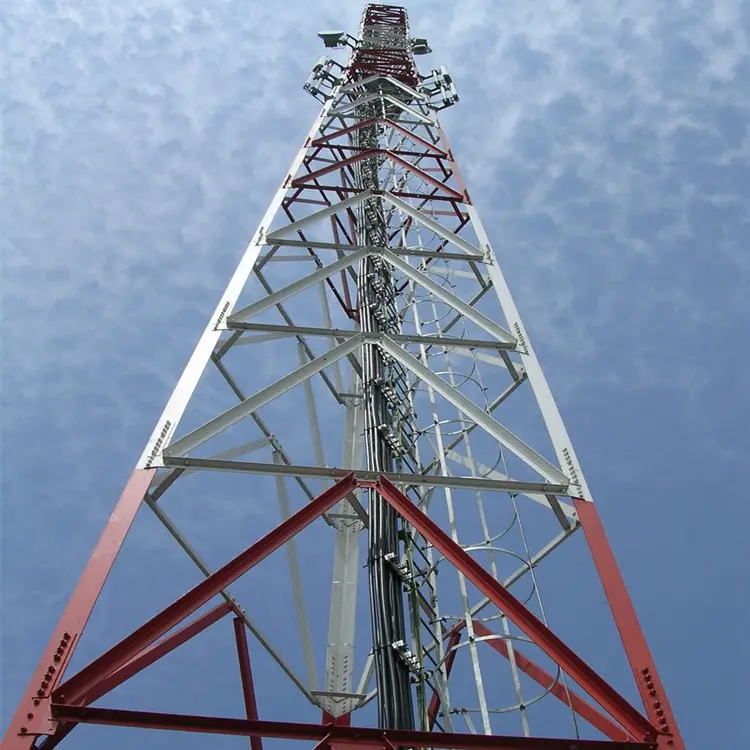
The effective integration of lightning arresters into tower infrastructure requires far more than theoretical design knowledge. Manufacturers with extensive tower production and deployment experience possess unique insights into structural dynamics, environmental stress factors, and installation practicalities that directly influence lightning protection system performance. Understanding how tower design, material selection, grounding arrangements, and maintenance accessibility affect arrester functionality enables manufacturers to create integrated solutions where protective devices work synergistically with the supporting structure rather than as isolated components.
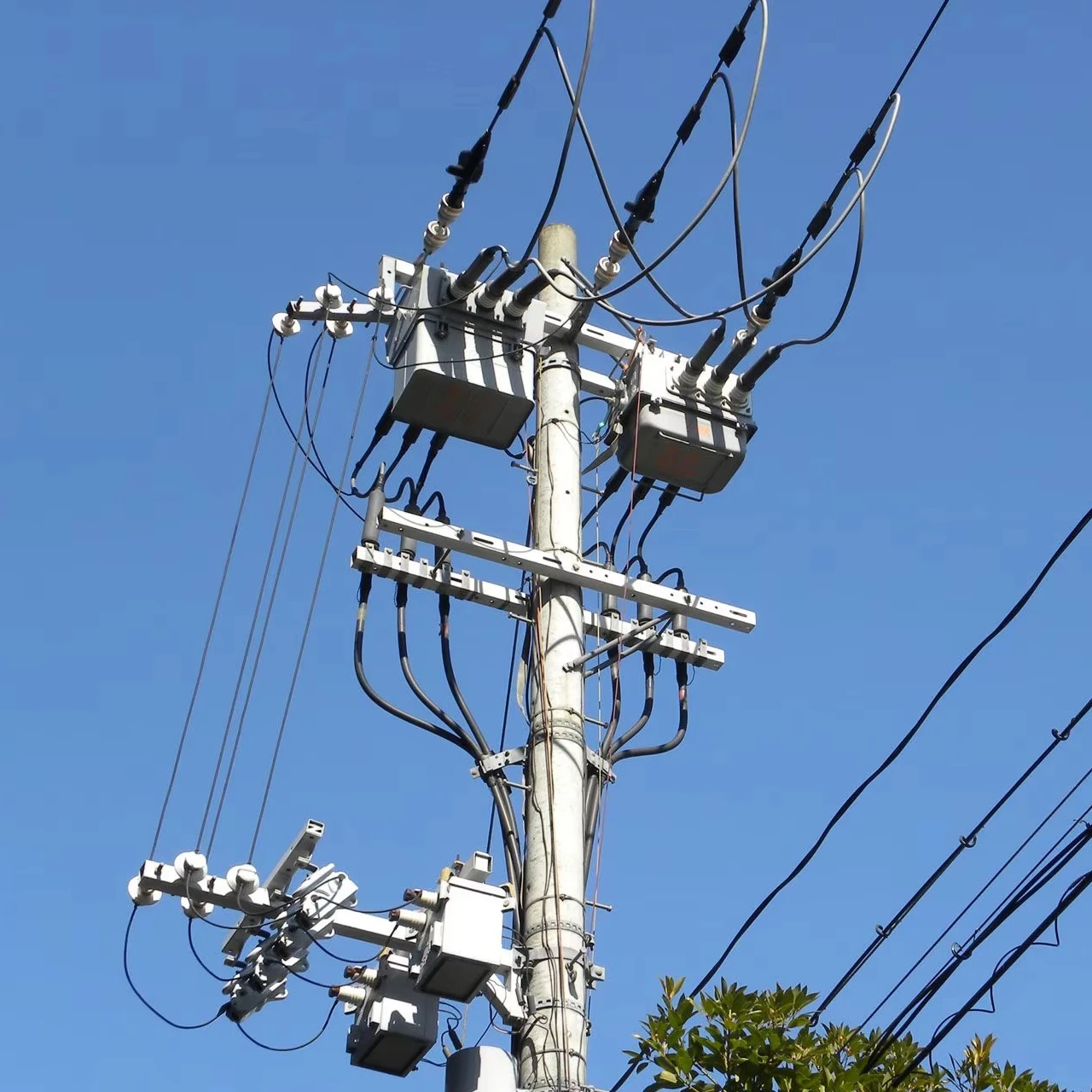
This comprehensive understanding transforms how lightning arresters are positioned, mounted, and maintained throughout their operational lifecycle. Manufacturers who have confronted real-world tower installation challenges across varied geographical conditions develop practical wisdom about conductor routing, electromagnetic compatibility, mechanical stress distribution, and environmental weathering patterns that directly impact arrester reliability. This article examines the specific ways tower manufacturing expertise enhances lightning protection integration, exploring structural considerations, electrical pathway optimization, installation methodologies, and long-term performance sustainability that distinguish experienced manufacturers from those approaching arrester integration with purely electrical engineering perspectives.
Understanding the Structural Foundation for Lightning Protection Systems
How Tower Design Philosophy Influences Arrester Placement Strategy
Manufacturers with deep tower construction experience recognize that structural geometry fundamentally determines optimal lightning arrester positioning. The tower's cross-sectional configuration, leg spacing, and cross-bracing patterns create specific zones where arresters can be mounted with maximum mechanical stability while maintaining appropriate electrical clearances. Experienced manufacturers design towers with dedicated mounting provisions rather than forcing retrofit solutions onto structures originally conceived without integrated protection considerations. This proactive design approach ensures that lightning arresters occupy positions that facilitate optimal surge current paths while avoiding mechanical interference with structural load-bearing elements.
The vertical distribution of arresters along tower height directly correlates with the manufacturer's understanding of lightning attachment probability and structural accessibility. Towers designed by experienced manufacturers incorporate platforms, handholds, and equipment brackets at elevations where arresters require installation, eliminating the need for improvised mounting solutions that compromise both structural integrity and worker safety. This integration extends to consideration of wind loading on arrester housings, ice accumulation patterns in cold climates, and vibration transmission from tower movement during high winds. Manufacturers who have witnessed arrester failures due to mechanical fatigue or mounting bracket corrosion incorporate reinforced attachment points and protective enclosures that address these practical failure modes.
Material Selection Synergies Between Tower Construction and Arrester Performance
The galvanization processes, steel grades, and coating systems used in tower fabrication directly affect the grounding effectiveness and corrosion resistance of integrated lightning arresters. Experienced tower manufacturers understand galvanic compatibility between tower structural steel and arrester mounting hardware, selecting fastener materials and connection interfaces that prevent electrochemical corrosion at critical junction points. This materials science knowledge prevents the gradual degradation of electrical conductivity between arrester ground terminals and tower structural elements, maintaining consistent surge dissipation pathways throughout the installation's operational lifespan.
Furthermore, manufacturers familiar with atmospheric corrosion patterns in coastal, industrial, and high-altitude environments specify protective coatings for both tower surfaces and arrester housings that maintain their integrity under matching degradation conditions. This unified approach to environmental protection ensures that lightning arresters do not become the weak link in system reliability due to accelerated weathering compared to the supporting structure. The thermal expansion coefficients of tower materials and arrester mounting assemblies receive careful matching by experienced manufacturers, preventing stress concentration and mechanical loosening during temperature cycling that would compromise electrical connections or create potential failure points during lightning surge events.
Load Distribution Considerations for Arrester Integration
Tower manufacturers with extensive field experience recognize that lightning arresters represent both static weight and dynamic loading during surge discharge events. The electromagnetic forces generated during high-current surge events create transient mechanical stresses on arrester mounting systems and supporting tower structure. Experienced manufacturers conduct finite element analysis that incorporates these surge-induced forces alongside conventional wind, ice, and dead load calculations, ensuring that tower structural elements maintain adequate safety margins even during worst-case lightning strike scenarios.
This comprehensive load assessment extends to the cumulative effect of multiple arrester installations on lattice towers serving complex substation or transmission applications. Manufacturers familiar with multi-voltage tower configurations understand how the combined weight and wind surface area of numerous lightning arresters affect tower foundation requirements and structural member sizing. This holistic perspective prevents situations where adequate arrester protection is specified electrically but creates structural overload conditions that compromise tower stability or require expensive retrofit reinforcement after initial construction completion.
Optimizing Electrical Pathways Through Manufacturing Expertise
Grounding System Integration and Surge Current Distribution
The effectiveness of lightning arresters depends critically on low-impedance pathways between arrester ground terminals and earth grounding systems. Manufacturers experienced in tower construction understand that the tower structure itself functions as part of the grounding network, with current distribution influenced by structural configuration, connection methods, and foundation design. These manufacturers design towers with intentional current paths that guide surge energy through specific structural members selected for their cross-sectional area and continuous electrical connectivity, rather than allowing unpredictable current distribution through the lattice framework.
Practical tower manufacturing experience reveals the importance of welded versus bolted connections in creating consistent electrical conductivity throughout the structure. While bolted connections facilitate field assembly and maintenance access, they introduce contact resistance that can impede surge current flow and create localized heating during lightning events. Experienced manufacturers strategically employ welded connections in critical current paths between lightning arresters and tower grounding electrodes, while reserving bolted assemblies for structural locations where high-resistance joints do not compromise electrical performance. This selective approach balances manufacturing economy with electrical functionality.
Electromagnetic Compatibility in Multi-System Tower Applications
Modern transmission and telecommunications towers frequently support multiple electrical systems requiring coordinated lightning protection. Manufacturers with extensive tower deployment experience understand the electromagnetic interference challenges created when lightning arresters discharge surge currents in proximity to sensitive electronic equipment, communication cables, or control wiring. These manufacturers design tower layouts that maintain physical separation between high-energy surge current paths associated with lightning arresters and vulnerable low-voltage systems, implementing cable routing strategies that minimize inductive coupling during transient events.
The tower structural configuration itself influences electromagnetic field distribution during lightning surge dissipation. Experienced manufacturers recognize that current flowing through tower legs creates magnetic fields that can induce voltages in nearby conductors, potentially damaging equipment even when direct lightning attachment is successfully diverted. By configuring tower geometry to maximize separation between primary surge paths and sensitive equipment locations, and by incorporating metallic shielding provisions in tower design where equipment must occupy locations near high-current pathways, manufacturers create inherently EMI-resistant installations where lightning arresters protect rather than inadvertently threaten secondary systems.
Conductor Routing and Connection Interface Optimization
The physical routing of conductors between protected equipment, lightning arresters, and grounding systems significantly affects protection system performance. Tower manufacturers with field installation experience design structures that facilitate direct, minimal-length conductor runs rather than circuitous paths necessitated by structural geometry conflicts. Short conductor runs between phase conductors and associated lightning arresters minimize the inductive voltage drop during surge events, ensuring that protected equipment sees lower transient voltages. This seemingly simple geometric consideration requires thoughtful tower design where equipment mounting positions, arrester locations, and structural framework align to enable optimal conductor routing.
Additionally, experienced manufacturers provide standardized connection interfaces that accommodate various arrester terminal configurations without requiring field modifications that compromise installation quality. Pre-engineered terminal blocks, conductor supports, and weatherproof enclosures integrated into tower design eliminate installation variability and ensure that connection integrity remains consistent across multiple installations. This standardization extends to color coding, labeling systems, and access provisions that facilitate correct installation and subsequent maintenance inspection, reducing human error factors that frequently undermine theoretically sound lightning protection designs.
Installation Methodology Informed by Tower Manufacturing Knowledge
Accessibility Design for Safe Arrester Installation and Maintenance
Manufacturers with extensive tower production experience recognize that lightning arresters require periodic inspection, testing, and potential replacement throughout facility operational life. Towers designed without consideration for maintenance access create safety hazards and practical difficulties that result in deferred maintenance and degraded protection system reliability. Experienced manufacturers incorporate permanent climbing provisions, work platforms, and equipment lifting attachments at arrester installation elevations, transforming what could be high-risk work at height into manageable maintenance activities conducted from stable working positions with appropriate fall protection anchor points.
This accessibility consideration extends beyond initial installation to anticipate the tools, test equipment, and replacement components that maintenance personnel must transport to arrester locations. Towers designed by manufacturers familiar with field service requirements provide adequate working space for technicians to manipulate test instruments, loosen connection hardware, and position replacement lightning arresters without precarious body positioning or equipment handling. The integration of cable management provisions prevents maintenance activities from damaging adjacent conductors or control wiring during arrester service work, maintaining overall system integrity throughout the protection equipment lifecycle.
Assembly Sequence Coordination Between Tower Construction and Arrester Integration
The construction sequence for tower erection directly influences the practicality and quality of lightning arrester installation. Manufacturers experienced in both tower production and field assembly understand optimal timing for arrester installation within the overall construction workflow. Some tower configurations enable arrester mounting during ground-level assembly phases, allowing installation work to occur under controlled conditions before tower section erection, while other designs necessitate arrester installation after structural completion due to geometric constraints or equipment interference considerations.
Experienced manufacturers provide detailed assembly instructions that specify arrester installation sequences coordinated with tower erection phases, conductor stringing operations, and equipment mounting activities. This procedural integration prevents situations where lightning arresters must be installed in physically awkward positions because prior construction activities have blocked optimal access routes or created interference with rigging equipment. The manufacturer's assembly documentation identifies critical inspection points where arrester installation quality should be verified before subsequent construction phases make correction difficult or impossible, embedding quality assurance into the construction workflow rather than relying on post-completion remediation.
Quality Control Protocols Derived from Manufacturing Experience
Manufacturers who produce towers in controlled factory environments develop standardized quality control procedures that extend logically to lightning arrester integration activities. These manufacturers recognize that field installation conditions introduce variability absent in factory settings, necessitating inspection protocols that verify correct arrester positioning, proper connection torque, adequate grounding continuity, and appropriate electrical clearances. Experienced manufacturers provide installation checklists, torque specifications, and acceptance test procedures that translate factory quality standards to field assembly conditions.
This quality-focused approach includes photographic documentation requirements at critical installation stages, resistance testing of grounding connections, verification of arrester orientation relative to protected equipment, and confirmation that weather sealing provisions have been properly implemented. Manufacturers familiar with common installation errors incorporate specific inspection points that detect these predictable problems before they result in protection system failure during actual lightning events. The integration of these quality protocols into standard tower installation procedures ensures that lightning arresters receive the same systematic verification as structural and electrical components, rather than being treated as auxiliary equipment receiving cursory installation attention.
Long-Term Performance Enhancement Through Manufacturing Insights
Environmental Exposure Management Based on Tower Service History
Manufacturers with decades of tower deployment experience across diverse climates possess empirical data about environmental degradation patterns affecting both structural elements and integrated protective devices. This field performance history informs design modifications that enhance lightning arrester longevity under specific environmental stresses. For coastal installations, manufacturers familiar with salt spray corrosion effects specify enhanced sealing provisions and corrosion-resistant materials for arrester housings and connection interfaces, preventing moisture ingress and galvanic corrosion that would degrade electrical performance.
In regions experiencing extreme temperature cycling, manufacturers apply thermal stress knowledge gained from tower structural performance to arrester integration details. Mounting systems designed with thermal expansion compensation prevent mechanical loosening and maintain consistent electrical contact pressure throughout seasonal temperature variations. Similarly, manufacturers operating in areas with significant ice and snow accumulation design arrester mounting orientations and protective shrouds that minimize ice bridging risks between energized terminals and grounded tower structure, preventing flashover failures during winter storms when lightning activity may still occur.
Vibration and Mechanical Fatigue Mitigation Strategies
Tower structures experience continuous low-amplitude vibration from wind loading and periodic high-amplitude movement during severe weather events. Manufacturers with extensive tower operation feedback understand how these dynamic loads affect lightning arresters and their mounting systems over multi-decade service periods. This knowledge leads to arrester mounting designs incorporating vibration isolation provisions, flexible conductor connections that accommodate tower movement without imposing bending stress on arrester terminals, and fastener selection with appropriate thread-locking provisions to prevent gradual loosening under vibrational loading.
The cumulative fatigue damage from repeated stress cycling receives particular attention from experienced manufacturers who have analyzed arrester failures attributable to mechanical rather than electrical causes. By incorporating damping elements in mounting brackets, specifying materials with superior fatigue resistance for connection hardware, and designing attachment geometries that minimize stress concentration, manufacturers extend lightning arrester mechanical service life to match the multi-decade operational expectations of tower infrastructure. This mechanical longevity consideration proves especially critical for arresters installed at tower locations where maintenance access is difficult and replacement operations are correspondingly expensive and disruptive.
Inspection and Testing Access Throughout Operational Life
The practical ability to assess lightning arrester condition and perform diagnostic testing throughout facility operational life depends heavily on tower design provisions enabling safe, efficient access to installed devices. Manufacturers experienced in long-term facility operation design towers with permanent provisions facilitating periodic arrester inspection without requiring specialized access equipment or extensive safety preparation. These provisions include test point terminals accessible from climbing routes, clear visual inspection sight lines to arrester condition indicators, and sufficient working space to connect diagnostic instruments without disconnecting primary electrical connections.
Furthermore, experienced manufacturers recognize that arrester replacement eventually becomes necessary due to either electrical degradation from cumulative surge exposure or mechanical aging effects. Tower designs incorporating removable arrester mounting provisions rather than permanently integrated installations enable replacement work to proceed efficiently without requiring structural modifications or elaborate rigging operations. This replacement-friendly design philosophy significantly reduces lifecycle costs associated with maintaining effective lightning protection throughout tower service life, transforming arrester replacement from a major project into a routine maintenance activity comparable to insulator replacement or conductor refurbishment.
Integrating Manufacturing Intelligence with Protection System Engineering
Cross-Disciplinary Collaboration Between Structural and Electrical Specialists
Manufacturers who successfully integrate lightning arresters into tower infrastructure foster collaborative design processes where structural engineers and electrical protection specialists work jointly rather than in isolated disciplines. This integrated approach ensures that electrical performance requirements inform structural design decisions while structural realities constrain electrical system specifications toward achievable implementations. The manufacturer's experience base provides the common language enabling productive dialogue between these traditionally separate engineering disciplines.
Practical manufacturing experience reveals situations where theoretically optimal electrical configurations prove structurally impractical or economically prohibitive, while alternative arrangements achieve nearly equivalent protection performance with dramatically improved structural feasibility and cost effectiveness. Manufacturers facilitating cross-disciplinary design reviews identify these practical optimization opportunities, producing integrated tower and arrester systems superior to solutions developed through sequential engineering processes where structural design precedes electrical integration or vice versa. This collaborative methodology extends to considering installation, maintenance, and operational factors alongside initial design objectives, producing holistic solutions optimized across the complete facility lifecycle.
Standardization Strategies Enabling Consistent Integration Quality
Manufacturers with extensive tower production volumes develop standardized integration approaches for lightning arresters that capture proven design solutions and installation methodologies. These standards codify hard-won practical knowledge about what configurations perform reliably across diverse operating conditions and what details frequently cause problems requiring field correction. By standardizing arrester mounting provisions, conductor routing templates, grounding connection specifications, and installation procedures, manufacturers eliminate design variability that contributes to inconsistent protection system performance.
This standardization extends to spare parts inventory, replacement component specifications, and maintenance procedures that remain consistent across multiple installations. Facility operators benefit from standardized configurations that enable maintenance personnel to develop proficiency with specific arrester integration approaches rather than confronting unique site-specific installations requiring specialized knowledge. The manufacturer's commitment to standardization also facilitates quality control verification, as inspection personnel can reference established standards rather than evaluating each installation against project-specific criteria requiring detailed document review and interpretation.
Documentation and Knowledge Transfer Supporting Sustained Performance
The practical value of manufacturer tower experience extends beyond initial design and installation into the operational phase through comprehensive documentation supporting facility maintenance and protection system management. Experienced manufacturers provide detailed as-built drawings showing actual arrester locations, grounding conductor routing, connection specifications, and test point access provisions as implemented during construction. This documentation enables facility operators to develop effective inspection programs, plan maintenance activities, and troubleshoot protection system issues without requiring reverse-engineering of installed configurations.
Furthermore, manufacturers committed to long-term customer relationships provide training programs, maintenance guidelines, and technical support resources that transfer institutional knowledge about lightning arrester integration to facility operating personnel. This knowledge transfer ensures that the practical insights gained through manufacturer experience continue benefiting system performance throughout operational life rather than remaining exclusively with the original design and installation teams. The manufacturer becomes a long-term resource for operational intelligence, providing guidance on inspection intervals, performance assessment criteria, component replacement timing, and upgrade strategies as arrester technology evolves and facility operating requirements change.
FAQ
What specific tower structural features most directly influence lightning arrester effectiveness?
The tower grounding system configuration, structural member cross-sectional areas providing surge current paths, and connection methods creating electrical continuity between tower sections most directly influence lightning arrester effectiveness. Additionally, tower geometry affecting conductor routing distances between arresters and protected equipment significantly impacts protection performance by influencing inductive voltage drops during surge events.
How does manufacturer experience reduce lightning protection system lifecycle costs?
Experienced manufacturers design towers with integrated provisions for arrester maintenance access, replacement-friendly mounting systems, and durable installation details that extend component service life. These design features reduce maintenance labor requirements, minimize specialized equipment needs for inspection and replacement activities, and prevent premature arrester failures requiring emergency repairs, collectively reducing total cost of ownership throughout facility operational life.
Can existing towers be effectively retrofitted with optimized lightning arrester integration?
Existing towers can be retrofitted with improved arrester integration, though the effectiveness depends on structural configuration and available mounting locations. Manufacturers experienced in retrofit projects assess existing tower grounding effectiveness, identify optimal mounting positions within structural constraints, and design custom mounting hardware that achieves maximum practical improvement without requiring extensive structural modification. The degree of optimization achievable in retrofits generally remains less than purpose-designed integrated installations but still provides meaningful protection enhancement.
What role does geographic location play in tower-arrester integration design?
Geographic location influences environmental factors including lightning flash density, soil resistivity affecting grounding system performance, atmospheric corrosion conditions, ice loading, and temperature extremes. Manufacturers experienced across diverse regions adapt arrester integration details including mounting hardware materials, weather sealing provisions, grounding electrode configurations, and structural reinforcement based on location-specific conditions. This geographic customization ensures that integrated systems perform reliably under actual site environmental stresses rather than generic design assumptions.
Table of Contents
- Understanding the Structural Foundation for Lightning Protection Systems
- Optimizing Electrical Pathways Through Manufacturing Expertise
- Installation Methodology Informed by Tower Manufacturing Knowledge
- Long-Term Performance Enhancement Through Manufacturing Insights
- Integrating Manufacturing Intelligence with Protection System Engineering
-
FAQ
- What specific tower structural features most directly influence lightning arrester effectiveness?
- How does manufacturer experience reduce lightning protection system lifecycle costs?
- Can existing towers be effectively retrofitted with optimized lightning arrester integration?
- What role does geographic location play in tower-arrester integration design?