 EN
EN


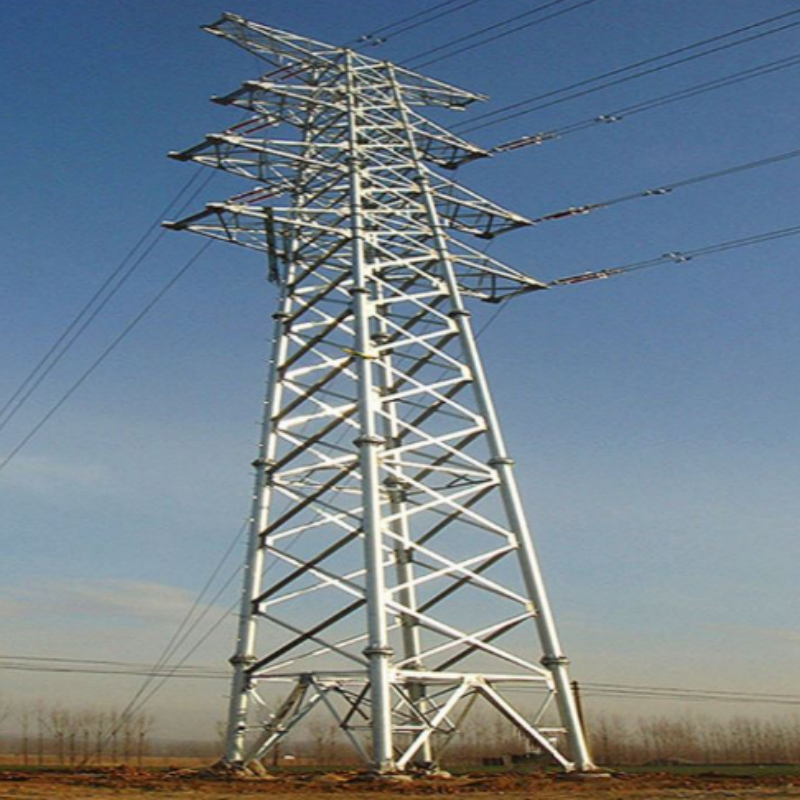
Communication towers house critical electronic equipment that powers modern telecommunications infrastructure, from cellular networks to broadcast systems. These sensitive devices operate continuously under demanding environmental conditions, making them vulnerable to electrical surges caused by lightning strikes. Understanding how proper integration of a lightning arrester protects this valuable equipment requires examining the complete protection pathway—from the moment a lightning bolt strikes until the surge energy safely dissipates into the ground. The effectiveness of tower electronics protection depends not merely on having a lightning arrester installed, but on how comprehensively it integrates with grounding systems, surge protection devices, and the overall tower architecture.
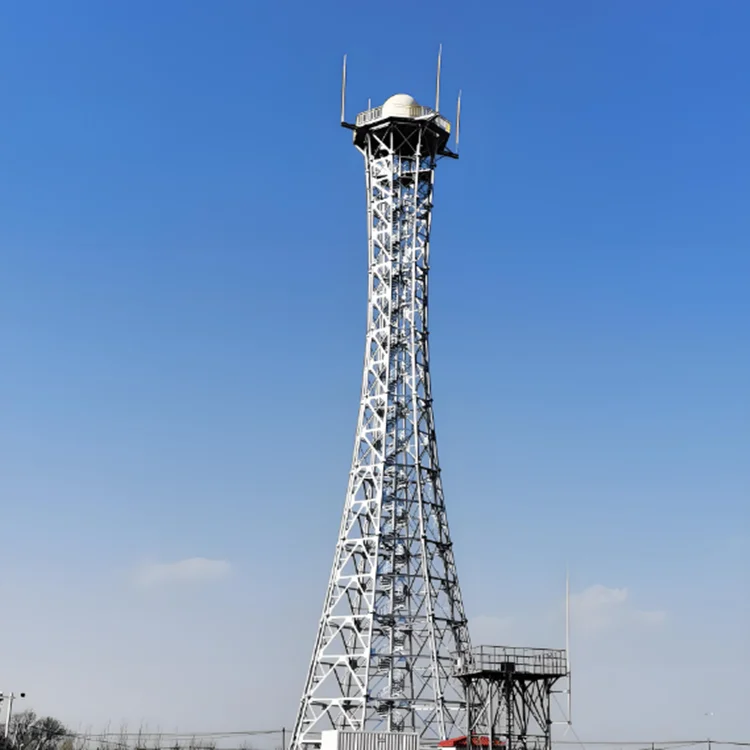
When a lightning strike targets a tower structure, the electrical energy released can exceed 200,000 amperes with voltages reaching millions of volts. Without a properly integrated lightning arrester system, this massive energy pulse travels through conductive pathways within the tower, seeking the path of least resistance to ground. Along this journey, the surge can induce voltage spikes in adjacent cables, jump across insulation barriers, and directly damage circuit boards, processors, and transmission equipment. The integration methodology determines whether the lightning arrester successfully intercepts and diverts this destructive energy away from sensitive electronics, or whether protection gaps allow damaging surges to penetrate critical systems. This article explores the technical mechanisms, integration principles, and system-level considerations that enable lightning arresters to provide reliable protection for tower-mounted electronics.
The Lightning Strike Energy Pathway and Tower Electronics Vulnerability
Understanding Direct and Indirect Lightning Strike Mechanisms
Lightning strikes on communication towers occur through two primary mechanisms: direct strikes that physically contact the tower structure, and indirect strikes that induce voltage surges through electromagnetic coupling. Direct strikes typically target the highest point of the tower—often an air terminal or antenna assembly—where the lightning arrester initiates its protective function. The arrester's role begins by providing a preferential conduction path that accepts the lightning current before it can travel through structural members toward equipment enclosures. The integration quality at this initial interception point determines how effectively the system captures the full magnitude of the strike current.
Indirect lightning effects create equally dangerous conditions for tower electronics through electromagnetic induction. When lightning current flows down the tower structure or through nearby grounding conductors, it generates intense magnetic fields that induce voltages in parallel cables and equipment wiring. A properly integrated lightning arrester system addresses these induced surges through coordinated bonding and shielding strategies that minimize the loop areas where induction can occur. The lightning arrester works in concert with cable management practices, ensuring that signal cables remain separated from lightning current pathways and that all conductive elements bond to a common reference point.
Voltage Surge Propagation Through Tower Infrastructure
After a lightning arrester intercepts the initial strike energy, the current must travel through the tower's grounding system to reach earth. During this transition, voltage gradients develop across different points of the tower structure due to the impedance of conductive pathways and grounding connections. These voltage differences create the potential for damaging currents to flow through equipment grounds, power supplies, and signal interfaces. The lightning arrester integration must account for these transient voltage rises by establishing equipotential bonding that maintains all equipment enclosures at similar voltage levels during the surge event.
The impedance characteristics of grounding conductors significantly influence how voltage surges propagate through tower infrastructure. High-frequency lightning currents experience greater impedance through inductive elements, causing voltage drops that can reach thousands of volts along seemingly short conductor runs. A lightning arrester system integrated with low-impedance grounding conductors—using wide copper straps or multiple parallel paths rather than single wires—reduces these voltage drops and limits the stress imposed on connected electronics. The geometry of grounding connections, bend radii, and bonding methods all contribute to the overall impedance that determines surge voltage magnitudes at equipment locations.
Critical Vulnerability Points in Tower-Mounted Electronics
Modern tower electronics incorporate numerous interface points where external connections create pathways for surge energy penetration. Power input terminals, antenna feedlines, fiber optic cables with metallic strength members, and remote monitoring connections all represent potential entry points for lightning-induced surges. A comprehensive lightning arrester integration strategy protects each of these interfaces through coordinated surge protective devices that work in harmony with the main arrester system. The protective coordination ensures that surge energy diverts to ground before reaching sensitive semiconductor components within radio transceivers, amplifiers, and processing equipment.
The most vulnerable electronic components include microprocessors, field-programmable gate arrays, and radio frequency amplifiers that operate at low voltage levels with minimal surge withstand capability. These devices can fail from voltage transients measuring only hundreds of volts—a fraction of the energy present during lightning events. The lightning arrester integration must reduce incoming surge magnitudes to levels that downstream surge protective devices can clamp to safe voltages, typically below 50 volts for sensitive logic circuits. This multi-stage protection approach relies on proper impedance coordination and spacing between protection stages to prevent voltage amplification effects that could overwhelm secondary protection devices.
Technical Principles of Lightning Arrester Integration for Equipment Protection
Grounding System Architecture and Arrester Performance
The grounding system forms the foundation of effective lightning arrester performance, providing the essential reference point where surge energy dissipates into earth. A properly integrated lightning arrester connects to a low-impedance grounding network that maintains stable voltage references even during high-current surge events. This grounding architecture typically incorporates multiple grounding electrodes surrounding the tower base, interconnected through buried conductors that create a grid pattern. The grid configuration reduces ground resistance and provides redundant current paths that prevent localized voltage rises near equipment grounding points.
Ground resistance measurements alone do not fully characterize grounding system performance during lightning events. The transient impedance—which includes both resistive and inductive components—determines how effectively the system handles the fast-rising currents typical of lightning strikes. Lightning arrester integration must minimize the inductive component through short, direct conductor routing with minimal bends and loops. When the lightning arrester diverts current to ground through a well-designed low-impedance path, the resulting voltage rise at the arrester base remains limited, reducing the stress on connected equipment grounds and preventing dangerous voltage differences across the protected system.
Coordination Between Primary and Secondary Surge Protection
A complete lightning protection scheme integrates the main tower lightning arrester with secondary surge protective devices installed at each equipment interface. This coordinated protection approach divides the surge energy reduction task into stages, with each stage handling a portion of the total voltage reduction needed to protect sensitive components. The lightning arrester handles the bulk of the lightning current—potentially tens or hundreds of kiloamperes—while allowing a controlled residual voltage to appear at its terminals. Secondary protectors near equipment inputs respond to this residual voltage, clamping it to levels safe for the connected electronics.
The physical separation between the lightning arrester and secondary protectors creates important impedance that enables proper coordination. Cable and conductor impedance between protection stages causes voltage drops during surge events that prevent the secondary protector from attempting to conduct the full lightning current. Standards typically recommend maintaining at least 10 meters of conductor length between protection stages, or inserting series impedance elements that ensure proper energy sharing. Without this coordination distance, the secondary protector may activate simultaneously with the lightning arrester, potentially exceeding its current handling capacity and failing to protect the equipment.
Bonding Strategies for Equipotential Protection Zones
Creating equipotential bonding zones represents a critical integration principle that prevents damaging voltage differences between interconnected equipment during lightning events. The lightning arrester system extends beyond the primary air terminal and down conductor to include comprehensive bonding of all metallic elements within the tower structure. This bonding philosophy connects equipment racks, cable trays, conduit systems, and structural members to a common bonding network that ties to the lightning arrester grounding system. When all conductive elements remain at similar voltage potentials during a surge, current does not flow through sensitive signal and power connections between equipment units.
The bonding conductor sizing and connection methods significantly impact equipotential zone effectiveness. Bonding jumpers must handle surge currents without excessive voltage drops, requiring cross-sectional areas of at least 6 square millimeters for copper conductors in typical installations. Connection methods should employ compression terminals or exothermic welds that maintain low resistance over decades of exposure to environmental conditions. The lightning arrester integration includes periodic inspection and testing of bonding connections, since corrosion or mechanical loosening can degrade the protection system performance over time. Temperature cycling, vibration from wind loads, and moisture intrusion all contribute to bonding connection degradation that compromises the protection zone integrity.
Installation Methodology for Optimal Lightning Arrester System Performance
Physical Placement and Air Terminal Configuration
The lightning arrester's physical location on the tower structure determines its ability to intercept strikes before lightning attaches to antenna systems or equipment enclosures. The protection zone concept defines the volume around an air terminal or lightning arrester where direct strikes are unlikely to reach protected objects. For tower applications, installing the lightning arrester at the highest point—typically extending above all antennas and equipment—provides the widest protection zone. The lightning arrester should project at least 0.5 meters above the tallest antenna element to establish reliable interception probability for approaching lightning leaders.
Multiple lightning arrester configurations serve tall tower installations where a single air terminal cannot provide complete coverage. Towers exceeding 60 meters in height benefit from intermediate lightning arrester connections along the vertical structure, creating overlapping protection zones that prevent side strikes from bypassing the primary arrester. Each lightning arrester in a multi-point system requires individual connection to the tower's grounding network through dedicated down conductors that run parallel to the main structural legs. This parallel conductor arrangement reduces the inductance per path and distributes lightning current across multiple routes to ground, minimizing voltage rises along any single conductor.
Down Conductor Routing and Attachment Practices
The conductor path connecting the lightning arrester to the grounding system critically influences the voltage that appears across protected equipment during a surge event. Optimal routing follows the most direct path from the arrester terminal to the ground reference, avoiding unnecessary bends, loops, or detours that increase the path inductance. Each 90-degree bend in a down conductor adds inductance that translates to hundreds of volts of additional potential during lightning current flow. The lightning arrester integration plan should specify conductor routing that maintains bends with radii exceeding 200 millimeters, allowing gradual direction changes rather than sharp corners that maximize inductance.
Attachment methods for lightning arrester down conductors must provide mechanical security while maintaining electrical continuity with the tower structure. Insulated standoffs should be avoided in favor of direct bonding to structural members at regular intervals, typically every 2 to 3 meters of vertical distance. This frequent bonding approach allows the tower structure itself to participate in current conduction, effectively creating multiple parallel paths that reduce the overall impedance. The down conductor material should match or exceed the current handling capacity of the lightning arrester—typically requiring copper conductors with cross-sections of at least 50 square millimeters or aluminum equivalents with appropriate ampacity ratings.
Grounding Electrode Installation and Testing Protocols
The lightning arrester ultimately depends on the grounding electrode system to dissipate surge energy into the surrounding soil. Electrode installation techniques must account for soil conditions, moisture content, and resistivity characteristics that vary by location and season. Driven ground rods represent the most common electrode type, typically consisting of copper-clad steel rods measuring 16 to 25 millimeters in diameter and extending 2.4 to 3 meters into the earth. Multiple rods arranged in a triangular or grid pattern with spacing equal to at least the rod length create an effective grounding system that maintains low resistance across varying soil conditions.
Testing protocols verify that the lightning arrester's grounding system meets resistance targets—typically below 10 ohms for most installations and below 5 ohms for sensitive equipment applications. Fall-of-potential testing methods provide accurate resistance measurements by establishing a test current path independent of the structure being measured. Testing should occur during dry soil conditions when resistance values reach their maximum, ensuring the system performs adequately year-round. The lightning arrester integration documentation includes test results and electrode configurations, providing a baseline for future periodic testing that identifies degradation requiring corrective action. Grounding system enhancements may include soil treatment with conductive materials, expanded electrode arrays, or ground enhancement compounds that reduce resistivity in the immediate electrode vicinity.
System-Level Integration Considerations for Comprehensive Protection
Cable Entry Design and Shielding Requirements
The point where cables enter equipment enclosures represents a critical interface in the lightning arrester protection scheme. External cables that run along the tower structure or through conduit systems can carry induced surge voltages and currents from lightning events, delivering damaging energy directly to equipment input terminals. Proper integration requires implementing cable entry panels that establish a defined boundary where surge protective devices intercept external surges before they reach internal circuits. These entry panels bond cable shields, armor, and protective device grounds to the enclosure and ultimately to the lightning arrester grounding system through low-impedance connections.
Shielded cable construction provides an essential complement to lightning arrester protection by containing electromagnetic fields within the cable structure and preventing external field coupling to internal conductors. The shield effectiveness depends on achieving 360-degree shield termination at both ends of each cable run, ensuring that induced currents flow through the shield rather than penetrating to inner signal conductors. Lightning arrester system integration includes specifying appropriate cable types for different applications—typically braided or foil shields for signal cables and continuous metallic armor for power feeders. The bonding method at cable entry points should employ compression glands or specialty connectors that maintain shield continuity without pigtails or long bonding leads that introduce inductive voltage drops.
Surge Protective Device Selection and Installation
Secondary surge protective devices installed at equipment inputs must coordinate with the lightning arrester's characteristics to provide seamless protection across the full range of surge magnitudes. Device selection considers the expected residual voltage from the lightning arrester stage, the energy handling capacity needed for the installation environment, and the clamping voltage that protected equipment can tolerate. For power connections, hybrid surge protective devices incorporating both gas discharge tubes and metal oxide varistors offer high current capacity for nearby lightning strikes while providing fast response for smaller surges. Signal interfaces typically employ diode arrays or Zener-based protectors that offer precise clamping voltages suitable for sensitive low-voltage circuits.
Installation location and wiring configuration significantly impact surge protective device performance in the integrated lightning arrester system. Protectors installed with long lead lengths between the point of connection and the device terminals introduce series inductance that reduces protection effectiveness. Best practice installation positions the surge protective device immediately adjacent to the equipment input terminal, with conductor lengths minimized to less than 300 millimeters on both input and ground sides. The ground connection from the surge protective device should terminate directly to the equipment enclosure ground point, creating a local equipotential zone that prevents ground voltage rises from appearing across protected circuits. This installation methodology ensures that the surge protective device operates in coordination with the upstream lightning arrester, handling only the residual energy that passes through the primary protection stage.
Monitoring and Maintenance Integration
A properly integrated lightning arrester system includes provisions for ongoing monitoring that verifies protection system integrity and identifies degradation before equipment damage occurs. Modern lightning arrester designs incorporate status indicators or remote monitoring contacts that signal when the device has operated or when internal protection elements have degraded. Integration with tower management systems allows continuous surveillance of protection status, triggering maintenance alerts when inspection or replacement becomes necessary. This proactive monitoring approach prevents situations where lightning arrester failure goes undetected, leaving expensive electronics vulnerable to subsequent strikes.
Maintenance protocols for integrated lightning protection systems extend beyond the lightning arrester itself to encompass all components that contribute to surge protection performance. Annual inspection schedules should include visual examination of air terminals for corrosion or physical damage, verification of down conductor attachment security, measurement of grounding system resistance, and functional testing of surge protective devices at equipment interfaces. Thermal imaging surveys can identify loose connections or corroded bonding points that exhibit elevated resistance, allowing corrective action before these issues compromise protection effectiveness. Documentation of all inspections, test results, and maintenance actions creates a historical record that supports regulatory compliance and provides evidence of proper protection system stewardship during insurance or liability investigations following lightning-related equipment failures.
Real-World Performance Factors and Environmental Considerations
Soil Conditions and Seasonal Grounding Variations
The performance of an integrated lightning arrester system varies with soil conditions that affect grounding effectiveness throughout the year. Soil resistivity increases significantly during freezing conditions or drought periods, raising ground resistance values that determine how effectively the lightning arrester dissipates surge energy. Clay and loam soils typically provide resistivity values between 50 and 200 ohm-meters when moist, offering favorable grounding conditions. Rocky or sandy soils may exhibit resistivity exceeding 1000 ohm-meters, requiring expanded electrode arrays or enhanced grounding methods to achieve acceptable resistance values. The lightning arrester grounding system design must account for worst-case seasonal conditions rather than optimal summer measurements to ensure year-round protection reliability.
Chemical treatment of soil surrounding grounding electrodes offers a method to stabilize resistance values across seasonal variations. Conductive compounds installed around ground rods or grid conductors reduce local soil resistivity through ionic conduction enhancement, creating a low-resistance zone that buffers the electrode system from broader environmental changes. These treatments typically require renewal every three to five years as the compounds leach or migrate away from electrode surfaces. The lightning arrester integration plan should specify soil treatment as part of the initial installation in challenging soil conditions, with periodic replenishment scheduled according to resistance monitoring results. Alternative approaches include deep-driven electrodes that reach more stable soil layers below frost depth or seasonal moisture variation zones, providing consistent ground connection independent of surface conditions.
Lightning Frequency and Risk Assessment
Geographic location significantly influences the lightning arrester integration requirements through variations in lightning flash density and typical strike characteristics. Regions with high keraunic levels—defined as the number of thunderstorm days per year—experience greater cumulative lightning exposure, increasing the probability that tower electronics will encounter damaging surges over operational lifetimes. Lightning arrester systems in high-exposure areas benefit from more robust component ratings, redundant protection stages, and accelerated maintenance schedules that address cumulative wear from repeated surge events. Regional lightning data guides the selection of lightning arrester current ratings and energy handling capacities appropriate for the installation environment.
Risk assessment methodologies balance the value of protected equipment against the cost of enhanced lightning protection measures. Critical installations supporting emergency services, financial transactions, or safety-critical communications justify comprehensive lightning arrester integration with multiple protection stages and redundant grounding paths. Less critical sites may accept higher residual risk through simplified protection approaches, recognizing that occasional equipment damage from major lightning events costs less than implementing maximum protection levels. The integration strategy should result from quantitative risk analysis that considers lightning exposure frequency, equipment replacement costs, downtime impacts, and life-cycle maintenance expenses associated with various protection system configurations. This analysis-driven approach ensures that lightning arrester investment aligns with actual protection needs rather than applying generic solutions regardless of site-specific circumstances.
Electromagnetic Compatibility Considerations
The lightning arrester integration must consider electromagnetic compatibility implications beyond direct surge protection, addressing how lightning-induced electromagnetic fields affect sensitive electronics. High-frequency components of lightning current create intense electromagnetic fields that radiate from the tower structure, down conductors, and grounding network during strike events. These fields couple into equipment cables and circuit boards through both inductive and capacitive mechanisms, potentially causing upset or damage even when the lightning arrester successfully diverts the main current to ground. Proper integration incorporates shielding strategies that attenuate electromagnetic field penetration into equipment enclosures and minimize loop areas where induction can generate damaging voltages.
Filtered power connections and isolation transformers complement lightning arrester protection by blocking high-frequency surge energy from propagating through power distribution systems. These components install downstream from primary surge protective devices, providing an additional barrier against transient energy that passes through the initial protection stages. The frequency-dependent impedance of filters attenuates fast-rising voltage transients while passing the fundamental power frequency, effectively decoupling equipment from the high-frequency components of lightning strikes. Lightning arrester system integration should specify filter and isolation requirements based on equipment sensitivity levels, with more stringent filtering applied to precision test equipment, communications processors, and control systems that exhibit low electromagnetic immunity thresholds.
FAQ
What is the primary function of a lightning arrester in protecting tower electronics?
A lightning arrester protects tower electronics by providing a preferential low-impedance pathway for lightning current to flow safely to ground, intercepting the strike before it can travel through equipment enclosures or signal cables. The arrester clamps the voltage appearing across the tower structure during a lightning event, limiting the stress imposed on connected electronics while coordinating with secondary surge protective devices that provide final protection at equipment input terminals. Proper integration ensures the arrester handles the bulk of lightning energy, allowing downstream protectors to manage residual surges within their ratings.
How does grounding system quality affect lightning arrester performance?
The grounding system quality directly determines how effectively a lightning arrester dissipates surge energy and controls voltage rises across protected equipment. A low-impedance grounding network allows lightning current to flow readily from the arrester terminals into earth, minimizing the voltage elevation at the arrester base that appears across the entire protection system. Poor grounding with high resistance or excessive inductance causes larger voltage rises during surge events, potentially overwhelming secondary protection devices and allowing damaging potentials to reach sensitive electronics despite the presence of the lightning arrester.
Why is coordination between protection stages necessary in a lightning protection system?
Coordination between the lightning arrester and secondary surge protective devices ensures proper energy sharing and prevents catastrophic failure of downstream protectors. The physical separation and impedance between protection stages allows the lightning arrester to conduct the majority of strike current while generating a controlled residual voltage that activates secondary protectors within their current handling capabilities. Without proper coordination distance and impedance management, secondary devices may attempt to conduct excessive current simultaneously with the lightning arrester, resulting in protector failure and loss of equipment protection.
How frequently should lightning arrester systems be inspected and tested?
Lightning arrester systems require annual inspection and testing to verify ongoing protection system integrity and identify degradation requiring corrective action. Inspection procedures should examine air terminal physical condition, verify down conductor attachment security, measure grounding system resistance, and test surge protective device functionality at equipment interfaces. Installations in high-lightning-activity regions or those protecting critical infrastructure may benefit from semi-annual inspection schedules. Additional testing following known lightning strikes provides immediate verification that protection components remain functional after surge exposure, preventing situations where damaged protection elements leave equipment vulnerable to subsequent events.
Table of Contents
- The Lightning Strike Energy Pathway and Tower Electronics Vulnerability
- Technical Principles of Lightning Arrester Integration for Equipment Protection
- Installation Methodology for Optimal Lightning Arrester System Performance
- System-Level Integration Considerations for Comprehensive Protection
- Real-World Performance Factors and Environmental Considerations
-
FAQ
- What is the primary function of a lightning arrester in protecting tower electronics?
- How does grounding system quality affect lightning arrester performance?
- Why is coordination between protection stages necessary in a lightning protection system?
- How frequently should lightning arrester systems be inspected and tested?