 EN
EN


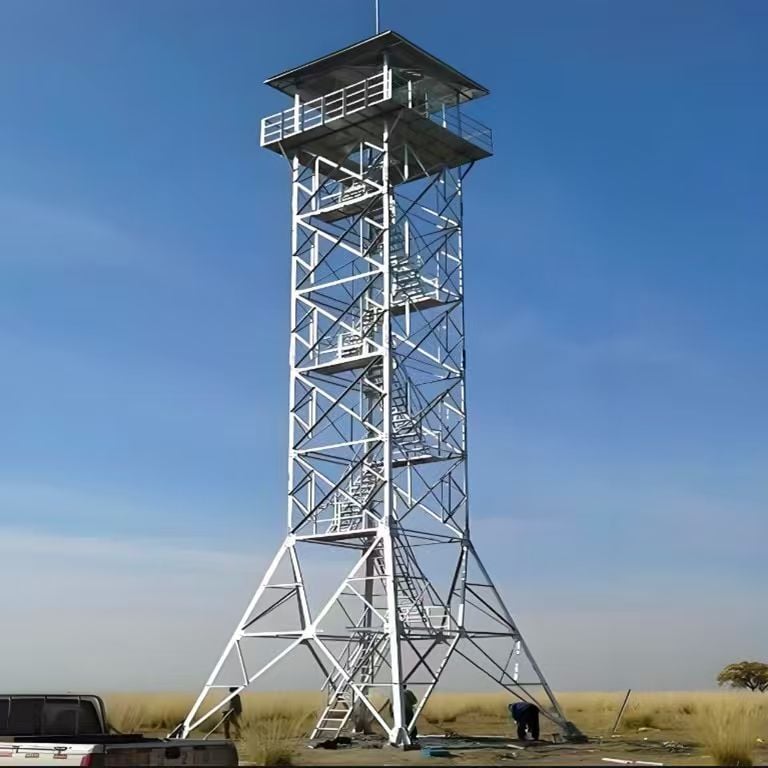
A watch tower is far more than a simple elevated platform. Whether deployed for telecommunications, rural observation, border surveillance, or antenna support, a watch tower must meet demanding structural and safety requirements. Prefabricated watch tower components are manufactured off-site and assembled on location, which means every single part must fit together with exact dimensional accuracy. Without precision in the fabrication process, the entire watch tower assembly can be compromised from the ground up.
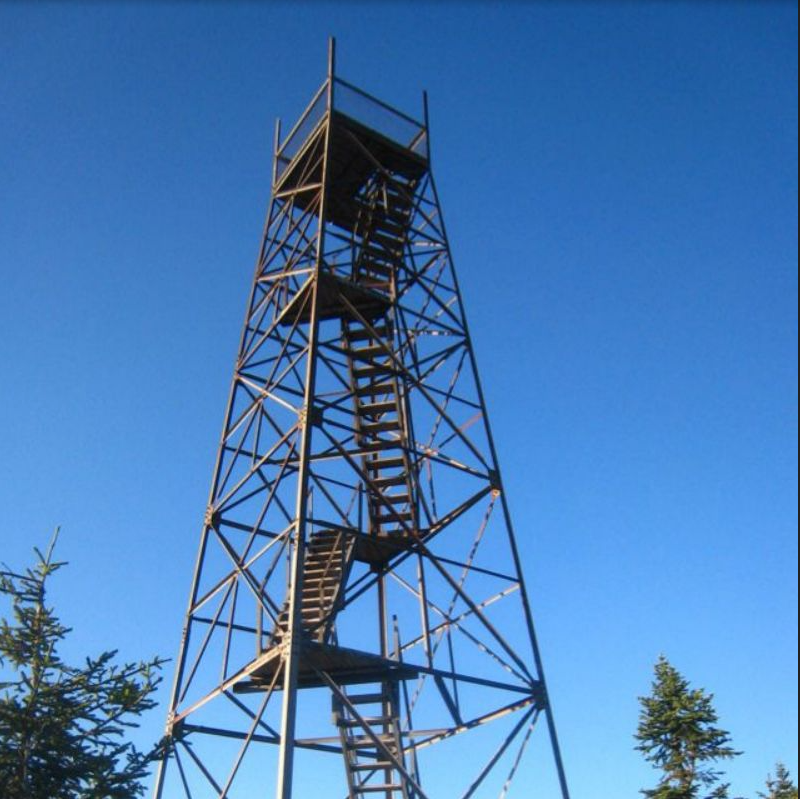
Precision fabrication is not simply about aesthetics or manufacturing tidiness. For a watch tower built from prefabricated components, precision determines whether the structure can handle wind loads, bear operational weight, resist corrosion, and remain safe for personnel over years of continuous service. Every bolt hole, joint, weld, and galvanized surface of a watch tower must conform to exact specifications. This article explores the core reasons why precision in fabrication is absolutely essential when constructing prefabricated watch tower structures for industrial, telecom, and observation applications.
Structural Integrity Depends on Fabrication Precision
How Tolerances Affect Watch Tower Assembly
When a watch tower is built using prefabricated components, each part is manufactured independently before being shipped to the installation site. The success of the final watch tower assembly relies entirely on how accurately each component was fabricated. Even minor dimensional errors in a single watch tower section can cascade into misalignment across the entire structure. Bolt holes that are even slightly off-center can force workers to apply stress to structural joints just to complete the connection, weakening the overall watch tower frame.
Precision tolerances in watch tower fabrication ensure that every bracket, leg, base plate, and cross-member aligns without modification. A well-fabricated watch tower component slots into place with minimal adjustment, reducing installation time and eliminating the risk of structural stress points. Tight tolerances in watch tower manufacturing are not a luxury — they are a functional requirement that directly determines load distribution and long-term durability of the watch tower.
Load Distribution and Structural Safety
A watch tower is designed to carry specific loads: the weight of its own structure, the weight of equipment mounted on it, personnel weight during inspections, and dynamic forces from wind and weather. Precision fabrication ensures that the watch tower frame distributes these loads evenly across all structural members. If a watch tower component is fabricated with inconsistent wall thickness, warped steel sections, or imprecise weld geometry, certain members will bear more load than intended. This uneven load distribution weakens the watch tower over time and increases the risk of structural fatigue or sudden failure under extreme conditions.
Weatherproofing and Corrosion Resistance in Watch Tower Fabrication
Why Galvanization Requires Precise Surface Preparation
Most outdoor watch tower structures are hot-dip galvanized to resist corrosion, especially those deployed in rural areas, coastal regions, or industrial zones. The effectiveness of galvanization on a watch tower component depends heavily on the surface quality achieved during fabrication. Rough welds, uneven steel surfaces, or contamination from poor machining can all compromise the adhesion and uniformity of the zinc coating on a watch tower part. When galvanization is uneven, certain sections of the watch tower are left with thinner protective layers that corrode faster under exposure to moisture and pollutants.
Precision fabrication of watch tower components ensures clean, consistent surfaces that accept galvanization uniformly. A precisely fabricated watch tower component will have smooth weld seams, correct surface roughness, and properly prepared edges that allow the zinc layer to bond effectively. This directly extends the service life of the watch tower and reduces long-term maintenance costs. For a watch tower installed in a remote or rural area where maintenance access is limited, high-quality galvanization achieved through precision fabrication is essential for sustained performance.
Fit-Up Quality and Weatherproof Joint Performance
In any watch tower installation, the joints and connections between prefabricated components are potential weak points for moisture ingress. Precision fabrication ensures that mating surfaces on a watch tower fit together with minimal gaps. Tight, accurate joints on a watch tower do not allow water to accumulate at connection points, reducing the risk of crevice corrosion and joint degradation. A poorly fabricated watch tower component with uneven flanges or distorted connection faces creates gaps that invite rust, freeze-thaw damage, and eventual structural weakening. Precision in every watch tower component is therefore a direct investment in weatherproof performance.
Operational Reliability and Installation Efficiency of Prefabricated Watch Towers
Reducing On-Site Errors During Watch Tower Erection
One of the primary advantages of a prefabricated watch tower system is the speed and efficiency of on-site installation. However, this advantage is completely dependent on fabrication precision. When watch tower components are fabricated to exact specifications, installation crews can assemble the watch tower quickly and confidently without needing to rework, grind, or force-fit parts on site. Field modifications to a watch tower are costly, time-consuming, and often introduce new structural weaknesses. Precision fabrication eliminates these on-site problems by ensuring that every watch tower part is 'assembly-ready' when it leaves the fabrication facility.
For telecom operators and observation platform managers deploying a watch tower in remote or rural areas, this efficiency is particularly critical. Transporting heavy modification tools to a remote watch tower site adds significant cost and delays the operational timeline. A precision-fabricated watch tower eliminates this burden and ensures that the structure can be erected on schedule with standard installation equipment.
Long-Term Performance and Reduced Maintenance
A watch tower is typically a long-term infrastructure investment. Operators expect a quality watch tower to remain serviceable for decades with minimal intervention. Precision fabrication contributes directly to this longevity by ensuring that watch tower components do not develop early fatigue cracks, joint loosening, or surface degradation. Properly fabricated watch tower structures maintain their alignment and load-bearing capacity over years of service, even under cyclical wind loading and temperature variation. Investing in precision fabrication at the manufacturing stage of a watch tower is far more cost-effective than dealing with repeated structural repairs or premature replacement later.
FAQ
What happens if watch tower components are fabricated with poor tolerances?
If watch tower components are fabricated outside acceptable tolerances, on-site assembly becomes difficult and structural integrity is compromised. Misaligned watch tower parts create stress concentrations at joints, increasing the risk of fatigue failure. Poor tolerances also make it harder to achieve proper galvanization, reducing corrosion protection across the watch tower structure.
How does precision fabrication affect the cost of a watch tower project?
Precision fabrication increases manufacturing quality and may slightly raise initial watch tower component costs, but it significantly reduces total project cost. Precise watch tower components require less on-site labor, eliminate rework expenses, and extend service life. Over the full operational lifespan of a watch tower, precision fabrication delivers strong cost savings through reduced maintenance and fewer structural issues.
Is galvanized steel the best material choice for a prefabricated watch tower?
Galvanized steel is widely used for prefabricated watch tower structures because it combines structural strength with excellent corrosion resistance. For a watch tower deployed in rural, remote, or harsh environments, galvanized steel provides long-lasting protection without requiring frequent surface treatment. Precision fabrication ensures the galvanized coating on each watch tower component adheres uniformly, maximizing the protective benefit of the material choice.