 EN
EN


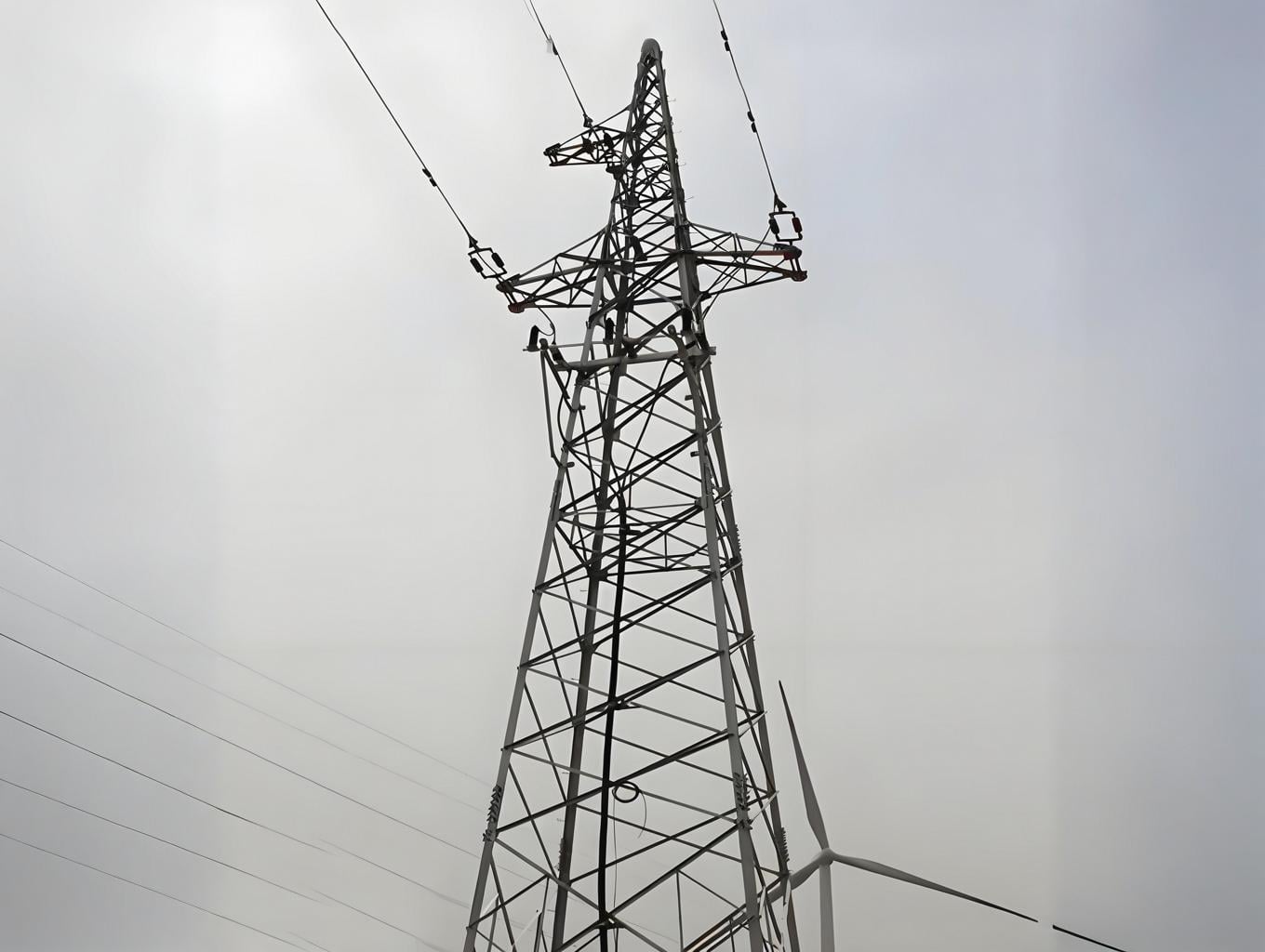
When a large-scale power grid expansion is underway, the ability to deliver every electric tower on schedule can determine whether an entire infrastructure project succeeds or stalls. An electric tower is not a commodity item that can be substituted at the last minute — it is an engineered, site-specific structure that must arrive precisely when installation crews, foundation work, and grid commissioning timelines demand it. This makes production capacity one of the most critical factors any project owner, EPC contractor, or procurement specialist must evaluate before awarding a supply contract.
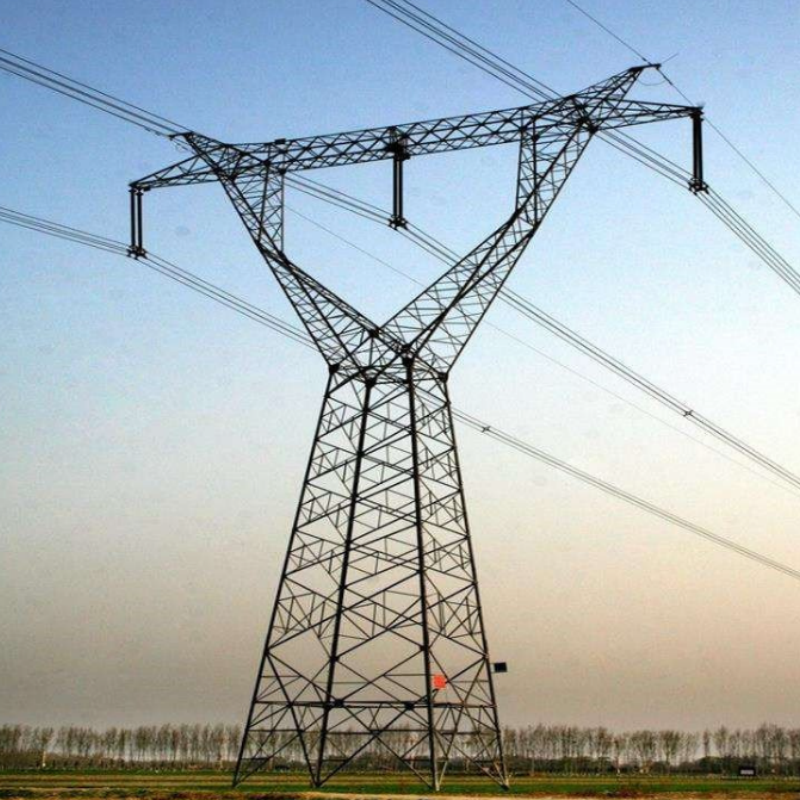
High-volume production capacity means a manufacturer can fabricate, galvanize, and dispatch large quantities of electric tower structures within compressed timeframes without sacrificing structural integrity or dimensional accuracy. For projects involving hundreds of electric tower units across long transmission corridors, a supplier's throughput capability is directly tied to your project's risk profile. Understanding how that capacity translates into reliable, on-time delivery helps procurement teams make smarter sourcing decisions from the outset.
The Link Between Production Scale and Electric Tower Project Timelines
Why Output Volume Directly Affects Delivery Reliability
Every electric tower project operates within a fixed construction window. Delays in electric tower supply cascade into delayed pole erection, postponed energization, and ultimately, financial penalties for project developers. A manufacturer with high-volume output can absorb order surges, manage material procurement at scale, and maintain consistent fabrication schedules that align with your project milestones. When an electric tower supplier commits to a delivery date, that commitment is only credible if their production floor can physically support it.
A high-capacity electric tower plant typically operates multiple fabrication lines simultaneously. Each line handles different stages — steel cutting, drilling, welding, hot-dip galvanizing, and quality inspection — so that electric tower components move through the process in parallel rather than sequentially. This parallel workflow dramatically shortens the lead time per electric tower unit and allows large batches to be completed within weeks rather than months.
How Inventory and Material Readiness Support On-Time Electric Tower Supply
High-volume electric tower producers maintain strategic raw material reserves, particularly for structural steel and zinc for galvanizing. When your electric tower order is confirmed, production can begin immediately without waiting for steel procurement cycles. This readiness is especially valuable for 110kV galvanized steel electric tower projects where material specifications are precise and substitutions are not permitted. Pre-stocked material inventories mean that your electric tower delivery schedule is insulated from spot market delays and supply chain disruptions.
Reliable electric tower delivery also depends on the supplier's ability to pre-plan logistics. High-volume manufacturers track electric tower batch completions in real time, coordinate with freight partners early, and stage finished electric tower units in organized dispatch zones. This operational discipline ensures that when your electric tower order is ready, transportation is already scheduled and waiting — not organized at the last moment.
Quality Control at Scale in Electric Tower Manufacturing
Maintaining Structural Standards Across Large Electric Tower Orders
One concern that project engineers often raise is whether quality can be maintained when an electric tower manufacturer scales up production. The answer lies in standardized processes and automated inspection protocols. A well-organized electric tower factory uses fixed welding jigs, digital drilling templates, and calibrated galvanizing bath controls to ensure that every electric tower produced to a given design meets identical dimensional and coating standards. This consistency is essential because each electric tower in a transmission line must interface perfectly with its foundations, cross-arms, and conductors.
Third-party quality inspections are a standard feature of high-volume electric tower production contracts. Manufacturers invite independent inspectors to witness electric tower fabrication and galvanizing processes, review material test certificates, and verify load test results. This transparency gives project owners and grid operators the confidence that every electric tower delivered to site is compliant, safe, and ready for installation without rework.
Galvanizing Capacity as a Bottleneck in Electric Tower Production
Hot-dip galvanizing is often the most time-constrained stage in electric tower production. Manufacturers with dedicated, large-format galvanizing baths can process entire electric tower leg sections and cross-arm assemblies in single dips, reducing handling time and ensuring uniform zinc coating. Suppliers without sufficient galvanizing capacity become bottlenecks that delay the final release of each electric tower batch, pushing delivery dates backward. Evaluating a manufacturer's galvanizing throughput is therefore as important as evaluating their fabrication speed when assessing their ability to support your electric tower project schedule.
Operational Practices That Guarantee On-Time Electric Tower Delivery
Project-Specific Production Scheduling for Electric Tower Orders
Leading electric tower manufacturers assign dedicated production slots to each confirmed project order. This means your electric tower order is not competing for factory capacity with other clients after the contract is signed. A dedicated production schedule allows the manufacturer to communicate precise electric tower delivery milestones, flag potential delays early, and adjust fabrication sequencing if site conditions change. Project owners receive regular progress reports tied to actual electric tower production stages, not estimates.
For large electric tower projects spanning multiple voltage levels — such as combined 110kV transmission and distribution pole orders — high-volume manufacturers can segment production runs by tower type while still meeting a unified delivery program. This flexibility ensures that your electric tower supply chain remains coordinated even when the project scope is complex.
Logistics Coordination and Electric Tower Packaging Standards
An electric tower is a heavy, dimensional structure that requires careful packaging to prevent transport damage. High-volume electric tower producers use standardized bundling, protective end-caps, and clearly labeled component markings that correspond to erection drawings. Properly packaged electric tower components arrive at site ready for immediate sorting and installation, saving crews time and reducing the risk of misidentified parts. Coordinated container loading ensures that each electric tower shipment contains all necessary components, eliminating the costly scenario of incomplete deliveries that stall construction progress.
FAQ
How does production capacity affect electric tower delivery schedules?
Higher electric tower production capacity means more fabrication lines, more galvanizing throughput, and faster batch completion. This directly shortens lead times and reduces the risk of late delivery, especially for large electric tower project orders with fixed milestones.
What quality checks are applied to high-volume electric tower production?
High-volume electric tower manufacturers apply dimensional inspection, galvanizing thickness testing, weld quality checks, and load verification at each production stage. Third-party witnesses can be arranged to certify that each electric tower batch meets project specifications before dispatch.
Can a high-volume manufacturer handle custom electric tower designs on schedule?
Yes. Experienced electric tower manufacturers with high production capacity maintain engineering teams that convert custom design requirements into production-ready drawings quickly. Once approved, the electric tower design enters a dedicated fabrication slot, and delivery timelines are managed within the same disciplined scheduling framework as standard electric tower orders.