 EN
EN


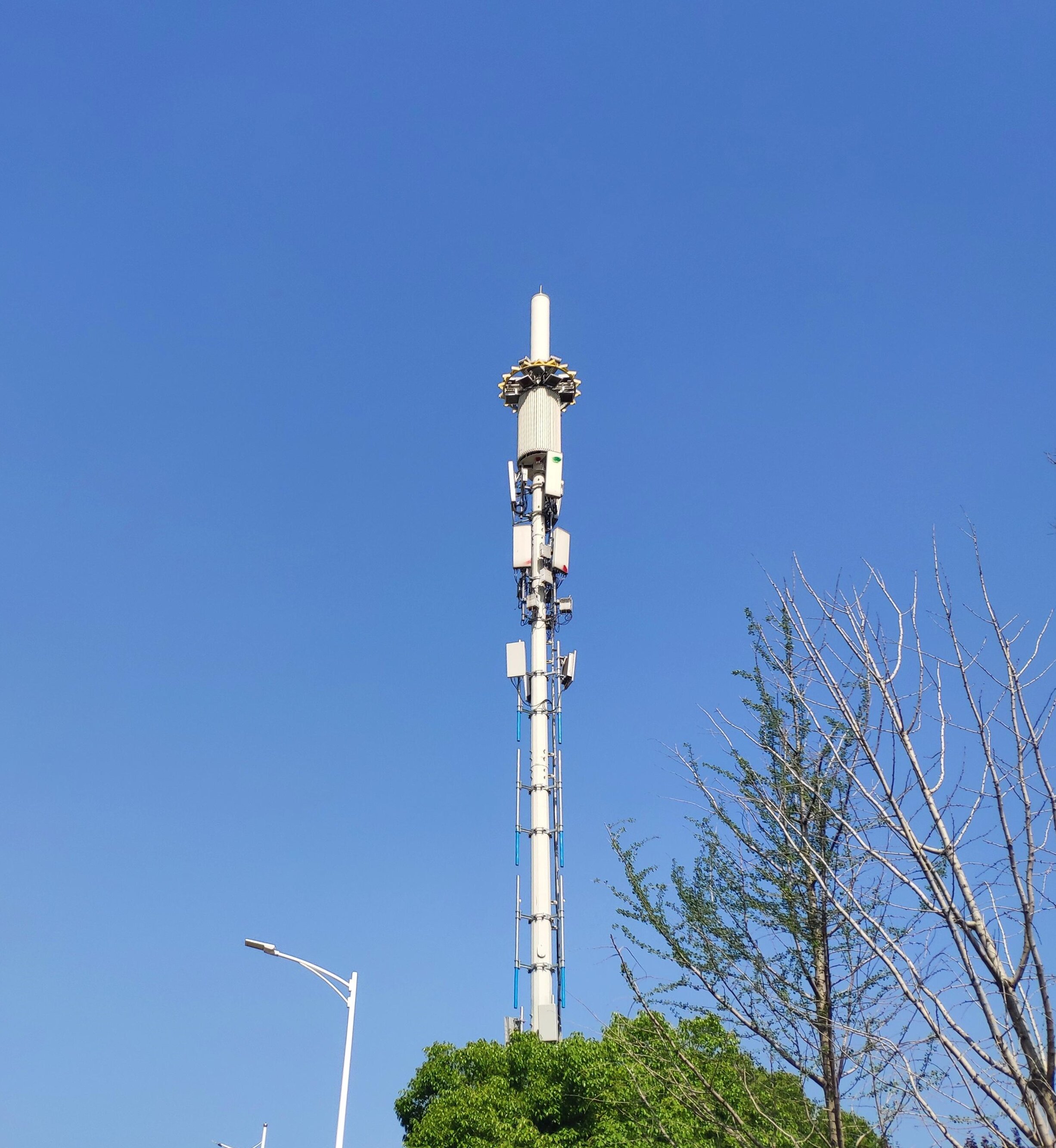
When it comes to high-voltage power infrastructure, the question of material integrity is not a minor concern — it is a fundamental engineering requirement. A galvanized steel tower is specifically engineered to address two of the most destructive forces acting on structural steel in outdoor environments: fatigue from repeated mechanical stress and corrosion from prolonged atmospheric exposure. If your electric towers are not fabricated with steel that has been proven to withstand both of these forces, your infrastructure investment is at risk from the moment installation is complete.
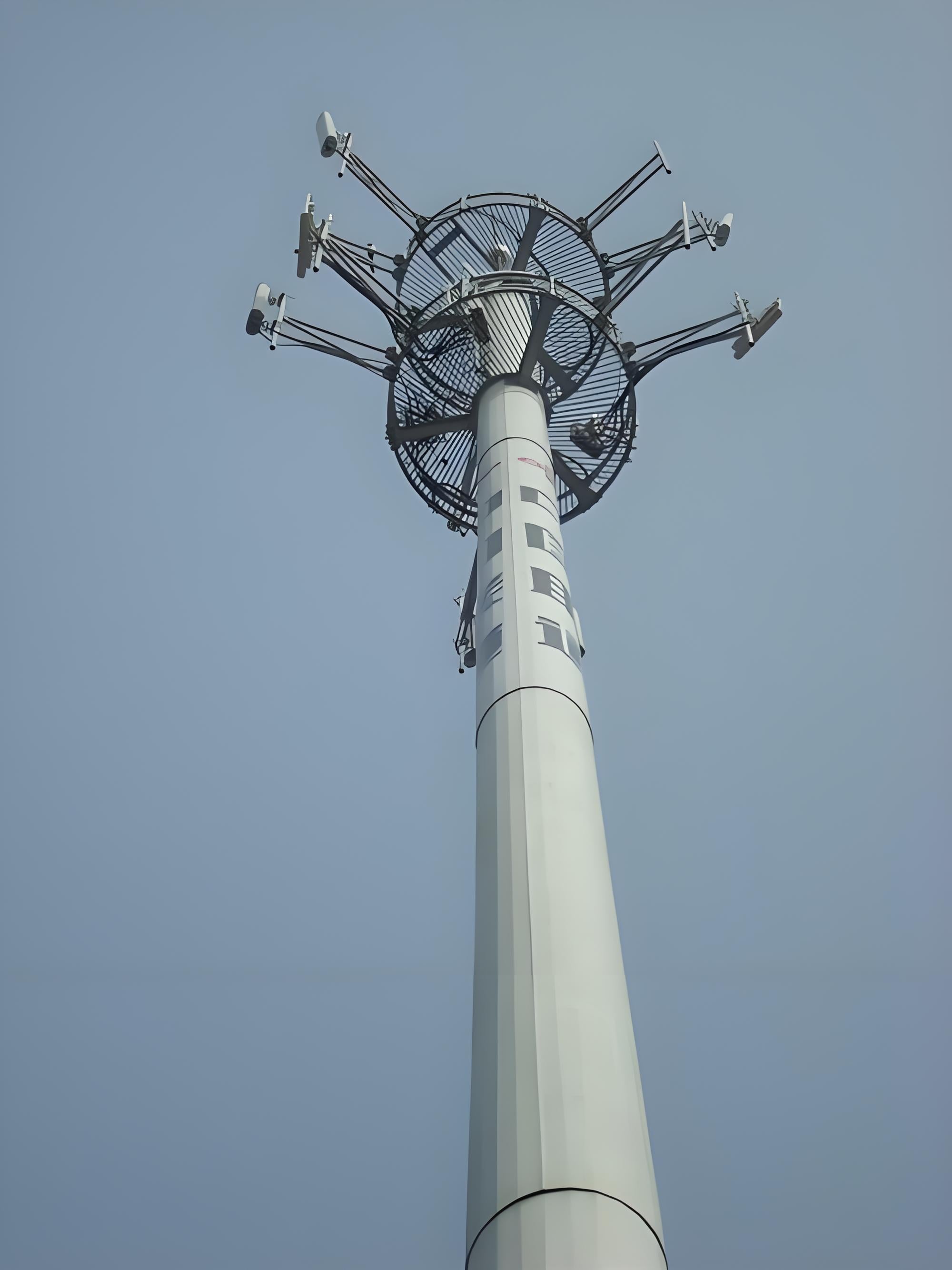
A properly fabricated galvanized steel tower combines structural steel with a protective zinc coating applied through hot-dip galvanization. This manufacturing method does not simply coat the surface — it creates a metallurgical bond that makes the galvanized steel tower resistant to moisture, oxygen, industrial pollutants, and the cyclic loading that causes fatigue cracking over time. Understanding why each of these properties matters will help procurement managers, engineers, and project developers make better decisions when specifying tower fabrication standards for 110kV and higher transmission lines.
Fatigue Resistance in Galvanized Steel Tower Fabrication
Why Cyclic Loading Demands More Than Standard Steel
Every galvanized steel tower installed along a transmission corridor is subject to dynamic, repeating loads. Wind pressure fluctuates continuously, conductor tension shifts with temperature changes, and ice accumulation places variable weight on structural members. Standard structural steel without proper heat treatment and quality control can develop micro-cracks at stress concentration points when exposed to these cyclic loads over years of service. A galvanized steel tower fabricated with certified high-tensile steel grades is designed to tolerate these stress cycles without compromising structural integrity.
Fatigue resistance in a galvanized steel tower is not an accidental property — it is the result of deliberate material selection, precise dimensional tolerancing, and controlled welding procedures. When fabricators apply hot-dip galvanization after structural assembly, the zinc coating also seals micro-surface irregularities that could otherwise become initiation points for fatigue cracks. This means a well-fabricated galvanized steel tower offers enhanced fatigue performance compared to painted or uncoated alternatives exposed to the same loading conditions.
Fabrication Standards That Confirm Fatigue Performance
When evaluating whether a galvanized steel tower meets fatigue resistance requirements, procurement teams should look for compliance with recognized structural steel standards and tower design codes. The base steel used in a galvanized steel tower should carry mill certifications confirming yield strength, tensile strength, and elongation values. Fabricators should also provide documentation showing that welded joints meet quality inspection criteria, since weld zones are often the first locations where fatigue damage appears in a galvanized steel tower under prolonged cyclic stress.
Corrosion Protection Through Hot-Dip Galvanization
How the Zinc Coating Defends a Galvanized Steel Tower
The galvanization process is what gives a galvanized steel tower its defining corrosion resistance advantage. During hot-dip galvanization, the fabricated steel structure is immersed in a bath of molten zinc at approximately 450 degrees Celsius. The zinc reacts with the steel surface to form a series of zinc-iron alloy layers, topped by a pure zinc outer layer. This multi-layer structure makes a galvanized steel tower dramatically more resistant to corrosion than a painted tower, because the protection is integral to the material rather than applied as a separate film that can peel, chip, or crack.
A galvanized steel tower also benefits from the electrochemical protection mechanism of zinc. Even if the zinc coating is scratched or locally damaged, zinc acts as a sacrificial anode and continues protecting the underlying steel from oxidation. This self-healing electrochemical property is particularly valuable in coastal areas, industrial zones, and high-humidity regions where a galvanized steel tower faces aggressive corrosion conditions that would rapidly degrade an unprotected steel structure. The service life of a galvanized steel tower in moderate environments regularly exceeds fifty years with minimal maintenance.
Coating Thickness as a Quality Indicator
Not all galvanized steel tower products are fabricated with the same zinc coating quality. Coating thickness, measured in micrometers or grams per square meter, directly determines how long a galvanized steel tower will resist corrosion before the zinc layer is consumed. Industry standards typically specify minimum zinc coating thicknesses for structural steel used in a galvanized steel tower, and buyers should request coating inspection reports or third-party test certificates to verify compliance. A galvanized steel tower with insufficient coating thickness may appear structurally sound at installation but fail prematurely in aggressive environments.
Selecting a Galvanized Steel Tower for Power Distribution Projects
Matching Tower Specifications to Project Requirements
A galvanized steel tower used for 110kV power distribution or transmission must be specified with the correct height, base width, leg configuration, and load-bearing capacity for the intended route. Procurement teams working on transmission projects should obtain tower design drawings and loading calculations that confirm the galvanized steel tower can handle the wind speed, ice load, and conductor tension values specific to the installation site. A galvanized steel tower that is correctly specified for its environment will deliver decades of reliable service with minimal inspection intervention.
Installation geography matters significantly when selecting a galvanized steel tower. Coastal and offshore environments demand heavier zinc coating specifications than inland locations with low humidity. Industrial corridors with sulfur dioxide or chloride pollutants in the atmosphere will accelerate zinc consumption on a galvanized steel tower, making coating thickness verification even more critical. Procurement managers should communicate site-specific environmental data to fabricators so that the galvanized steel tower delivered to the project meets corrosion resistance expectations for the actual operating conditions rather than only average conditions.
Verification Before and After Fabrication
Quality assurance for a galvanized steel tower should not begin at delivery — it should start with material verification at the steel mill level and continue through every fabrication stage. Pre-galvanization inspection of a galvanized steel tower includes checking steel grade certificates, weld quality records, and dimensional accuracy. Post-galvanization inspection covers coating adhesion, coating thickness uniformity, and surface appearance. A reputable supplier of a galvanized steel tower will make this documentation available as part of the standard supply package, giving buyers clear evidence that the structure they are installing has been fabricated to withstand both fatigue and corrosion over its full design life.
FAQ
What makes a galvanized steel tower more durable than a painted steel tower?
A galvanized steel tower forms a metallurgical zinc-iron bond that cannot peel or chip, unlike paint coatings that remain as a surface film. The zinc layer on a galvanized steel tower also provides sacrificial electrochemical protection, meaning it continues defending the steel even when the surface is scratched. Painted towers lose corrosion protection as soon as the coating is damaged, making a galvanized steel tower a far more durable option for long-service transmission infrastructure.
How does a galvanized steel tower handle wind-induced fatigue over its service life?
A galvanized steel tower is designed with high-tensile steel grades and controlled fabrication procedures that address the cyclic loading caused by wind pressure and conductor movement. The hot-dip galvanization process also seals minor surface imperfections that could otherwise become fatigue crack initiation sites. Over a design life that typically spans several decades, a properly fabricated galvanized steel tower maintains structural integrity under the dynamic load cycles characteristic of transmission line environments.
What inspection documents should buyers request for a galvanized steel tower?
Buyers should request mill test certificates confirming the steel grade and mechanical properties used in the galvanized steel tower, along with weld quality inspection records and post-galvanization coating thickness test reports. Third-party inspection certificates from accredited testing bodies provide additional assurance that the galvanized steel tower meets the specified corrosion resistance and structural performance standards. These documents form the quality evidence trail that confirms the tower has been fabricated to the required engineering standards.