 EN


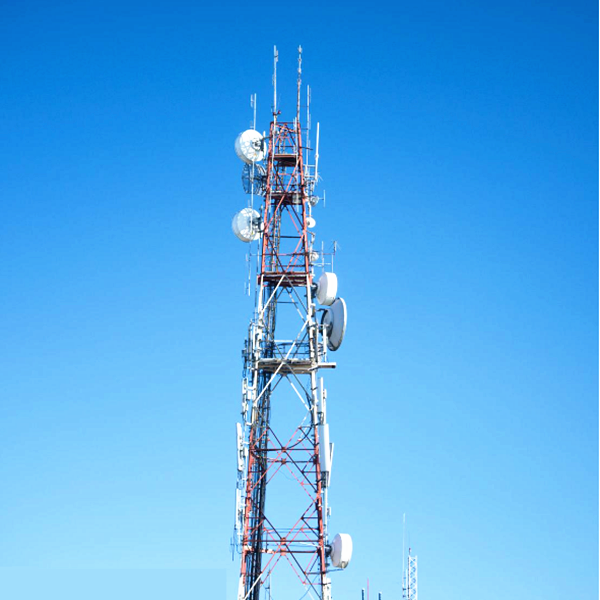
The longevity and structural reliability of any transmission tower depend fundamentally on its ability to resist environmental degradation. A transmission tower stands exposed to moisture, salt spray, industrial pollutants, and temperature fluctuations year-round. Without proper protective measures, these environmental stressors accelerate corrosion, weakening the steel structure and ultimately threatening the entire power distribution network. This is why galvanization and advanced corrosion protection systems are non-negotiable investments for transmission tower infrastructure. The stakes are too high to overlook these critical protective measures.
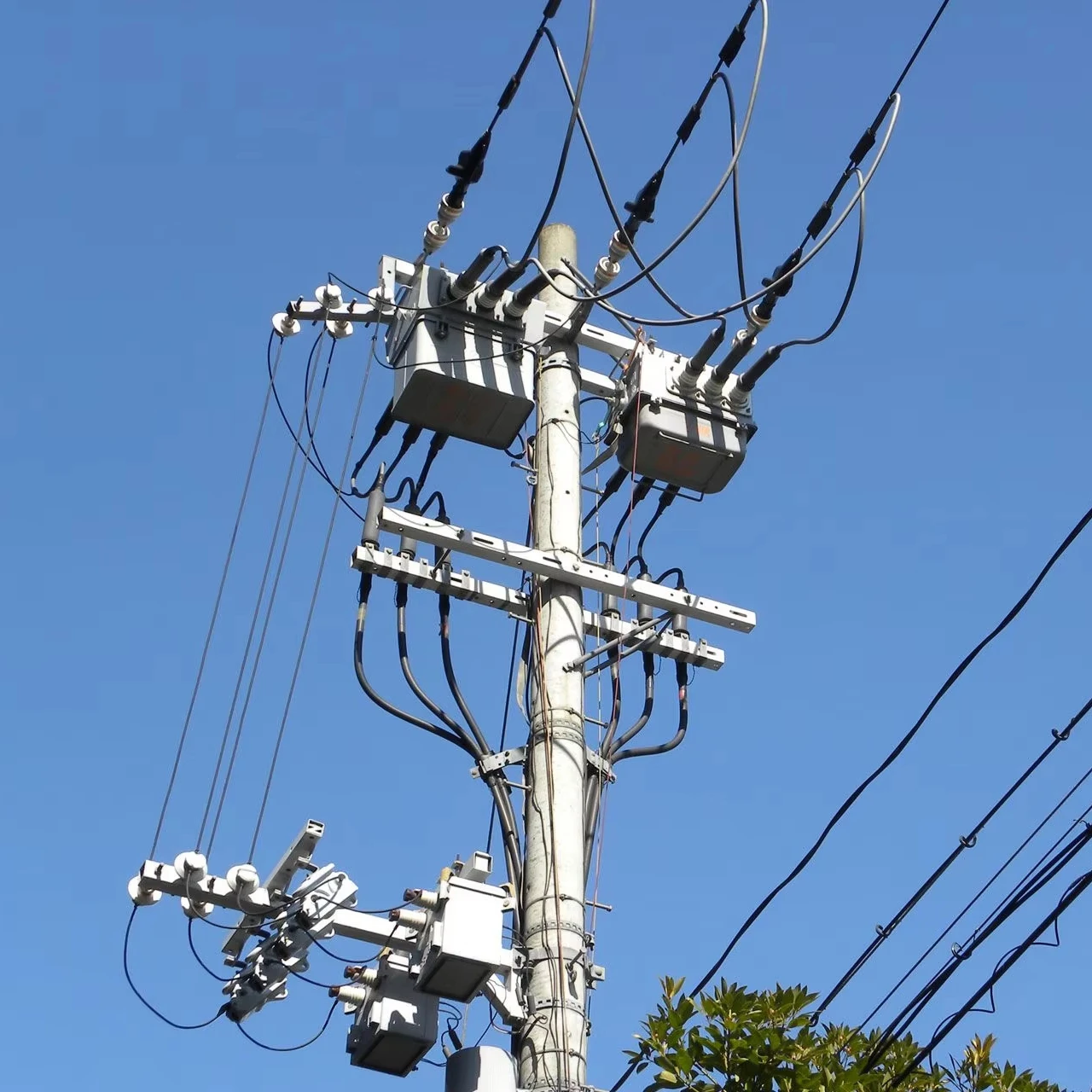
Every transmission tower represents decades of capital investment and operational continuity. When corrosion compromises structural integrity, the consequences extend far beyond a single asset. Outages ripple through entire grids, affecting industrial operations, utilities, and communities dependent on reliable power delivery. By implementing robust galvanization and corrosion protection systems on each transmission tower, operators ensure predictable service life, reduce emergency maintenance costs, and maintain the critical infrastructure that modern society depends upon.
Understanding Transmission Tower Corrosion Mechanisms
Environmental Stress on Transmission Tower Steel
Steel transmission tower materials face constant assault from natural and industrial elements. Moisture penetration initiates oxidation cycles that progressively degrade unprotected steel. Coastal regions introduce salt spray that accelerates electrochemical corrosion on transmission tower surfaces. Industrial areas with acid rain and sulfur dioxide create chemically aggressive environments that attack exposed metal. The transmission tower must withstand these assaults for 50 to 70 years or longer, making reactive protection insufficient. Galvanization provides the first line of defense, creating a metallurgical barrier between steel and corrosive elements.
Structural Failure Risk Without Protection
Unprotected transmission tower steel loses cross-sectional thickness as corrosion progresses, reducing load-bearing capacity. Initial surface rust may appear cosmetic, but it signals deeper oxidation working inward toward the core. A transmission tower under tension from high-voltage conductors cannot tolerate hidden weakness. Corrosion pitting creates stress concentration points where cracks initiate and propagate under cyclic loading. Foundation bolts corrode and lose tensile strength, compromising anchorage integrity. Once a transmission tower begins structural degradation, remediation becomes exponentially more expensive than preventive galvanization, making early protection the only rational approach.
The Galvanization Process and Its Critical Role
How Galvanization Protects Transmission Tower Steel
Hot-dip galvanizing applies a multi-layered zinc coating to transmission tower components through immersion in molten zinc. This process creates a metallurgical bond between zinc and steel that cannot peel or separate like paint. The outer zinc layer sacrificially corrodes before the underlying steel, a process called cathodic protection. When galvanizing is properly applied to a transmission tower, the zinc layer can last 50 to 70 years in most environments. The transmission tower gains inherent corrosion resistance without ongoing maintenance or recoating. This passive protection mechanism makes galvanization the industry standard for long-life infrastructure.
Transmission Tower Galvanizing Standards and Specifications
Industry standards define minimum zinc coating thickness based on transmission tower exposure classification. Coastal and highly corrosive environments require thicker zinc layers than inland, low-corrosion areas. A typical transmission tower specification calls for 85 microns minimum thickness in moderate environments and 140 microns in severe zones. ASTM and ISO standards ensure consistency across transmission tower suppliers. Inspection and certification protocols verify that each transmission tower meets specification before installation. Non-compliant transmission tower components compromise the entire network strategy, making specification enforcement critical to long-term performance.
Beyond Galvanization: Comprehensive Corrosion Protection Systems
Integrated Protection for Extended Transmission Tower Life
Modern transmission tower operators employ multi-layered strategies beyond basic galvanizing. Hybrid coating systems combine galvanization with additional paint or polymer layers, extending protection timelines further. Cable and fastener hardware receives specialized treatment to prevent galvanic corrosion between dissimilar metals on a transmission tower. Drainage design and geometry optimization prevent water pooling and stagnation within transmission tower members. Environmental monitoring systems track corrosion rates on representative transmission tower test panels, providing early warning of degradation trends. These comprehensive approaches maximize transmission tower service life and predictability.
Maintenance and Inspection Protocols for Protected Transmission Towers
Even well-protected transmission tower infrastructure requires periodic inspection to detect emerging issues early. Thermal imaging and ultrasonic thickness measurement identify areas where galvanizing has been damaged or worn. A transmission tower exposed to unusual chemical environments may need specialized coating touch-ups. Fastener replacement and corrosion inhibitor application maintain transmission tower integrity between major inspections. Establishing baseline corrosion rates allows operators to schedule preventive interventions before critical thresholds are reached. Proactive maintenance transforms a transmission tower from a 'run-to-failure' asset into a managed, predictable infrastructure component.
FAQ
How long does galvanization typically last on a transmission tower?
Properly galvanized transmission tower steel typically provides 50 to 70 years of protection in moderate environments. Coastal and highly corrosive areas may see reduced service life of 30 to 40 years, requiring supplementary protective measures. A transmission tower installed with correct galvanizing specification and proper maintenance intervals can reliably exceed initial projections. Regular inspection allows operators to monitor coating performance and plan renewal or reinforcement as needed. The actual lifespan depends on environmental exposure, coating thickness, and maintenance discipline applied to each transmission tower.
Can a transmission tower be re-galvanized or repaired if corrosion damage appears?
Yes, a transmission tower can be re-galvanized through spot coating, patch galvanizing, or localized coating repair, depending on damage severity. If structural integrity remains intact, a transmission tower can be treated with specialized corrosion inhibitors and protective overlays. However, if deep pitting or section loss has occurred, structural reinforcement or component replacement may be necessary before additional coating. The cost and complexity of transmission tower repair typically exceed the cost of original galvanization, reinforcing the value of preventive protection. Operators should assess whether repair makes economic sense or whether transmission tower replacement is more prudent.
Are there alternatives to hot-dip galvanizing for transmission tower protection?
Several alternatives exist for transmission tower corrosion protection, including thermal spray coatings, electroplating, and advanced polymer systems. Thermal spray methods can reach areas difficult for hot-dip galvanizing on large transmission tower assemblies. Long-life paint systems and duplex coatings (galvanize plus topcoat) extend protection on transmission towers in harsh environments. Weathering steel and stainless steel options are available but cost significantly more than galvanized alternatives. Each transmission tower protection method has advantages, but hot-dip galvanizing remains the industry standard due to proven performance, cost-effectiveness, and compatibility with transmission tower assembly and maintenance practices. Selection depends on specific environmental and operational requirements for each installation.