 EN



Selecting the right transmission tower supplier is one of the most critical decisions a utility company, renewable energy developer, or infrastructure firm can make. Beyond product quality and pricing, the ability to manage both domestic and international logistics efficiently determines whether your projects stay on schedule and within budget. A transmission tower supplier that excels in domestic operations but struggles with cross-border logistics creates delays, unexpected costs, and operational headaches that ripple through your entire project timeline.
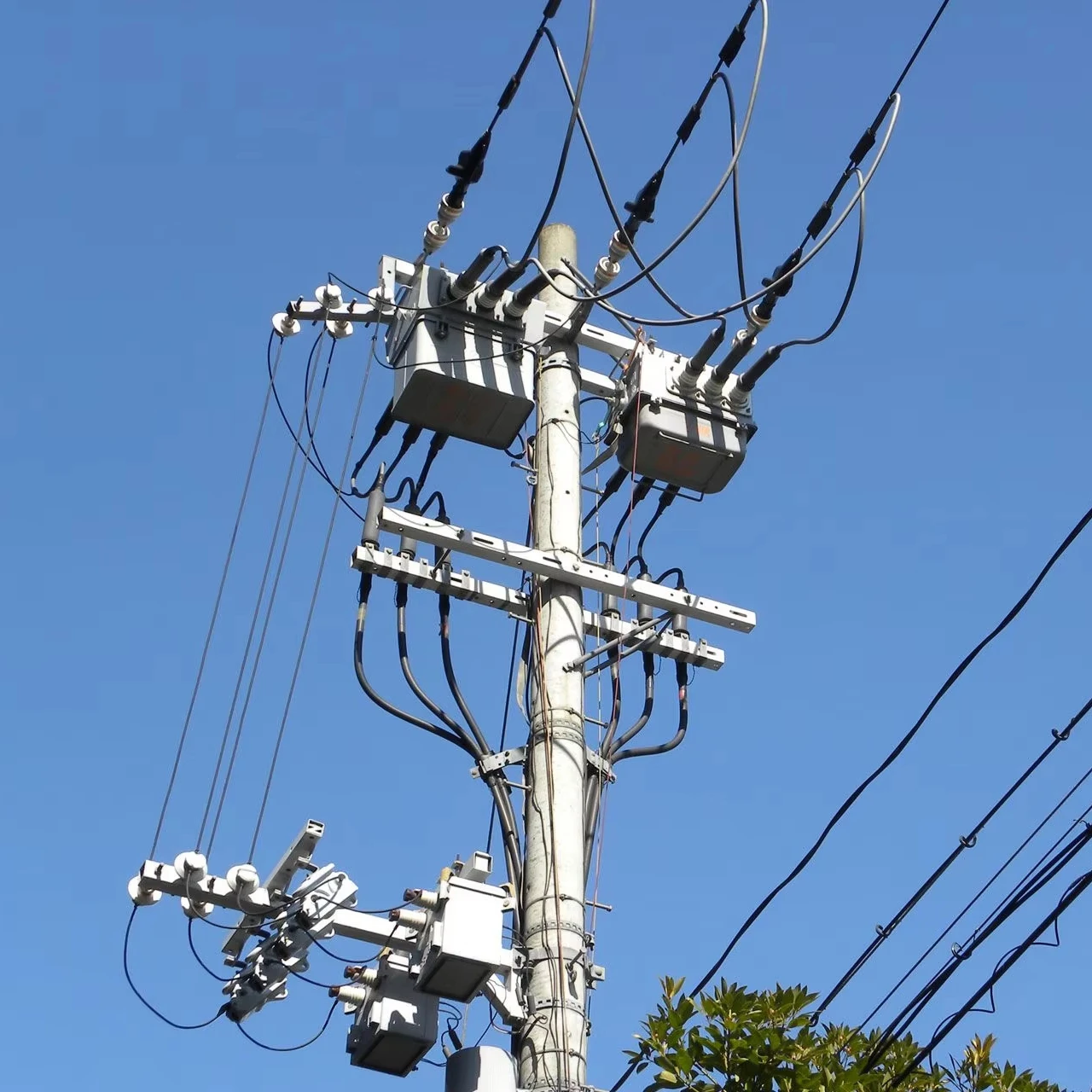
The logistics capability of your transmission tower supplier directly impacts project success, cost control, and stakeholder confidence. Whether you are building domestic infrastructure or expanding into international markets, your supplier must demonstrate competence across supply chain complexity, regulatory compliance, and delivery reliability. Understanding what separates exceptional transmission tower suppliers from average ones helps you make an informed partnership decision.
Understanding Transmission Tower Supplier Logistics Requirements
Domestic Logistics Complexity for Transmission Tower Operations
Domestic transmission tower logistics involves far more than standard freight management. A transmission tower supplier must coordinate fabrication scheduling, quality inspections, permits for oversized loads, route planning for heavy equipment, and last-mile delivery to remote construction sites. Transmission tower shipments are typically classified as oversized or over-weight cargo, requiring specialized equipment, trained drivers, and coordination with state transportation departments. Your transmission tower supplier must maintain relationships with certified carriers, understand weight and dimension regulations across different states, and handle real-time tracking for accountability.
The domestic transmission tower logistics network requires preemptive problem-solving. Weather delays, construction site access restrictions, and material availability fluctuations demand that your transmission tower supplier maintains buffer stock, flexible scheduling systems, and contingency routes. Efficient domestic operations mean your supplier has invested in warehouse facilities near major demand centers, established carrier partnerships with proven track records, and implemented technology systems that prevent shipment bottlenecks and reduce dwell time at distribution points.
International Logistics Complexity for Transmission Tower Distribution
International transmission tower logistics introduces layers of regulatory, financial, and operational complexity absent from domestic supply. A transmission tower supplier operating globally must master export documentation, customs clearance procedures, international quality certifications, freight forwarding coordination, and tariff classification. Different destination countries impose varying material specifications, safety standards, and inspection protocols. Your transmission tower supplier must understand how steel grade certifications, galvanization specifications, and bolt material standards differ by market and ensure compliance without redesign delays.
Currency fluctuations, payment terms, and insurance requirements add financial complexity that domestic transmission tower logistics does not face. International transmission tower shipments move through multiple jurisdictions, requiring coordination with freight forwarders, customs brokers, port authorities, and local logistics partners. A transmission tower supplier with genuine international capability maintains established relationships with major ports, understands incoterms negotiation, can arrange marine insurance, and manages demurrage risks proactively. This depth of operational integration separates suppliers with casual export experience from those truly capable of international transmission tower distribution.
Key Capabilities That Define Reliable Transmission Tower Suppliers
Supply Chain Visibility and Real-Time Tracking Systems
Modern transmission tower suppliers leverage technology to provide transparency across the entire supply chain. A credible transmission tower supplier invests in enterprise resource planning systems, GPS tracking for shipments, and customer portals that display order status, fabrication progress, and estimated delivery dates. Real-time visibility into your transmission tower orders reduces anxiety about delays, allows you to coordinate site preparation and installation schedules with confidence, and enables rapid response if logistics issues emerge. When a transmission tower supplier cannot provide clear status updates or relies on manual communication, you face unnecessary uncertainty and operational risk.
Advanced transmission tower suppliers integrate their systems with major freight carriers, customs agencies, and port operations to create end-to-end supply chain transparency. This integration capability means your transmission tower supplier can identify bottlenecks before they cause delays, reroute shipments if primary routes experience disruptions, and provide accurate ETAs even when facing unpredictable international border delays. Technology investment by your transmission tower supplier directly translates to reduced project uncertainty and improved stakeholder communication.
Regulatory Compliance and Documentation Expertise
Regulatory compliance failures destroy transmission tower logistics efficiency faster than any operational bottleneck. A transmission tower supplier must maintain expert knowledge of export control regulations, material certification requirements, environmental compliance standards, and industry-specific regulations governing electrical equipment shipment. For international transmission tower distribution, suppliers must understand whether their products fall under export controls, what certificates of origin are required, and whether destination countries impose specific testing or inspection mandates.
Experienced transmission tower suppliers maintain dedicated compliance teams that verify documentation completeness before shipments leave the facility. They understand that a single missing certificate or incorrect tariff classification can delay a transmission tower shipment for weeks at customs. They maintain relationships with customs brokers, understand industry harmonized codes, and know which certifications are reciprocally recognized across major markets. This expertise prevents costly delays and ensures your transmission tower arrives at its destination without regulatory complications.
Network Infrastructure and Strategic Warehouse Locations
Efficient transmission tower logistics require physical infrastructure that strategic warehouse locations cannot replace. A transmission tower supplier serving domestic and international markets needs manufacturing facilities positioned near key demand centers, regional distribution hubs to consolidate smaller orders, and partnerships with logistics providers that operate port facilities or inland distribution terminals. Strategic warehouse placement reduces transmission tower transit time, lowers transportation costs through regional consolidation, and enables faster response to urgent orders.
Transmission tower suppliers with genuine international capability maintain or partner with facilities near major shipping ports, possess bonded warehouse capacity for import consolidation, and operate staging areas in key international markets. This infrastructure network means your transmission tower supplier can aggregate orders from multiple customers, achieve better freight rates through volume consolidation, and reduce per-unit logistics costs. Infrastructure investment directly reflects a transmission tower supplier's commitment to sustainable international operations rather than opportunistic occasional exports.
Evaluating Your Transmission Tower Supplier's Logistics Capacity
Performance Metrics and Service Level Agreements
A transmission tower supplier serious about logistics efficiency operates under measurable service level agreements that define on-time delivery rates, documentation accuracy standards, and damage mitigation protocols. Before committing to a transmission tower supplier partnership, request their historical performance data on on-time delivery percentages, average order-to-delivery lead times, and damage rates by shipment method. Benchmark these metrics against industry standards and against competitors offering similar transmission tower products.
Professional transmission tower suppliers should guarantee specific delivery windows for domestic orders and provide realistic lead time estimates for international transmission tower shipments that account for customs variability. Ask your transmission tower supplier whether they carry supply chain insurance, maintain emergency response protocols for damaged shipments, and have established procedures for order expediting. These commitments signal that your transmission tower supplier views logistics reliability as core to their value proposition rather than an afterthought.
References and Case Studies from Similar Projects
Request references from customers who have worked with your transmission tower supplier on both domestic and international projects of comparable scope. Speak directly with project managers who managed large transmission tower orders, particularly those involving multiple shipments, international destinations, or complex site access requirements. Ask about their experience with documentation handling, response time during logistics challenges, and whether the transmission tower supplier exceeded expectations or created bottlenecks.
Transmission tower suppliers confident in their logistics capabilities welcome detailed reference inquiries and can provide specific examples of challenging logistics situations they resolved successfully. If a transmission tower supplier hesitates to provide international logistics references or offers only domestic project examples despite claiming international capability, this signals limited genuine offshore experience. Case studies demonstrating transmission tower supplier success across diverse geographic markets, regulatory environments, and project types indicate operational maturity and reliable partnership potential.
FAQ
What distinguishes a transmission tower supplier with genuine international logistics capability from one with limited export experience?
A transmission tower supplier with genuine international logistics capability maintains dedicated export teams, operates established relationships with major freight forwarders and customs brokers, and can provide documentation in multiple languages and formats. They understand destination-country-specific material standards and regulations, maintain bonded warehouse facilities or partnerships, and can manage multi-country shipments without excessive coordination burden on you. A transmission tower supplier with limited international experience treats international orders as exceptions, relies on ad-hoc freight forwarder engagement, and cannot address destination-specific regulatory requirements without extensive customer collaboration. Genuine international transmission tower suppliers invest in compliance infrastructure, maintain regional partnerships, and provide seamless cross-border service similar to domestic operations.
How should I assess transmission tower supplier responsiveness to logistics disruptions or emergency orders?
Request that your potential transmission tower supplier describe their process for handling urgent orders, unexpected demand spikes, and logistics disruptions like carrier cancellations or port delays. Ask specifically how they prioritize orders during capacity constraints and whether they maintain safety stock of commonly ordered transmission tower configurations. Professional transmission tower suppliers should have documented escalation procedures, emergency carrier relationships, and flexibility to accommodate rush orders at transparent premium pricing. Observe whether your transmission tower supplier communicates proactively about potential delays or waits until problems become acute. During initial discussions, test their responsiveness by asking detailed questions about international delivery timelines and gauge whether they provide thoughtful analysis or generic estimates.
What role does technology infrastructure play in transmission tower supplier logistics efficiency?
Technology infrastructure directly enables transmission tower supplier transparency, reduces manual coordination burden, and accelerates problem-solving. Advanced transmission tower suppliers deploy integrated systems connecting manufacturing operations, warehouse management, freight tracking, and customer communication into one platform. These systems automatically flag documentation gaps, predict logistics delays, and generate exception reports that enable proactive intervention. Your transmission tower supplier should provide customer portal access showing order status, fabrication progress, and real-time shipment tracking for both domestic and international orders. Technology investment by your transmission tower supplier reduces your need for manual status inquiries, enables faster response to disruptions, and generates data demonstrating logistics reliability that informs continuous improvement.
Table of Contents
- Understanding Transmission Tower Supplier Logistics Requirements
- Key Capabilities That Define Reliable Transmission Tower Suppliers
- Evaluating Your Transmission Tower Supplier's Logistics Capacity
-
FAQ
- What distinguishes a transmission tower supplier with genuine international logistics capability from one with limited export experience?
- How should I assess transmission tower supplier responsiveness to logistics disruptions or emergency orders?
- What role does technology infrastructure play in transmission tower supplier logistics efficiency?