 EN


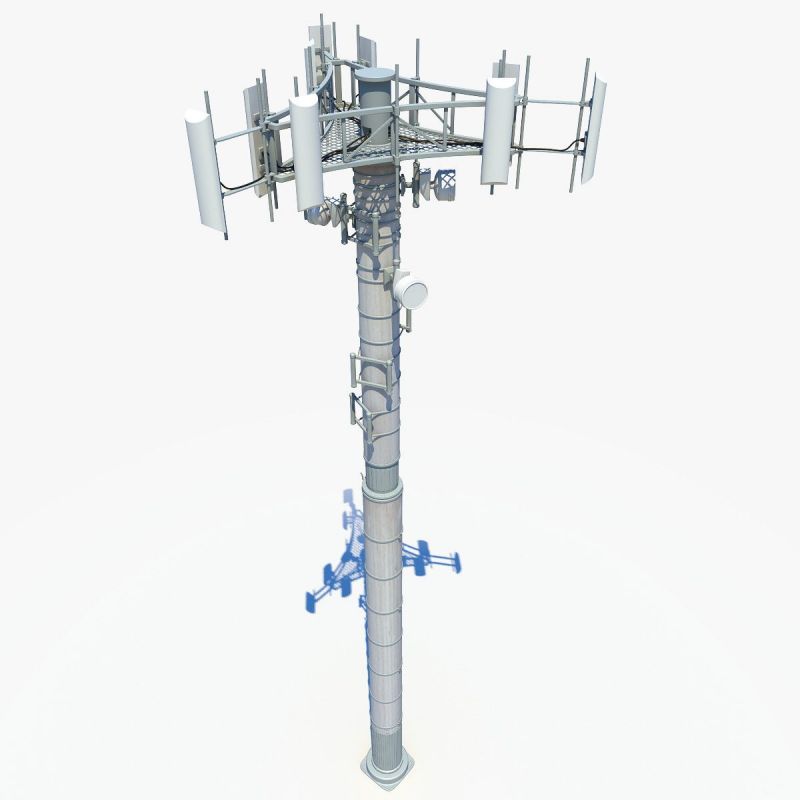
The stability of modern electrical power grids depends on countless interconnected systems working in perfect harmony. Among the most critical yet often overlooked components are the foundations that support transmission towers. A transmission tower foundation failure can cascade into widespread power outages, affecting millions of consumers and causing significant economic disruption. Understanding why transmission tower foundations are so vital to overall grid stability reveals the engineering sophistication required to maintain reliable electrical service across entire regions and continents.
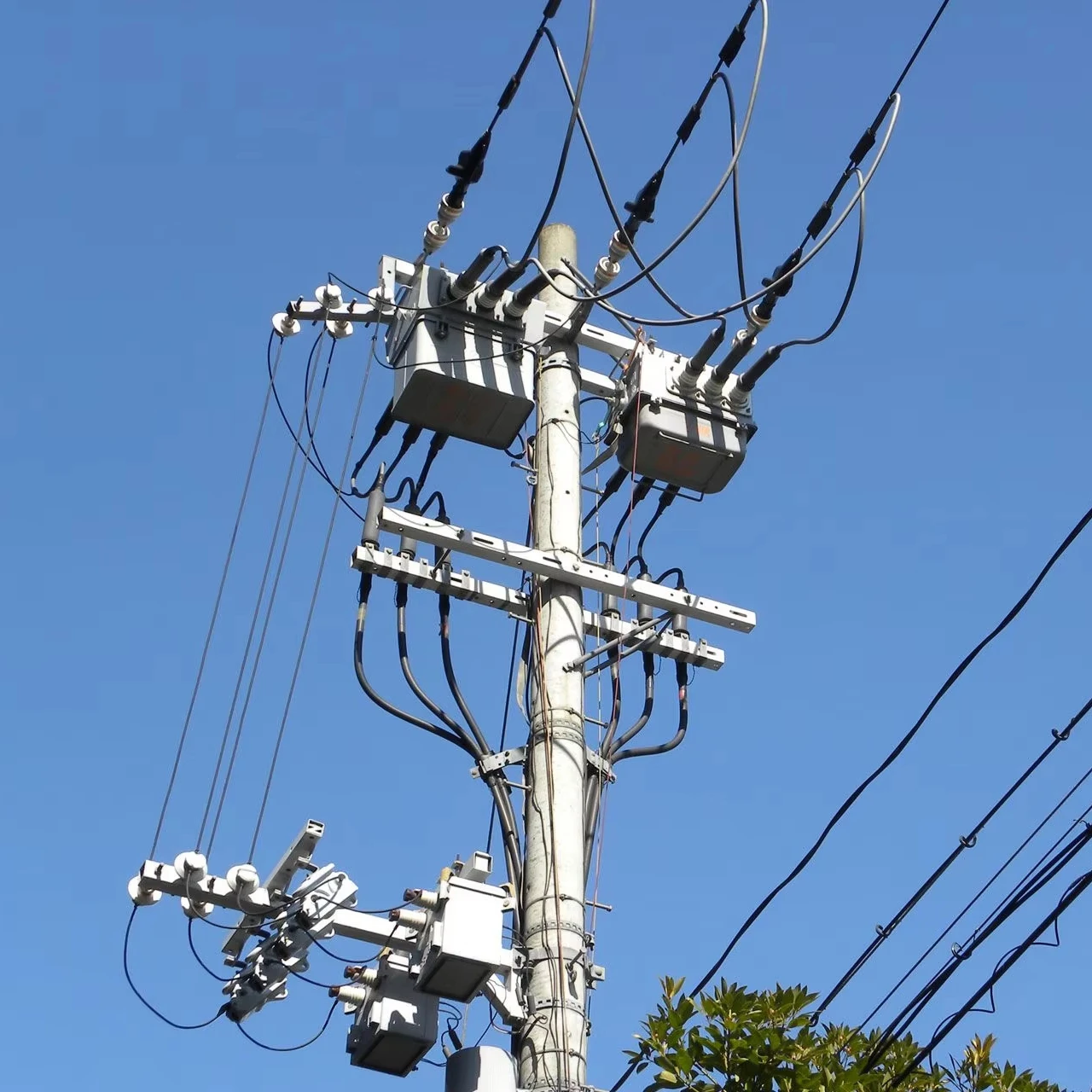
Every transmission tower stands as a sentinel in the electrical landscape, carrying high-voltage conductors that distribute power over hundreds of miles. The transmission tower must remain perfectly vertical and immobile under extreme conditions including high winds, ice accumulation, temperature fluctuations, and the constant tension of electrical conductors. These forces place enormous stress on the transmission tower's foundation system. If the foundation fails or shifts even slightly, the transmission tower becomes unstable, creating dangerous conditions and potentially triggering cascading failures across the grid.
The Structural Role of Transmission Tower Foundations
Load Distribution and Bearing Capacity
A transmission tower foundation must support dead loads from the tower structure itself, live loads from conductors and equipment, and dynamic loads from environmental forces. The transmission tower foundation typically consists of reinforced concrete anchor blocks connected to deep pilings or spread footings that extend well into stable soil layers. The foundation design must account for soil bearing capacity, settlement characteristics, and long-term stability over decades of service. Engineers calculate the transmission tower foundation requirements based on soil investigations, geotechnical testing, and rigorous structural analysis to ensure adequate safety margins.
Environmental Load Resistance
Transmission tower foundations experience tremendous lateral forces from wind, which can exceed 100 miles per hour in severe weather events. Ice accumulation on conductors and the transmission tower structure itself adds substantial weight that the foundation must support. Temperature variations cause expansion and contraction of both the transmission tower and its foundation, creating cyclic stress that can lead to fatigue failure over years of operation. A properly engineered transmission tower foundation distributes all these forces safely into the ground, preventing the transmission tower from swaying excessively or tipping.
Impact on Power Grid Reliability and Safety
Prevention of Cascading Failures
When a single transmission tower fails due to foundation problems, the consequences ripple through the entire grid. The conductors it carried must reroute through alternative pathways, overloading other transmission towers and lines. This overload can trigger protective relays that disconnect sections of the grid to prevent equipment damage. In severe cases, multiple transmission towers can fail in sequence, creating blackouts across entire regions. Robust transmission tower foundations prevent these cascade failures by maintaining stability under all foreseeable conditions, keeping power flowing reliably to consumers.
Electrical Safety and Public Protection
A failing transmission tower foundation poses direct physical hazards to public safety. As a transmission tower becomes unstable and leans or falls, high-voltage conductors can contact buildings, vehicles, or people, creating electrocution risks. Transmission tower collapses also endanger workers who maintain and inspect these critical structures. Strong, reliable foundations keep transmission towers upright and secure, ensuring conductors remain at safe distances from the public and workers. This preventive approach saves lives and protects community welfare.
Engineering Excellence and Long-Term Performance
Foundation Design Standards and Testing
Transmission tower foundations must meet rigorous industry standards established by organizations like the Institute of Electrical and Electronics Engineers and the National Electrical Safety Code. Engineers perform detailed geotechnical investigations before designing any transmission tower foundation, analyzing soil composition, groundwater conditions, and seismic risk. A transmission tower foundation design includes comprehensive calculations for all loading scenarios, including extreme events that may occur once every 50 or 100 years. This conservative engineering approach ensures that transmission tower structures remain stable throughout their 50 to 75 year service life.
Maintenance and Inspection Programs
Utilities implement routine inspection and maintenance programs to monitor transmission tower foundation integrity. Inspectors assess foundation settlement, concrete condition, bolt corrosion, and environmental changes around each transmission tower. Early detection of foundation problems allows utilities to take corrective action before failure occurs, protecting the transmission tower and the grid it serves. This proactive approach prevents emergency outages and extends the useful life of transmission tower infrastructure investments.
FAQ
What soil conditions affect transmission tower foundation design?
Soil bearing capacity, settlement potential, groundwater elevation, and frost depth all influence transmission tower foundation design. Engineers perform boring programs to determine soil properties at each site, then select foundation depth and configuration to ensure stability. Rocky soil with high bearing capacity may allow shallower transmission tower foundations, while soft clay requires deeper pilings. Poor drainage conditions may necessitate specialized foundation designs for transmission tower installations to prevent water-related deterioration.
How do seasonal changes impact transmission tower foundations?
Temperature fluctuations cause expansion and contraction of both the transmission tower steel and concrete foundation. Freeze-thaw cycles in northern climates can damage concrete if water penetrates the transmission tower foundation surface. Snow and ice loads increase the total weight the transmission tower foundation must support during winter months. Ground freezing can cause heave that pushes on transmission tower foundations from below. Proper drainage design and protective coatings on the transmission tower foundation help mitigate seasonal damage.
Can a transmission tower foundation be repaired if problems are discovered?
Yes, engineers can repair a transmission tower foundation showing signs of distress through underpinning, grouting, or reinforcement techniques. The specific repair approach depends on the problem's nature and severity. Some transmission tower foundation issues require temporary support systems to stabilize the transmission tower during repairs. Early detection and intervention typically allow successful restoration, though prevention through proper initial design remains the most cost-effective approach to maintaining transmission tower reliability.