 EN
EN


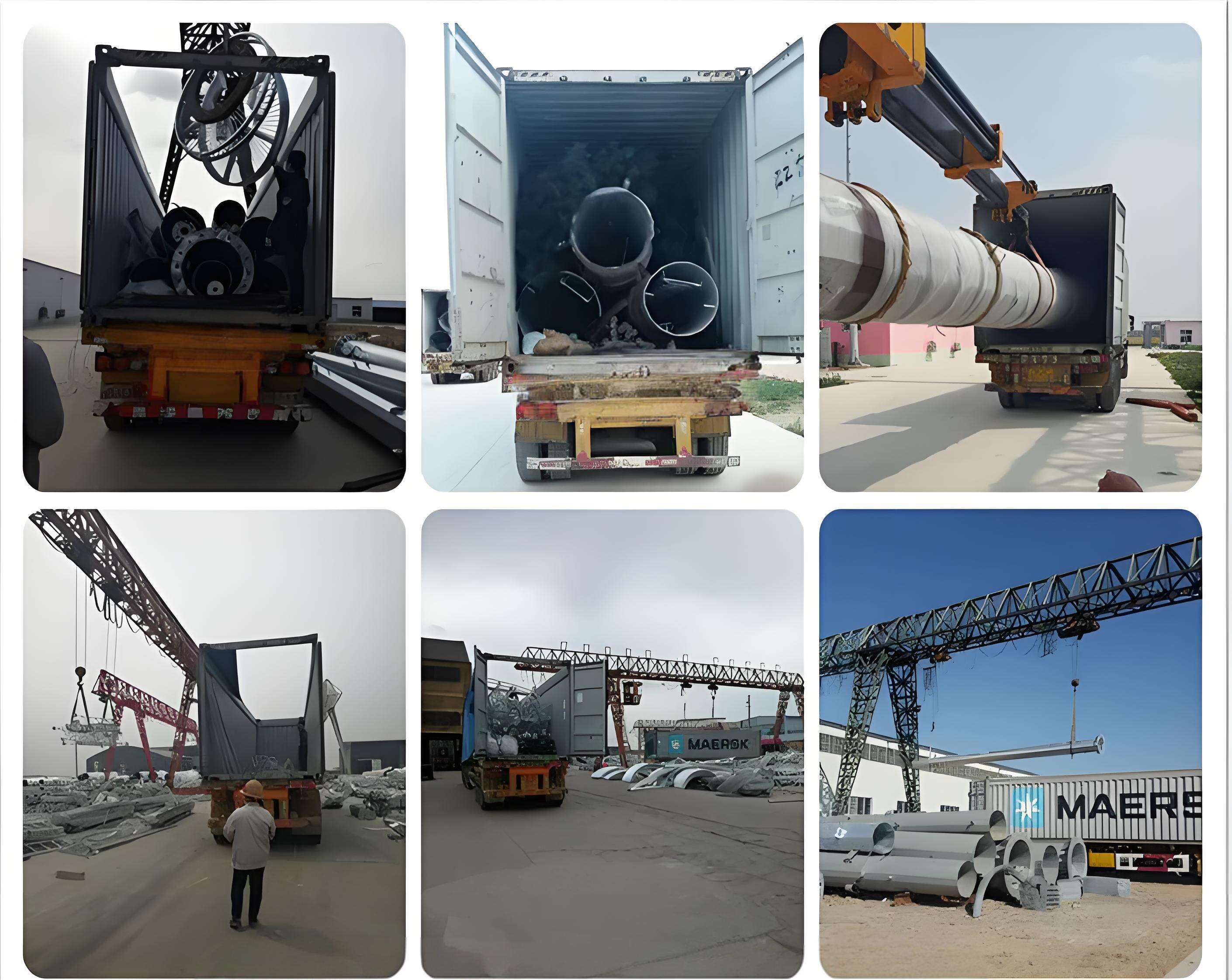
ایک کے طویل المدتی کارکردگی electric tower اس کے ساختی اسٹیل یا لوڈ بریئرنگ ڈیزائن سے کہیں زیادہ عوامل پر منحصر ہوتی ہے۔ خریداری اور انجینئرنگ کے دوران کی جانے والی سب سے اہم فیصلہ کن کارروائیوں میں سے ایک، کوٹنگ سسٹم کا انتخاب ہے۔ یہ انتخاب براہ راست طے کرتا ہے کہ ساخت کو کتنی بار معائنہ، چھوٹی مرمت یا مکمل دوبارہ کوٹنگ کی ضرورت ہوگی — اور آخرکار اس اثاثے کی آپریشنل عمر کے دوران اس کی دیکھ بھال پر کتنا اخراج ہوگا۔ یوٹیلیٹی آپریٹرز، گرڈ ڈویلپرز اور انفراسٹرکچر مینیجرز کے لیے، اس تعلق کو سمجھنا کوئی نظریاتی مشق نہیں ہے۔ یہ درحقیقت، بندش کے وقت کو کم کرنے، سرمایہ کے اخراجات کو کنٹرول کرنے اور سروس کی عمر بڑھانے کا عملی چارچوبہ ہے۔
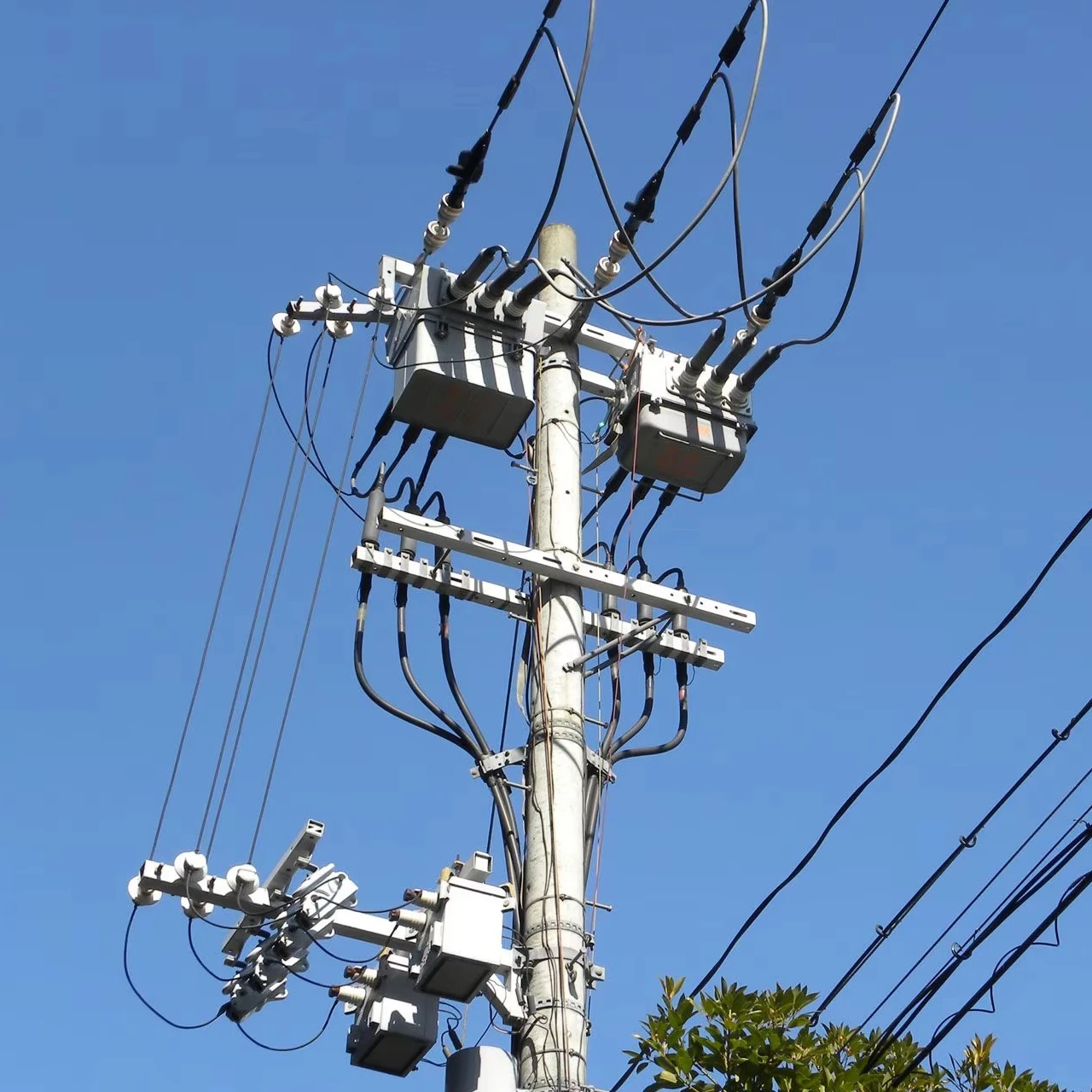
ہر بجلی کا ٹاور ایک ایسے ماحول میں کام کرتا ہے جو مسلسل اس کی سطحی یکسانیت کو چیلنج کرتا رہتا ہے۔ نمی، الٹرا وائلٹ شعاعیں، صنعتی آلودگیاں، ساحلی علاقوں میں نمکین اسپرے، اور درجہ حرارت کے مسلسل تبدیلی کے عمل تمام اُن تحفظات کو کمزور کرنے کا باعث بنتے ہیں جو سٹیل کو غیر محفوظ یا ناکافی طور پر محفوظ رکھتے ہیں۔ کوٹنگ سسٹم ان تباہی کار عوامل اور ساختی مواد کے درمیان بنیادی رکاوٹ کا کام انجام دیتا ہے۔ جب یہ رکاوٹ آپریٹنگ ماحول کے مطابق مناسب طور پر منتخب اور لاگو کی جاتی ہے تو دیکھ بھال کے وقفے قابلِ ذکر طور پر بڑھ جاتے ہیں۔ جبکہ اگر یہ رکاوٹ غلط طور پر منتخب کی جائے یا سطح کی مناسب تیاری کے بغیر لاگو کی جائے تو دیکھ بھال کا دورانیہ مختصر ہو جاتا ہے — جس سے اخراجات بڑھتے ہیں اور ساختی خطرے کا امکان بھی بڑھ جاتا ہے۔ اس مضمون میں مختلف کوٹنگ کے انتخابات کا جائزہ لیا گیا ہے جو بجلی کے ٹاور کی مکمل سروس زندگی کے دوران اس کی دیکھ بھال کی حقیقت کو کس طرح شکل دیتے ہیں۔
ساختی تحفظ میں کوٹنگ سسٹمز کا کردار
سطحی تحفظ ایک ساختی مسئلہ ہے، نہ کہ محض ایک جمالیاتی مسئلہ
یہ ایک عام غلط فہمی ہے کہ بجلی کے ٹاور کو کوٹنگ دینا صرف ظاہری شکل یا جَنگال کی خوبصورتی سے متعلق ہوتا ہے۔ حقیقت میں، کوٹنگ سسٹم ایک ساختی تحفظ ہے۔ جب جَنگال کا عمل آگے بڑھتا ہے تو سٹیل کا عرضی رقبہ کم ہوتا جاتا ہے، اور لیٹس ٹاور کے کسی بھی رکن میں درمیانہ حد تک بھی عرضی رقبے کا نقصان لوڈ کے تقسیم کو اس طرح متاثر کر سکتا ہے کہ پوری ساخت کو خطرے میں ڈال دیا جائے۔ ایک اچھی طرح سے انجینئرڈ کوٹنگ سسٹم اس تباہی کے راستے کو بالکل شروع ہونے سے روک دیتی ہے۔
اونچے وولٹیج کی ٹرانسمیشن لائنز کو لے جانے والے بجلی کے ٹاور کے لیے ساختی مضبوطی غیر قابلِ compromise ہے۔ کوئی بھی ایسا روزانہ کا معیارِ دیکھ بھال جو جَنگال کو سطحی لیئر سے آگے بڑھنے دے دے، قبل از وقت مداخلت کے بغیر خطرے کو بڑھاتا ہے۔ اس لیے کوٹنگ سسٹم دفاع کی پہلی لائن ہے، اور اس کی معیاریت یہ طے کرتی ہے کہ آپریٹرز کو اس دفاع کو مضبوط کرنے سے پہلے کتنا وقت حاصل ہوگا۔
کوٹنگ کی ناکامی ہمیشہ قابلِ دید زنگ لگنے کی شکل میں ظاہر نہیں ہوتی۔ 'انڈر کٹنگ' — جہاں کوروزن ایک بظاہر سالم کوٹنگ فلم کے نیچے جانبی طور پر پھیلتی ہے — ایک عام ناکامی کا طریقہ کار ہے جسے بغیر قریب سے معائنہ کے پتہ لگانا مشکل ہوتا ہے۔ مضبوط التصاق اور کیتھوڈک تحفظ کی خصوصیات والی کوٹنگ سسٹمز اس طریقہ کار کے مقابلے میں بہت مؤثر طریقے سے مقابلہ کرتی ہیں، جبکہ سادہ پینٹ فلمیں اس کے مقابلے میں کم مؤثر ہوتی ہیں، اسی لیے سسٹم کی قسم کا انتخاب اتنی ہی اہمیت رکھتا ہے جتنی کہ درخواست طریقہ کار کا انتخاب۔
کوٹنگ کی موٹائی اور لیئرز کی تعداد کا ڈیوریبلٹی پر اثر
کوٹنگ سسٹم کی خشک فلم کی موٹائی سروس لائف کی پیشگوئی کا سب سے قابلِ اعتماد اشاریہ ہے۔ موٹی کوٹنگز نمی اور کوروزو آئنز کے لیے لمبا انتشار راستہ فراہم کرتی ہیں، جس سے ان کے سٹیل سبسٹریٹ تک پہنچنے کی شرح سست ہو جاتی ہے۔ ایک درمیانہ کوروزو ماحول میں الیکٹرک ٹاور کے لیے، کل خشک فلم کی موٹائی 200 سے 300 مائیکرون عام طور پر طویل عرصے تک دیکھ بھال کے وقفے کے لیے بنیادی حد کے طور پر سمجھی جاتی ہے۔ شدید کوروزو ماحول میں یہ عدد کافی حد تک بڑھ جاتا ہے۔
کثیر لیئر سسٹم — جو عام طور پر پرائمرو، درمیانی کوٹ اور ٹاپ کوٹ پر مشتمل ہوتے ہیں — واحد لیئر سسٹم سے نہ صرف موٹائی میں بلکہ کارکردگی کی تقسیم میں بھی بہتر کارکردگی کا مظاہرہ کرتے ہیں۔ پرائمرو چپکنے کی صلاحیت فراہم کرتا ہے اور کیتھوڈک تحفظ فراہم کرتا ہے، درمیانی کوٹ فلم کی موٹائی اور رکاوٹ کی مزاحمت بڑھاتا ہے، اور ٹاپ کوٹ یو وی تباہی اور جسمانی رگڑ کے خلاف مزاحمت کرتا ہے۔ ہر لیئر مختلف ناکامی کے طریقہ کار کو دور کرتا ہے، اور مل کر یہ ایک ایسا سسٹم تشکیل دیتا ہے جو کسی بھی واحد جزو کی تنہا موجودگی سے زیادہ مضبوط ہوتا ہے۔
جب بجلی کے ٹاور کے لیے کوئی کوٹنگ سسٹم مقرر کی جاتی ہے تو، انجینئرز کو صرف ابتدائی فلم کی موٹائی کو ہی نہیں بلکہ یہ بھی غور کرنا چاہیے کہ وقت گزرنے کے ساتھ ہر لیئر کی کارکردگی کیسے ہوگی۔ اگر ٹاپ کوٹ جلدی سے چاک ہو جائے یا کھو جائے تو درمیانی کوٹ یو وی تناؤ کے سامنے آ جائے گا جس کے لیے وہ ڈیزائن نہیں کیا گیا تھا، جس سے مجموعی تباہی کا عمل تیز ہو جائے گا اور مرمت کا وقفہ مختصر ہو جائے گا۔
گیلوانائزیشن اور پینٹ سسٹم: مرمت کے وقفے کے اثرات
گرم ڈپ گیلوانائزیشن لمبے وقفے والی بنیادی حد
گرم-ڈپ گیلوانائزنگ دنیا بھر میں جالی نما بجلی کے ٹاور ساختوں کے لیے سب سے زیادہ استعمال ہونے والی تحفظی نظام ہے، اور اس کی اچھی وجہ ہے۔ یہ عمل زنک کی پرت اور فولادی بنیاد کے درمیان ایک دھاتی رابطہ پیدا کرتا ہے، جس سے ایک سطح تشکیل پاتی ہے جو مکینیکل نقصان کے مقابلے میں مزاحمت کرتی ہے، قربانی دینے والی کیتھوڈک حفاظت فراہم کرتی ہے، اور وقت کے ساتھ قابلِ پیش گوئی موسمی حالات کا مقابلہ کرتی ہے۔ دیہی یا کم آلودگی والے ماحول میں، مناسب طریقے سے گیلوانائز کردہ بجلی کا ٹاور 40 سے 60 سال تک بغیر کسی اہم مرمتی intervention کے کام کر سکتا ہے۔
گیلوانائزنگ کا مرمتی فائدہ اس کے خود-شفا بخش رویے میں پایا جاتا ہے جو چھوٹے نقصان کے مقامات پر ظاہر ہوتا ہے۔ جب زنک کی پرت خراش کھاتی ہے یا رگڑ کھاتی ہے، تو اس کے اردگرد کا زنک جاری رہنے والا کیتھوڈک تحفظ فراہم کرتا رہتا ہے جو نقصان کے نقطہ پر لوہے کے کھلنے سے زنگ لگنے کو روکتا ہے۔ یہ خصوصیت عضوی پینٹ کے نظاموں کے مقابلے میں مقامی مرمت کی ضرورت کی تعدد کو کافی حد تک کم کر دیتی ہے، جو فلم میں کسی بھی خلل کے موقع پر فوراً تحفظ کھو دیتے ہیں۔
تاہم، جسٹنگ ایک دفعہ کا عمل نہیں ہے جو کسی قسم کی دیکھ بھال کے بغیر محفوظ رہ سکے۔ ساحلی علاقوں میں جہاں کلورائیڈ کی مقدار زیادہ ہوتی ہے، یا صنعتی علاقوں میں جہاں سلفر ڈائی آکسائیڈ کی سطح بلند ہوتی ہے، زنک کا استعمال تیزی سے بڑھ جاتا ہے۔ ان ماحول میں کام کرنے والے آپریٹرز کو منظم طریقے سے زنک کی موٹائی کے پیمائش کا انتظام کرنا چاہیے اور جب جسٹنگ ایک انتہائی کم سے کم موٹائی تک پہنچ جائے تو اضافی کوٹنگ نظام — عام طور پر زنک سے بھرپور پرائمروں کے بعد بARRIER ٹاپ کوٹس — لگانے کے لیے تیار رہنا چاہیے۔
آرگینک پینٹ سسٹمز اور ان کی دیکھ بھال کی حساسیت
آرگینک کوٹنگ سسٹم — جن میں ایپوکسی، پولی یوریتھین، اور الکائیڈ پر مبنی فارمولیشنز شامل ہیں — رنگ، چمک، اور درخواست کے طریقہ کار میں لچک فراہم کرتے ہیں، لیکن یہ گالوانائزیشن کے مقابلے میں ایک مختلف دیکھ بھال کا طرز پیش کرتے ہیں۔ پینٹ کی فلمیں حفاظتی کوٹنگ ہوتی ہیں نہ کہ قربانی دینے والی کوٹنگ، یعنی وہ صرف اس وقت تک فولاد کی حفاظت کرتی ہیں جب تک کہ فلم مکمل طور پر باقی رہے اور سطح سے منسلک رہے۔ ایک بار جب کوئی خلل پیدا ہو جاتا ہے، تو کوروزن شروع ہو سکتا ہے اور اس کے اردگرد کی فلم کے نیچے تیزی سے پھیل سکتا ہے۔
ایک آرگینک سسٹم کے ساتھ لیپیٹ بجلی کے ٹاور کے لیے، دیوار کی سطح کی تیاری کی معیار سے انتہائی متاثر ہوتا ہے جو لاگو کرنے سے پہلے کی جاتی ہے۔ سٹیل جسے Sa 2.5 یا Sa 3 معیارات کے مطابق بلاسٹ صاف کیا گیا ہو، ایک سطحی پروفائل فراہم کرتا ہے جو مکینیکل التصاق کو زیادہ سے زیادہ بناتا ہے، جس سے الگ ہونے یا کناروں کے نیچے کھانے کا دورانیہ بڑھ جاتا ہے۔ وہ سٹیل جس کی تیاری ناکافی طور پر کی گئی ہو — صرف تار کے برشن یا ہاتھ سے صاف کرنے کے ذریعے — عام طور پر تین سے پانچ سال کے اندر کوٹنگ کی ناکامی کا اظہار کرتی ہے، چاہے کوٹنگ مواد کی معیار خود کتنی ہی اعلیٰ ہو۔
ایپوکسی پر مبنی سسٹم خاص طور پر ان کی کیمیائی مزاحمت اور چپکنے کی طاقت کی وجہ سے قدر کی جاتی ہے، جس کی وجہ سے وہ صنعتی یا ساحلی ماحول میں بجلی کے ٹاور کی ساختوں پر پرائمیر اور درمیانی کوٹ لیئرز کے لیے عام انتخاب ہیں۔ یووی تابکاری کے تحت چمک اور رنگ کی مستحکم حالت کو برقرار رکھنے کی صلاحیت کی وجہ سے، ایپوکسی سسٹمز کے اوپر پولی یوریتھین ٹاپ کوٹس کو اکثر مخصوص کیا جاتا ہے، جو روزمرہ کے معائنے کے دوران کوٹنگ کی صحت کا بصارتی اشارہ فراہم کرتا ہے۔ جب ٹاپ کوٹ شروع ہو جاتا ہے چاک ہونا یا نمایاں طور پر رنگ اُڑنا، تو اس کا مطلب ہے کہ دیکھ بھال کا وقت قریب آ گیا ہے۔
ماحول کے مطابق کوٹنگ کا انتخاب اور اس کا معائنے کی فریکوئنسی پر اثر
ساحلی اور سمندری ماحول
ساحلی خط کے چند کلومیٹر کے اندر نصب ایک بجلی کا ٹاور بنیادی ڈھانچے کی سروس میں سب سے زیادہ تشدد آمیز کوروزن کے ماحول میں سے ایک کا سامنا کرتا ہے۔ ہوا میں موجود کلورائیڈ ذرات فولادی سطحوں پر جمع ہوتے ہیں اور الیکٹرو کیمیائی کوروزن کو دس سے بیس گنا تیز کر دیتے ہیں جو دیہی اندرونِ ملک کے مقامات کے مقابلے میں ہوتا ہے۔ وہ کوٹنگ سسٹم جو معتدل ماحول میں مناسب طریقے سے کام کرتے ہیں، وہ اعلی نمکیات والے ساحلی علاقوں میں دو سے تین سال کے اندر ناکام ہو سکتے ہیں۔
ساحلی بجلی کے ٹاور کی نصب کاری کے لیے معیاری طریقہ کار ایک ڈپلیکس سسٹم پر مشتمل ہوتا ہے — جس میں ہاٹ ڈپ گیلوانائزنگ کو ایک اعلی کارکردگی والے آرگینک ٹاپ کوٹ سسٹم کے ساتھ ملا دیا جاتا ہے۔ گیلوانائزنگ قربانی کی حفاظتی تہہ فراہم کرتی ہے، جبکہ آرگینک سسٹم ایک رکاوٹ کے طور پر کام کرتا ہے جو کلورائیڈ کے زنک کی سطح تک داخل ہونے کی شرح کو سست کر دیتا ہے۔ یہ ترکیب خطرناک سمندری ماحول میں بھی دس سال یا اس سے زیادہ کے لیے مرمت کے وقفے کو بڑھا سکتی ہے، جبکہ اسی حالات میں صرف پینٹ کے سسٹم کے لیے یہ وقفہ تین سے پانچ سال تک ہوتا ہے۔
ساحلی علاقوں میں معائنہ کی فریکوئنسی کو استعمال ہونے والے کوٹنگ سسٹم کے مطابق درست کیا جانا چاہیے۔ ایک ڈپلیکس کوٹڈ بجلی کے ٹاور کا بصری معائنہ ہر دو سے تین سال بعد کیا جا سکتا ہے، جبکہ موٹائی کے پیمائش ہر پانچ سال بعد کی جانی چاہییں۔ اسی ماحول میں صرف پینٹ کا سسٹم سالانہ معائنہ اور زیادہ بار بار ٹچ اپ کے چکر کی ضرورت مند ہوتا ہے۔ اس لیے کوٹنگ کا انتخاب براہ راست اثاثے کی عمر بھر معائنہ کے وسائل کے وقفے کا تعین کرتا ہے۔
صنعتی اور اندرونی ماحول
صنعتی راہداریوں میں بجلی کے ٹاور کی ساختیں سلفر ڈائی آکسائیڈ، نائٹروجن آکسائیڈز اور ذراتی مادے کی بڑھی ہوئی غیرت کا سامنا کرتی ہیں جو کیمیائی حملے کے ذریعے کوٹنگ کی تخریب کو تیز کرتے ہیں۔ ایسڈ رین اور صنعتی گرد کا گرنا فولادی سطحوں پر نمی کی فلموں کے pH کو کم کر سکتا ہے، جس سے کوٹنگ کی چپکنے کی صلاحیت متاثر ہوتی ہے اور گیلوینائزڈ سسٹمز میں زنک کے استعمال کی شرح بڑھ جاتی ہے۔
ان ماحولیات میں، کوٹنگ کے انتخاب کے دوران کیمیائی مزاحمت کے ساتھ ساتھ رکاوٹ کی کارکردگی کو بھی مدنظر رکھنا ضروری ہوتا ہے۔ صنعتی علاقوں میں بجلی کے ٹاور کی ساختوں کے لیے اکثر کیمیائی مزاحمت والی پِگمنٹیشن کے ساتھ اُچھی مقدار میں ایپوکسی نظام — جیسے مائیکیشس آئرن آکسائیڈ — کو مخصوص کیا جاتا ہے، کیونکہ یہ معیاری ایپوکسی ترکیبات کے مقابلے میں ایسڈ حملوں کے خلاف زیادہ مؤثر طریقے سے مزاحمت کرتے ہیں۔ صنعتی ماحول میں دیکھ بھال کا دورانیہ عام طور پر دیہی علاقوں کے مقابلے میں مختصر ہوتا ہے، لیکن مناسب کوٹنگ نظام کے استعمال سے اب بھی اہم دوبارہ کوٹنگ کی ضرورت سے پہلے آٹھ سے بارہ سال کے وقفے حاصل کیے جا سکتے ہیں۔
درجہ حرارت کا چکری عمل بہت سے صنعتی ماحول میں ایک اضافی تناؤ کا باعث ہوتا ہے۔ وہ کوٹنگز جن میں کافی لچک نہیں ہوتی ہے، اسٹیل کے بنیادی مواد کے پھیلنے اور سکڑنے کے ساتھ دراڑیں پیدا کر دیتی ہیں، جس سے نمی کے داخل ہونے کے راستے وجود میں آ جاتے ہیں۔ ان حالات میں بجلی کے ٹاور پر مرمت کی ضرورت پڑنے سے پہلے نظام کے کام کرنے کی مدت کو کافی حد تک متاثر کرنے والی ایک اہم بات یہ ہے کہ متوقع درجہ حرارت کی حد کے لیے مناسب طوالت (الونگیشن) کی خصوصیات والی کوٹنگز کا انتخاب کرنا۔
کوٹنگ سسٹم کے انتخاب کی بنیاد پر مرمت کے چکر کی منصوبہ بندی
سسٹم کی قسم کی بنیاد پر حقیقی مرمت کے وقفوں کا تعین
ایک بجلی کے ٹاور نیٹ ورک کے لیے موثر اثاثہ کا انتظام اس بات پر منحصر ہوتا ہے کہ رنگ کے نظاموں کی اصل کارکردگی کی خصوصیات کی بنیاد پر حقیقی دیرپا دیکھ بھال کے وقفے کا منصوبہ بندی کی جائے۔ ایک گیلوانائزڈ بجلی کا ٹاور جو دیہی، کم تخریبی ماحول میں واقع ہو، پہلے بیس سال تک صرف دورانیہ ویژوئل معائنہ کی ضرورت رکھ سکتا ہے، جبکہ پہلا اہم دیکھ بھالی مداخلہ — عام طور پر سفید زنک یا زنک کی کمی ظاہر کرنے والے علاقوں پر زنک سے بھرپور پرائمرو کا استعمال — بیس سے تیس سال کے درمیان ہونا چاہیے۔
ایک پینٹ کے ذریعہ لیپی ہوئی بجلی کے ٹاور کو ایک معتدل ماحول میں پانچ سے سات سال کے بعد پہلی بار چھوڑے جانے کے لیے، دس سے بارہ سال کے بعد جزوی دوبارہ پینٹ کرنے کے لیے، اور پندرہ سے بیس سال کے بعد مکمل دوبارہ پینٹ کرنے کے جائزے کے لیے منصوبہ بند کیا جانا چاہیے۔ یہ وقفے اصل پینٹ کے وقت مناسب سطحی تیاری اور درست اطلاق کو مدنظر رکھتے ہیں۔ ابتدائی اطلاق کے دوران بہترین طریقہ کار سے انحراف ان وقفے کو قابلِ ذکر حد تک مختصر کر دیتا ہے، کبھی کبھار انہیں آدھا بھی کر دیتا ہے۔
ڈیوپلیکس سسٹم — گالوانائزنگ کے ساتھ ساتھ آرگینک ٹاپ کوٹ — طویل ترین رکھ راستہ وقفے اور پیش گوئی کے قابل تخریب ہونے کے رویے فراہم کرتے ہیں، جس کی وجہ سے یہ بجلی کے ٹاور کے ڈھانچوں کے لیے ترجیحی انتخاب بن جاتے ہیں جہاں رسائی مشکل یا مہنگی ہو۔ ڈیوپلیکس سسٹم کی ابتدائی زیادہ لاگت عام طور پر پہلے رکھ راستہ چکر میں بچائی گئی دوبارہ کوٹنگ کی لاگت اور کم ہونے والی معائنہ کی فریکوئنسی کے ذریعے واپس حاصل کر لی جاتی ہے۔
کوٹنگ کی حالت کو اثاثہ کے انتظامی سسٹم میں ضم کرنا
جدید بجلی کے ٹاور کے اثاثہ کے انتظام میں بار بار مقررہ وقفے کے بجائے حالت پر مبنی رکھ راستہ کو زیادہ استعمال کیا جا رہا ہے۔ اس طریقہ کار میں کوٹنگ کی حالت کے اعداد و شمار — جو بصیرتی معائنہ، خشک فلم کی موٹائی کے پیمائش، اور التصاق کے ٹیسٹ کے ذریعے حاصل کیے جاتے ہیں — کو کوٹنگ سسٹم کے ایک مخصوص حد تک تخریب ہونے پر رکھ راستہ کے اقدامات کو فعال کرنے کے لیے استعمال کیا جاتا ہے۔ نتیجتاً رکھ راستہ کے وسائل کا زیادہ موثر استعمال ہوتا ہے اور ان ڈھانچوں پر غیر ضروری مداخلتیں کم ہوتی ہیں جو اب بھی اپنی مخصوص کارکردگی کے اندر کام کر رہے ہوتے ہیں۔
کوٹنگ سسٹم کے انتخاب سے یہ متاثر ہوتا ہے کہ حالت کے ڈیٹا کو کتنی آسانی سے جمع کیا جا سکتا ہے اور اس کی تشریح کیسے کی جا سکتی ہے۔ جالائی ہوئی سطحوں کا اندازہ مقناطیسی موٹائی گیج کے ذریعے لگایا جا سکتا ہے، جو باقی زنک کے ذخائر کے بارے میں مقداری ڈیٹا فراہم کرتا ہے۔ جبکہ آرگینک کوٹنگ سسٹمز کا اندازہ پُل آف التصاق کے ٹیسٹ اور ہالیڈی ڈیٹیکشن کے آلات کے ذریعے لگایا جا سکتا ہے۔ وہ آپریٹرز جو اپنے منتخب کردہ کوٹنگ سسٹم کی معائنہ کی ضروریات کو سمجھتے ہیں، زیادہ درست رکھ رکھاؤ کے بجٹ تیار کر سکتے ہیں اور اس غیر منصوبہ بند، ردعملی اخراجات سے بچ سکتے ہیں جو کوٹنگ کی ناکامیوں کی وجہ سے ہوتے ہیں جن کی پیشگی نہیں کی گئی تھی۔
بڑے بجلی کے ٹاور نیٹ ورکس کے لیے، جو مختلف جغرافیائی اور ماحولیاتی علاقوں پر محیط ہوتے ہیں، مقامی تخریبی زمرہ جات کو مدنظر رکھتے ہوئے ایک معیاری کوٹنگ خصوصیات (جیسا کہ آئی ایس او 9223 کے ذریعہ تعریف کیا گیا ہے) پورے پورٹ فولیو میں دیکھ بھال کے وقفوں کو الگ کرنے کا منطقی بنیاد فراہم کرتی ہے۔ سی3 ماحول میں موجود ٹاورز کی دیکھ بھال کے وقفے سی4 یا سی5 ماحول میں موجود ٹاورز کے مقابلے میں لمبے ہو سکتے ہیں، اور ہر زمرہ کے لیے مخصوص کوٹنگ نظام کو اس فرق کو ظاہر کرنا چاہیے۔
فیک کی بات
کوٹنگ نظام کے انتخاب کا بجلی کے ٹاور کی کل زندگی بھر کی لاگت پر کیا اثر پڑتا ہے؟
کوٹنگ سسٹم بجلی کے ٹاور کے زندگی کے دورانیہ کے اخراجات کے لیے سب سے اہم عوامل میں سے ایک ہے۔ اعلیٰ کارکردگی والا سسٹم — جیسے ڈپلیکس گیلوینائزنگ کے ساتھ ٹاپ کوٹ سسٹم — ابتدائی طور پر زیادہ لاگت کا باعث بنتا ہے، لیکن عام طور پر دیرپا دیکھ بھال کے وقفوں، کم تعدد کے ساتھ معائنہ، اور مکمل دوبارہ کوٹنگ کے چکروں کو مؤخر یا ختم کرنے کے ذریعے کل زندگی کے دورانیہ کے اخراجات کو کم کرتا ہے۔ کم قیمت کی کوٹنگ سسٹمز خریداری کے وقت تو سستی لگ سکتی ہیں، لیکن بیس سے چالیس سال کی سروس کی عمر کے دوران اکثر کل دیکھ بھال کے اخراجات میں اضافہ کر دیتی ہیں۔
کیا بجلی کے ٹاور کو سروس سے نکالے بغیر دوبارہ کوٹ کیا جا سکتا ہے؟
زیادہ تر معاملات میں، بجلی کے ٹاور کو دوبارہ کوٹ کرنا اس وقت ممکن ہوتا ہے جب ساخت چالو حالت میں بھی رہتی ہے، بشرطیکہ مناسب حفاظتی طریقہ کار اور کام کرنے کے لیے درکار فاصلے کا خیال رکھا جائے۔ عملی چیلنج رسائی ہے — جالی نما ٹاورز کے لیے پلیٹ فارم یا رسی کے ذریعے رسائی کی تقینیکوں کی ضرورت ہوتی ہے، اور رسائی کا اخراجہ اکثر خود کوٹنگ مواد کے اخراجے سے زیادہ ہوتا ہے۔ یہی ایک وجہ ہے کہ ابتدا میں ٹکاؤ والی کوٹنگ سسٹم کا انتخاب اتنی معیشتی اہمیت کا حامل ہوتا ہے: ہر ایک بچی ہوئی دوبارہ کوٹنگ کا دورانیہ ایک قابلِ ذکر رسائی کے اخراجے کو ختم کر دیتا ہے۔
کیا بجلی کے ٹاور کی کوٹنگ سسٹم کو دیکھ بھال کی ضرورت ہے، اس کا سب سے قابلِ اعتماد اشاریہ کیا ہے؟
سب سے قابل اعتماد ابتدائی اشارہ جوڑوں، بولٹ کے سوراخوں یا ویلڈنگ کے علاقوں میں دیدی جانے والی زنگ لگنے کی نشاندہی ہے، جو ان مقامات ہیں جہاں کوٹنگ کو نقصان پہنچنے اور نمی کے جمع ہونے کا امکان سب سے زیادہ ہوتا ہے۔ گیلوینائزڈ بجلی کے ٹاور کے ڈھانچوں کے لیے، سرخ زنگ کا ظاہر ہونا — جو سفید زنک کے تحلیل ہونے کے مصنوعات کے برعکس ہے — اس بات کی نشاندہی کرتا ہے کہ زنک کی تہ ختم ہو چکی ہے اور اب فولادی بنیادی سطح کا باہر آنا شروع ہو گیا ہے۔ پینٹ کے نظام کے لیے، اوپری پرت میں بلبلے بننا، الگ ہونا یا قابلِ ذکر چاکنگ (chalkiness) وہ اہم انتباہی علامات ہیں جو بتاتی ہیں کہ دیکھ بھال کا وقت آ گیا ہے۔
کیا کوٹنگ کا نظام بجلی کے ٹاور کے ساختی معائنے کی ضروریات کو متاثر کرتا ہے؟
جی ہاں، کوٹنگ سسٹم براہ راست اس بات کو متاثر کرتا ہے کہ ساختی معائنہ کیسے اور کتنی بار کیا جاتا ہے۔ بجلی کے ٹاور پر اچھی طرح سے دیکھ بھال کی گئی کوٹنگ سسٹم کی وجہ سے معائنہ کرنے والے صرف مکینیکل حالت اور کنکشن کی مضبوطی پر توجہ مرکوز کر سکتے ہیں، نہ کہ کوروزن کے جائزہ پر۔ جب کوٹنگ کی حالت خراب ہوتی ہے تو معائنہ کرنے والے کو سیکشن کے نقصان کی حد کا بھی جائزہ لینا پڑتا ہے، جس کے لیے زیادہ تفصیلی پیمائش کی ضرورت ہوتی ہے اور جو انجینئرنگ جائزہ کو فعال کر سکتی ہے۔ اس لیے کوٹنگ کی سالمیت کو برقرار رکھنا ساختی معائنہ کو آسان اور تیز کر دیتا ہے، جس سے ہر معائنہ کے مجموعی اخراجات اور دورانیہ میں کمی آتی ہے۔
موضوعات کی فہرست
- ساختی تحفظ میں کوٹنگ سسٹمز کا کردار
- گیلوانائزیشن اور پینٹ سسٹم: مرمت کے وقفے کے اثرات
- ماحول کے مطابق کوٹنگ کا انتخاب اور اس کا معائنے کی فریکوئنسی پر اثر
- کوٹنگ سسٹم کے انتخاب کی بنیاد پر مرمت کے چکر کی منصوبہ بندی
-
فیک کی بات
- کوٹنگ نظام کے انتخاب کا بجلی کے ٹاور کی کل زندگی بھر کی لاگت پر کیا اثر پڑتا ہے؟
- کیا بجلی کے ٹاور کو سروس سے نکالے بغیر دوبارہ کوٹ کیا جا سکتا ہے؟
- کیا بجلی کے ٹاور کی کوٹنگ سسٹم کو دیکھ بھال کی ضرورت ہے، اس کا سب سے قابلِ اعتماد اشاریہ کیا ہے؟
- کیا کوٹنگ کا نظام بجلی کے ٹاور کے ساختی معائنے کی ضروریات کو متاثر کرتا ہے؟