 EN
EN


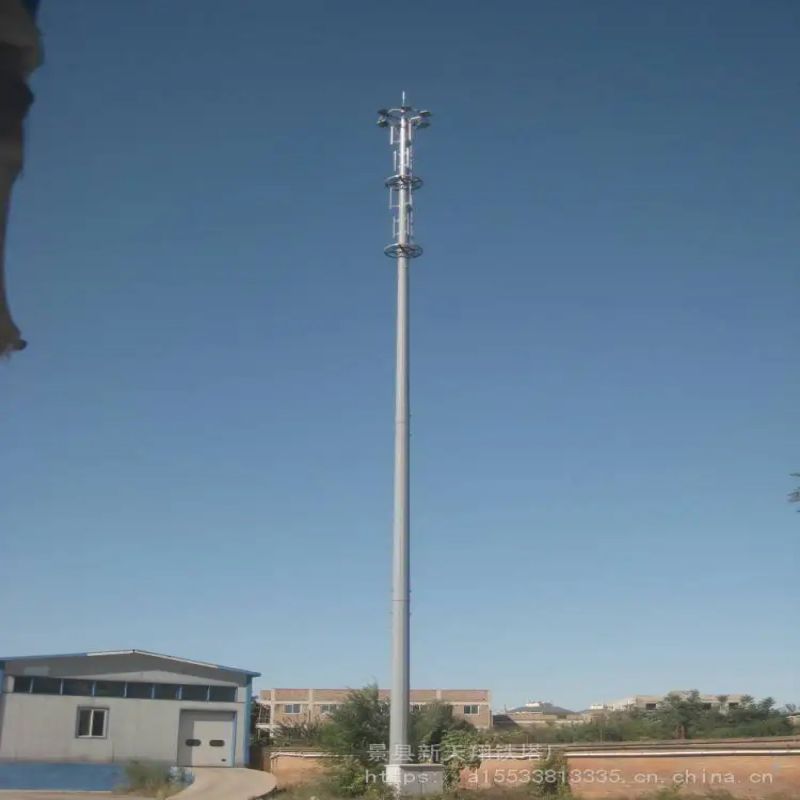
Integrimi i strehimeve dhe pajisjeve transformon themelorisht projektimin e kullave të telekomunikacionit duke futur kërkesa strukturore, funksionale dhe operative që shtrihen shumë më tej se një ndërtim i thjeshtë hekurudhor vertikal. Projektimi modern i kullave të telekomunikacionit duhet të përfshijë jo vetëm antenat dhe pajisjet e transmetimit në lartësi, por edhe strehime në nivelin e tokës ose në lartësi që mbajnë elektronikën kritike, sistemet e energjisë, infrastrukturën e ftohjes dhe gjeneratorët e rezervës. Këto komponentë të integruar krijojnë shpërndarje komplekse ngarkesash, kërkesa për hyrje, kërkesa për themele dhe sfida të planifikimit hapësinor që ndikojnë drejtpërdrejt në gjeometrinë e kules, zgjedhjen e materialeve, strategjitë e forcimit strukturor dhe protokollet e mirëmbajtjes afatgjata. Kuptimi i mënyrës se si integrimi i strehimeve dhe pajisjeve ndikon në projektimin e kullave të telekomunikacionit është thelbësor për inxhinierët, planifikuesit e rrjetit dhe zhvilluesit e infrastrukturës që kërkojnë të optimizojnë performancën, të zvogëlojnë kostot dhe të sigurojnë përputhjen me rregulloret në skenare të ndryshme të vendosjes.
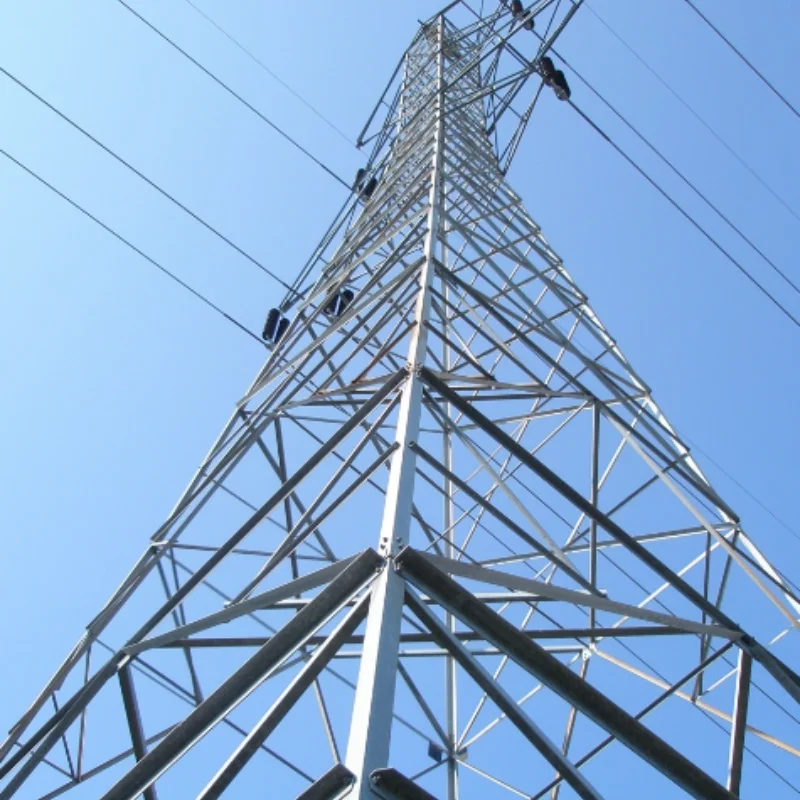
Shiftimi nga kulla të veçanta në sisteme të plotësisht integruara infrastrukturore telekomunikacioni reflekton evolucionin e rrjetave wireless nga modelet e thjeshta të transmetimit në ekosisteme komplekse, të pasura me të dhëna, të cilat kërkojnë përpunim të konsiderueshëm në vend, menaxhim energjie dhe kontroll mjedisor. Hapësirat mbrojtëse për pajisje shtojnë ngarkesa të konsiderueshme peshë, profile rezistenca ndaj erës dhe kërkesa për sipërfaqe themeli që duhet të merren parasysh gjatë fazës fillestare të projektimit të kullës telekomunikacioni, jo më vonë, me modifikime të pasdhenur. Për më tepër, afërsia fizike e hapësirave mbrojtëse me bazën e kullës krijon intervarësime që ndikojnë në rrugëzimin e kabllave, sistemet e tokëzimit, rrjetet e mbrojtjes nga rryma e vështirë dhe shërbueshmërinë, duke ndikuar në çdo aspekt të planifikimit strukturor, nga inxhinieria e themelit deri te konfigurimi i platformave hyrëse. Ky studim i hollësishëm zbulon mekanizmat përmes të cilëve integrimi i hapësirave mbrojtëse dhe i pajisjeve formon vendimet e projektimit të kullave telekomunikacioni në dimensionet strukturore, elektrike, termike, hapësinore dhe operative.
Ripartimi i Ngarkesave Strukturale dhe Implikimet për Inxhinierinë e Fundamenteve
Mënyrat e Shpërndarjes së Peshës të Krijuara nga Shkurtoret e Pajisjeve
Shelterët e pajisjeve shkaktojnë ngarkesa të përqendruara në nivelin e tokës që ndryshojnë në mënyrë të konsiderueshme supozimet e shpërndarjes së ngarkesave në projektimin e kuleve të telekomunikacionit. Së bashku me ngarkesat e shpërndara të antenave që aplikohen në lartësi të ndryshme përgjatë strukturës së kules, shelterët krijojnë ngarkesa të lokalizuara me intensitet të lartë në nivelin e tokës ose afër tij, duke kërkuar sisteme themelimi në gjendje të mbështesin si ngarkesat vertikale të kules ashtu edhe peshën e pavarur të shelterit plus masën e pajisjeve. Shelterët modernë të telekomunikacionit që mbajnë banka baterish, rregullatorë, njësira klimatizimi dhe elektronikë mund të peshojnë disa tonë, duke kërkuar ose sisteme themelimi të integruar që bashkojnë bazamentet e kules dhe të shelterit ose themelime të veçanta të koordinuara me kujdes që marrin parasysh efektet e zvarritjes diferenciale dhe të lidhjes sismike. Prandaj, procesi i projektimit të kuleve të telekomunikacionit duhet të përfshijë analizë gjeoteknike që vlerëson kapacitetin mbajtës të tokës jo vetëm për reaksionet e këmbëve të kules por edhe për gjithë huazimin e instalimit të integruar.
Marrëdhënia hapësinore midis kurrizave të kullës dhe vendosjes së strehimeve ndikon drejtpërdrejt në kompleksitetin dhe koston e themelit. Kur strehimet vendosen menjëherë pranë bazave të kullës, inxhinierët e themelit duhet të projektojnë sisteme betoni armatosur që parandalojnë ndërveprimin midis kurrizave të kurrizave të kullës dhe pllakave të themelit të strehimit, duke ruajtur një largësi adekuate për kanalete e utiliteteve, tubat e kabllive dhe sistemet e drenazhit. Kjo afërsi komplikon sekuencat e nxjerrjes, montimin e formitës dhe vendosjen e armaturës, duke kërkuar shpesh dizajne të veçanta themeli, si p.sh. themelë kombinuar, themelë mat ose sisteme me kolona në kushte të vështira tokësore. Standardet e dizajnit të kullave telekomunikuese duhet të specifikojnë distanca minimale të ndarjes midis themelit të kullës dhe themelit të strehimit për të parandaluar ndërveprimin e ngarkesave, ndërkohë që maksimizohen efikasiteti i përdorimit të sipërfaqes, veçanërisht në mjedise urbane me hapësirë të kufizuar ose në instalime në çatinë.
Konsideratat për Ngarkesën Dinamike nga Ekipimet e Integruara
Përdorimi i pajisjeve operative brenda strehimeve gjeneron ngarkesa dinamike që përhapen nëpër themelat dhe mund të shkaktojnë dridhje në strukturën e kulisë, nëse nuk izolohen në mënyrë të përshtatshme. Gjeneratorët me motor diesel, kompresorët e sistemeve HVAC dhe ventilatorët e ftohjes krijojnë ngarkesa mekanike ciklike që, edhe pse janë individuale të vogla në krahasim me ngarkesat e erës në kulisë, mund të ekzitojnë rezonancat strukturore nëse frekuencat e funksionimit të pajisjeve përputhen me frekuencat natyrore të kulisë. Një dizajn efikas i kulisë së telekomunikacionit përfshin sisteme izolimi vibracioni për pajisjet e montuara në strehim dhe vlerëson lidhjen dinamike potenciale midis operimeve të strehimit dhe përgjigjes strukturore të kulisë, veçanërisht për kulisat e lehta me strukturë rrjetore ose kulisat monopole me amortizim të ulët natyror. Dizajnet e themelave duhet të përfshijnë padat e izolimit të vibracioneve, mbështetëset me shpiralë ose blloqe inerciale të veçanta, që të parandalojnë transmetimin e vibracioneve të pajisjeve në themelat e kulisë dhe, si pasojë, probleme të mundshme të lodhjes në lidhjet e ngjitur me ngjitje ose me bullona të kulisë gjatë një jetëgjatësie operative të gjatë.
Zgjerimi dhe tkurrja termike e strehimeve të pajisjeve në lidhje me strukturat e kulleve paraqesin konsiderata shtesë strukturore në projektimin e kulleve të telekomunikacionit. Strehimet metalike pësojnë ndryshime të konsiderueshme dimensionale gjatë cikleve ditore dhe stinore të temperaturës, dhe nëse janë të lidhura ngurtësisht me strukturat e kulleve ose themelet, këto lëvizje mund të shkaktojnë tensione sekondare në këmbët e kulleve ose sistemet e themeleve. Praktikat e projektimit zakonisht specifikojnë lidhje të zelshme, bashkime zgjeruese ose boshllëqe të veçanta të planifikuara midis strukturave të strehimeve dhe bazave të kulleve për të përshtatur lëvizjen termike të ndryshme, duke ruajtur njëkohësisht vazhdimësinë e nevojshme të lidhjes elektrike dhe të tokëzimit. Në klimat me gamë ekstreme temperaturash, këto përshtatje për lëvizjet termike bëhen parametra kritikë projektimi që ndikojnë në detajet e lidhjeve, në fleksibilitetin e hyrjes së kabllave dhe në integritetin strukturor të gjatëkohëshëm të objektit të integruar.
Konfigurimi Hapësinor dhe Kërkesat për Hyrje
Strategjitë e Vendosjes së Shkurtuesve të Pajisjeve
Pozicioni fizik i shkurtuesve të pajisjeve në lidhje me bazat e kulleve krijon implikime të zinxhiruara për projektimin e kulleve të telekomunikacionit, të cilat shtrihen deri te planifikimi i vendndodhjes, konfigurimi i rrugëve hyrëse, protokollet e mirëmbajtjes dhe përcaktimi i perimetrit të sigurisë. Shkurtuesit në nivelin e tokës, të vendosur në bazat e kulleve, minimizojnë gjatësitë e kabllove midis antenave dhe pajisjeve elektronike, duke zvogëluar humbjen e sinjalit dhe thjeshtuar instalimin, por ato rrisin edhe sipërfaqen e përgjithshme të objektit dhe mund të komplikojnë qasjen për ngjitjen në kullë, vendosjen e pikave të fiksimit të telave mbajtëse për kulla me tel mbajtës ose pozicionimin e mjeteve të mirëmbajtjes. Shkurtuesit e lartësuar, të montuar në platforma të bashkuara me strukturën e kulleve, zvogëlojnë kërkesat për sipërfaqe në tokë dhe ofrojnë një barrierë kundër vjedhjes, por shtojnë ngarkesa strukturore shtesë, ekspozim më të madh ndaj erës dhe kompleksitet të qasjes, gjë që ndryshon themelorisht dimensionet e elementeve të kulleve dhe dizajnin e lidhjeve në tërë strukturën.
Dizajni i kullave të telekomunikacionit duhet të optimizojë vendosjen e strehimeve për të balancuar kërkesat e performancës elektrike me efikasitetin strukturor dhe praktikën operacionale. Për kullat e rrjetëzuar me mbështetje vetjake, strehimet vendosen zakonisht jashtë hapësirës së bazës së kules për të ruajtur qasje të papenguar në këmbët e kules dhe sistemet e ngjitjes, ndërsa pikat e hyrjes së kabllave koordinohen me orientimin e faqes së kules dhe drejtimin e rrymës së erës dominuese për të minimizuar ekspozimin ndaj kushteve atmosferike në pika të penetrimit. Për kullat monopole, strehimet zënë shpesh hapësirë brenda rrezes së zgjeruar të fundacionit, duke kërkuar koordinim të hollësishëm midis modeleve të forcimit të fundacionit dhe ndërtimit të pllakës së dyshemesë së strehimit për të parandaluar konfliktet. Integrimi i shumë strehimeve për operatorë të ndryshëm në objekte të përbashkëta të kulleve komplikon edhe më tepër planifikimin hapësinor, duke kërkuar dizajni i kulleve të telekomunikacionit qasjet që ruajnë qasjen e drejtë, minimizojnë ndërhyrjen dhe ruajnë margjinat e sigurisë strukturore, edhe pse shkalla e ngushtësimit në nivelin e tokës rritet.
Arkitektura e Menaxhimit dhe Rrugëzimit të Kabllave
Integrimi i strehimeve në dizajnimin e kulleve të telekomunikacionit krijon kërkesa të komplikuara për menaxhimin e kabllave, të cilat ndikojnë në konfigurimin e brendshëm të kullës, sistemet e jashtme të trazave për kabllat dhe detajet e përdorimit të perforacioneve. Kabllat koaksiale, lidhjet me fibër optike, furnizimet me energji elektrike dhe përcjellësit e tokësimit duhet të rrjedhin nga raftet e pajisjeve në strehim deri te antenat dhe radioaparatet e montuara në kullë, duke përdorur shtigje që mbrojnë kabllat nga ekspozimi ndaj kushteve atmosferike, dëmtimet mekanike dhe interferenca elektromagnetike, duke ruajtur njëksesin e lehtë për mirëmbajtje dhe përmirësime. Dizajnet e kullës duhet të përfshijnë sisteme të ngjitjes së kabllave, traza të kabllave të montuara mbi shkallët ose sisteme të tubave të brendshme, të dimensionuara për t’u përshtatur me instalimet aktuale dhe me kapacitetin e zgjerimit të ardhshëm, me shtigje vertikale të planifikuara në mënyrë që të shmangin interferencën me sistemet e ngjitjes, anëtarët strukturorë dhe pozicionet e montimit të antenave.
Pikat e hyrjes ku kabllojtë kalojnë nga strehëzat në strukturat e kullave për telekomunikime paraqesin zona kritike të vullnetshme që kërkojnë një projektim të kujdesshëm në dizajnimin e kullave të telekomunikimeve. Këto perforacione duhet të ruajnë integritetin ambiental të strehëzave duke lejuar kalimin e kabllove, zakonisht përmes kornizave të hyrjes së kabllove me hermetizim, sistemeve modulare të tubave të mbushjes ose kuti të përkohshme të ndërtuara me porosi që përshtaten me shumë lloje dhe madhësi kabllovish. Dizajni duhet të parandalojë hyrjen e ujit, hyrjen e insektesh ose kafshëve të tjera dhe kontaminimin ambiental, ndërkohë që lejon shtimin ose zëvendësimin e kabllove pa komprometuar instalimet ekzistuese. Një lidhje e duhur me tokën (grounding) dhe lidhja elektrike (bonding) në këto pika të kalimit është thelbësore për efikasitetin e sistemit të mbrojtjes nga rrezezimi, duke kërkuar koordinim të integruar të dizajnit midis rrjetave të lidhjes me tokën të strehëzave, sistemeve të lidhjes me tokën të kullave dhe përfundimeve të mbulesave të kabllove për të krijuar shtigje të vazhdueshme me rezistencë të ulët drejt tokës.
Modifikimet e ngarkesës nga erëra dhe të performancës aerodinamike
Ndërveprimi i Ekspozimit të Shëtrimit ndaj Rrymës së Ajrit dhe Ngarkesës së Kullës
Shelterët e pajisjeve ndryshojnë në mënyrë të konsiderueshme profilin e ngarkesës së erës në dizajnimin e integruar të kullave telekomunikuese duke futur sipërfaqe të mëdha me raporte të larta ngurtësie në nivelin e tokës, duke krijuar interaksione aerodinamike që ndikojnë si në qëndrueshmërinë e shelterëve, ashtu edhe në reagimet e bazës së kullës. Ndryshe nga ngarkesat e shpërndara të erës në elementët e kullave rrjetore ose distribimi relativisht uniform i shtypjes në monopolet me formë konike, shelterët paraqesin gjeometri trupash të bllokuar që gjenerojnë forca të konsiderueshme të rezistencës dhe fenomene potenciale të shkëputjes së vorteksit, varësisht nga orientimi i shelterit, konfigurimi i çatinës dhe afërsia me strukturën e kullës. Testimet në tunelin e erës dhe analizat e dinamikës së lëngjeve kompjuterike po bëjnë gjithnjë e më shumë pjesë të dizajnit të kullave telekomunikuese për vendet ku ekzistojnë shelterë të mëdhenj ose shumë shelterë, duke vlerësuar se si turbulenca e gjeneruar nga shelterët ndikon në ngarkesat e kullës dhe nëse interferenca aerodinamike midis shelterëve dhe kullave krijon kushte ngarkese të rritura ose të zvogëluara në krahasim me analizën e elementeve izoluar.
Orientimi i strehimeve të pajisjeve në lidhje me drejtimet e zakonshme të erës ndikon si në kërkesat strukturore të strehimeve, ashtu edhe në modele të ngarkesave në themelat e kulisave në projektimin e kulisave të telekomunikacionit. Strehimet me boshtin e tyre të gjatë pingul me erërat dominuese përjetojnë forcat maksimale të tundimit, por mund të krijojnë efekte hijesh erësh që zvogëlojnë ngarkesat mbi faqet e kulisave drejtperdrejt pas erës, ndërsa orientimet paralele minimizojnë ngarkesat mbi strehimet, por lejojnë ekspozimin e plotë të strukturave të kulisave ndaj erës. Optimizimi i projektimit merr në konsiderim modele të erës sipas stinëve, drejtimet e erës gjatë ngjarjeve ekstreme motore dhe rrezikun e tornadove ose uraganëve, për të përcaktuar orientimin e strehimeve që minimizon ngarkesat e përbashkëta të objektit, duke ruajtur kushtet funksionale për vendosjen e dyerve, drejtimin e shpërndarjes së avujve nga gjeneratori dhe pozicionimin e pajisjeve HVAC. Integrimi i këtyre konsideratave për ngarkesat e erës në modele të unifikuara të projektimit të kulisave të telekomunikacionit siguron që themelat e kulisave të llogarisin kombinimet reale të forcave që përjeton e gjithë objekti, në vend që të mbivendosen konservativisht ngarkesat maksimale izoluese të përbërësve.
Akumulimi i akullit dhe borës në strukturat integruara
Në rajonet me klimë të ftohtë, akumulimi i akullit dhe borës në strehime pajisjesh shton ngarkesa të kohashme të konsiderueshme që duhet të merren parasysh gjatë dizajnimit të kulleve telekomunikacioni, veçanërisht kur strehimet kanë çatishta të sheshta ose me pjerrësi të ulët që ruajnë borën në vend që ta lëshojnë natyralisht. Masa shtesë e borës dhe akullit të akumuluar në çatishtat e strehimeve rrit shtypjet mbartëse të themelit dhe mund të kontribuojë në zbritje të ndryshueshme nëse sistemet e themelit nuk janë projektuar për këto rritje periodike të ngarkesës. Për më tepër, borëja që rrëshqet nga çatishtat e strehimeve gjatë periudhave të ngrohjes mund të prekë kurrizat anësore të kullës, sistemet e kabllave ose rrugët e hyrjes, duke kërkuar që në dizajnimin e objektit të integruar të merren parasysh modele të grumbullimit të borës, vendndodhjet e formimit të digave të akullit dhe rrugët e drenazhit të ujit të shkrirë.
Akumulimi i akullit në strukturat e tullës është mirë i përcaktuar në standardet e dizajnit të tullave të telekomunikacionit, por prania e strehimeve në nivelin e tokës mund të modifikojë kushtet e mikroklimatit lokal që ndikojnë në shpejtësitë dhe modele e formimit të akullit. Strehimet që bllokojnë erën ose krijojnë xhepa termike mund të ndryshojnë akumulimin e akullit në seksionet e tullës në afërsi, ndërsa ajri i ngrohtë i nxjerrë nga sistemet HVAC të strehimeve mund të krijojë cikle lokale të shkrirjes dhe rivëllimit që prodhojnë formime të rrezikshme akulli në sistemet e ngjitjes së tullës ose në vijat e kabllave menjëherë mbi çatinë e strehimeve. Dizajni i përgjithshëm i tullave të telekomunikacionit në rajonet ku ka rrezik akulli vlerëson këto efekte të ndërveprimit dhe mund të specifikojë gjeometrinë e çatisë së strehimeve, sistemet e nxehtësisë për zonat kritike ose konfigurimet e modifikuara të rrugëve të ngjitjes së tullës që ruajnë sigurinë edhe pse mjedisi i formimit të akullit është ndryshuar nga integrimi i strehimeve.
Integrimi Elektrik dhe Koordinimi i Sistemit të Tokësimit
Arkitektura e Njëtë e Rrjetit të Tokësimit
Integrimi i strehimeve të pajisjeve në dizajnimin e kulleve telekomunikuese kërkon një arkitekturë të sofistikuar të sistemit të tokësimit që lidh të gjitha komponentët metalikë në një rrjet të unifikuar me impedancë të ulët, i aftë të shpërndajë sigurisht energjinë e rrymës së vëllimit dhe të ofrojë tokën referenca për elektronikën të ndjeshme. Rrjetet e tokësimit të strehimeve, të cilat zakonisht përbëhen nga përcjellës bakri të varrosur që formojnë unaza perimetrike me shufra tokësimi në intervale të caktuar, duhet të lidhen me sistemet e tokësimit të krahut të kullës, tokësimet e ankavorëve të telave për kulla me tela mbajtës dhe tokësimet e fenses ose barrierave perimetrike, për të krijuar një plan ekuipotencial që parandalon gradientët e rrezikshëm të tensionit gjatë ngjarjeve të vëllimit ose defekteve të sistemit të energjisë. Dizajni i këtij sistemi të integruar të tokësimit është themelor për sigurinë dhe besueshmërinë operative të dizajnit të kulleve telekomunikuese, duke kërkuar një llogaritje të kujdesshme të madhësisë së përcjellësve, metodave të lidhjes dhe konfigurimeve të shufrave tokësimi bazuar në matjet e rezistivitetit të tokës dhe kodet elektrike zbatuese.
Lidhjet e bashkëngjitjes midis strukturave të strehimeve dhe bazave të kollonave përfaqësojnë elemente kritike në projektimin e kollonave të telekomunikimit, të cilat duhet të ruajnë vazhdimësinë elektrike duke njëkohësisht përshtatur lëvizjen strukturore, zgjerimin termik dhe kërkesat për qasjen e mirëmbajtjes. Shiritat e fleksibël të bashkëngjitjes, lidhjet e ngulitura me anë të ngulitjes termike ose terminalet e shtypjes me bullona lidhin kornizat e strehimeve me sistemet e tokësimit të kollonave me shtigje paralele të dyfishta për të siguruar besnikërinë edhe në rastin kur lidhjet individuale korrodohen ose dëmtohen. Projektimi i sistemit të tokësimit duhet të marrë në konsiderim madhësinë dhe spektrin e frekuencave të rrymave të shkaktuara nga vëllimi, të cilat mund të rrjedhin nëpër këto lidhje, duke përcaktuar madhësinë e përcjellësve dhe të lidhjeve në mënyrë që të rezistojnë forcave elektromagnetike dhe efekteve termike pa dëmtuar, duke ruajtur një impedancë të ulët në frekuenca që variojnë nga frekuenca e energjisë deri te brezat e impulsave të vëllimit. Protokollet e testimit periodik dhe të mirëmbajtjes për integritetin e sistemit të tokësimit duhet të specifikohen si pjesë e dokumentacionit të përgjithshëm të projektimit të kollonave të telekomunikimit për të siguruar efikasitetin e vazhdueshëm gjatë tërë jetës operative të objektit.
Vendosja e Sistemit të Shpërndarjes së Fuqisë dhe të Sistemit të Backup
Shelterët e pajisjeve strehohen sistemet kryesore dhe të rezervës së energjisë që furnizojnë tërë objektin telekomunikativ, duke krijuar kërkesa për integrim elektrik që ndikojnë në mënyrë të konsiderueshme në projektimin e kullave telekomunikative. Vendosja e hyrjeve të shërbimeve të dobishme, paneleve kryesore të shpërndarjes, sistemeve të rregullatorëve, bankave të baterive dhe gjeneratorëve të rezervës brenda ose pranë shelterëve përcakton rrugët e routimit të kabllorëve, koordinimin e mbrojtjes nga rryma e tepërt dhe konfigurimet e ndërrimit të fuqisë në rast emergjence, të cilat duhet të integrohen pa probleme me kërkesat e energjisë së pajisjeve të vendosura në kulmin e kullës. Konsiderimet e projektimit përfshijnë llogaritjet e rënies së tensionit për gjatësitë e gjata të kabllorëve nga sistemet e energjisë në shelter deri te pajisjet në kulmin e kullës, specifikimin e llojeve të përshtatshme të kabllorëve dhe metodave të mbrojtjes për përdorimin jashtë hapësirës, si dhe koordinimin e pajisjeve të mbrojtjes së qarqeve për të siguruar heqjen selektive të defekteve, duke ruajtur vazhdimësinë e shërbimit për sistemet që nuk janë të prekura gjatë defekteve lokale.
Integrimi i gjeneratorëve të rezervës shton kompleksitet shtesë në dizajnimin e kulleve telekomunikuese, duke përfshirë vendosjen e rezervuarit të karburantit, rrugën e sistemit të shkarkimit të avujve, dispozitat për hyrjen dhe daljen e ajrit të ftohjes, si dhe konsideratat rreth mbulesave akustike që ndikojnë në konfigurimin e strehës dhe në planifikimin e vendndodhjes. Gjeneratorët mund të vendosen brenda strehëve, të pozicionohen në niša të bashkuara ose të instalohen si njësi të veçanta me bazament të ngurtë pranë strehëve, ku secila nga këto qasje paraqet implikime të ndryshme strukturore, ventilimi, kontrolli i zhurmës dhe qasja për mirëmbajtje. Zgjedhja dhe pozicionimi i sistemeve të energjisë së rezervës duhet të marrin parasysh kërkesat ligjore për distanca minimale nga kufijtë e pronës, udhëzimet për kontrollin e zhurmës, rregulloret për mbajtjen e karburantit dhe modele të shpërndarjes së avujve për të parandaluar rishfaqjen e tyre në hyrjet e ajrit të strehës, duke ruajtur në të njëjtën kohë një sipërfaqe të vogël të vendndodhjes dhe duke minimizuar gjatësitë e kabllove që shkaktojnë rënie tensioni dhe shqetësime për përbashkësinë elektromagnetike në dizajnimin e integruar të kulleve telekomunikuese.
Integrimi i Menaxhimit Termik dhe i Kontrollit të Mjedisit
Shpërndarja e Ngarkesës së Nxehtësisë dhe Përcaktimi i Madhësisë së Sistemit të Ftohjes
Ekipamenti modern i telekomunikacionit prodhon sasi të konsiderueshme nxehtësie që duhet të heqet përmes sistemeve aktive të ftohjes të integruara në dizajnet e strehimeve, duke krijuar kërkesa për konsumim energjie, zhdukje nxehtësie dhe adaptim strukturor që ndikojnë në dizajnimin e përgjithshëm të kullave të telekomunikacionit. Prodhimi i nxehtësisë nga ekipamentet radio, amplifikatorët e fuqisë, procesorët e sinjalit digjital dhe sistemet e konvertimit të fuqisë përqendrohen në strehimet e ekipamenteve, duke kërkuar sisteme HVAC që janë në gjendje të mbajnë kushte të kontrolluara temperaturë dhe lagështi, edhe kur kushtet ambientale dhe modeli i ngarkesës së ekipamenteve ndryshojnë. Kapaciteti i sistemit të ftohjes, lloji i agjentit ftohës, vendosja e kondensatorit dhe dispozitat për ftohje rezervë ndikojnë të gjitha në madhësinë e strehimit, kërkesat e energjisë dhe pozicionimin e ekipamenteve të jashtme, të cilat duhet të koordinohen me themelet e kullave të telekomunikacionit, rrugët e hyrjes dhe sistemet e drejtimit të ujit në procesin e dizajnimit të kullave të telekomunikacionit.
Efikasiteti i sistemeve të ftohjes së strehimeve ndikon drejtpërdrejt në kostot operative dhe në kohën e funksionimit të energjisë së rezervës, duke bërë menaxhimin termik një konsideratë kyçe në projektimin e qëndrueshëm të kulleve të telekomunikacionit. Strategjitë si ftohja me ajër të freskët duke përdorur ekonomizatorë ajri të jashtëm të filtruar, paraftohja me avullim për ajrin e kondensatorit në klima të thata, ose sistemet e tubave të nxehtësisë që transferojnë nxehtësinë pa shtypje mekanike mund të zvogëlojnë konsumin e energjisë për ftohje, por shpesh sjellin kompleksitet shtesë në projektim dhe kërkesa hapësinore. Masa termike e strukturave të strehimeve dhe e pajisjeve, në kombinim me efikasitetin e izolimit dhe karakteristikat e fitimit të nxehtësisë nga dielli, ndikojnë në shkallën e ndryshimeve të temperaturës gjatë dështimeve të energjisë, duke përcaktuar kapacitetin e nevojshëm të baterive për të mbajtur pajisjet brenda kufijve të temperaturës operative derisa fillon puna e gjeneratorit ose rikthehet furnizimi i energjisë nga rrjeti. Këto ndërvarësi kërkojnë një analizë të integruar gjatë projektimit të kulleve të telekomunikacionit për të optimizuar ekuilibrin midis kostos fillestare të ndërtimit, shpenzimeve operative të vazhdueshme dhe besnikërisë së sistemit.
Ventilimi dhe Menaxhimi i Cilësisë së Ajrit
Përtej ftohjes aktive, strehët e pajisjeve kërkojnë sisteme ventilimi që menaxhojnë cilësinë e ajrit duke kontrolluar lagështinë, duke parandaluar kondensimin dhe duke mbanë presion pozitiv për të shmangur hyrjen e pluhurit dhe e ndotësve, gjithçka e cila ndikon në projektimin e kullave telekomunikuese përmes madhësisë së louverëve të hyrjes dhe të daljes, sistemeve të filtrimit dhe pajisjeve të kontrollit të lagështisë. Elektronika dhe veçanërisht sistemet e baterive kanë gamë specifike operative mjedisore, ku bateritë me acid të plumbit kërkojnë ventilim hidrogjeni për të parandaluar grumbullimin e gazeve shpërthyesë, ndërsa sistemet e baterive litiumi kërkojnë kontroll të saktë të temperaturës për të parandaluar kushtet e shpërthimit termik. Projektimi i sistemit të ventilimit duhet të koordinohet me penetrimet strukturore të strehës, duke siguruar që rrugët e hyrjes dhe të daljes të ajrit nuk krijojnë qarkullim të shkurtër të ajrit, duke ruajtur njëkohësisht integritetin strukturor të strehës dhe mbrojtjen nga moti.
Integrimi i sistemeve të monitorimit mjedisor brenda strehimeve ofron inteligjencë operative që udhëzon planifikimin e mirëmbajtjes dhe zbulimin e hershëm të defekteve, duke përfaqësuar një aspekt gjithnjë e më të rëndësishëm të dizajnit modern të kulleve të telekomunikacionit. Sensorët e temperaturës, monitorët e lagështisë, sistemet e zbulimit të ujit dhe sensorët e cilësisë së ajrit gjenerojnë rrjedha të dhënash që ushqejnë sistemet e menaxhimit të ndërtesave ose qendrat e operacioneve të largëta, duke lejuar qasjet e mirëmbajtjes parashikuese që parandalojnë dëmtimet e pajisjeve dhe optimizojnë funksionimin e sistemeve të ftohjes. Dizajni i kulleve të telekomunikacionit duhet të përfshijë vendosjen e sensorëve, infrastrukturën e telave dhe lidhjen rrjetore për këto sisteme monitorimi, duke siguruar në të njëjtën kohë që vendndodhjet e sensorëve ofrojnë lexime reprezentative të kushteve mjedisore aktuale të pajisjeve, në vend që të matin anomali lokale të shkaktuara nga modele të rrjedhjes së ajrit ose nga afërsia me burimet e nxehtësisë.
Pyetje të shpeshta
Cilat janë sfidat strukturore kryesore gjatë integrimi të strehimeve të pajisjeve në projektimin e kullave telekomunikuese?
Sfidat strukturore kryesore përfshijnë menaxhimin e ngarkesave të përqendruara në tokë nga strehimet e rënda të pajisjeve, të cilat kërkojnë një projektim të koordinuar të themelit së bashku me mbështetëset e kurrizave të kullës, adaptimin e ngarkesave dinamike nga pajisjet në funksionim si gjeneratorët dhe sistemet HVAC, të cilat mund të shkaktojnë vibrime, dhe adresimin e zgjerimit termik diferencial midis strukturave të strehimeve dhe bazave të kullave. Për më tepër, strehimet modifikojnë profilin e ngarkesave të erës në nivelin e tokës, duke krijuar ndërveprime aerodinamike që ndikojnë në reagimet e bazës së kullës, ndërsa rrugëzimi i kabllove midis strehimeve dhe kullave kërkon adaptime strukturore për penetrime, sisteme tubash dhe infrastrukturë mbështetëse, të cilat duhet të integrohen pa komprometuar integritetin strukturor të kullës ose sigurinë e hyrjes për ngjitje.
Si ndikon vendosja e strehimeve në gjithësipërfaqen e përgjithshme dhe kërkesat e vendit për projektimin e kullave telekomunikuese?
Vendosja e strehimeve rrit në mënyrë të konsiderueshme gjithsej sipërfaqen e instalimit përtej dimensioneve të bazës së kullës, duke shtuar zakonisht disa qindra metër katrore për strehimet e pajisjeve, plus hapësirë shtesë për qasje të mirëbënjës, vendosjen e gjeneratoreve, rezervoareve të karburantit dhe njësive të kondensatorëve të sistemeve HVAC. Strehimet në nivelin e tokës, të vendosura pranë bazave të kullave, maksimizojnë efikasitetin e përdorimit të terrenit, por kërkojnë koordinim të kujdesshëm me themelat e kullave, pozicionet e ankruarave të telave për kullat e mbështetura me tela dhe rrugët e qasjes për ngjitje. Strategjia e vendosjes së strehimeve ndikon drejtpërdrejt në konfigurimin e rrugëve të qasjes në vendndodhje, në skemën e fshikëzimit sigurisë, në routimin e shërbimeve të infrastrukturës (energji, ujë etj.) dhe në respektimin e kërkesave rregullative për distanca minimale nga kufijtë, duke dyfishuar ose triplicuar shpesh sipërfaqen totale të zhvilluar në krahasim me instalimet e vetme të kullave pa strehime të integruara.
Pse është kritike dizajni i sistemit të bashkuar të tokësimit kur kombinohen strehimet dhe kullat?
Dizajni i sistemit të tokësimit të integruar është kritik sepse goditjet e rrufesë në strukturat e kulisave mund të indukojnë tensione prej qindra mijësh volt, të cilat duhet të shpërndahen sigurisht në tokë pa krijuar ndryshime të rrezikshme potenciale midis kulisave dhe sistemeve të strehimit, gjë që mund të dëmtojë pajisjet ose të rrezikojë personelin. Një rrjet i unifikuar i tokësimit lidh të gjitha komponentët metalikë, përfshirë këmbët e kulisave, kornizat e strehimeve, raftet e pajisjeve, mbulesat e kabllorëve dhe fletët e perimetrit, në një sistem eku-potencial që parandalon shkarkimin me hark, dëmtimin e pajisjeve dhe rreziqet e shokut elektrik. Pa integrimin e duhur, sistemet e veçanta të tokësimit për kulisat dhe strehimet mund të zhvillojnë gradientë tensioni gjatë ngjarjeve të rrufesë, të cilët drejtojnë rryma shkatërruese përmes kabllorëve të lidhjes, duke shkatërruar pajisjet telekomunikacioni dhe duke krijuar rreziqe zjarri brenda strehimeve që mbajnë bateri dhe materiale të djegshme.
Cili është roli i menaxhimit termik në përcaktimin e qasjeve të integrimi të strehimeve për projektimin e kulleve telekomunikuese?
Menaxhimi termik përcakton themelisht madhësinë e strehës, materialeve të ndërtimit, kërkesave për izolim dhe specifikimeve të sistemit HVAC, të cilat së bashku ndikojnë në konsumin e energjisë, kostot operative dhe besnikërinë e pajisjeve gjatë dizajnit të kullës telekomunikuese. Ngarkesat termike nga elektronika e përqendruar kërkojnë sisteme aktive ftohëse, ndërsa kapaciteti, efikasiteti dhe redundanca e tyre ndikojnë drejtpërdrejt në madhësinë e strehës, vendosjen e pajisjeve jashtë, kërkesat për shpërndarjen e energjisë dhe madhësinë e gjeneratorit të rezervës. Masa termike dhe efektiviteti i izolimit të ndërtimit të strehës ndikojnë në stabilitetin e temperaturës gjatë dështimeve të energjisë, duke përcaktuar kapacitetin e baterive që duhet për të mbanë pajisjet brenda kufijve të funksionimit derisa aktivizohet burimi i energjisë së rezervës. Integrimi i dobët i menaxhimit termik çon në dështime të hershme të pajisjeve, kostot e tepërta energjetike dhe zvogëlimin e besnikërisë së rrjetit, duke e bërë atë një konsideratë themelore, jo një marrëdhënie pasfaktike, në qasjet e përgjithshme të dizajnit të kullës telekomunikuese.
Tabela e Lëndës
- Ripartimi i Ngarkesave Strukturale dhe Implikimet për Inxhinierinë e Fundamenteve
- Konfigurimi Hapësinor dhe Kërkesat për Hyrje
- Modifikimet e ngarkesës nga erëra dhe të performancës aerodinamike
- Integrimi Elektrik dhe Koordinimi i Sistemit të Tokësimit
- Integrimi i Menaxhimit Termik dhe i Kontrollit të Mjedisit
-
Pyetje të shpeshta
- Cilat janë sfidat strukturore kryesore gjatë integrimi të strehimeve të pajisjeve në projektimin e kullave telekomunikuese?
- Si ndikon vendosja e strehimeve në gjithësipërfaqen e përgjithshme dhe kërkesat e vendit për projektimin e kullave telekomunikuese?
- Pse është kritike dizajni i sistemit të bashkuar të tokësimit kur kombinohen strehimet dhe kullat?
- Cili është roli i menaxhimit termik në përcaktimin e qasjeve të integrimi të strehimeve për projektimin e kulleve telekomunikuese?