 EN


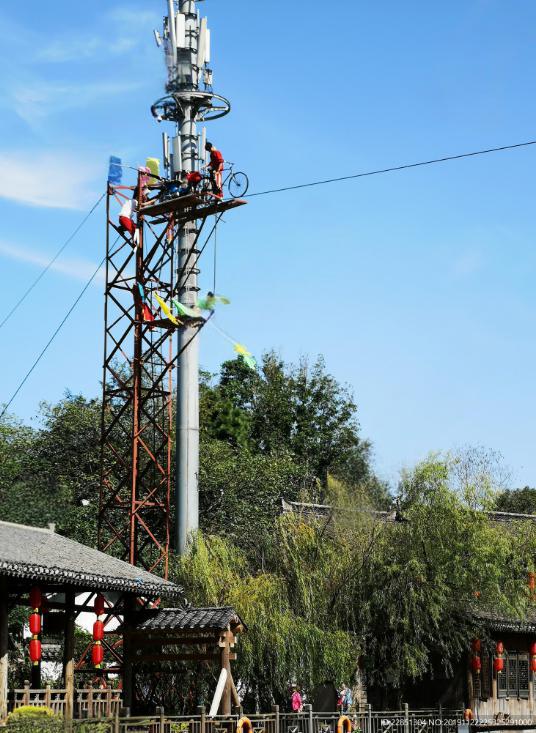
The size of your production facility is one of the most critical factors determining how quickly you can deliver an antenna tower project and what it will ultimately cost. When manufacturers operate from constrained facility spaces, antenna tower production inevitably faces delays that ripple through supply chains, project timelines, and budgets. Understanding this relationship helps procurement professionals, contractors, and facility planners make informed decisions about sourcing, inventory management, and project scheduling.

Production facility size directly governs the number of antenna tower units a manufacturer can build simultaneously, the storage capacity for materials and finished products, and the workflow efficiency that keeps costs competitive. Smaller facilities struggle to maintain reasonable lead times because they lack the floor space, equipment redundancy, and logistics infrastructure that larger operations provide. This white paper explores why facility dimensions matter so much and how they translate into tangible delays and expenses for antenna tower procurement.
How Facility Space Constrains Antenna Tower Production Capacity
Work Station Density and Simultaneous Production
An antenna tower requires multiple work stations for fabrication, welding, galvanizing, assembly, and quality inspection. Small production facilities can only accommodate one or two antenna tower units in active production at any given moment. This sequential workflow means that when rush orders arrive, an antenna tower already in progress must be completed before the next project begins, automatically extending lead times by weeks or even months. Larger facilities maintain parallel production lines where multiple antenna tower projects proceed simultaneously, enabling faster turnaround without sacrificing quality or safety standards.
Material Storage and Supply Chain Agility
Every antenna tower project requires steel tubing, fasteners, coatings, grounding components, and other raw materials staged nearby. Cramped facilities force manufacturers to order materials in smaller batches and store inventory off-site, which increases handling costs and delays the start of antenna tower fabrication. When an antenna tower design changes or additional units are urgently needed, smaller facilities cannot quickly pivot because they lack onsite buffer stock. Conversely, well-sized production operations maintain strategic material reserves that enable faster antenna tower starts and reduce procurement friction that adds unnecessary costs.
Cost Escalation Driven by Facility Limitations
Equipment Efficiency and Overhead Allocation
Larger antenna tower facilities spread fixed overhead costs—rent, utilities, facility maintenance, insurance—across more units, driving down the per-unit cost of each antenna tower. Small facilities carry the same overhead burden but distribute it across fewer completed units, making each antenna tower proportionally more expensive. Additionally, cramped spaces force manufacturers to use rental equipment, temporary staging areas, and external warehousing, all of which compound the total installed cost of each antenna tower. Equipment bottlenecks emerge because expensive machinery sits idle while waiting for workspace to clear, and this inefficiency passes directly to the customer as premium pricing.
Labor Workflow and Training Investment
Efficient antenna tower production relies on skilled workers moving smoothly between tasks without congestion or safety compromises. Undersized facilities create physical crowding that slows work, increases injury risk, and reduces worker productivity. When labor throughput declines, an antenna tower that should take three weeks stretches to five weeks or longer. Larger facilities also justify investing in specialized training and cross-training programs because they have enough antenna tower volume to amortize that training investment, whereas small operations cut corners on workforce development, leading to rework, scrap, and additional antenna tower delays.
Lead Time Extensions and Project Risk
Backlog Management and Queue Times
Small facility manufacturers maintain longer order queues because they cannot absorb spikes in demand. When your antenna tower project arrives, it often joins a backlog of existing orders, and you must wait for those preceding antenna tower units to move through the production system. Larger facilities have more flexibility to prioritize urgent antenna tower orders or accommodate mid-project changes because they operate with higher throughput capacity. This capacity cushion translates into predictable lead times for antenna tower delivery, which allows contractors to commit reliable project completion dates to end customers.
Quality Inspection and Rework Cycles
An antenna tower that fails final inspection must be reworked, and constrained facilities cannot easily absorb rework without cascading delays across all pending antenna tower projects. Larger operations maintain dedicated rework stations and buffer time in their schedules, so an antenna tower rejection does not automatically push back every other order. When a small facility discovers a welding flaw or coating defect on an antenna tower unit, the entire production schedule shifts, and lead times extend unpredictably for everyone waiting for an antenna tower delivery.
Strategic Planning Considerations for Procurement
Vendor Selection and Capacity Assessment
Before contracting for antenna tower supply, procurement teams should evaluate a manufacturer's facility footprint, equipment availability, and current order backlog. A transparent vendor will disclose their production capacity and show how facility size shapes their lead times for an antenna tower. If a supplier quotes a standard antenna tower lead time of 16 weeks, ask whether their facility has grown or remained static and whether they have invested in additional capacity. Facility expansion signals confidence in market demand and suggests a supplier invests in infrastructure to keep antenna tower costs and timelines competitive.
Demand Forecasting and Buffer Planning
When you anticipate needing multiple antenna tower units over a fiscal year, communicate volume forecasts early to suppliers. Large facilities with adequate space can often negotiate longer-term supply agreements that lock in favorable antenna tower pricing and lock in reasonable lead times because they can plan their antenna tower production schedules months in advance. Small facilities cannot accommodate advance planning because they lack the physical space to stage inventory, so they offer only short-term commitments at premium antenna tower rates. By aligning your procurement strategy with vendor facility capacity, you reduce surprise delays and control antenna tower costs.
FAQ
Why do larger antenna tower manufacturers charge less per unit?
Larger facilities amortize fixed costs across higher production volumes, reducing the per-unit overhead embedded in each antenna tower. They also operate more efficiently with parallel workflows, better material management, and fewer idle equipment cycles, all of which lower the cost of manufacturing each antenna tower. Small facilities must charge premium prices because they cannot distribute fixed expenses as broadly.
How does facility size affect antenna tower delivery schedules?
Facility size directly governs how many antenna tower units a producer can work on simultaneously. Larger operations maintain shorter queue times and can absorb rush orders, while small facilities with limited space force customers to join longer backlogs. When an antenna tower project requires expedited delivery, a large-facility supplier is far more likely to accommodate the request without massive surcharges.
What questions should I ask a supplier about their antenna tower production facility?
Ask about total production floor space, number of active work stations, current order backlog measured in weeks, equipment redundancy for critical processes, and material storage capacity. Request a facility tour to verify capacity claims. Also inquire whether they have plans to expand facility space, which signals future investment in reducing antenna tower lead times and costs.