 EN


Choosing the right antenna tower for your telecommunications or broadcast infrastructure is one of the most critical decisions in network deployment. The height and configuration of your antenna tower directly impact signal coverage, installation costs, regulatory compliance, and long-term operational performance. An improperly sized or positioned antenna tower can result in dead zones, equipment failures, and expensive retrofitting. This comprehensive guide walks you through the essential factors needed to select the optimal height and configuration for your specific antenna tower installation needs.
The process of selecting an antenna tower involves understanding terrain characteristics, coverage objectives, regulatory requirements, and structural engineering principles. Whether you are deploying a new antenna tower in rural areas or upgrading existing telecom infrastructure in urban environments, the height and configuration must align with your specific propagation goals and site constraints. This guide provides the knowledge you need to make informed antenna tower decisions that support your network's performance and sustainability.
Understanding Site Assessment and Terrain Analysis
Evaluating Propagation and Coverage Requirements
The first step in antenna tower selection is conducting a detailed site assessment to determine your coverage objectives. The height of your antenna tower is the primary factor affecting radio wave propagation and signal reach. Elevated antenna tower placement allows signals to travel farther by reducing ground-level obstacles and extending the radio horizon. For rural antenna tower installations, greater heights often provide cost-effective coverage of dispersed populations. For urban antenna tower deployments, moderate heights combined with strategic placement and multiple antenna tower sites create efficient coverage patterns with minimal interference.
Terrain analysis shapes antenna tower height decisions significantly. Flat terrain allows lower antenna tower heights to achieve desired coverage distances, whereas hilly or forested regions demand taller antenna tower configurations to clear natural obstacles. Using propagation modeling software, network planners can simulate antenna tower heights against actual topography and predict coverage zones accurately. This analysis ensures your antenna tower investment targets the right service areas without over-provisioning height that increases costs and construction complexity.
Assessing Ground Conditions and Foundation Requirements
The foundation beneath your antenna tower must support the structural load while accommodating soil conditions specific to your site. Poor soil bearing capacity requires deeper foundations and larger antenna tower base configurations, increasing installation complexity and expense. Site soil testing determines the proper foundation depth, reinforcement, and the configuration of your antenna tower support structure. Rocky or unstable terrain may favor anchored antenna tower designs over free-standing configurations, influencing both height capability and operational stability of your antenna tower installation.
Regulatory Compliance and Height Restrictions
Federal Aviation and Zoning Authority Requirements
Aviation regulations strictly govern antenna tower heights to prevent aircraft hazards. The Federal Aviation Administration establishes maximum heights for antenna tower structures near airports and flight corridors. These restrictions directly limit the feasible height of your antenna tower regardless of coverage or performance desires. Before finalizing your antenna tower height selection, you must consult local zoning authorities, aviation authorities, and environmental agencies. Municipal codes often impose height limits based on residential proximity or viewshed protection, further constraining your antenna tower configuration options.
Non-compliance with antenna tower height regulations results in project delays, costly dismantling, or legal penalties. Some jurisdictions require environmental impact assessments for antenna tower installations above specific heights. Lighting and marking requirements for tall antenna tower structures add operational costs and maintenance obligations. Understanding these regulatory boundaries early in your antenna tower planning prevents costly redesigns and ensures your antenna tower meets all legal requirements before construction begins.
Environmental and Community Considerations
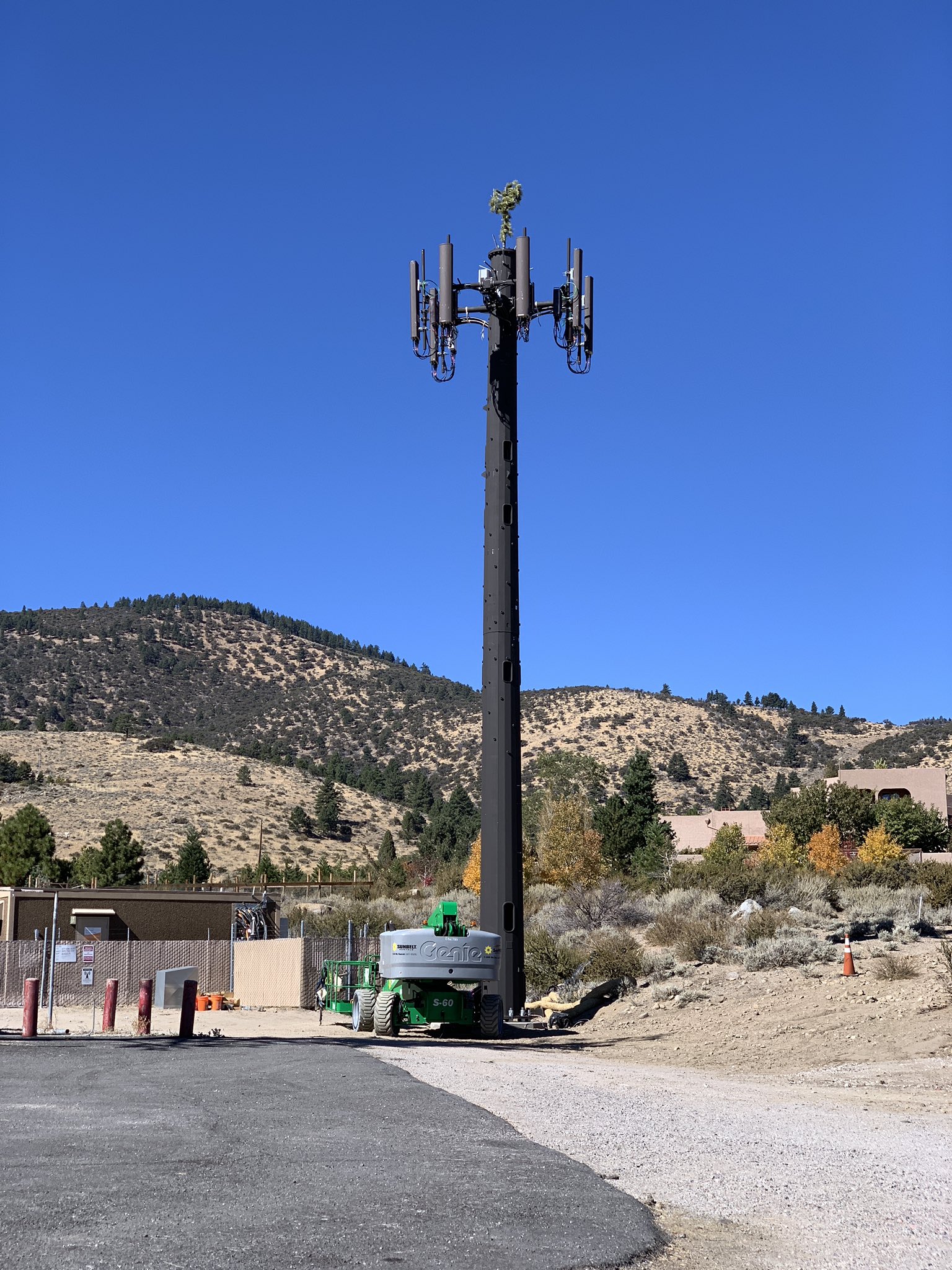
Beyond formal regulations, environmental impact assessments may be triggered by antenna tower height thresholds. Protected habitats, migratory bird corridors, or viewshed-sensitive areas can restrict antenna tower height even when aviation and zoning rules allow greater heights. Community opposition to prominent antenna tower structures sometimes leads to negotiated height reductions or camouflaged antenna tower designs. Your antenna tower configuration strategy should account for these softer regulatory pressures alongside formal legal requirements, preventing project delays and ensuring community acceptance of your antenna tower installation.
Technical Configuration and Structural Design
Choosing Between Monopole and Lattice Antenna Tower Designs
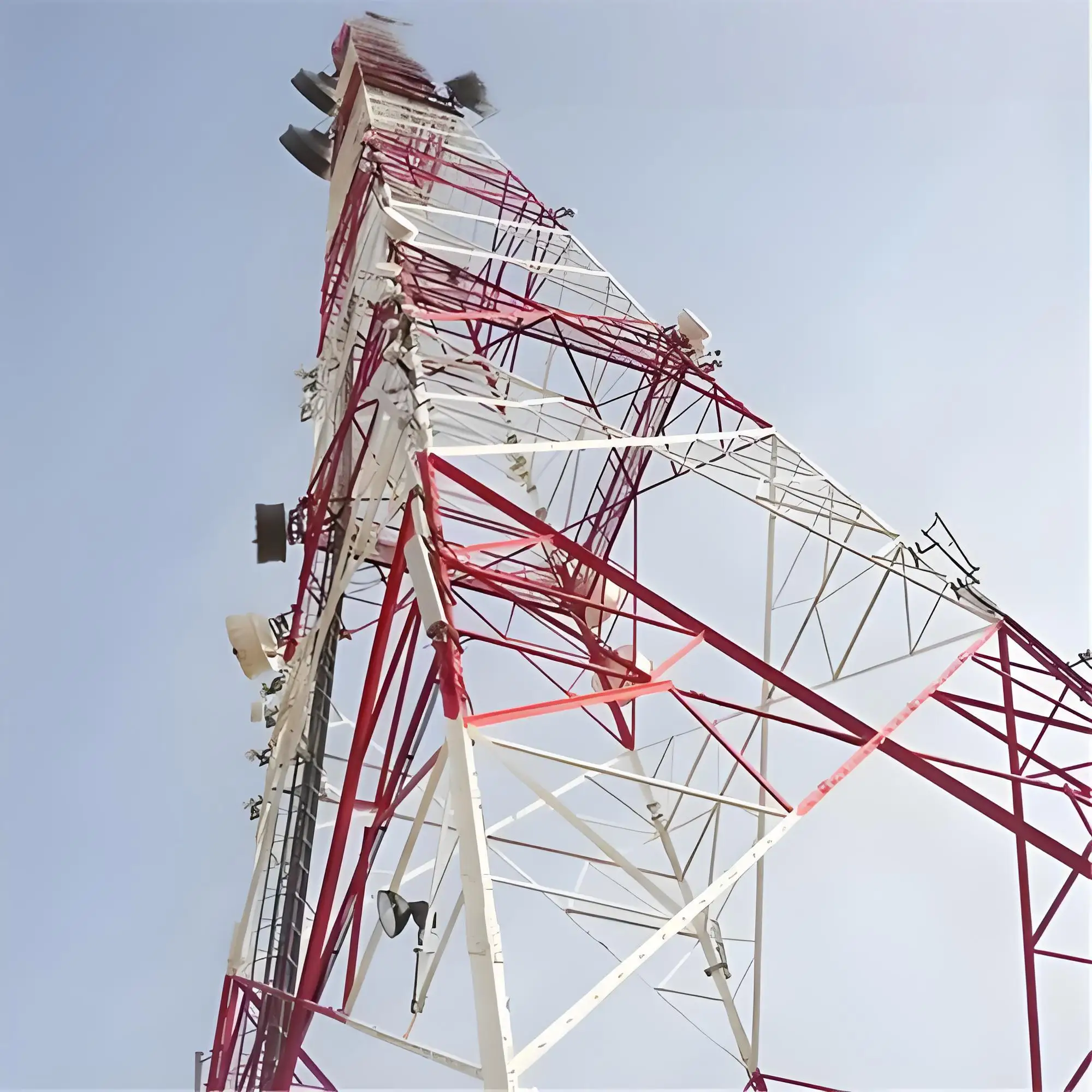
The structural configuration of your antenna tower depends on height requirements, wind load capacity, and available space. Monopole antenna tower designs occupy minimal ground footprint and suit urban environments where space is constrained. Lattice antenna tower structures provide greater wind resistance at equivalent heights and accommodate heavier antenna loads. Self-supporting antenna tower configurations eliminate guy-wire requirements, improving safety and reducing surrounding land area needed. Guyed antenna tower designs achieve greater heights with smaller diameter members, reducing material costs but requiring extensive surrounding clearance for guy-wire anchor points.
Height capabilities of antenna tower designs vary significantly by type and material. Steel monopole antenna tower structures typically reach 200 feet with solid design, while lattice antenna tower constructions achieve 500 feet or more. Concrete monopole antenna tower options provide alternative durability profiles. Your antenna tower configuration selection must match both your height requirements and the structural capability of available antenna tower designs. Wind speed ratings, ice load capacity, and antenna load specifications determine whether a given antenna tower configuration can support your equipment at your required height safely and reliably.
Material Selection and Environmental Durability
The materials used in your antenna tower construction directly affect long-term performance and maintenance requirements. Steel antenna tower structures require corrosion protection through galvanizing, painting, or stainless steel specifications, especially in coastal or chemically aggressive environments. Concrete antenna tower components offer maintenance advantages but add weight to the overall antenna tower structure. Composite antenna tower elements reduce weight and corrosion concerns but involve higher initial material costs. Your antenna tower configuration material choices influence both the initial capital investment and the lifetime operating cost of your antenna tower installation.
Capacity Planning and Future Scalability
Anticipating Equipment Growth and Technology Evolution
Your antenna tower should be designed with capacity margins to accommodate future equipment additions without requiring costly structural upgrades. Modern antenna tower configurations increasingly support multiple carriers, multiple technologies, and diverse equipment types on shared infrastructure. Oversizing your antenna tower height and structural capacity modestly during initial installation is often more economical than retrofitting later. The configuration of your antenna tower should include provisions for additional antenna mounts, cable routes, and power distribution to enable cost-effective expansion as your network evolves.
Technology transitions from 4G to 5G and beyond introduce new equipment profiles and power consumption demands that your antenna tower must accommodate. Your antenna tower configuration decisions made today should support a multi-year network roadmap without necessitating complete replacement. Working with a network architect who understands your long-term technology strategy ensures your antenna tower investment remains relevant and cost-efficient across multiple technology generations and deployment phases.
FAQ
What antenna tower height is ideal for rural coverage?
Ideal antenna tower heights for rural areas typically range from 100 to 200 feet, depending on terrain characteristics and propagation distance requirements. Flatter terrain tolerates lower antenna tower heights, while rolling or forested regions benefit from taller antenna tower structures. A detailed propagation study using your specific geographic data determines the optimal antenna tower height for your rural deployment objectives, balancing coverage goals against construction and maintenance costs of a taller antenna tower.
How do zoning restrictions affect antenna tower configuration decisions?
Zoning restrictions impose hard height limits on antenna tower installations based on municipal codes and proximity to residential areas. These restrictions may force your antenna tower configuration to use shorter heights or alternative designs like monopole or disguised antenna tower structures to fit within allowed antenna tower dimensions. Some jurisdictions negotiate conditional use permits for taller antenna tower structures if applicants demonstrate community benefit or implement design concessions, so exploring regulatory alternatives is important before finalizing your antenna tower height selection.
Can an existing antenna tower be modified to greater heights?
Modifying an existing antenna tower to greater heights requires structural engineering analysis to verify the foundation and member capacity can safely support added height and wind loads. Most existing antenna tower structures cannot be economically extended significantly without reinforcement or replacement of critical components. In many cases, building a new taller antenna tower is more cost-effective than retrofitting an existing antenna tower, particularly if the original antenna tower was designed to minimal capacity standards. A structural engineer should evaluate your specific antenna tower before recommending modification feasibility.