 EN
EN


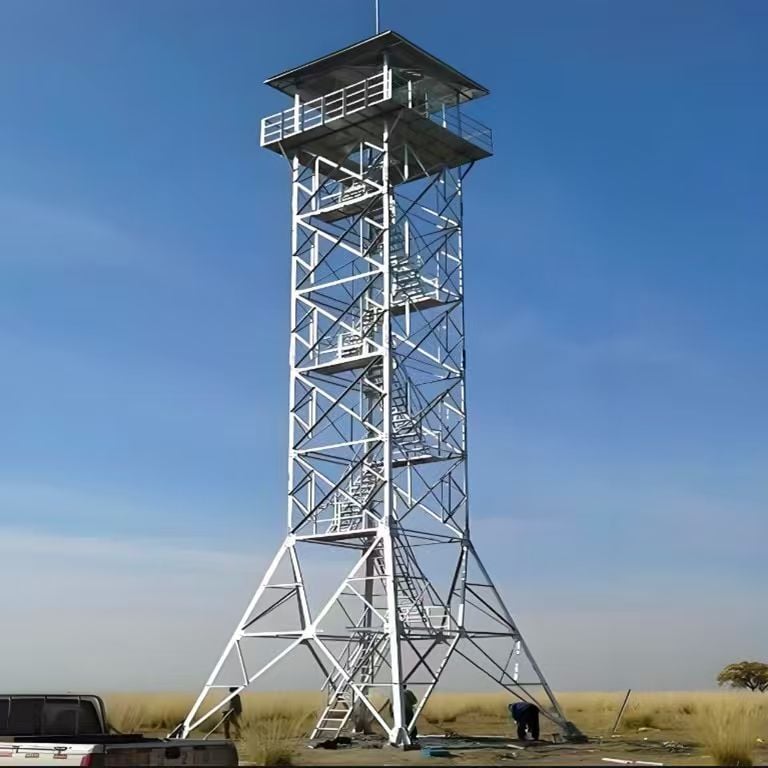
A watch tower is only as functional as the safety features built into its design. When personnel need to climb, descend, or move across elevated platforms during daily operations, the structural integrity and slip resistance of every surface become non-negotiable. Without proper traction on stairs and platforms, a watch tower becomes a workplace hazard rather than a reliable observation or communication asset. Understanding why slip-resistant surfaces are critical helps operators, engineers, and procurement teams make smarter decisions when selecting or specifying a watch tower for rural, industrial, or telecom applications.
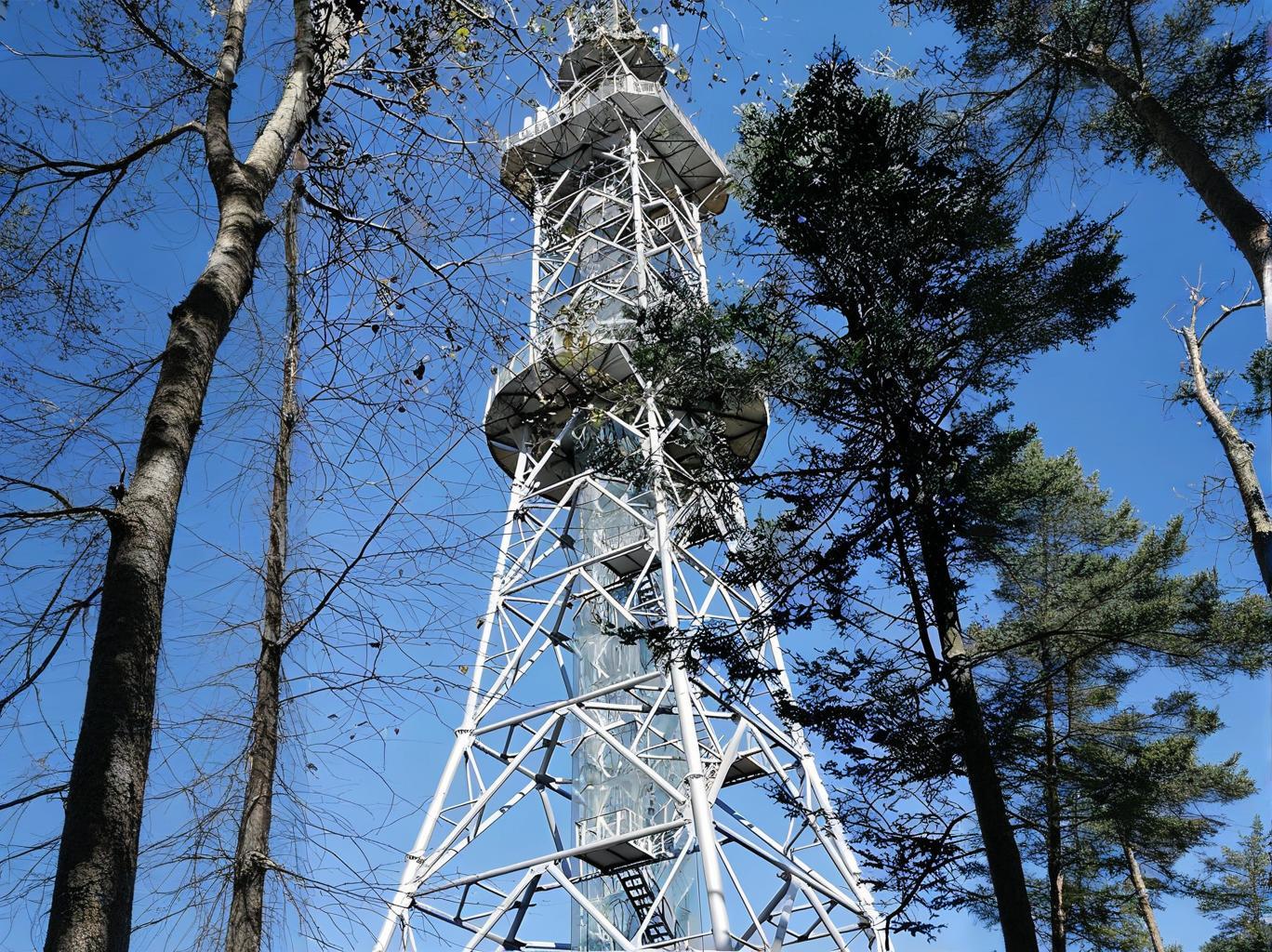
In many operational environments, a watch tower must perform reliably under rain, morning dew, mud, or frost. These conditions make smooth metal or plain steel surfaces dangerously slippery. A well-designed watch tower integrates slip-resistant treads, grated platforms, and textured handrails that maintain grip across all weather conditions. This article examines how these features directly affect the safety, usability, and long-term value of a functional watch tower.
The Physical Demands Placed on a Watch Tower
Elevated Access and Daily Personnel Movement
Every watch tower requires personnel to move vertically and laterally, often while carrying tools, equipment, or maintenance gear. Stairs in a watch tower are not occasional-use structures. They are accessed repeatedly during inspection cycles, equipment checks, and emergency responses. When a watch tower is installed in a rural or remote area, there may be limited access to emergency medical support, which means fall prevention is even more critical. Slip-resistant stair treads reduce the risk of foot slippage when personnel are descending under load or in wet conditions.
The platform at the top of a watch tower is the primary workspace for antenna adjustment, surveillance equipment calibration, or environmental monitoring. A watch tower platform must provide stable footing regardless of surface moisture. Grated or perforated platform decking allows water to drain away quickly, preventing pooling that leads to slipping. Any watch tower deployed in regions with seasonal rainfall or high humidity demands this drainage-integrated platform design as a baseline requirement.
Structural Integrity Under Dynamic Load
A watch tower faces wind pressure, vibration from equipment, and the dynamic load created by personnel movement. When a technician shifts weight on a watch tower platform, the surface must remain firm and non-slip under that transferred force. Galvanized steel grating used in a quality watch tower is engineered to handle these combined stresses while maintaining surface texture. Smooth surfaces would lose grip precisely when personnel need it most — during sudden movement or emergency situations on the watch tower structure.
How Slip-Resistant Design Supports Watch Tower Functionality
Weatherproof Materials and Surface Engineering
A durable watch tower designed for outdoor use must be built from materials that resist corrosion while preserving surface traction over time. Hot-dip galvanized steel is the material of choice for a high-performance watch tower because it combines structural strength with a naturally textured surface finish. Unlike painted steel, which can chip and become slick when worn, galvanized steel maintains its grip properties even after years of exposure. This makes every stair tread and platform panel in a watch tower both weatherproof and functionally safe over the long service life of the structure.
A watch tower equipped with open-bar grating on its stair treads provides superior drainage and traction compared to flat sheet metal steps. The raised bar pattern in the grating creates small contact edges that grip the soles of boots even when wet or muddy. This engineered surface is particularly important for a watch tower used in rural or agricultural areas where soil and moisture are constantly present around the base and carried upward by workers during each ascent.
Platform Safety for Equipment Operators
The platform of a watch tower serves as the working zone for technicians handling sensitive antenna systems, surveillance cameras, or meteorological instruments. When a worker must crouch, lean, or reposition on the watch tower platform, a slip-resistant surface prevents loss of balance. Falls from elevation are among the most serious occupational injuries in field operations, and a properly designed watch tower significantly reduces this risk by ensuring that every platform surface has adequate grip, edge protection, and load-rated stability. A watch tower that prioritizes platform safety is not only protecting its personnel but also protecting the equipment being serviced at height.
Operational and Compliance Benefits of Slip-Resistant Watch Tower Features
Meeting Safety Standards for Elevated Structures
Industrial and telecom operators are subject to safety regulations that govern the design of elevated work structures. A watch tower must meet these standards to be approved for regular personnel access. Slip-resistant stairs and platforms are often mandated under occupational health and safety codes for any watch tower installed in a commercial or infrastructure setting. Selecting a watch tower that already incorporates these features reduces the need for costly retrofits and ensures compliance from day one of deployment. For organizations managing multiple sites, a watch tower built to comply with safety standards simplifies audits and reduces liability exposure across the network.
Long-Term Reliability and Reduced Maintenance Costs
A watch tower with galvanized slip-resistant surfaces requires less maintenance than one built with painted or coated mild steel. Galvanization resists rust, which is the primary cause of surface degradation in an outdoor watch tower. When the surface of a watch tower stair tread corrodes, it becomes both structurally weaker and more slippery, creating a compounding hazard. Investing in a high-quality watch tower with durable, slip-resistant treads from the outset eliminates the maintenance cycles needed to refinish or replace worn surfaces. Over the operational lifespan of a watch tower, this translates into measurable cost savings and consistent safety performance.
FAQ
What makes a watch tower platform slip-resistant in wet conditions?
A watch tower platform achieves slip resistance in wet conditions through open-bar grating or perforated decking that allows rainwater to drain away rather than pool on the surface. The textured surface of hot-dip galvanized steel also provides grip when wet. These material and design choices work together in a quality watch tower to maintain safe footing for personnel during and after rainfall.
Why is galvanized steel preferred for watch tower stairs?
Galvanized steel is preferred for watch tower stairs because it combines corrosion resistance with a naturally textured surface finish that maintains grip over time. Unlike painted steel, galvanized surfaces on a watch tower do not chip or peel, ensuring that the anti-slip properties remain intact throughout the service life of the structure. This makes it the most reliable material choice for any outdoor watch tower installation.
How does a slip-resistant watch tower reduce operational risk?
A slip-resistant watch tower reduces operational risk by minimizing the likelihood of falls during routine access, maintenance, and emergency operations. When every stair tread and platform surface in a watch tower provides dependable grip, personnel can move confidently at height even in adverse weather. This directly reduces injury rates, equipment damage from dropped tools, and the operational downtime associated with workplace accidents on a watch tower structure.