 EN
EN


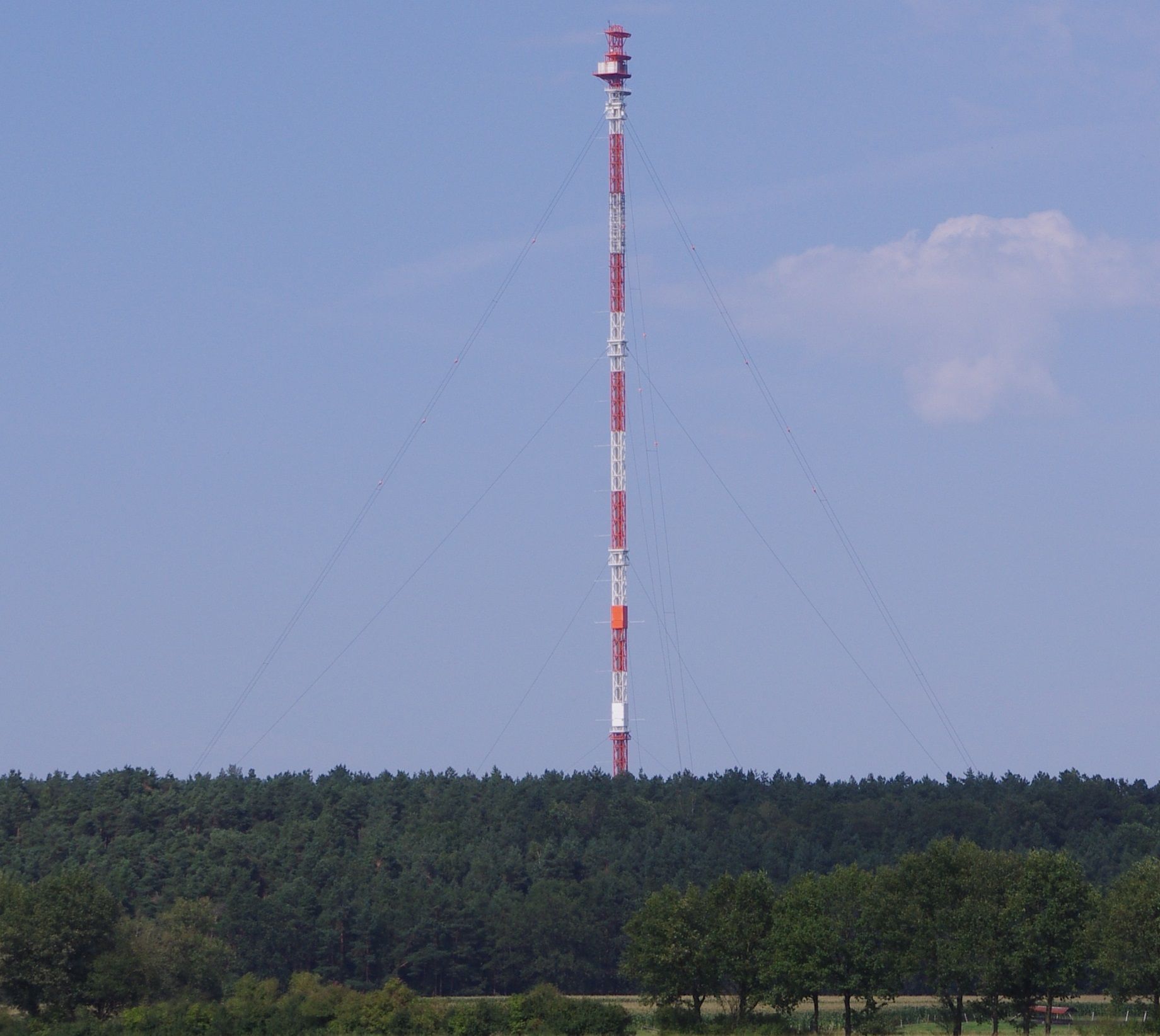
A radio mast stands as one of the most critical infrastructure components in modern telecommunications, broadcasting, and emergency communications networks. The structural integrity of a radio mast depends fundamentally on the engineering quality of its guy wire and anchor systems. Without proper support mechanisms, a radio mast becomes vulnerable to wind loads, ice accumulation, and seismic events that could cause catastrophic failure. Understanding why reliable guy wire and anchor systems matter is essential for facility managers, engineers, and telecommunications professionals who oversee these vital installations.
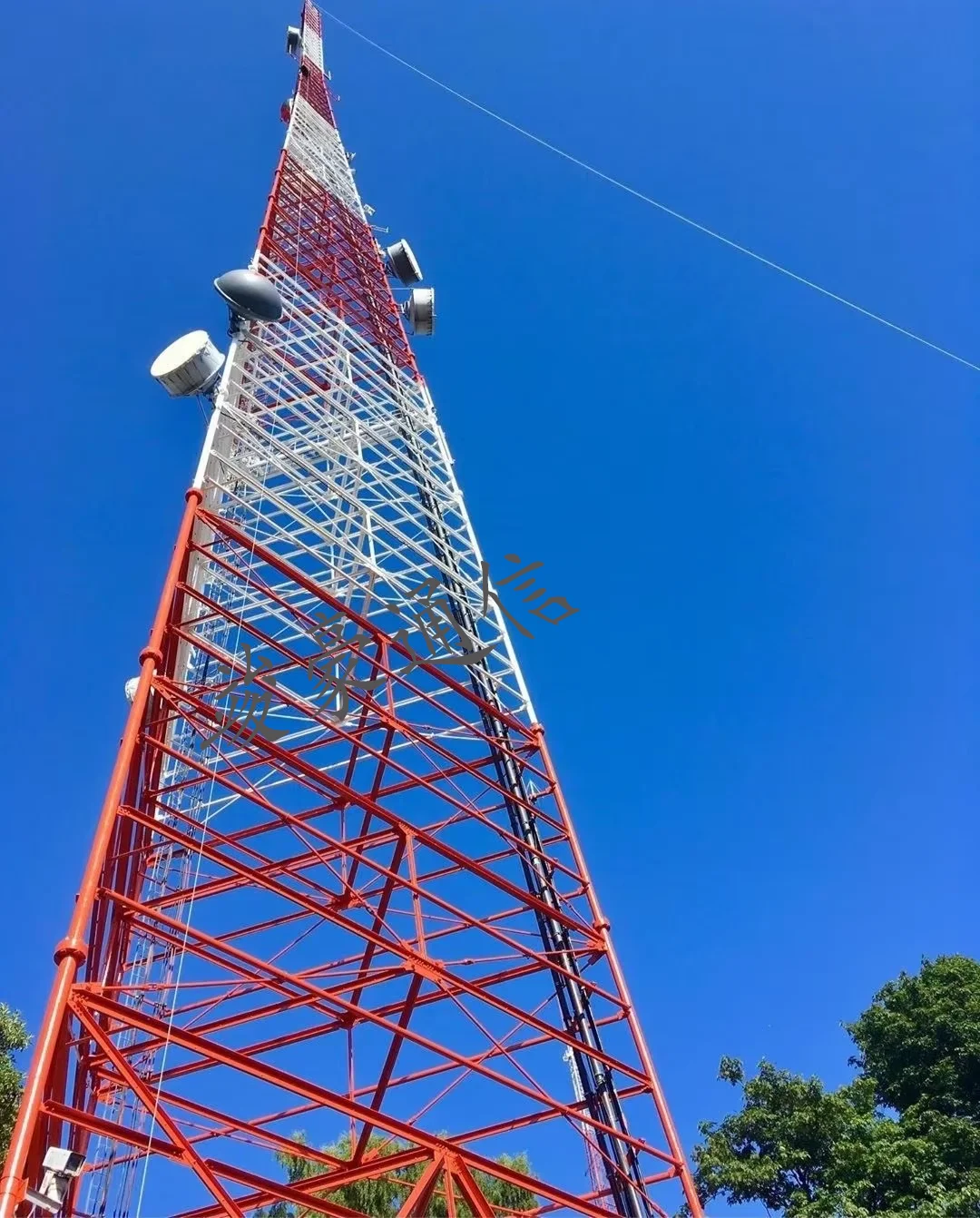
The reliability of a radio mast depends on a carefully engineered combination of structural components working in harmony. Guy wires distribute lateral forces across multiple anchor points, preventing excessive sway and deformation. The anchor systems transmit these forces safely into the ground, creating a balanced load path. When these systems fail or deteriorate, the consequences extend beyond equipment downtime—they threaten public safety and network continuity. This article explores the fundamental reasons why robust guy wire and anchor systems are non-negotiable for radio mast stability and operational success.
Understanding Radio Mast Load Distribution Through Guy Wire Systems
How Guy Wires Manage Lateral Forces on a Radio Mast
A radio mast experiences multiple directional forces throughout its operational life. Wind pressure, ice loading, and equipment weight all create lateral stresses that a radio mast must withstand. Guy wires function as tensioned cables that intercept these forces before they accumulate in the mast structure itself. By connecting from the mast to ground anchors at strategic heights, guy wires create a three-dimensional support network. This distributed load path means that no single structural member bears the full burden of external forces. The tension in each guy wire of a radio mast installation is carefully calculated based on expected wind speeds, ice thickness, and antenna loads specific to each site.
The Role of Multiple Anchor Points in Radio Mast Stability
Effective radio mast support requires anchor systems positioned at precise distances from the tower base. Three-point or four-point anchor configurations are standard for most radio mast installations, with angles and distances determined by structural analysis. Each anchor point of a radio mast system must be sized to handle its proportional share of the total load. Undersized anchors create bottlenecks where forces concentrate, leading to accelerated wear and potential failure. The soil conditions at each anchor location determine whether concrete foundations, rock anchors, or other attachment methods are appropriate. Proper engineering of the anchor system ensures that a radio mast remains stable even under extreme weather conditions.
Safety and Structural Integrity: Why Reliable Guy Wire Systems Matter
Preventing Catastrophic Mast Collapse
The failure modes of an under-supported radio mast are severe and consequential. Lateral sway beyond design limits can cause fatigue cracking in the mast material, progressive weakening of welds, and eventual buckling collapse. A single failed guy wire on a radio mast creates immediate imbalance, redirecting forces to remaining support cables and accelerating their degradation. In extreme cases, a radio mast without adequate guy wire support can bend, twist, or topple entirely, damaging surrounding infrastructure and equipment. The financial and liability implications of such failure are substantial. Reliable guy wire systems prevent these scenarios by maintaining the structural geometry and force distribution that keeps a radio mast safe.
Environmental Resistance and Long-Term Durability
Outdoor radio mast installations face continuous environmental challenges that degrade materials over time. Galvanized steel guy wires resist corrosion better than bare steel, but still require periodic inspection. Anchor systems embedded in soil experience chemical changes, frost heave in cold climates, and subsurface moisture that affect load-bearing capacity. A well-designed radio mast system includes materials and protection methods rated for local environmental conditions. Stainless steel guy wires offer superior corrosion resistance in coastal environments. Concrete anchor foundations require proper drainage and frost protection in freeze-thaw regions. Regular maintenance of both guy wires and anchors on a radio mast extends useful life and prevents premature failure from environmental degradation.
Engineering Standards and Regulatory Compliance for Radio Mast Support Systems
Design Standards and Load Calculations
Professional design of a radio mast system follows established engineering codes and standards developed by organizations like the American Society of Civil Engineers and the National Communications System. These standards specify minimum safety factors, calculation methods for wind and ice loads, and inspection intervals. Each radio mast project begins with a site-specific engineering study that determines wind speed expectations, seismic risk, soil properties, and antenna loads. The engineer then calculates required guy wire sizes, anchor depths, and foundation designs that meet or exceed code requirements. Compliance with these standards ensures that a radio mast meets structural safety requirements and passes regulatory inspections.
Inspection, Maintenance, and Compliance Requirements
Regulatory agencies require periodic inspection of radio mast systems to verify that guy wires remain properly tensioned and anchors show no signs of failure. Documentation of these inspections becomes part of the facility's compliance record. Maintenance procedures for a radio mast system include visual inspections for corrosion, tension verification using specialized equipment, and load testing under controlled conditions. Deferred maintenance on guy wires and anchors increases risk exponentially—a radio mast that passes inspection today may fail if maintenance is neglected. Professional inspection and maintenance programs ensure that a radio mast remains compliant and safe throughout its operational life.
FAQ
What happens to a radio mast without proper guy wire support?
Without adequate guy wire support, a radio mast experiences excessive lateral movement under wind loads, leading to structural fatigue, material cracking, and potential collapse. The mast becomes vulnerable to buckling, twisting, and catastrophic failure that endangers nearby personnel and infrastructure. A radio mast depends entirely on its guy wire and anchor systems for stability under environmental stresses.
How often should guy wires and anchors on a radio mast be inspected?
Industry standards typically require annual inspections of a radio mast's guy wire tension, anchor foundation conditions, and corrosion status. More frequent inspections may be necessary in harsh coastal environments or areas with severe weather. A radio mast in a well-maintained system will have documented inspection records that demonstrate ongoing compliance with safety standards.
Can an existing radio mast be retrofitted with upgraded guy wire systems?
Yes, existing radio mast installations can be retrofitted with upgraded guy wire and anchor systems when engineering analysis shows the need. Retrofitting a radio mast may involve installing additional guy wires, replacing corroded cables, or reinforcing anchors. Professional engineering assessment must guide any modifications to ensure the radio mast remains stable and compliant.