 EN
EN


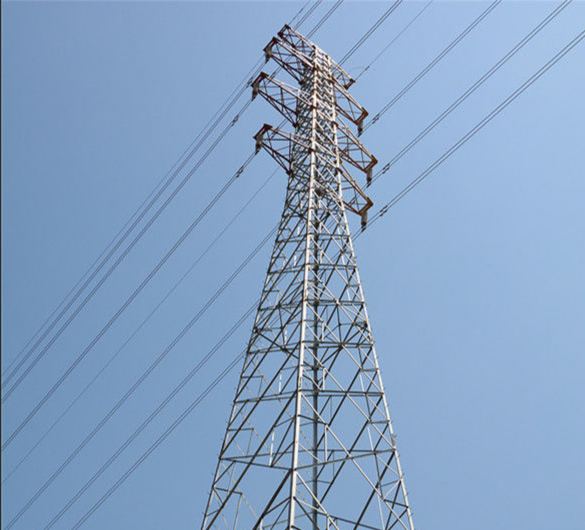
The production capacity of 150,000 tons annually represents a critical milestone for manufacturers serving the comm towers industry. This scale of output directly impacts project timelines, cost structures, and supply chain reliability for large commercial tower deployments across multiple regions. When a facility achieves comm towers production at this volume, it signals the ability to meet simultaneous projects without compromise, deliver consistent material quality, and maintain competitive pricing even during demand surges.

For infrastructure developers and telecommunications operators planning large comm towers installations, understanding what 150,000 tons of annual capacity means is essential to project success. This production level enables manufacturers to support massive tower rollouts, maintain inventory buffers, and guarantee delivery schedules that align with network expansion timelines. The ability to source comm towers materials from a supplier with proven 150,000-ton capacity reduces procurement risk and ensures your projects remain on schedule and budget.
Why 150,000 Tons Production Capacity Matters for Comm Towers Projects
Meeting Simultaneous Large-Scale Deployments
Comm towers projects often run in parallel across multiple regions, requiring manufacturers to fulfill orders from several clients without prioritizing one project over another. A 150,000-ton annual production capacity for comm towers ensures that multiple large projects receive materials on time, even when demand spikes coincide. Without adequate capacity, suppliers face bottlenecks, extended lead times, and forced delays that cascade through project schedules. This production scale for comm towers eliminates single-source risk and provides telecommunications operators the confidence that their deployment timeline will not slip due to supply constraints.
Stabilizing Material Costs Through Volume Economics
Manufacturers operating at 150,000 tons annually for comm towers benefit from economies of scale that directly reduce per-unit material costs. These savings pass through to project owners, lowering overall capital expenditure for large tower installations. Conversely, smaller suppliers with limited comm towers production capacity must charge premium prices to cover fixed costs, making large-scale projects economically inefficient. The comm towers industry recognizes that volume production at this threshold enables competitive pricing without sacrificing material quality or structural integrity.
Operational Advantages of High-Volume Comm Towers Production
Consistent Material Quality and Certification Standards
When comm towers manufacturers maintain 150,000-ton production capacity, they justify investment in advanced quality control systems, automated testing protocols, and in-house certification laboratories. High-volume comm towers operations can afford to implement rigorous inspection at every production stage, ensuring that galvanized coatings, weld integrity, and dimensional tolerances meet international standards consistently. Small-batch comm towers suppliers often rely on external testing, introducing delays and inconsistency. The scale of 150,000 tons enables comm towers producers to maintain ISO certifications, hold material traceability records, and deliver documentation that telecommunications operators and structural engineers require for regulatory approval.
Inventory Buffer and Rapid Response Capability
Comm towers manufacturers with 150,000-ton annual capacity typically maintain finished-goods inventory across multiple product specifications, allowing them to respond quickly to urgent orders and schedule changes. This buffer protects clients from production delays caused by raw material shortages, equipment maintenance, or demand volatility. For comm towers projects facing unexpected timelines or scope changes, access to immediately available inventory from a high-capacity supplier prevents costly project pauses. The comm towers industry increasingly values suppliers who can accommodate rush orders without sacrificing lead times for standard commitments.
Strategic Impact on Large Commercial Tower Networks
Supporting Network Expansion Across Regions
Telecommunications operators rolling out 5G networks or expanding coverage in underserved regions require comm towers materials in quantities that only high-capacity suppliers can reliably deliver. A 150,000-ton production capacity for comm towers allows manufacturers to commit to multi-year supply agreements that cover hundreds or thousands of tower installations. This predictability enables operators to plan capital budgets with confidence and coordinate construction schedules across multiple sites. Comm towers projects spanning multiple countries or regions benefit from suppliers whose 150,000-ton volume ensures no single region receives priority treatment, maintaining equitable delivery schedules.
Risk Mitigation and Supply Chain Resilience
Large comm towers deployments face supply chain risks including raw material price volatility, port congestion, and geopolitical disruptions. Manufacturers with 150,000-ton comm towers production capacity typically secure long-term contracts with steel suppliers, diversify sourcing regions, and maintain strategic reserves that insulate clients from these external shocks. The comm towers industry learned from past supply chain crises that sole-source dependencies create vulnerability. Choosing suppliers capable of comm towers production at scale reduces exposure to single-point failures and ensures continuity throughout multi-year projects.
Implementation Considerations for Procurement Teams
Aligning Specifications with High-Volume Suppliers
When sourcing comm towers from manufacturers with 150,000-ton capacity, procurement teams should standardize specifications to maximize supplier efficiency and minimize custom production runs. High-volume comm towers producers optimize their processes around proven designs, and alignment with these standards typically reduces lead times and cost. Frequent specification changes across comm towers projects increase complexity and reduce the supplier's ability to maintain schedule commitments. Collaboration between engineering teams and suppliers enables optimization of comm towers designs that maintain performance while leveraging the supplier's production efficiency at the 150,000-ton scale.
Contract Structure and Long-Term Partnerships
Organizations planning large comm towers deployments benefit from multi-year supply agreements with manufacturers proven at 150,000-ton production levels. These partnerships enable better pricing, priority allocation, and collaborative problem-solving when challenges arise. Spot purchases or short-term contracts often fail to secure optimal pricing or delivery schedules from high-capacity comm towers producers who prioritize long-term commitments. The comm towers industry increasingly recognizes that building durable supplier relationships with high-capacity manufacturers reduces procurement risk and enhances project predictability over extended deployment timelines.
FAQ
How does 150,000-ton production capacity for comm towers impact project timelines?
A 150,000-ton annual capacity ensures that comm towers suppliers can fulfill multiple simultaneous projects without creating backlogs or extended lead times. This production scale allows manufacturers to commit realistic delivery schedules and maintain consistency throughout project execution. Without adequate comm towers production capacity, delays compound across phased rollouts and regional deployments. High-capacity suppliers can absorb demand spikes and accommodate schedule adjustments that smaller producers cannot manage, directly reducing project risk.
What quality standards do high-volume comm towers manufacturers maintain?
Manufacturers operating at 150,000-ton comm towers production justify investment in automated quality control, in-house testing laboratories, and continuous certification processes. These comm towers producers maintain ISO standards, material traceability records, and third-party inspection documentation required by telecommunications regulators. The volume of comm towers production supports rigorous quality protocols that smaller suppliers cannot afford, ensuring consistent structural integrity, corrosion resistance, and performance across all materials supplied for large projects.
Why should procurement teams prioritize 150,000-ton comm towers suppliers?
Choosing comm towers suppliers with proven 150,000-ton annual capacity reduces procurement risk, stabilizes material costs, and ensures reliable delivery schedules for large deployments. These comm towers manufacturers offer inventory buffers, rapid response capability, and the operational stability required for multi-year projects. High-capacity comm towers suppliers also provide better pricing through economies of scale and technical support that enhances project execution. For telecommunications operators planning significant network expansion, comm towers manufacturers at this production scale are the most reliable and cost-effective partners.