 EN
EN


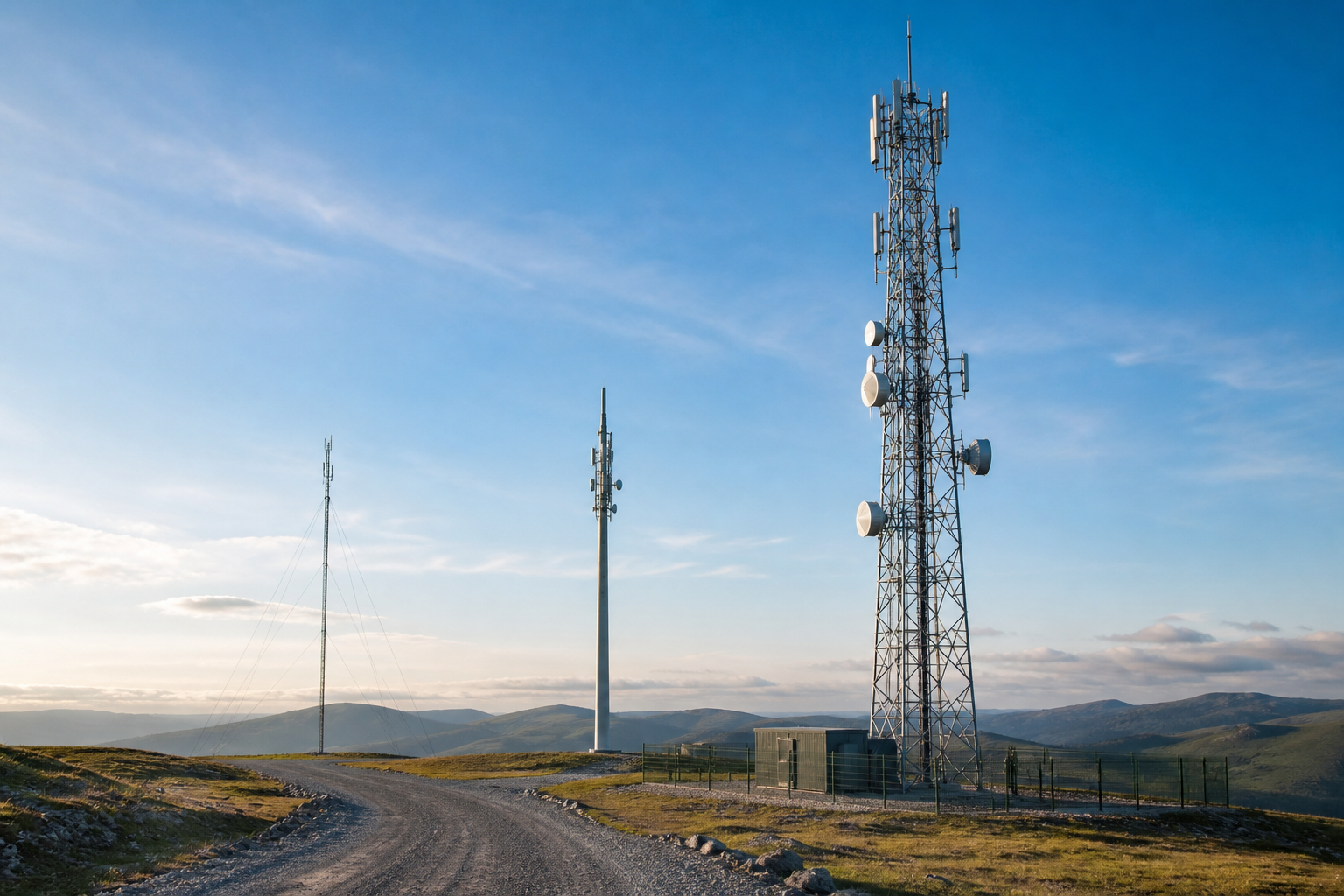
Choosing a communication tower is not simply a matter of selecting a height and requesting a price. A tower is part of a complete telecommunications infrastructure system. Its design must respond to the site environment, antenna arrangement, wind conditions, maintenance requirements, available land, transportation limitations, installation method, and applicable project standards.
For telecom operators, EPC contractors, engineering companies, government projects, and infrastructure distributors, the right purchasing process can reduce redesign, control project risk, and make quotation comparisons more meaningful. This communication tower buying guide explains the main tower types, the technical information a manufacturer needs, the quality points buyers should review, and the questions that should be answered before an order is confirmed.
1. Understand the Main Communication Tower Types
The first step is to identify which structural form fits the project. The most common options include self-supporting towers, monopoles, and guyed towers. Each type has a different balance of land use, height capability, installation complexity, appearance, and cost structure.
Self-Supporting Communication Towers
A self-supporting communication tower is a freestanding lattice structure that transfers loads through its own steel frame and foundation. It is commonly considered for projects that require multiple antenna levels, microwave dishes, maintenance platforms, or future equipment expansion.
The open lattice structure can provide flexibility for equipment mounting and cable routing. However, the foundation footprint, steel quantity, access system, and erection plan must be evaluated according to the final loading and site conditions. Buyers should not compare two self-supporting tower quotations only by height because differences in antenna loading, wind design, platform arrangement, and steel sections can significantly change the scope.
Monopole Communication Towers
A monopole is a single tubular steel structure with a compact footprint. It is often selected for urban, roadside, industrial, or space-limited sites where appearance and land use are important.
A monopole may simplify the visual profile of a site, but the design still depends on the equipment load, pole diameter, section connection, access method, cable routing, and foundation solution. For procurement, buyers should confirm whether the quotation includes climbing facilities, platforms, antenna brackets, cable ladders, base hardware, templates, and other accessories.
Guyed Communication Towers
A guyed tower uses tensioned guy wires connected to ground anchors to stabilize a slender mast. This arrangement can be suitable when the project has enough land for anchor points and requires an efficient tall structure.
The tower itself may use less structural steel than some freestanding alternatives, but the complete site needs adequate anchor spacing and reliable ground conditions. The procurement scope should clearly identify the mast sections, guy wires, turnbuckles or tensioning components, anchor hardware, climbing system, aviation or lighting provisions when required, and installation responsibilities.
2. Start with Site and Environmental Conditions
A reliable communication tower manufacturer needs site-specific input before finalizing a structural proposal. The project location affects wind exposure, corrosion risk, transportation, erection access, and foundation design.
Important information includes the project country and city, site coordinates when available, terrain description, tower height, local wind criteria, temperature range, seismic requirement if applicable, soil or geotechnical information, and the governing design standard specified by the project consultant or authority.
Coastal, industrial, humid, or highly corrosive environments may require additional attention to surface protection and connection details. Buyers should describe the environment instead of using only a general request such as “outdoor galvanized tower.” Clear environmental information helps the supplier propose an appropriate corrosion-protection approach and documentation package.
3. Define the Antenna and Equipment Loading
A tower cannot be properly evaluated without its equipment schedule. The antenna load affects the tower body, mounts, platforms, connections, and foundation reactions.
Provide the quantity, type, dimensions, weight, installation height, and orientation of sector antennas, microwave dishes, remote radio units, cable systems, and any other mounted equipment. If future expansion is expected, state the reserved loading separately.
A useful request for quotation should also identify the number and elevation of working platforms, antenna brackets, cable ladders, feeder supports, rest platforms, safety systems, and lightning-protection interfaces. When this information is missing, suppliers may quote different assumptions, making price comparison unreliable.
4. Confirm the Design Standard and Documentation Scope
Different countries, owners, consultants, and telecom operators may require different structural standards and approval procedures. The buyer should state the applicable standard, required design wind basis, load combinations, deflection limits, and document language.
Before placing an order, confirm which engineering documents will be supplied. Depending on the contract, these may include general arrangement drawings, fabrication drawings, structural calculations, material information, bolt schedules, foundation reactions, packing lists, installation guidance, and inspection records.
It is also important to define the review process. Clarify who approves drawings, how many review rounds are expected, whether third-party inspection is required, and which documents must be submitted before production or shipment.
5. Evaluate Materials, Fabrication, and Corrosion Protection
Price is important, but a low quotation may exclude critical items or use a different technical basis. A professional evaluation should review the proposed steel grades, section types, plate thicknesses, connection design, bolts, welding requirements, fabrication tolerances, and corrosion protection.
For galvanized steel telecom towers, buyers should ask the supplier to state the galvanizing process, inspection method, repair procedure, and any project-specific coating requirement. The quotation should also clarify whether bolts, nuts, washers, brackets, ladders, platforms, and small accessories receive compatible protection.
Quality control should cover incoming materials, cutting, drilling, welding, trial assembly when required, surface treatment, dimensional inspection, marking, packing, and document traceability. The exact inspection plan should be agreed according to the project specification rather than assumed from a general product description.
6. Check the Complete Supply Scope
A communication tower quotation should be reviewed as a system, not only as tower steel. Ask the supplier to separate included items, optional items, and exclusions.
The supply scope may involve the main tower structure, antenna mounts, microwave mounts, platforms, ladders, safety devices, cable supports, lightning-protection components, obstruction-light interfaces, base plates, anchor bolts, templates, guy-wire assemblies, fasteners, installation tools, spare parts, labels, and packing materials.
Foundation design and installation are especially important boundaries. Confirm whether the supplier provides foundation reactions only, a reference foundation drawing, or a complete foundation design based on verified soil data. Also clarify whether site erection is included, supervised, or excluded.
7. Compare Suppliers on More Than Unit Price
When evaluating a communication tower supplier, use a structured comparison. Review whether each bidder has responded to the same technical specification and scope.
Compare the proposed tower type, design basis, equipment loading, steel and fastener specifications, corrosion protection, included accessories, engineering documents, inspection plan, packing method, delivery terms, production schedule, drawing-review schedule, and after-sales support.
A technically incomplete price may create additional cost later through design changes, missing accessories, repacking, installation delays, or local rework. The most useful quotation is one that clearly lists assumptions, exclusions, deliverables, and buyer responsibilities.
8. Prepare a Complete RFQ Package
To receive a more accurate technical proposal and quotation, prepare the following information:
- Project name, destination country, and site location.
- Required tower type or application scenario.
- Tower height and preferred structural form, if already defined.
- Wind, terrain, temperature, seismic, and corrosion conditions.
- Applicable structural and project standards.
- Antenna and equipment schedule with installation elevations.
- Platform, ladder, cable-support, and safety-system requirements.
- Foundation information or available geotechnical data.
- Required drawings, calculations, inspection records, and certificates.
- Quantity, delivery term, destination, target schedule, and packing requirements.
If some information is not yet available, identify it as pending instead of allowing each supplier to make a different assumption. This makes technical clarification faster and supports a fair commercial comparison.
9. Work with a Manufacturer That Can Support Project Clarification
Communication tower procurement often involves several clarification rounds before the design basis is fixed. Buyers benefit from working with a manufacturer that can organize requirements, identify missing inputs, explain quotation assumptions, and coordinate drawings with the project team.
Hebei Junhao Communication Technology Service Co., Ltd supplies communication towers, power transmission towers, communication accessories, and steel tower structures. For a communication tower inquiry, our team can review the available project information and prepare a proposal based on the confirmed requirements and supply scope.
Request a Communication Tower Proposal
Planning a telecom infrastructure project? Send us your tower height, quantity, project location, environmental conditions, antenna loading, required accessories, applicable standard, destination, and expected delivery schedule.
Contact Hebei Junhao Communication Technology Service Co., Ltd to discuss your communication tower requirements and request a project-based quotation.
Table of Contents
- 1. Understand the Main Communication Tower Types
- 2. Start with Site and Environmental Conditions
- 3. Define the Antenna and Equipment Loading
- 4. Confirm the Design Standard and Documentation Scope
- 5. Evaluate Materials, Fabrication, and Corrosion Protection
- 6. Check the Complete Supply Scope
- 7. Compare Suppliers on More Than Unit Price
- 8. Prepare a Complete RFQ Package
- 9. Work with a Manufacturer That Can Support Project Clarification
- Request a Communication Tower Proposal