radio mast tower
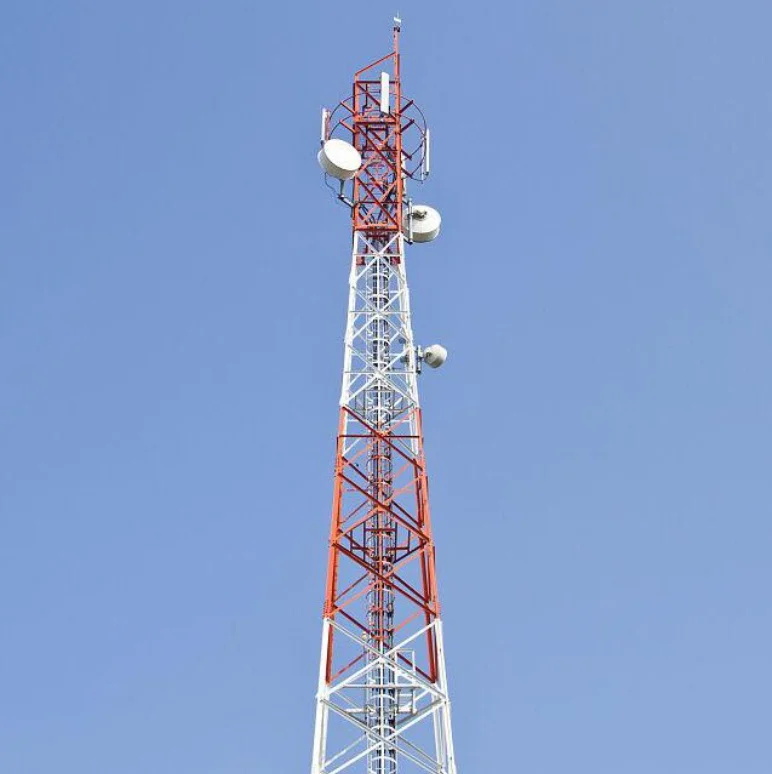
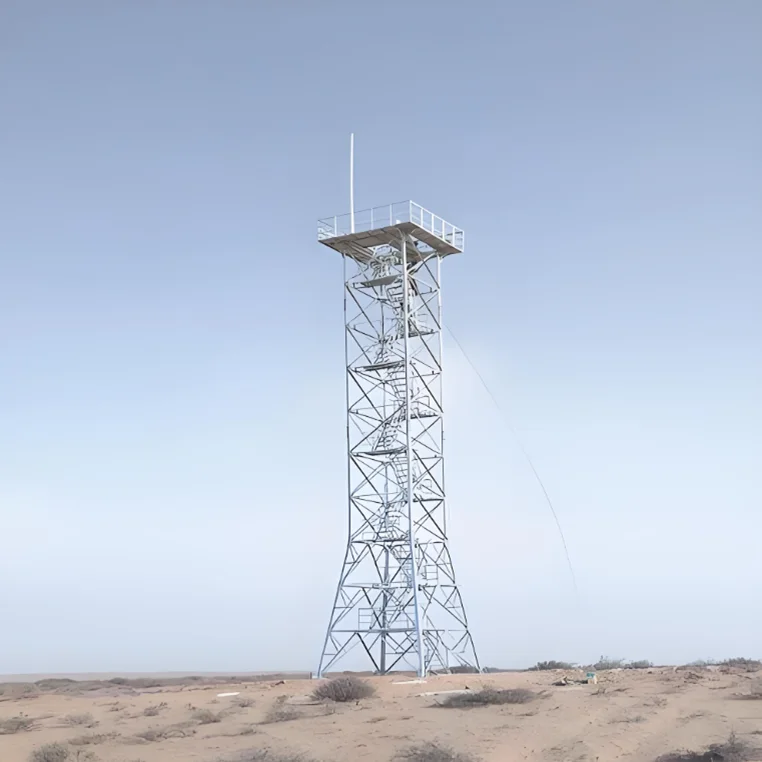
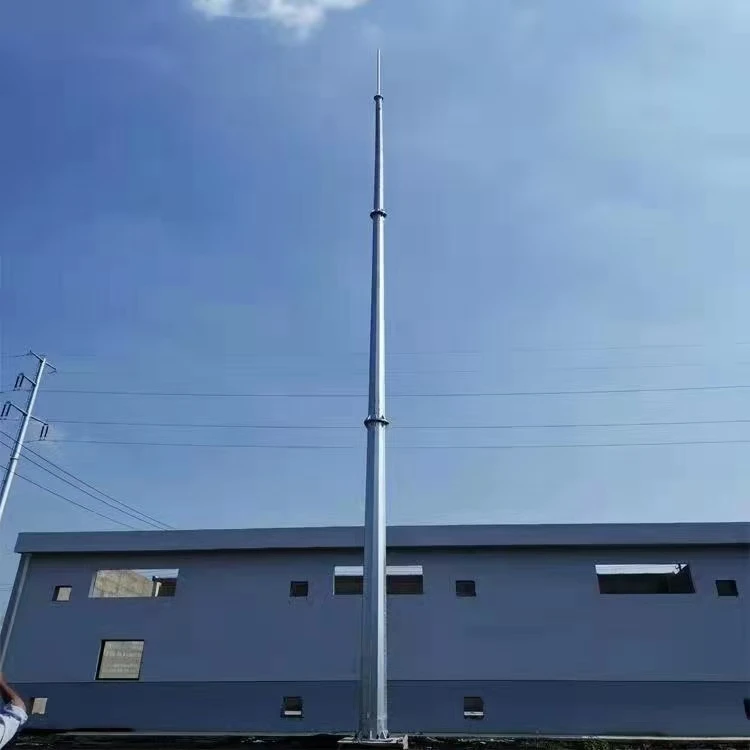
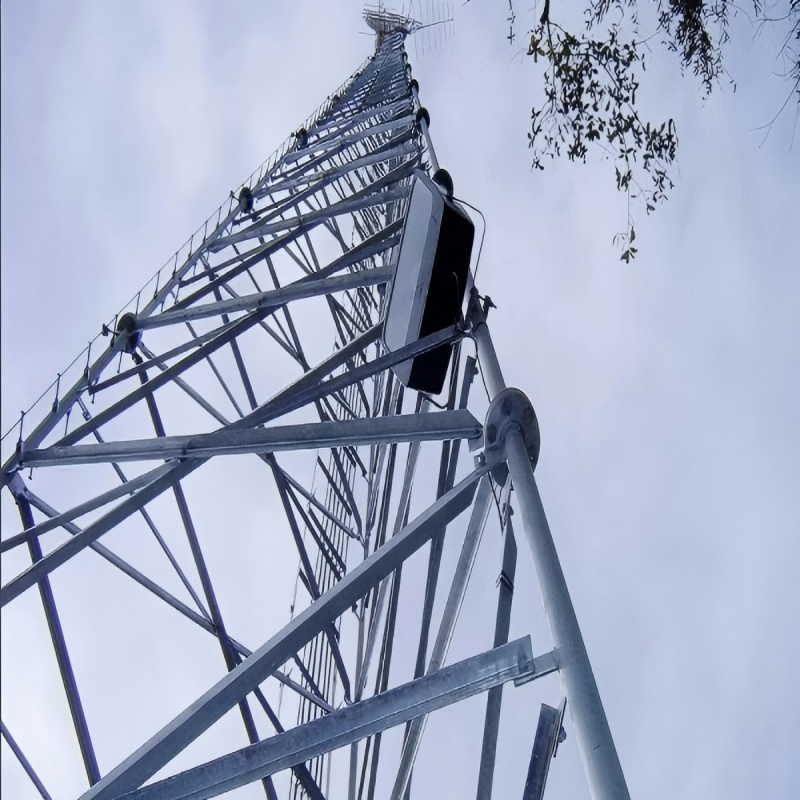
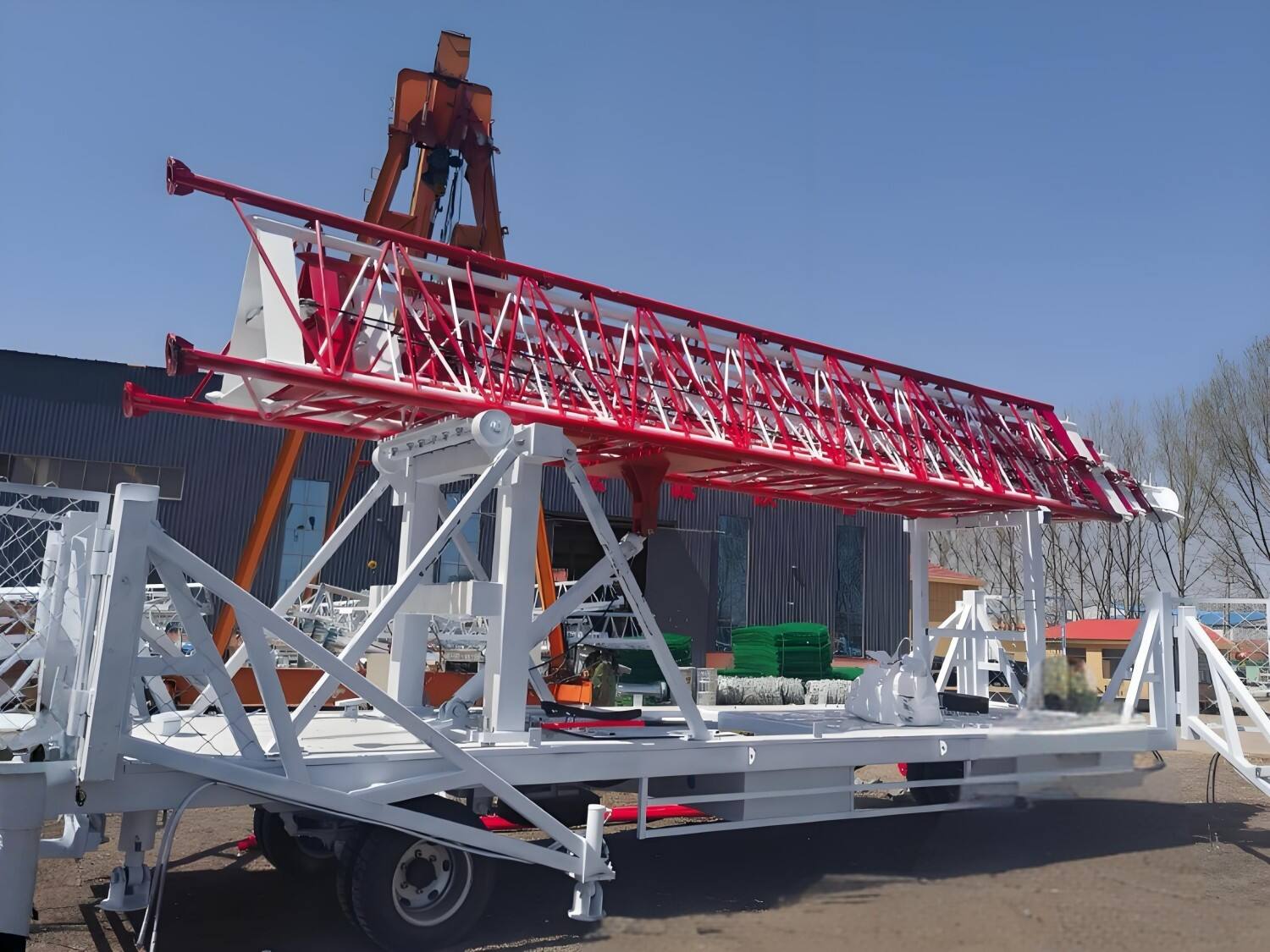
A radio mast tower represents a critical infrastructure component that serves as the backbone of modern telecommunications systems. These vertical structures are specifically engineered to support antennas and transmission equipment at optimal heights, enabling efficient broadcast and communication services across vast geographic areas. The fundamental purpose of a radio mast tower is to provide elevated positioning for radio frequency equipment, maximizing signal coverage while minimizing interference from terrestrial obstacles such as buildings, hills, and vegetation. The design of these towers incorporates advanced engineering principles that ensure structural integrity under various environmental conditions including high winds, seismic activity, and extreme weather events. Modern radio mast tower construction utilizes high-grade steel materials with galvanized coatings to prevent corrosion and extend operational lifespan. The technological features integrated into contemporary radio mast tower designs include sophisticated grounding systems that protect equipment from electrical surges, modular construction techniques that facilitate rapid installation and maintenance, and adaptive mounting systems that accommodate multiple antenna configurations. These towers support diverse applications spanning commercial broadcasting, cellular communications, emergency services, military operations, and amateur radio activities. The height specifications for radio mast tower installations can range from modest 30-foot structures for local applications to towering installations exceeding 2000 feet for wide-area coverage requirements. Advanced radio mast tower systems incorporate remote monitoring capabilities that allow operators to assess structural health, environmental conditions, and equipment performance from centralized control centers. The strategic placement of radio mast tower installations considers factors such as population density, terrain characteristics, regulatory requirements, and signal propagation patterns to optimize communication effectiveness and return on investment for service providers.





 EN
EN