radio masts and towers
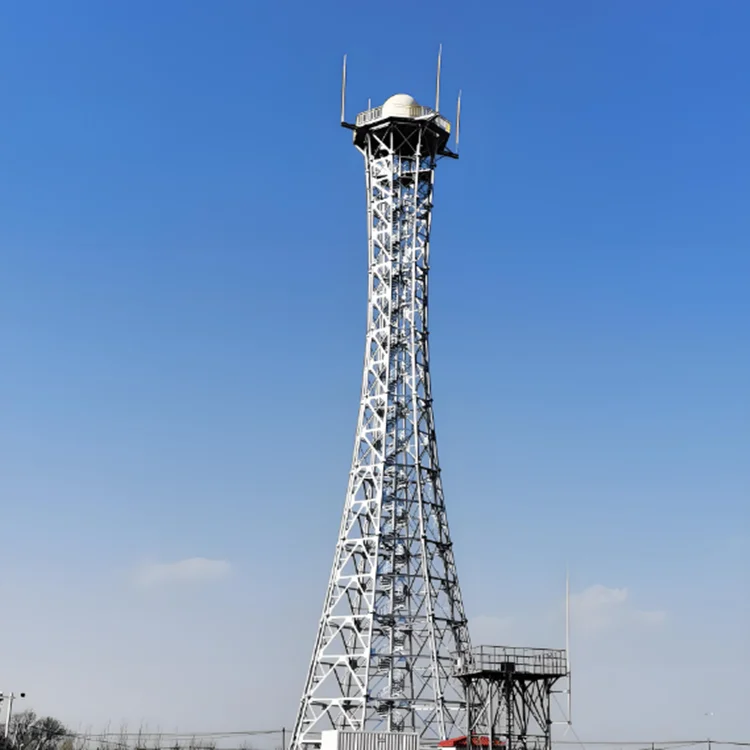
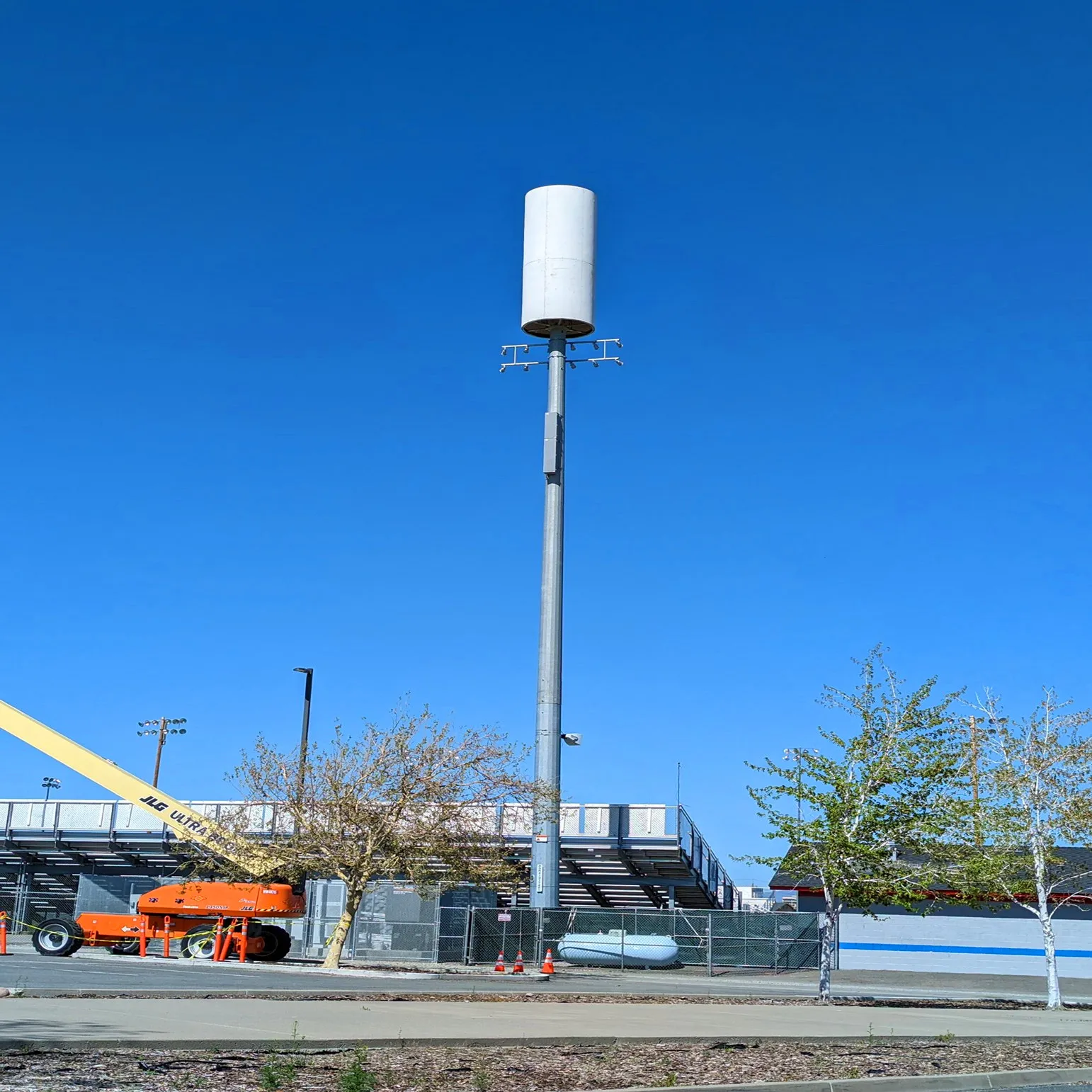
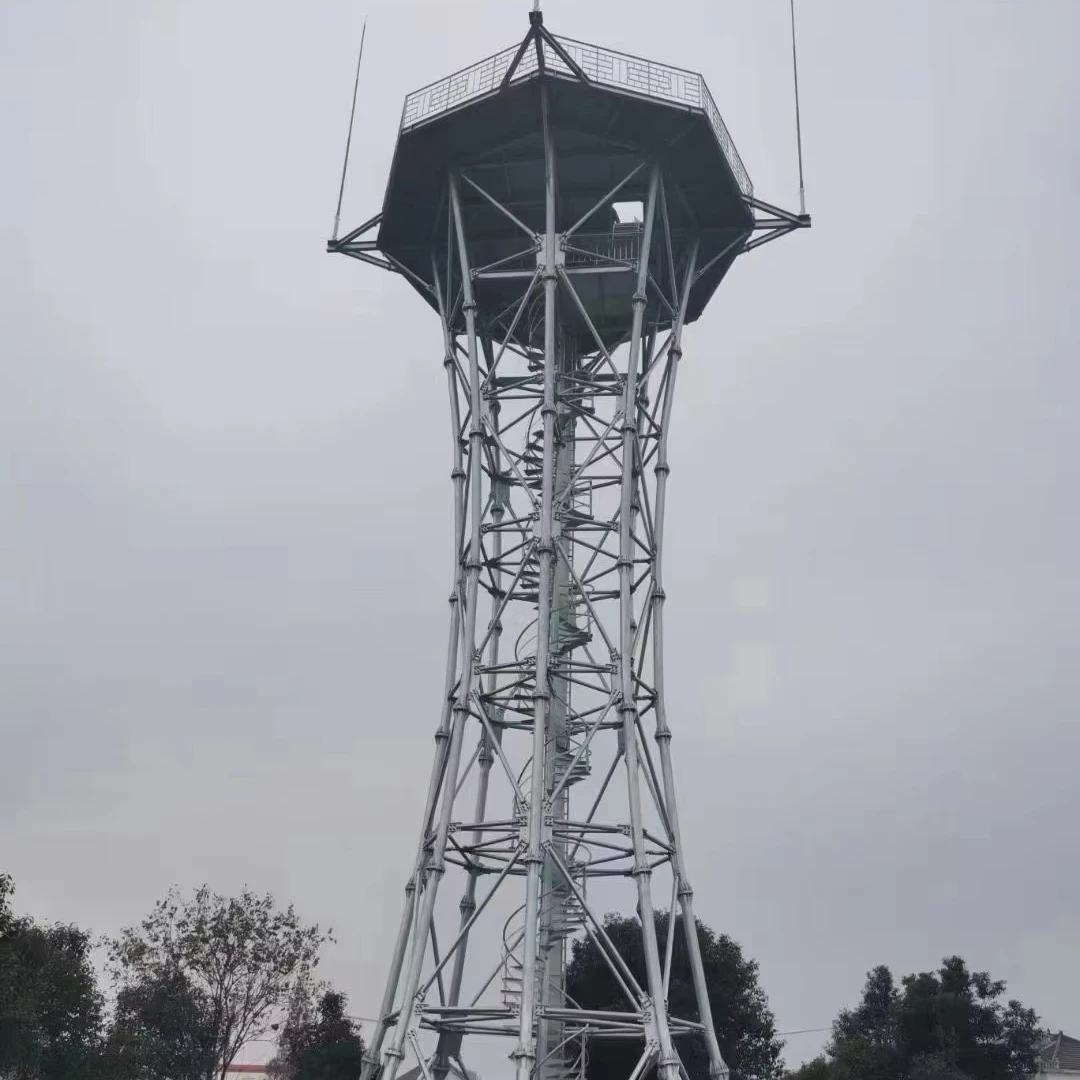
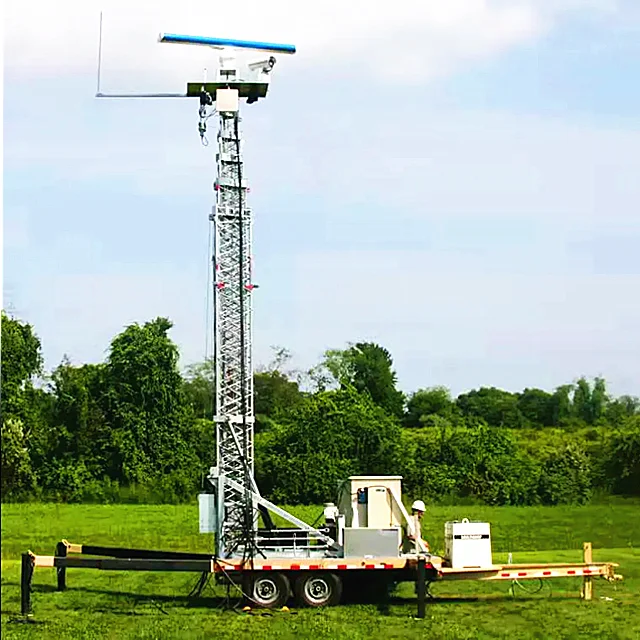
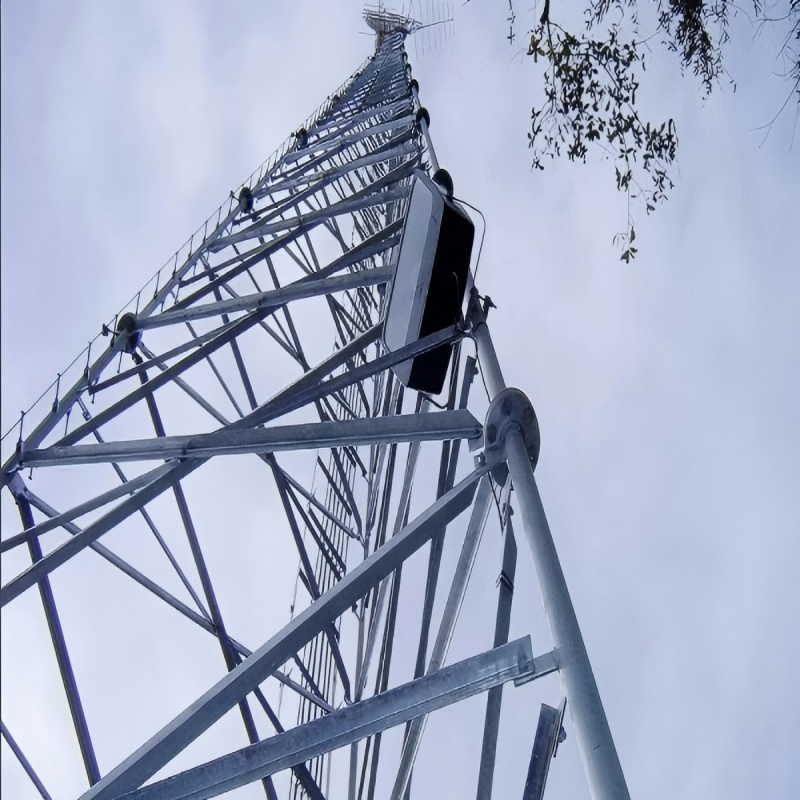
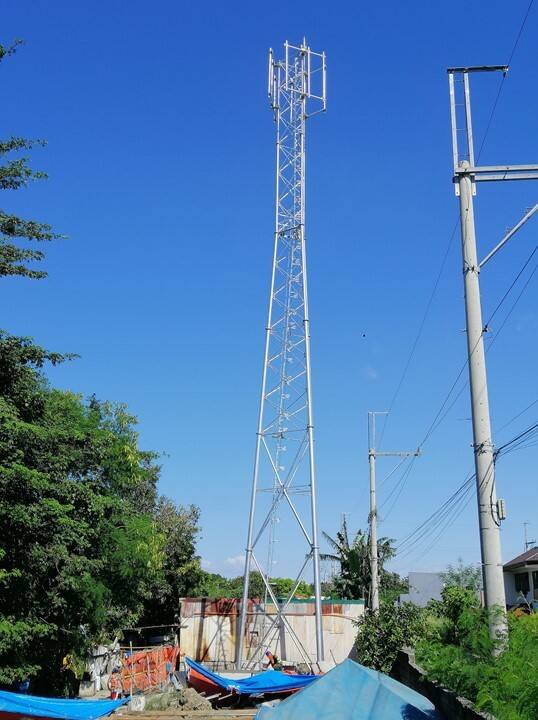
Radio masts and towers represent critical infrastructure components that form the backbone of modern telecommunications and broadcasting systems worldwide. These towering structures serve as elevated platforms for mounting various communication equipment, including antennas, transmitters, receivers, and relay equipment essential for wireless signal transmission and reception. Radio masts and towers enable seamless connectivity across vast geographical areas by providing the necessary height and structural support to overcome natural obstacles such as buildings, hills, and terrain variations that would otherwise impede signal propagation. The primary function of radio masts and towers involves facilitating long-distance communication through electromagnetic wave transmission, supporting everything from cellular phone networks and television broadcasting to emergency services communication and satellite uplinks. Modern radio masts and towers incorporate advanced engineering technologies, featuring robust steel or concrete construction designed to withstand extreme weather conditions including high winds, ice loading, and seismic activity. These structures typically range from modest heights of 30 meters for local applications to impressive heights exceeding 600 meters for wide-area coverage requirements. Technological features of contemporary radio masts and towers include sophisticated foundation systems, lightning protection mechanisms, aircraft warning systems, and modular antenna mounting configurations that allow for easy equipment upgrades and maintenance. The versatility of radio masts and towers makes them indispensable across numerous applications including commercial broadcasting, cellular telecommunications, public safety communications, military operations, meteorological monitoring, and aviation navigation systems. Their strategic placement ensures optimal signal coverage patterns while minimizing interference and maximizing transmission efficiency. Radio masts and towers continue evolving to accommodate emerging technologies such as 5G networks, Internet of Things applications, and next-generation broadcasting standards, making them essential investments for organizations seeking reliable, long-term communication solutions.






 EN
EN