Guyed Transmission Tower Solutions: Cost-Effective Power Infrastructure with Superior Load Distribution

Get a Free Quote

Our representative will contact you soon.
Email
Name
Company Name
Message
0/1000

guyed transmission tower

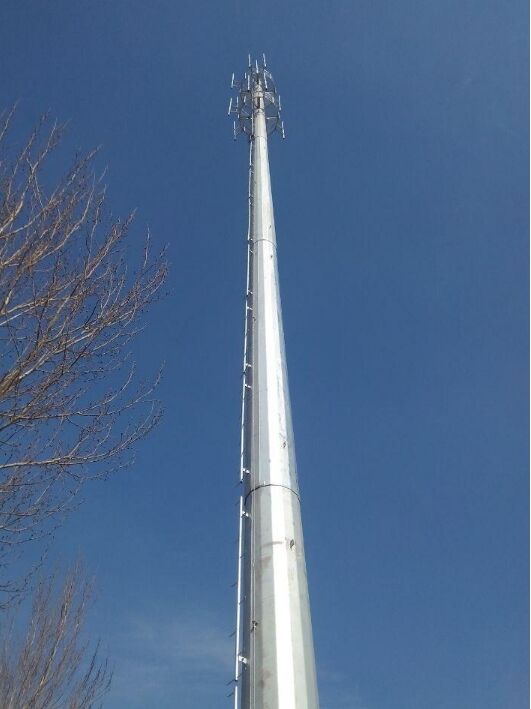
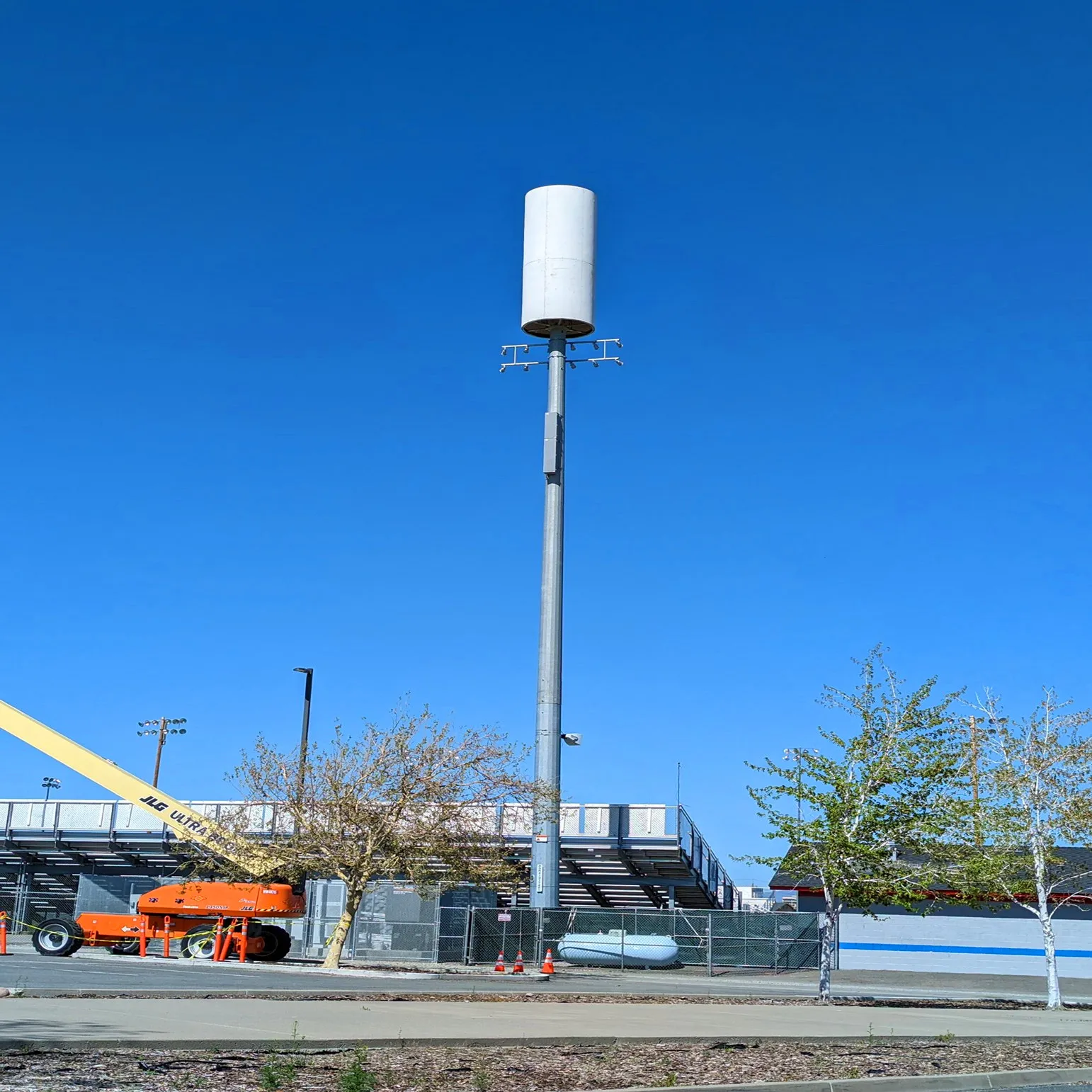
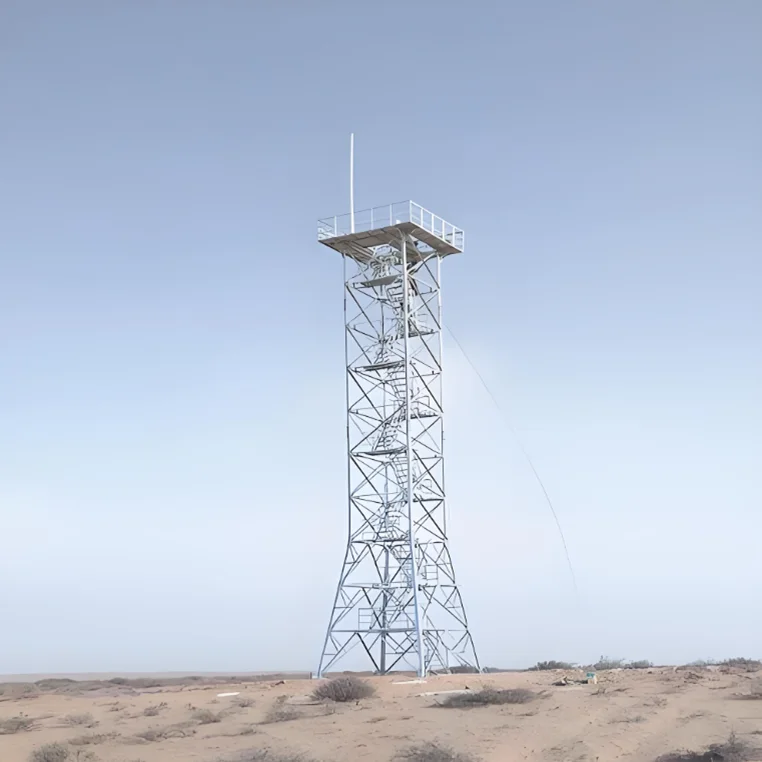
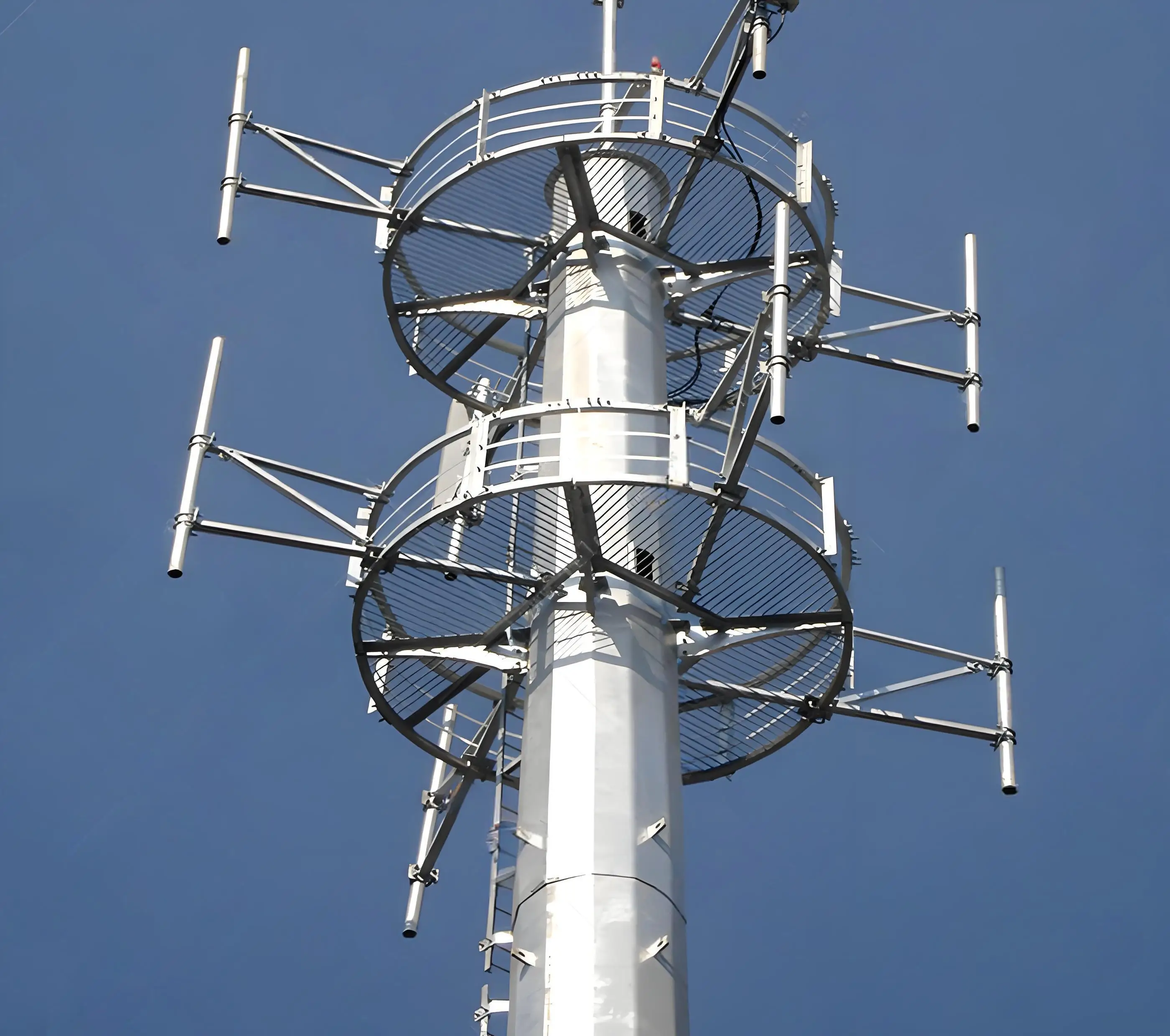
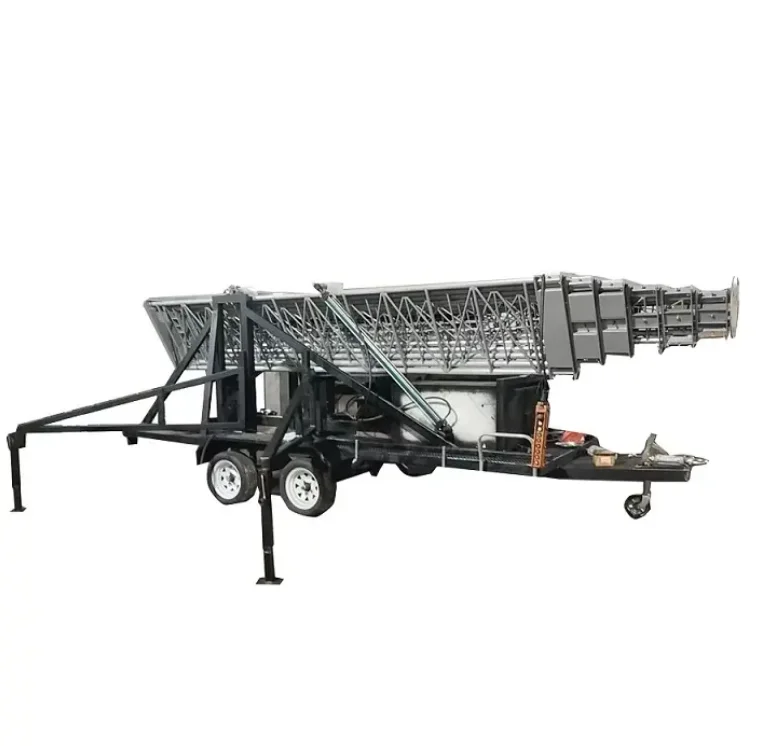
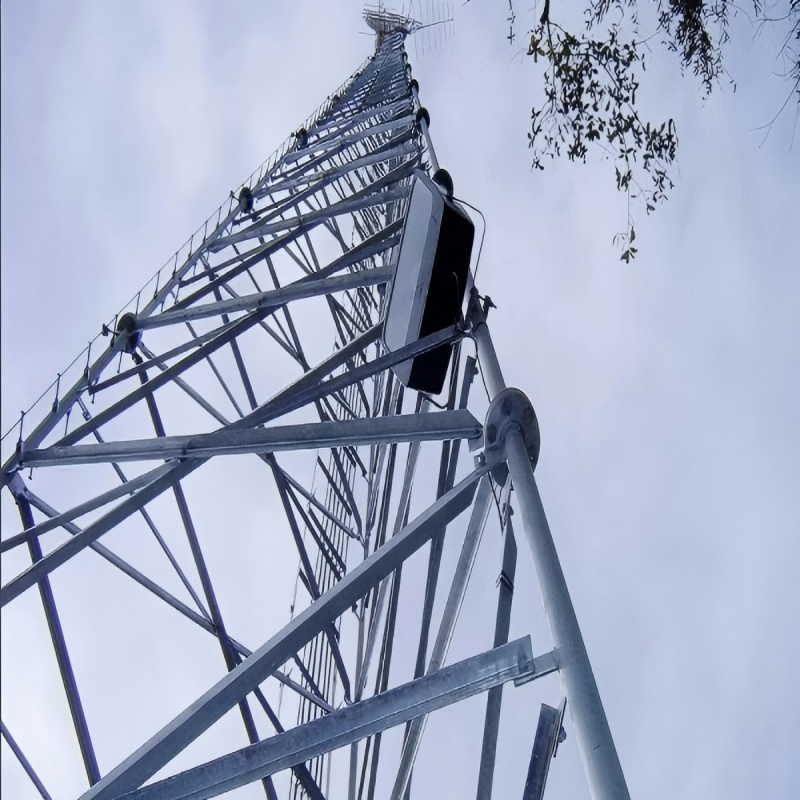
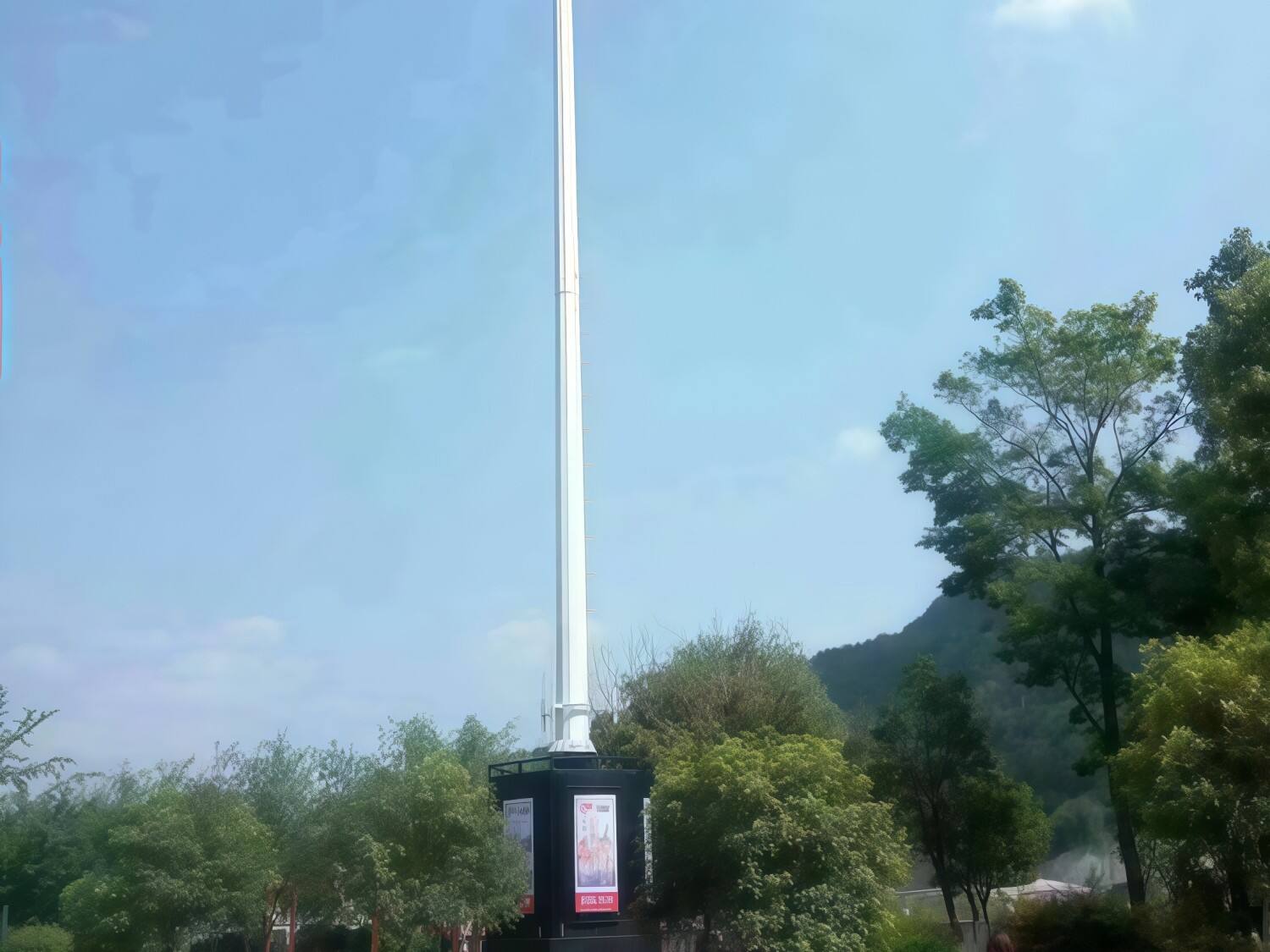
The guyed transmission tower represents a fundamental infrastructure component in modern electrical power distribution systems, serving as a critical support structure for high-voltage transmission lines across vast distances. This engineering marvel utilizes a sophisticated system of guy wires and anchors to maintain structural stability while supporting heavy electrical conductors and equipment. The primary function of a guyed transmission tower revolves around safely elevating power lines to appropriate heights, ensuring adequate ground clearance while minimizing electromagnetic interference and maintaining reliable electrical transmission. These structures typically feature a central mast or tower shaft constructed from high-strength steel, supported by multiple guy wires extending at strategic angles to ground-based anchor points. The technological features of guyed transmission towers include advanced materials engineering, precise geometric calculations for optimal load distribution, and specialized hardware designed to withstand extreme weather conditions including high winds, ice loading, and seismic activity. The tower design incorporates multiple levels of redundancy, ensuring that even if individual components experience stress or failure, the overall structure maintains its integrity and continues supporting the electrical infrastructure. Modern guyed transmission towers often integrate innovative technologies such as corrosion-resistant coatings, lightning protection systems, and monitoring equipment that provides real-time structural health data. Applications for these towers span diverse environments, from rural agricultural areas where long spans are required to cross valleys and rivers, to industrial zones where reliable power transmission is essential for manufacturing operations. The versatility of guyed transmission tower designs allows for customization based on specific geographical conditions, electrical load requirements, and environmental considerations, making them suitable for both temporary installations during construction projects and permanent infrastructure development in expanding electrical grid networks.

New Products

Guyed transmission towers offer numerous compelling advantages that make them the preferred choice for many electrical infrastructure projects worldwide. The most significant benefit lies in their exceptional cost-effectiveness compared to self-supporting tower alternatives. By utilizing guy wires to provide lateral stability, these towers require substantially less steel material in their construction, resulting in lower material costs and reduced transportation expenses. This economic efficiency extends beyond initial construction, as the simplified design reduces manufacturing complexity and accelerates installation timelines. The structural performance of guyed transmission towers surpasses many traditional designs, particularly in handling extreme weather conditions. The guy wire system distributes loads across multiple anchor points, creating a network of support that effectively manages wind loads, ice accumulation, and dynamic forces that would challenge conventional towers. This distributed load approach enhances overall system reliability and reduces the risk of catastrophic failure during severe weather events. Installation flexibility represents another major advantage, as guyed transmission towers can be erected in locations where other tower types would prove impractical or impossible. The compact footprint of the central tower structure allows placement in confined spaces, while the guy wire anchors can be positioned to work around existing obstacles such as roads, buildings, or natural features. This adaptability proves invaluable in urban environments or challenging terrain where space constraints limit construction options. Maintenance requirements for guyed transmission towers remain relatively minimal due to their simple yet robust design. The accessible guy wire connections and straightforward structural elements facilitate routine inspections and repairs, reducing long-term operational costs. Additionally, the modular nature of many guyed tower systems allows for component replacement or upgrades without requiring complete structure replacement. The environmental impact of guyed transmission towers is notably lower than alternatives, as they require less raw material consumption during manufacturing and create smaller foundations that minimize ground disturbance during installation. This environmentally conscious approach aligns with modern sustainability goals while delivering superior performance characteristics that ensure decades of reliable service in electrical transmission applications.

Practical Tips

Tower Talk: The Great Self - Standing vs Guyed Tower Debate

13

Oct

Tower Talk: The Great Self - Standing vs Guyed Tower Debate

View More
The Urban Chameleons: Tree-Like Towers

13

Oct

The Urban Chameleons: Tree-Like Towers

View More
Comprehensive Guide to Communication Tower Design and Procurement

27

Oct

Comprehensive Guide to Communication Tower Design and Procurement

View More
Hebei Junhao: A Shining Star in the Communication Tower Field

27

Oct

Hebei Junhao: A Shining Star in the Communication Tower Field

View More

Get a Free Quote

Our representative will contact you soon.
Email
Name
Company Name
Message
0/1000

guyed transmission tower

Superior Load Distribution Technology

Superior Load Distribution Technology

The guyed transmission tower employs an innovative load distribution system that fundamentally revolutionizes how structural forces are managed in electrical transmission infrastructure. This advanced engineering approach utilizes strategically positioned guy wires that extend from multiple levels of the central tower to carefully calculated anchor points on the ground, creating a three-dimensional support network that efficiently distributes both vertical and horizontal loads. The genius of this system lies in its ability to transform potentially destructive forces into manageable tensions that are spread across multiple support points rather than concentrated on a single structural element. When wind forces act upon the tower and its conductors, the guy wire system immediately responds by redistributing these loads through the wire network, effectively reducing stress concentrations that could lead to structural failure. This load distribution technology proves particularly valuable during extreme weather events, where ice loading can dramatically increase the weight burden on transmission lines while simultaneously creating aerodynamic surfaces that catch wind. The mathematical precision involved in calculating optimal guy wire angles and tensions ensures that each element of the support system operates within its designed capacity while providing maximum structural benefit. Modern guyed transmission towers incorporate sophisticated computer modeling during their design phase, allowing engineers to simulate various loading scenarios and optimize the guy wire configuration for specific installation conditions. This technological approach results in structures that not only meet current electrical transmission requirements but also provide substantial safety margins for unexpected loading conditions. The redundancy built into the guy wire system means that even if individual wires experience damage or failure, the remaining elements continue to provide adequate support, ensuring continuous operation of critical electrical infrastructure. This superior load distribution technology translates directly into enhanced reliability for electrical grid operators and reduced maintenance costs over the structure's operational lifetime.
Cost-Effective Construction and Installation

Cost-Effective Construction and Installation

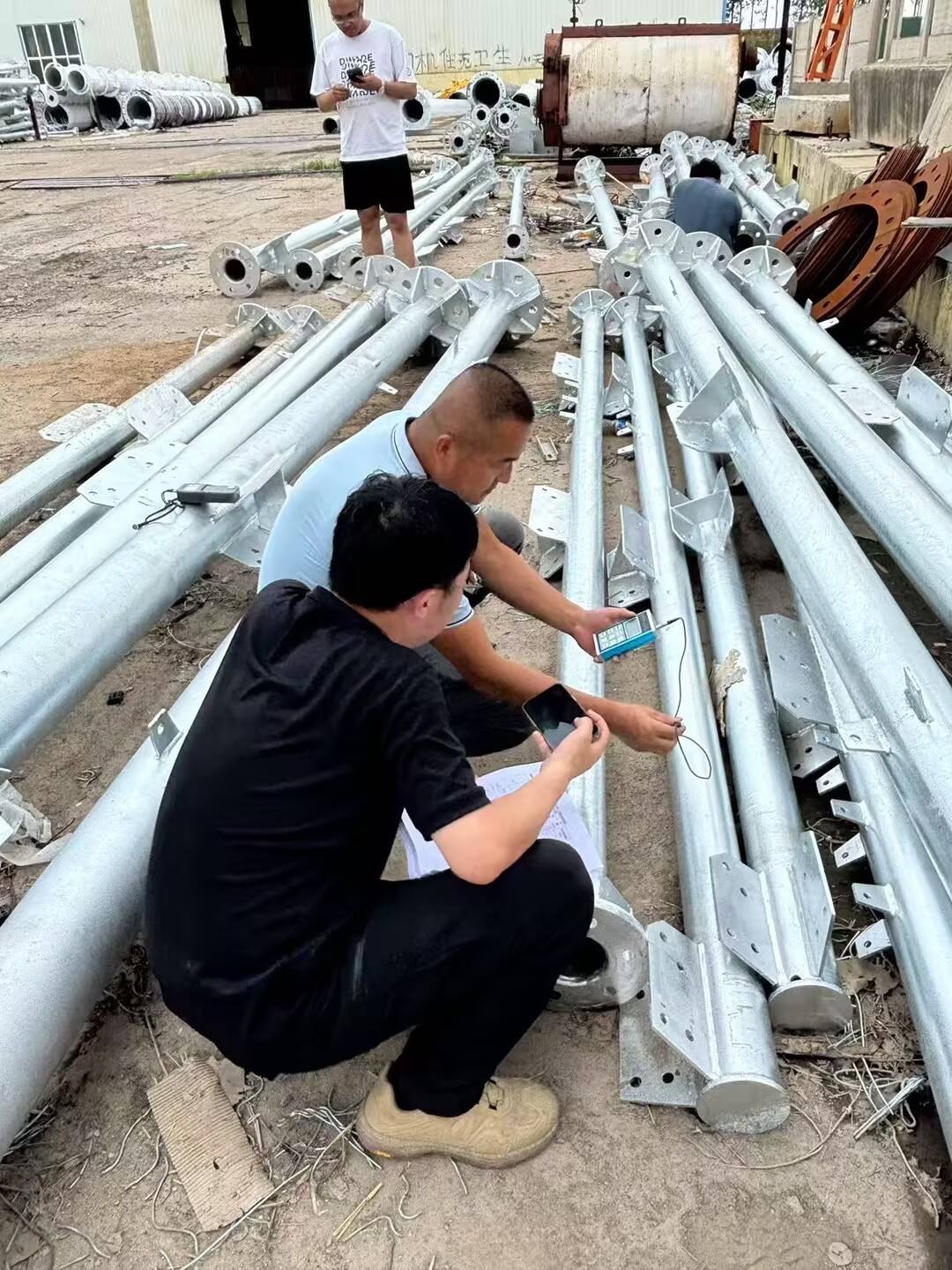
The economic advantages of guyed transmission towers stem from their fundamentally efficient design philosophy that maximizes structural performance while minimizing material consumption and installation complexity. This cost-effective approach begins with the reduced steel requirements inherent in the guyed design, where the central tower structure can be significantly lighter and more slender than equivalent self-supporting towers because the guy wire system provides the necessary lateral stability. The material savings typically range from thirty to fifty percent compared to traditional tower designs, resulting in substantial cost reductions that benefit project budgets while maintaining structural integrity and performance standards. Transportation costs represent another significant economic advantage, as the lighter tower components require fewer trucks for delivery to installation sites, and the modular design allows for efficient loading configurations that maximize shipping efficiency. The guy wires themselves add minimal transportation burden due to their compact coiled form, yet they provide tremendous structural value once installed. Installation procedures for guyed transmission towers have been refined over decades of practical application, resulting in streamlined processes that minimize construction time and labor requirements. The sequential installation approach allows crews to erect the central tower structure first, then systematically install and tension the guy wires, providing immediate stability as each element is added. This methodical approach reduces construction risk while maintaining quality control throughout the installation process. The foundation requirements for guyed transmission towers often prove more economical than alternatives, as the central tower foundation can be smaller due to reduced loading, while guy wire anchors utilize standard designs that have been proven effective across diverse soil conditions. Specialized foundation equipment or complex concrete work is rarely required, further contributing to project cost savings. Long-term economic benefits continue throughout the operational life of guyed transmission towers, as their simple mechanical design reduces maintenance complexity and associated costs while providing reliable service that minimizes expensive emergency repairs or premature replacement requirements.
Exceptional Adaptability to Diverse Environments

Exceptional Adaptability to Diverse Environments

Guyed transmission towers demonstrate remarkable adaptability that enables successful installation and operation across an extraordinary range of environmental conditions and geographical challenges. This exceptional versatility stems from the inherent flexibility of the guy wire support system, which can be configured to accommodate virtually any terrain or spatial constraint encountered in transmission line development projects. In mountainous regions where conventional towers might require extensive site preparation or prove impossible to install, guyed transmission towers can be positioned on slopes and uneven terrain by adjusting guy wire lengths and anchor positions to maintain proper structural geometry. The ability to place anchor points at varying elevations and distances from the central tower provides engineers with unprecedented flexibility in adapting to challenging topographical conditions. Urban environments present unique constraints that guyed transmission towers handle exceptionally well, as the compact central structure can be positioned in limited spaces while guy wire anchors are strategically located to avoid interference with existing infrastructure, roads, or buildings. This adaptability proves invaluable when transmission lines must traverse developed areas where right-of-way limitations would otherwise prevent conventional tower installation. The modular nature of guyed transmission tower systems allows for customization based on specific electrical requirements, environmental conditions, and regulatory constraints. Engineers can select from various tower heights, conductor configurations, and guy wire arrangements to create solutions that precisely match project requirements while maintaining optimal structural performance. Climate adaptability represents another crucial advantage, as guyed transmission towers can be engineered to withstand extreme temperature variations, corrosive environments, seismic activity, and severe weather conditions including hurricanes, tornadoes, and heavy ice storms. The distributed support system inherently provides better resistance to dynamic loading conditions compared to rigid tower structures that must absorb all forces through their base connections. Environmental sensitivity considerations are seamlessly addressed through careful anchor placement that minimizes ecological disruption while maintaining structural effectiveness. This environmental adaptability extends to sensitive areas such as wetlands, wildlife corridors, and protected habitats where minimal ground disturbance is essential for regulatory compliance and environmental stewardship.
Get a Free Quote

Our representative will contact you soon.
Email
Name
Company Name
Message
0/1000