Advanced Structural Engineering and Durability
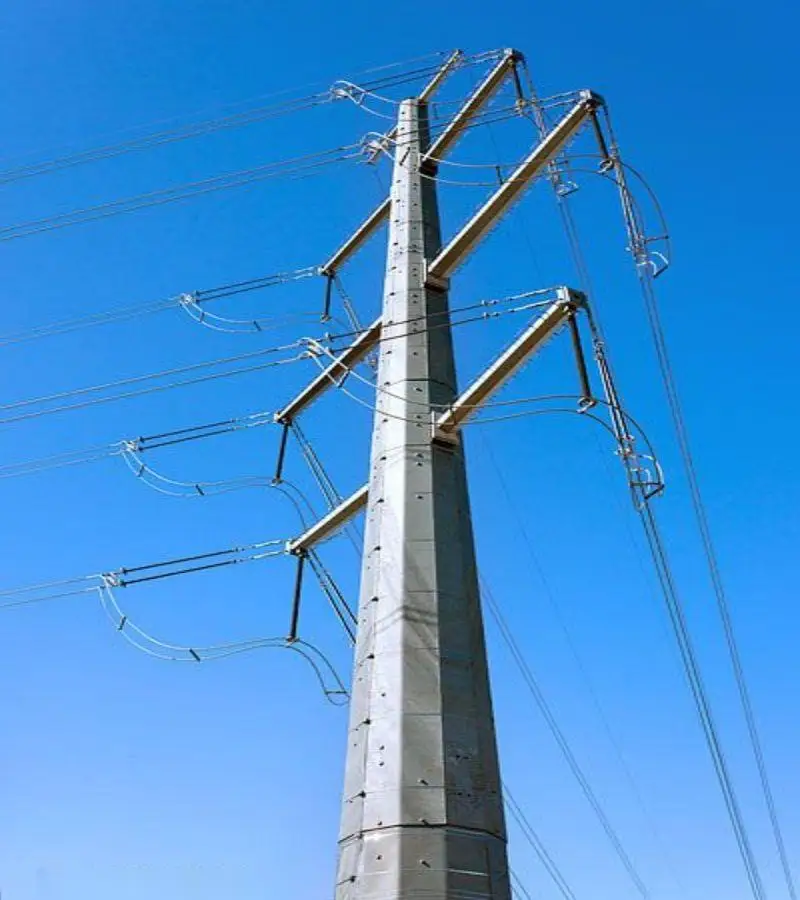
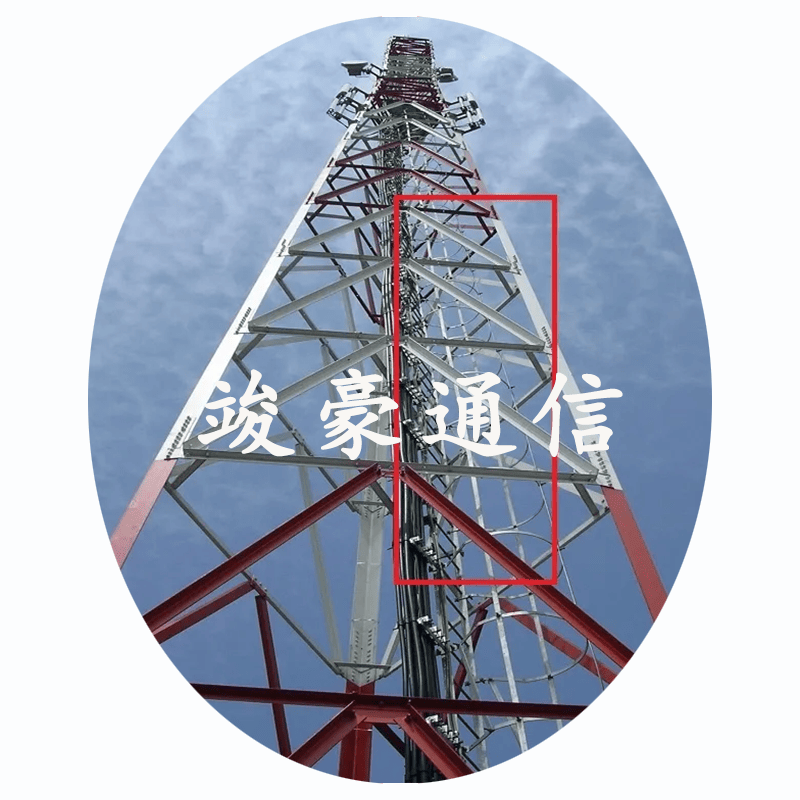
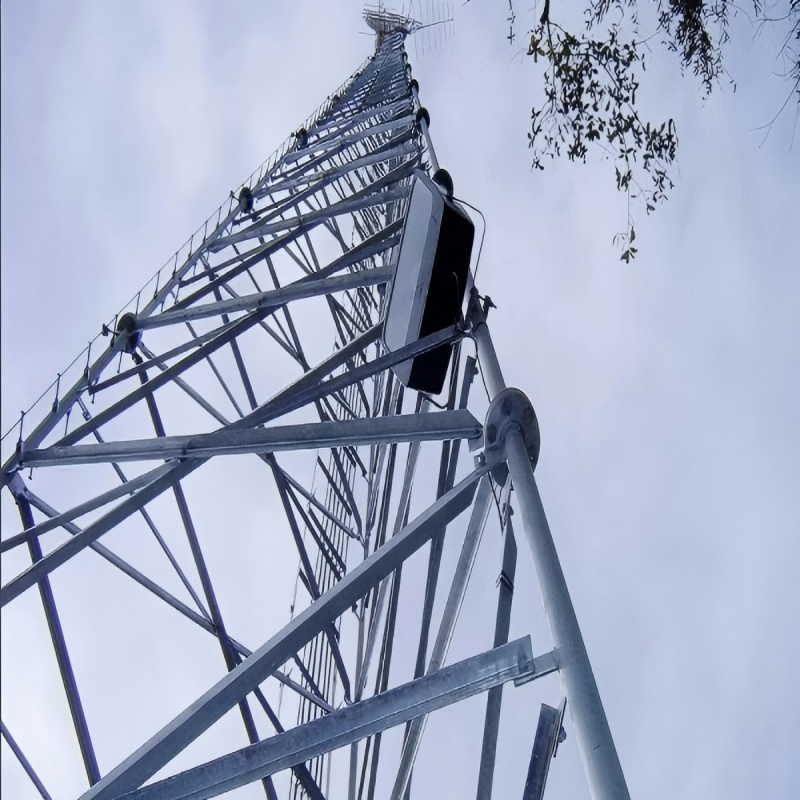
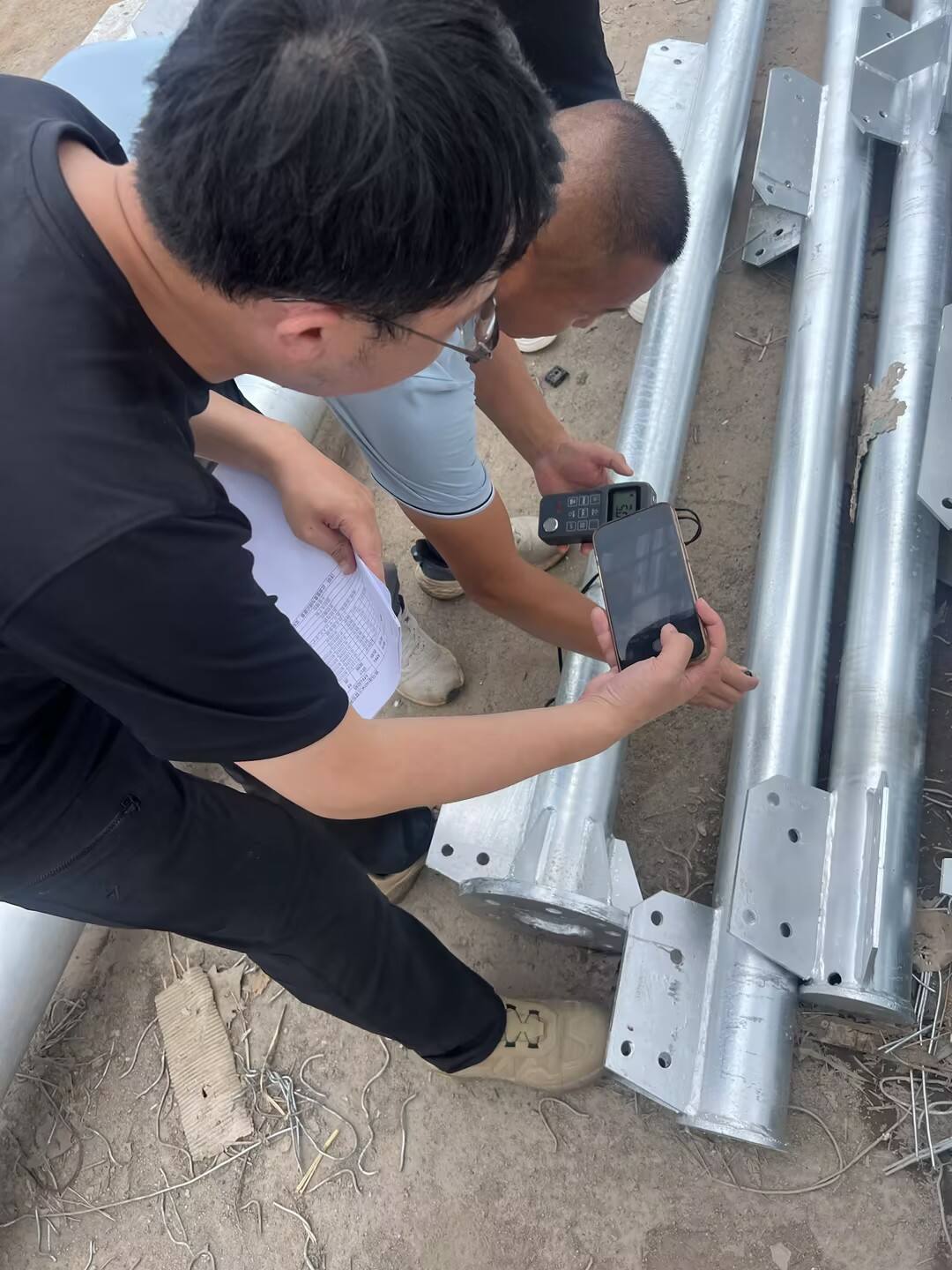
Electric power transmission towers represent the pinnacle of structural engineering excellence, incorporating cutting-edge design methodologies that ensure exceptional performance under the most challenging environmental conditions. These towers utilize high-strength galvanized steel components that undergo rigorous quality testing to meet or exceed international safety standards. The lattice framework design principle distributes mechanical loads uniformly throughout the structure, creating redundant load paths that prevent catastrophic failures even if individual members experience damage. Advanced computer modeling and finite element analysis guide the design process, optimizing material usage while maximizing structural capacity and longevity. The hot-dip galvanization process creates a metallurgical bond between the steel substrate and zinc coating, providing superior corrosion protection that can last 50 years or more in typical atmospheric conditions. Electric power transmission towers incorporate specialized foundation systems engineered for specific soil conditions, seismic zones, and environmental factors. The modular design approach enables standardization benefits while accommodating site-specific requirements including terrain variations, conductor configurations, and regulatory compliance needs. Quality control processes ensure consistent manufacturing standards across all components, with detailed inspection protocols at every production stage. The structural design accounts for dynamic loading conditions including conductor galloping, wind-induced vibrations, and thermal expansion effects. Advanced materials such as high-tensile steel alloys provide enhanced strength-to-weight ratios, reducing overall tower mass while maintaining structural integrity. The engineering specifications consider future loading scenarios including additional circuits, upgraded conductors, and changing environmental conditions due to climate variations. Comprehensive testing programs validate structural performance through full-scale prototype testing, materials characterization, and long-term durability assessments. These rigorous engineering practices ensure that electric power transmission towers deliver reliable performance throughout their expected service life while minimizing maintenance requirements and operational costs.


 EN
EN