Advanced Engineering and Custom Design Capabilities
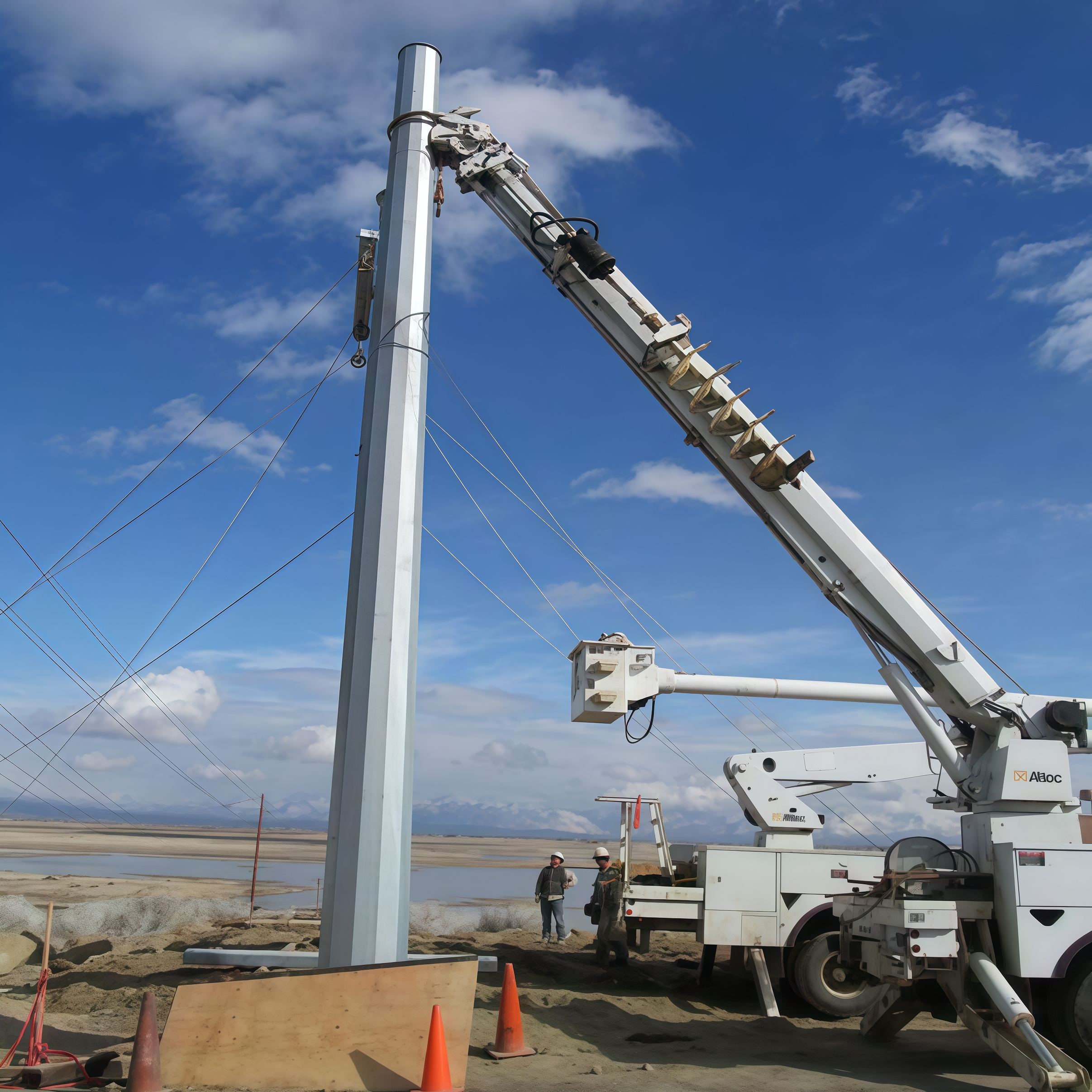
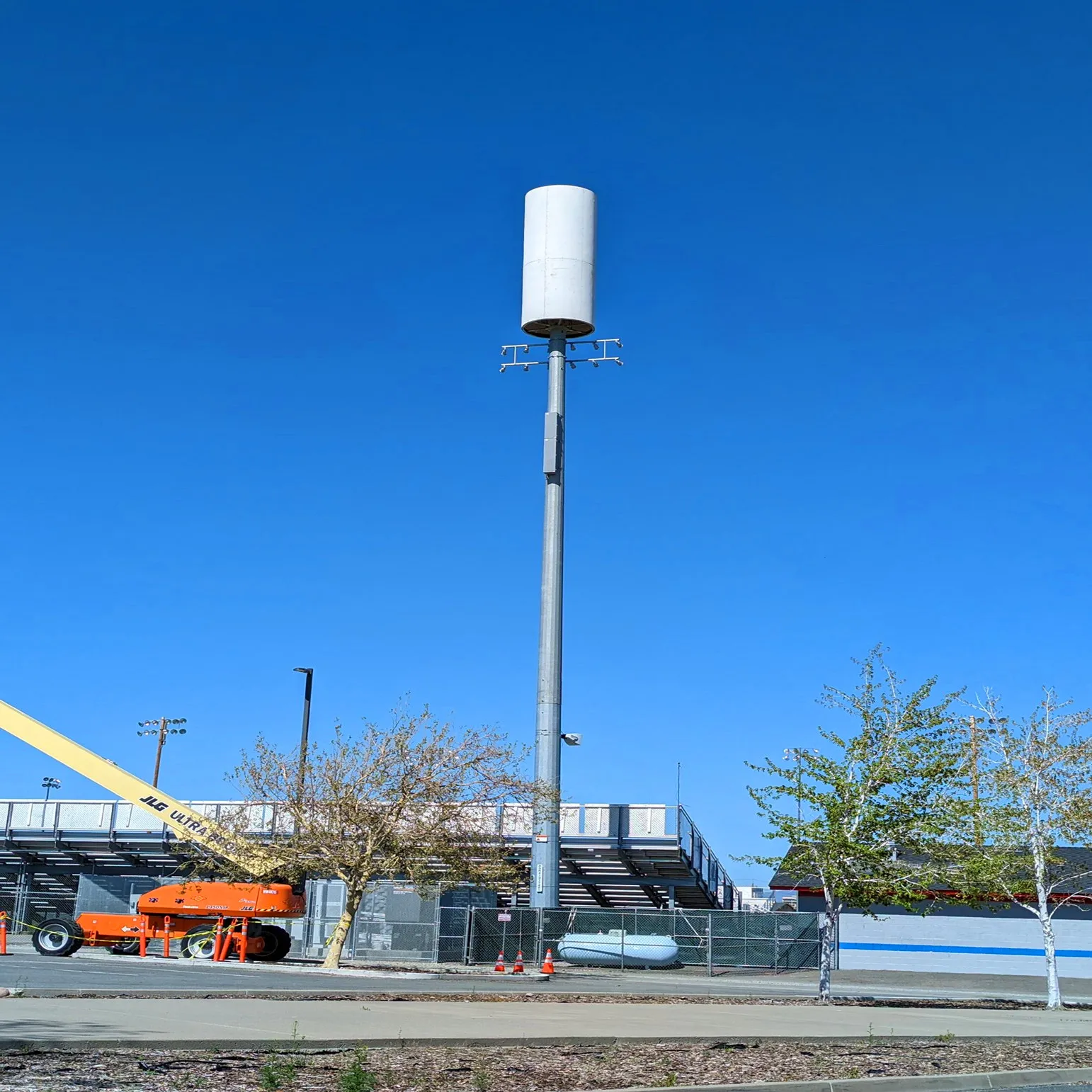
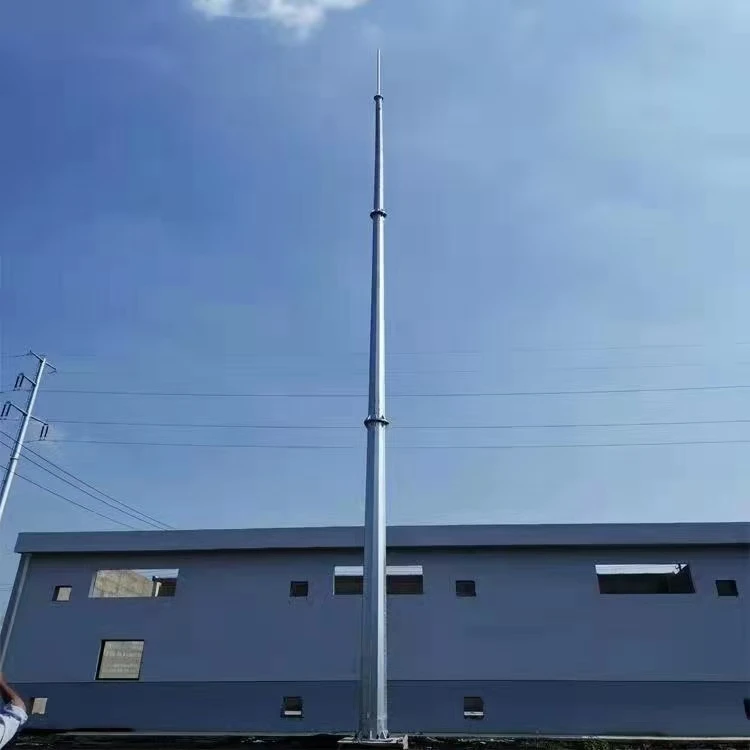
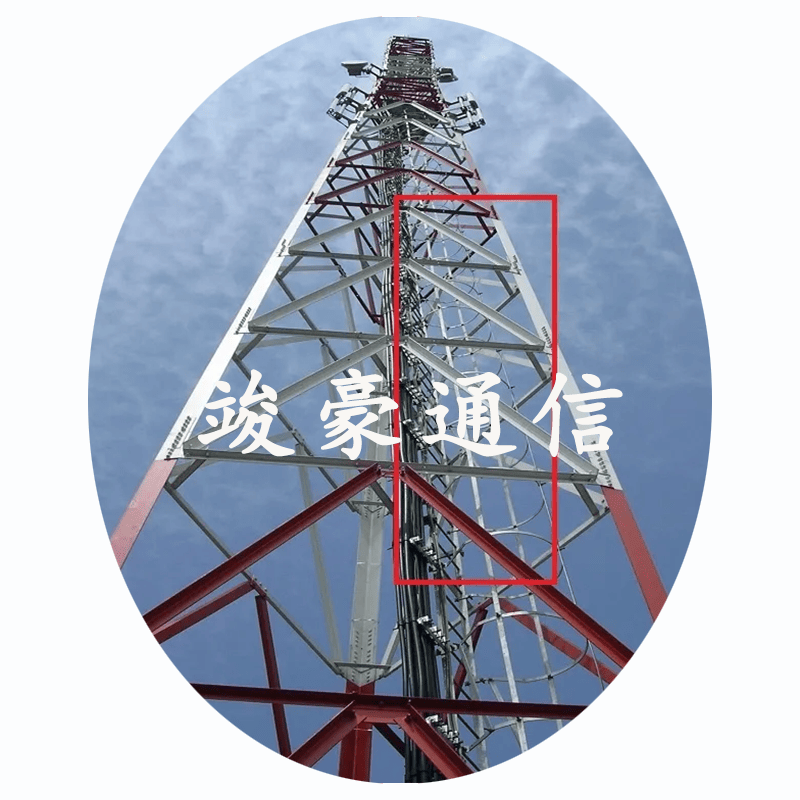
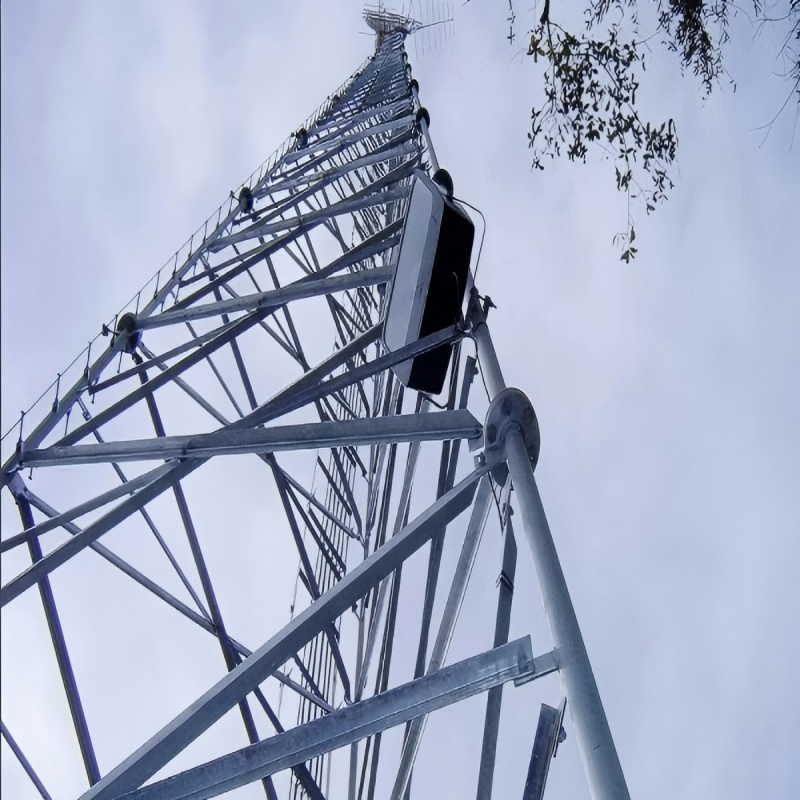
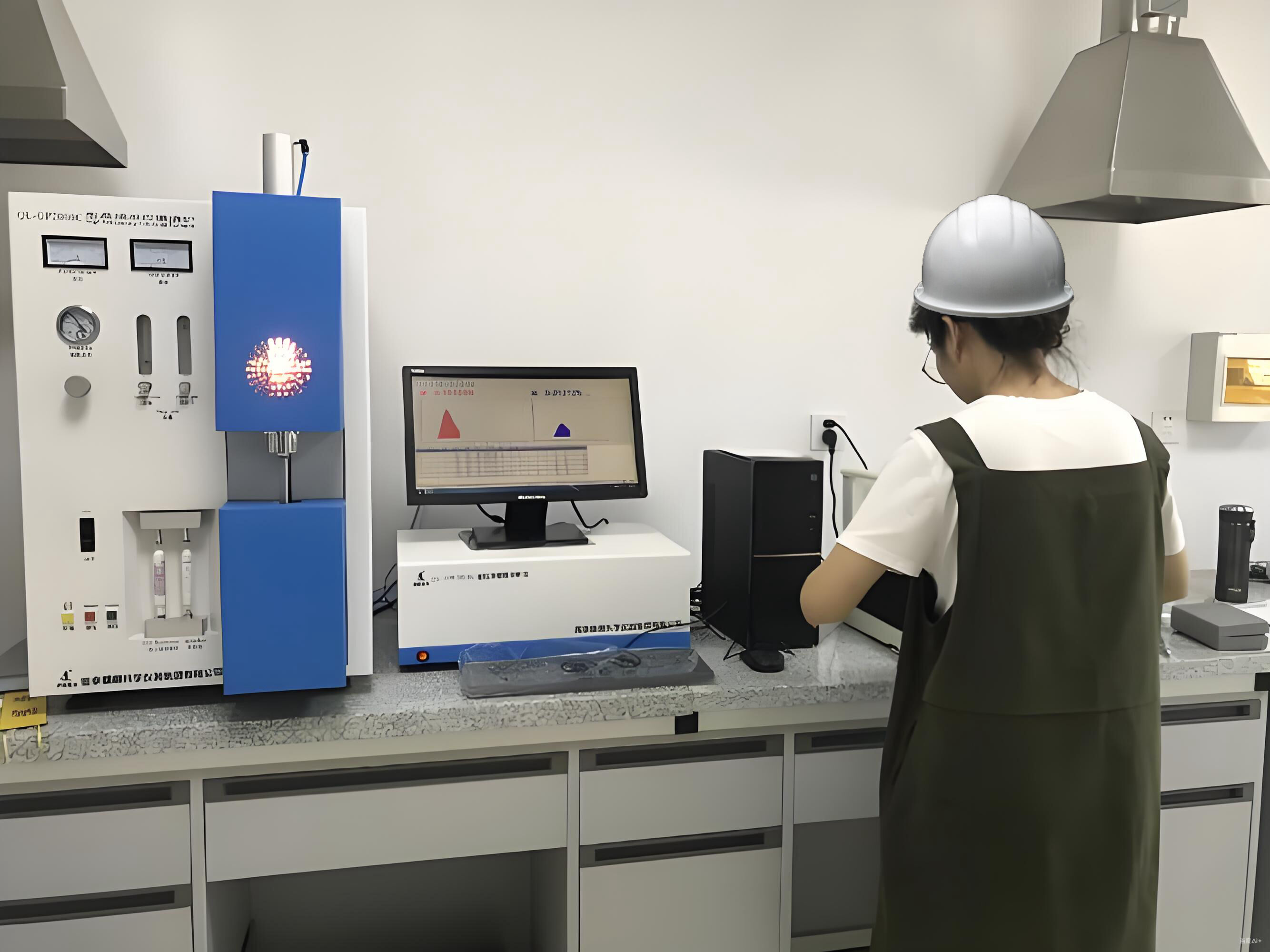
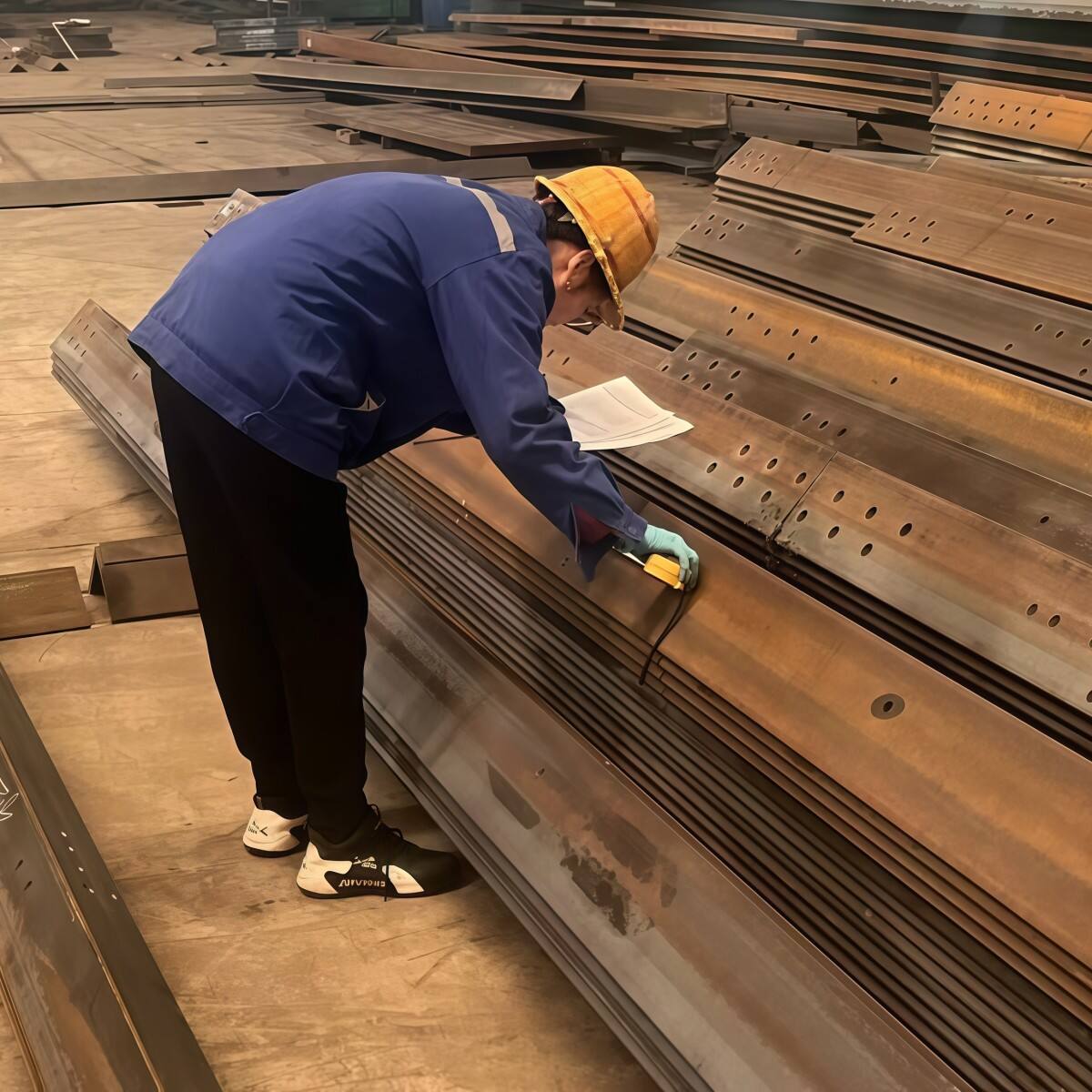
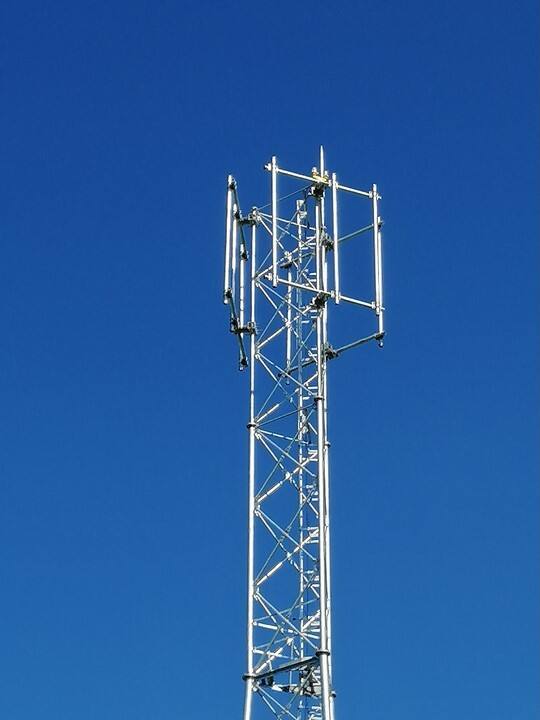
Leading transmission tower suppliers distinguish themselves through sophisticated engineering capabilities that deliver customized solutions for complex infrastructure challenges. These companies employ teams of licensed structural engineers, electrical specialists, and materials scientists who collaborate to develop tower designs optimized for specific environmental conditions, load requirements, and installation constraints. Advanced computer modeling software enables precise analysis of wind loads, ice accumulation, conductor tensions, and seismic forces, ensuring each tower design meets or exceeds safety factors mandated by industry standards. Custom design capabilities extend beyond basic structural requirements to encompass aesthetic considerations for urban environments, wildlife protection features, and specialized mounting systems for emerging technologies such as smart grid sensors and communication equipment. The engineering process typically begins with comprehensive site surveys that evaluate soil conditions, environmental factors, and existing infrastructure constraints. This data informs design decisions regarding foundation types, tower heights, and conductor configurations that optimize performance while minimizing costs. Material selection represents another critical aspect of the design process, with engineers specifying appropriate steel grades, galvanizing specifications, and protective coatings based on local corrosive conditions and expected service life requirements. Many transmission tower suppliers now offer finite element analysis services that provide detailed stress distribution mapping, enabling optimization of material usage without compromising structural integrity. This analytical capability proves particularly valuable for projects involving unusual span lengths, extreme weather exposure, or challenging terrain conditions. Quality control protocols integrated throughout the design process ensure compliance with applicable standards such as ASCE, IEEE, and international equivalents. Documentation packages provided by professional suppliers include detailed fabrication drawings, material specifications, foundation requirements, and assembly instructions that facilitate efficient field construction. The ability to rapidly prototype and test design concepts using advanced manufacturing techniques allows suppliers to validate performance assumptions before full-scale production begins. This comprehensive approach to engineering and design ensures that customers receive transmission towers that perform reliably throughout their intended service life while meeting all regulatory and operational requirements.


 EN
EN