customized transmission tower
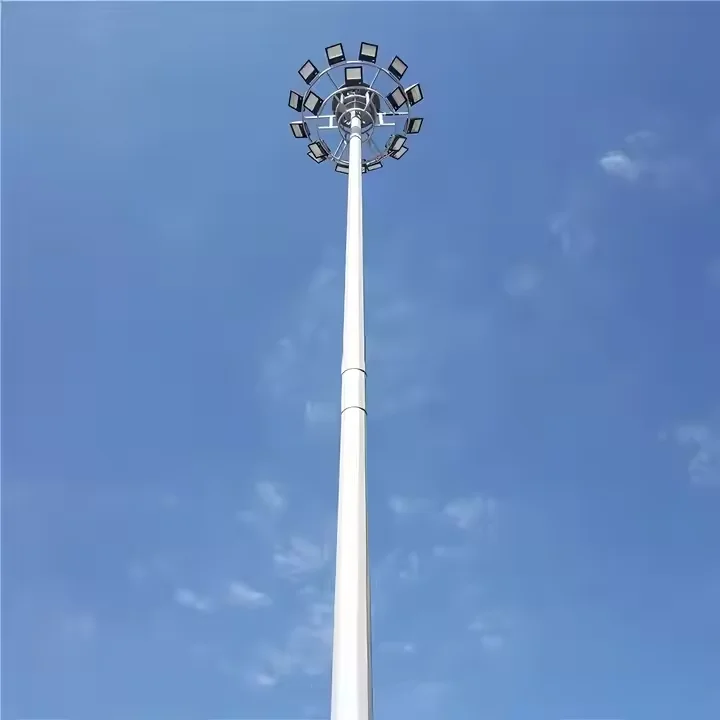
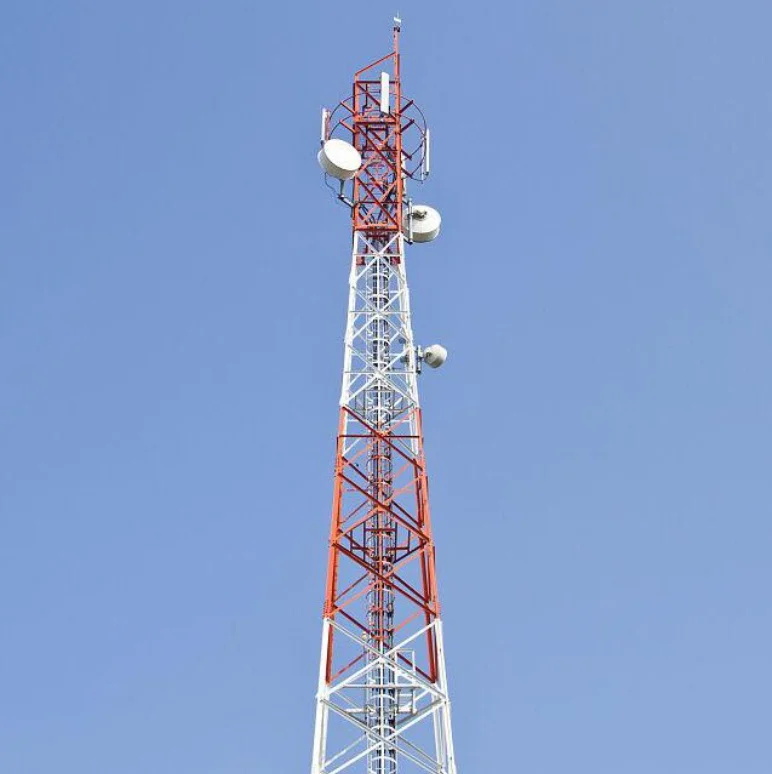
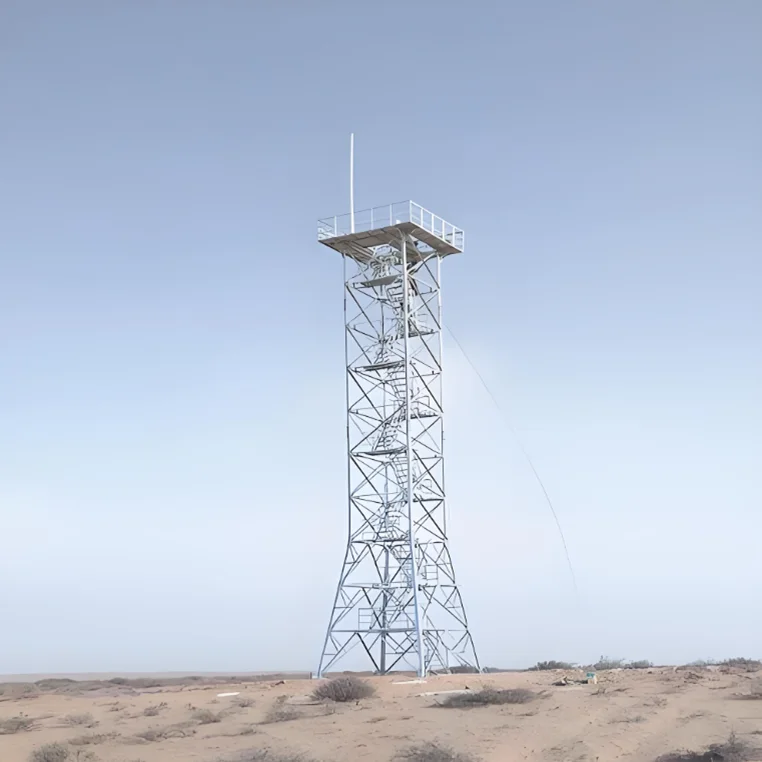
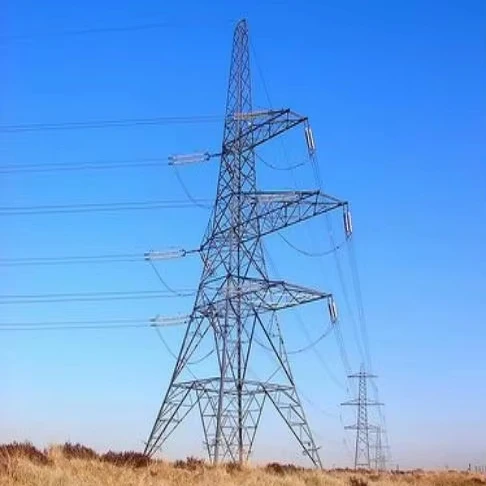
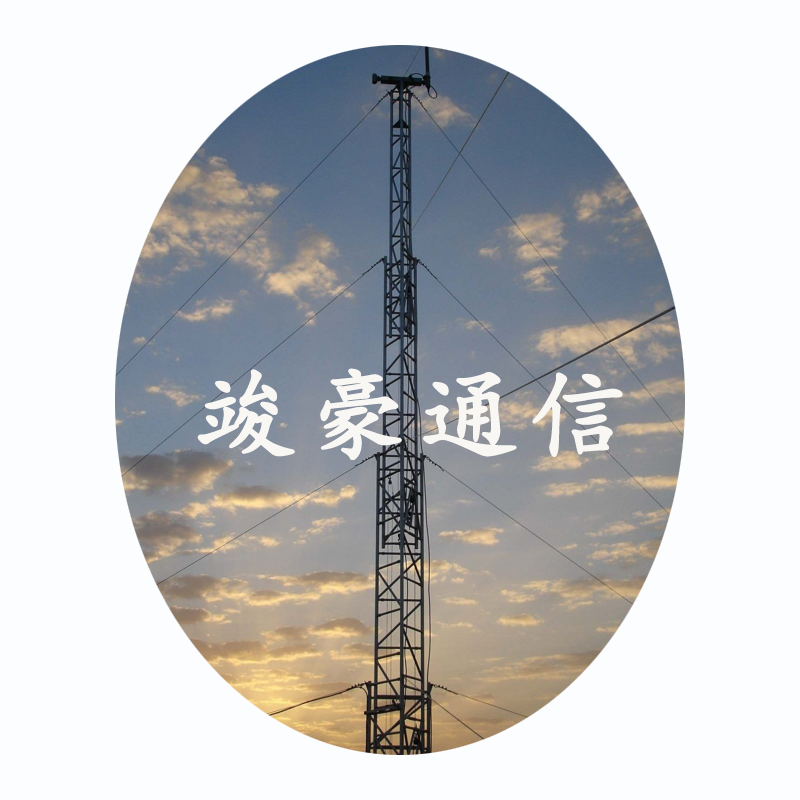
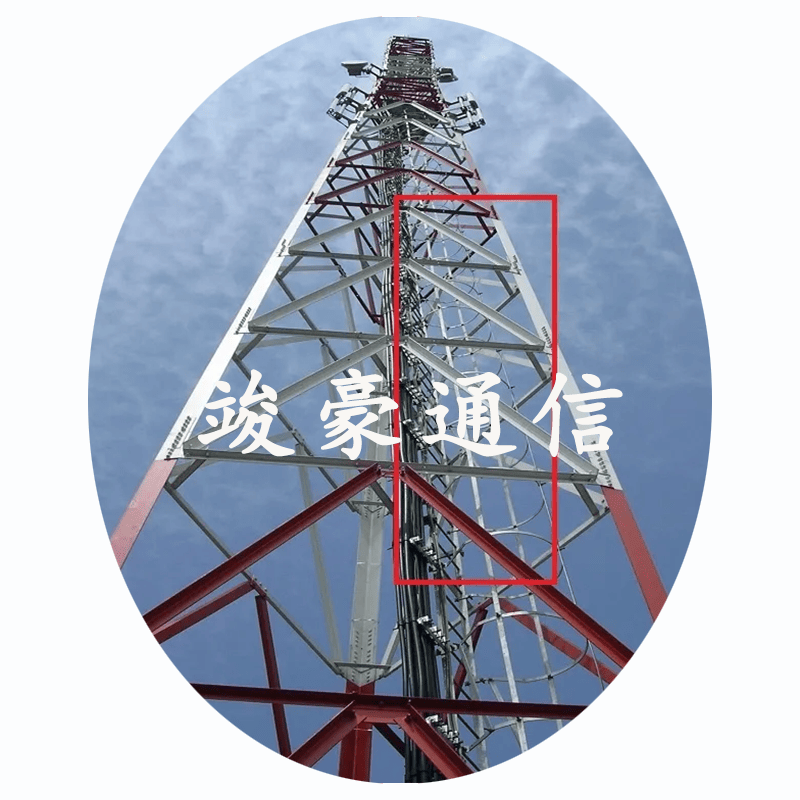
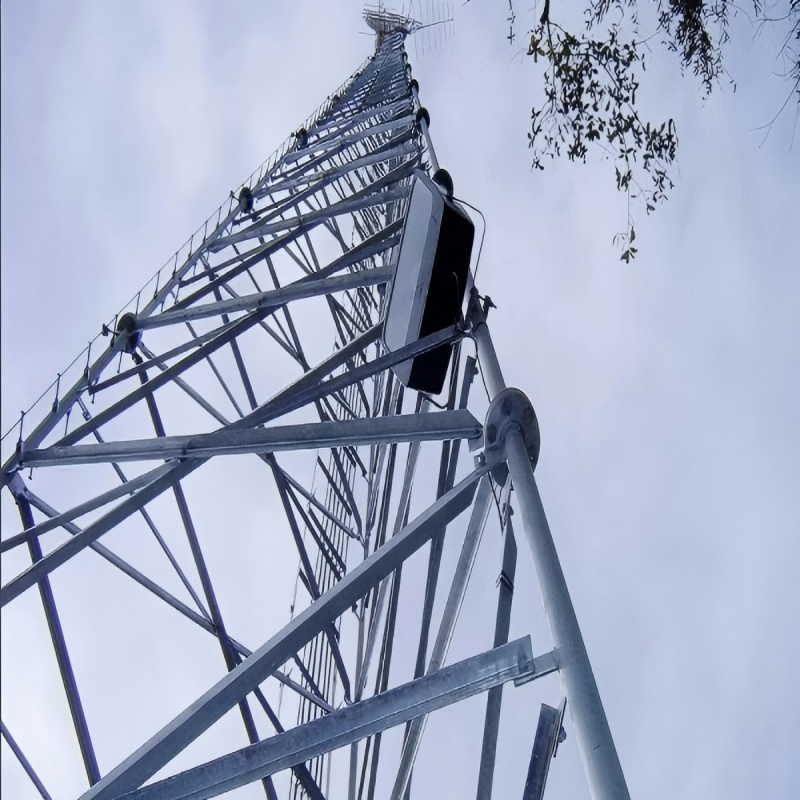
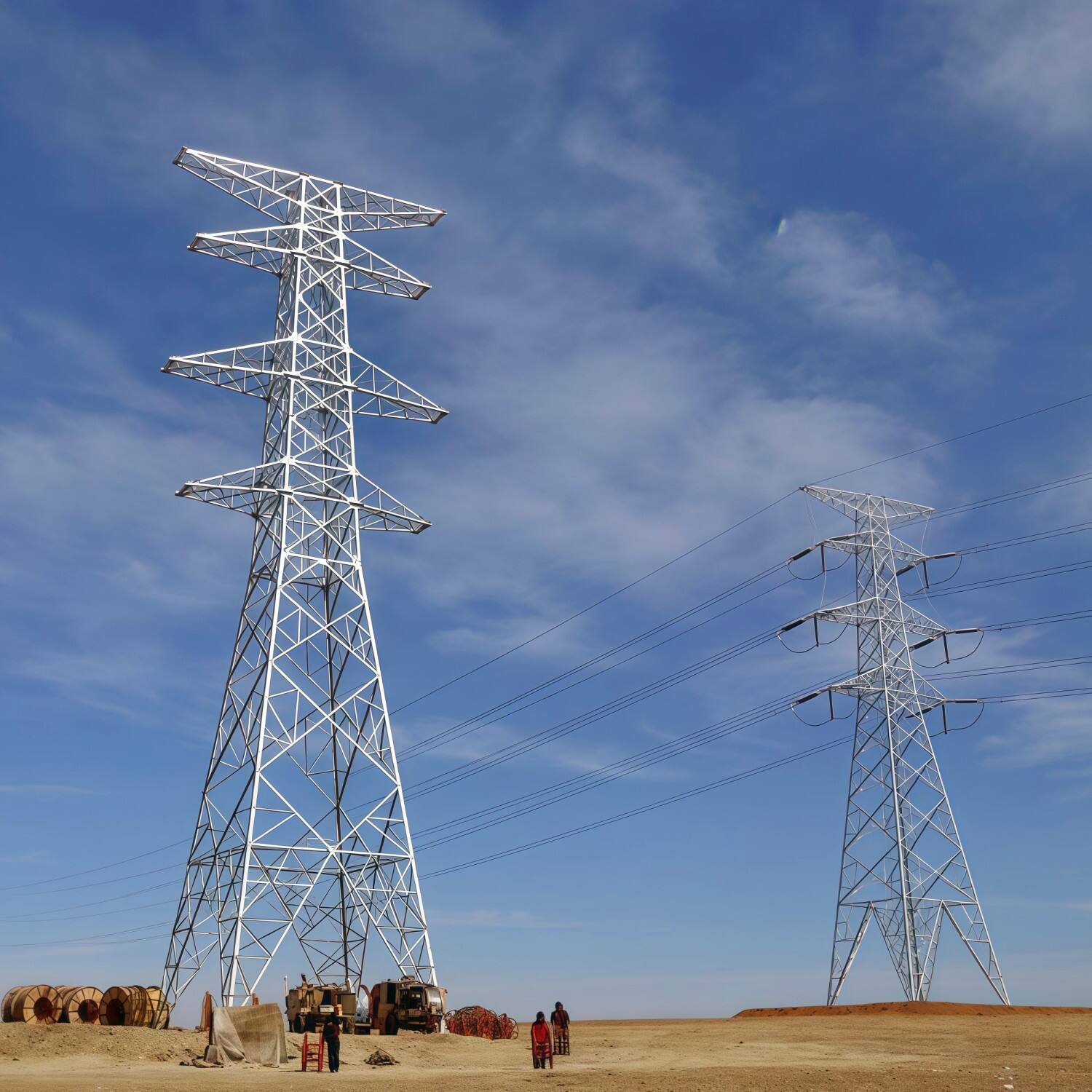
A customized transmission tower represents a specialized engineering solution designed to meet specific electrical infrastructure requirements across diverse geographical and operational environments. Unlike standard pre-fabricated towers, these structures undergo comprehensive design modifications to accommodate unique project parameters, environmental conditions, and technical specifications. The primary function of a customized transmission tower involves supporting overhead power lines while ensuring reliable electricity transmission across various distances and terrains. These towers serve as critical components in electrical grids, facilitating power distribution from generation facilities to end-users. The technological features of customized transmission towers encompass advanced materials engineering, precise load calculations, and innovative design methodologies. Engineers utilize high-strength steel alloys, corrosion-resistant coatings, and specialized connection systems to enhance structural integrity and longevity. Modern customized transmission towers incorporate computer-aided design software, finite element analysis, and wind tunnel testing to optimize performance characteristics. Applications span multiple sectors including utility companies, industrial facilities, renewable energy projects, and telecommunications infrastructure. These towers accommodate different voltage levels, ranging from distribution networks to high-voltage transmission systems. Customization enables adaptation to challenging environments such as coastal areas with salt exposure, seismic zones requiring enhanced stability, mountainous regions with extreme weather conditions, and urban areas with space constraints. The design process considers factors including conductor types, span lengths, ground conditions, local building codes, and aesthetic requirements. Environmental considerations play crucial roles in customized transmission tower development, incorporating bird protection measures, visual impact minimization, and ecological preservation strategies. Advanced manufacturing techniques ensure precision fabrication while maintaining cost-effectiveness and project timeline adherence.

 EN
EN