Kapsamlı Güvenlik ve Güvenilirlik Özellikleri
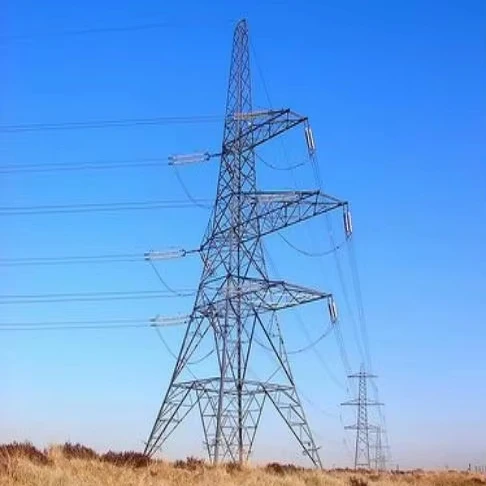
Kaliteli iletim kuleleri, personel güvenliğini ve ekipman korumasını tüm işletme koşullarında öncelikli hâle getiren entegre koruma sistemleri ve hataya dayanıklı tasarım metodolojileri aracılığıyla işletme güvenliği ve sistem güvenilirliği açısından yeni standartlar belirler. Kapsamlı topraklama sistemi mimarisi, yıldırım darbelerini ve elektriksel arızaları hızla dağıtan çoklu akım yolları sağlayarak hem yapıyı hem de bağlı ekipmanları hasardan korurken bakım işlemlerinde çalışan güvenliğini de sağlar. Gelişmiş yıldırım koruma özellikleri, hava uçları, iniş iletkenleri ve topraklama elektrotları gibi unsurları içerir; bu unsurlar tercih edilen darbe yolları oluşturarak elektrik enerjisini güvenli bir şekilde toprağa yönlendirir. Kaliteli iletim kuleleri, canlıların enerjili bileşenlere temas etmesini önleyen, ekolojik uyumluluğu koruyan ve doğadan kaynaklanan etkileşimler nedeniyle oluşan servis kesintilerini azaltan kuş ve diğer vahşi yaşam koruma önlemleri içerir. Yapısal tasarım, entegre merdiven sistemleri, güvenlik halatı bağlantı noktaları ve düşme koruma bağlantı noktaları gibi acil erişim imkânlarını içerir; bu da inceleme ve bakım faaliyetleri sırasında çalışan güvenliğini artırır. Uzmanlaştırılmış izolatör tasarımları, uzatılmış kaçma mesafeleri ve nem ile kirletici maddeleri dışlayan hidrofob yüzey uygulamaları sayesinde takip (tracking) ve atlama (flashover) risklerini en aza indirir. Kaliteli iletim kuleleri, iletken dalgalanması, aerodinamik titreşim ve termal genleşme döngüleri gibi dinamik yüklenme koşullarında elektriksel sürekliliği ve yapısal bütünlüğü koruyan sağlam mekanik bağlantılar içerir. Modern tesislerde entegre edilen kapsamlı izleme yetenekleri, yapısal durum, elektriksel performans ve işletme güvenliğini etkileyen çevresel faktörlerin gerçek zamanlı değerlendirmesine olanak tanır. Gelişmiş uyarı sistemleri, sistemin güvenilirliğini veya güvenlik marjlarını tehlikeye atmadan önce gelişmekte olan sorunları bakım personeline bildirir. Kaliteli iletim kuleleri, deprem simülasyonu, kasırga şiddeti rüzgârları ve maksimum buz yükü senaryoları gibi aşırı koşullar altında performanslarını doğrulayan kapsamlı test protokolleriyle sınanır. Tasarımdaki fazlalık (redundancy), bireysel bileşenler zarar gördüğünde bile devam eden işlevselliği sağlayarak büyük servis alanlarını etkileyebilecek zincirleme arızaları oluşmasını önler. Uzmanlaştırılmış koruyucu cihazlar, yüksek gerilim ortamlarında yaygın olarak görülen elektromanyetik girişim ve geçici aşırı gerilimlerden hassas ekipmanları korur. Kaliteli iletim kulesi güvenlik sistemleri, ark patlaması koruması, adım ve dokunma potansiyeli azaltımı ile elektromanyetik alan yönetimi gibi unsurları içerir; bu sistemler, normal işletme ve arıza durumlarında hem çalışanları hem de halkı elektriksel tehlikelere karşı korur.




 EN
EN