 EN
EN


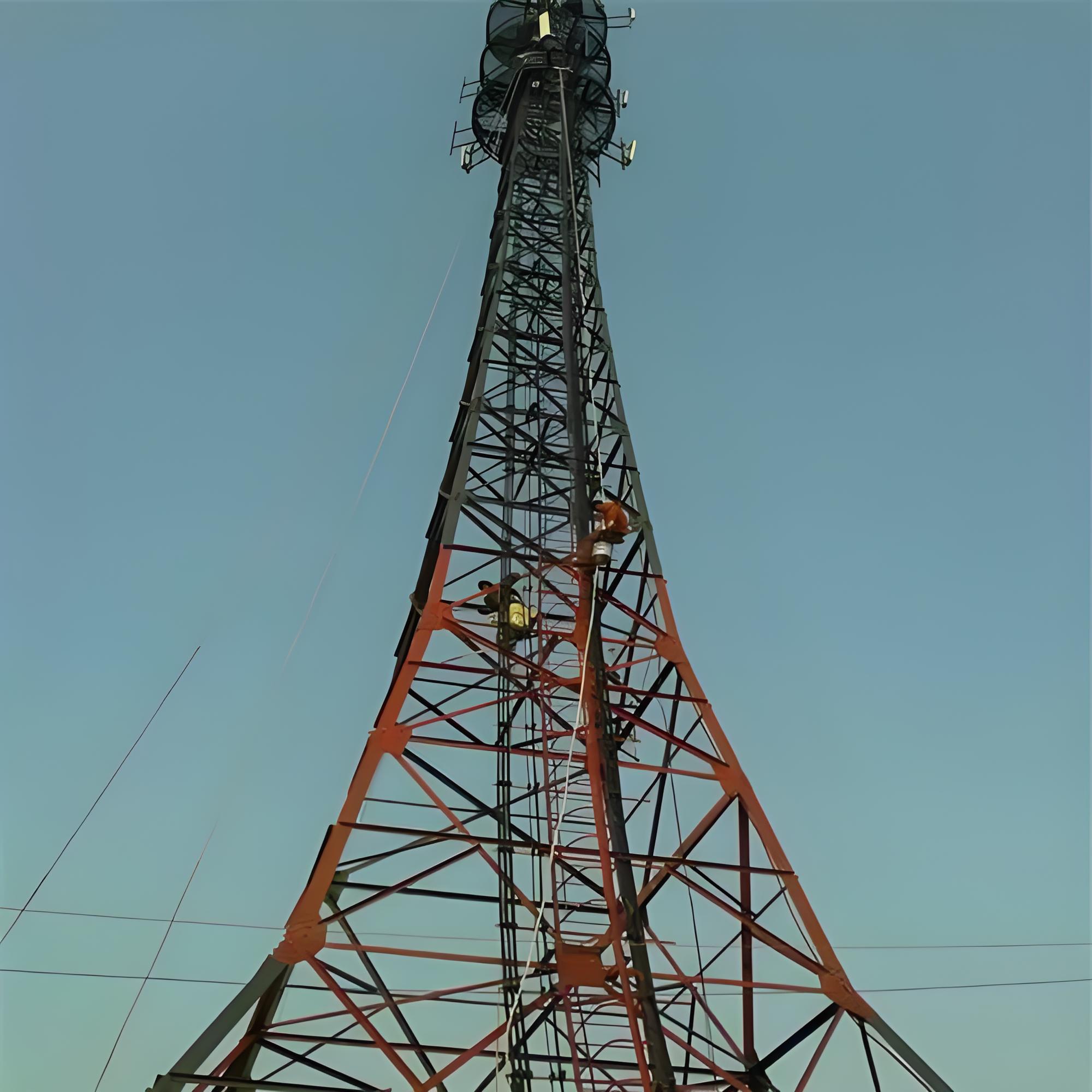
Wakati wa kupangia miradi kubwa ya miundombinu ya mawasiliano, uwezo wa uzalishaji wa mtengenezaji wako wa mabasi ya kifupi unapaswa kuhusiana moja kwa moja na muda wa kutekelezwa kwa miradi, ufanisi wa gharama, na uaminifu wa mpango wa usambazaji. Fabrika yenye uwezo wa kuuzia 150,000 tuneli kwa mwaka inawakilisha faida kubwa ya uzalishaji ambayo inaweza kubadilisha namna ya kutekeleza, kutoa, na kukuza miradi yako katika matumizi mengi.
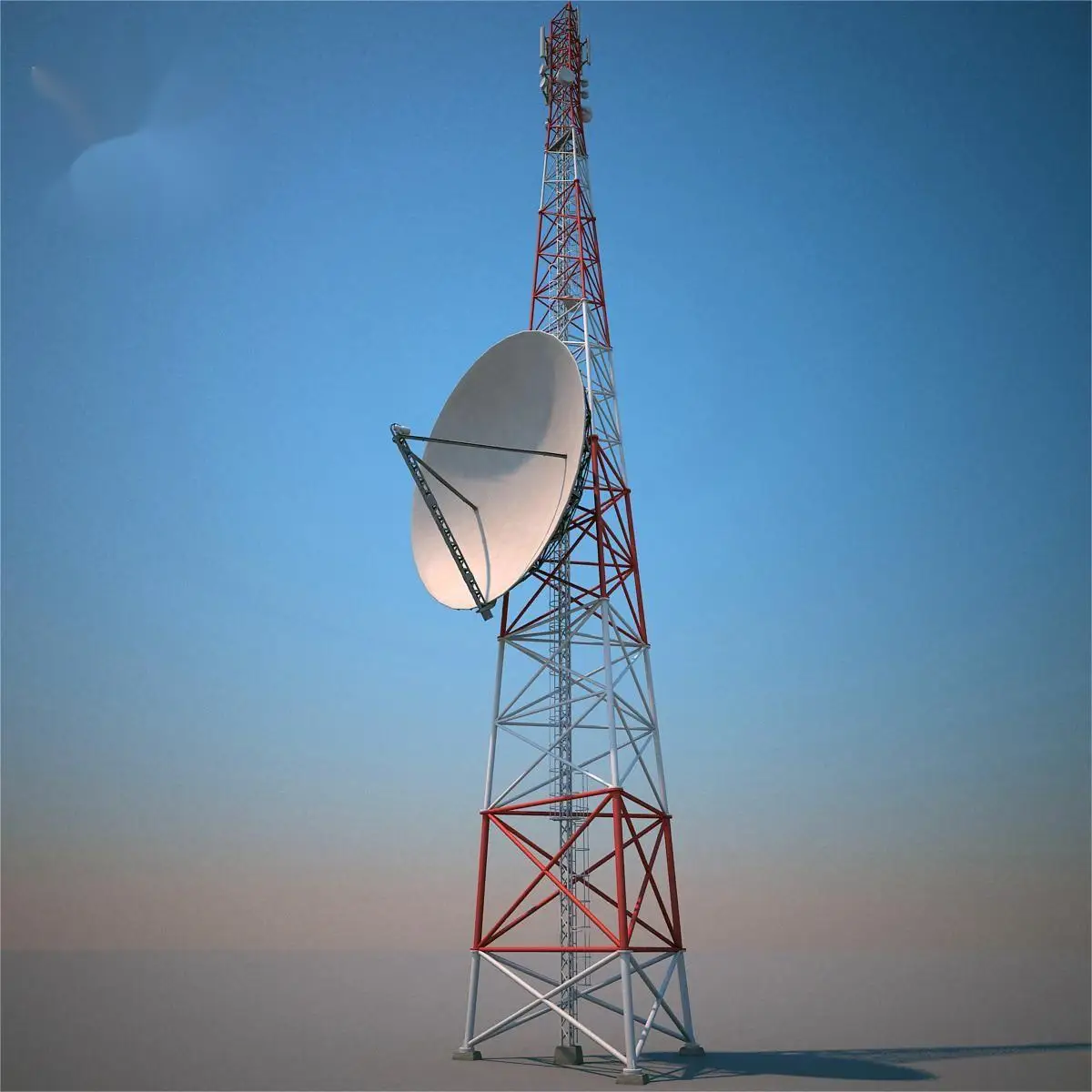
Kiwango cha uwezo wa uzalishaji katika uzalishaji wa migawanyo ya mabanda huathiri kila sehemu ya mradi wako kutoka kwa ununuzi wa awali hadi kwa usanidi wa mwisho. Kuelewa jinsi ya uwezo huu wa uzalishaji unavyotafsiriwa kuwa faida za moja kwa moja kwa mauzo yako ya miundombinu ya mawasiliano ya simu inahitaji kuchunguza faida za uendeshaji, ustawi wa mpango wa usambazaji, na athari za gharama ambazo zinatokana na kushirikiana na wazalishaji wenye uwezo mkubwa wa uzalishaji.
Athari ya Kiwango cha Uzalishaji kwenye Uchumi wa Mradi
Faida za Gharama za Uzalishaji kwa Kiasi Kikubwa
Uwezo wa uzalishaji wa 150,000 tan kwa mwaka unaweza kusaidia wazalishaji wa migawanyo ya mabanda kupata ufanisi mkubwa wa ukubwa ambao unafanya faida moja kwa moja kwa budjeti yako ya mradi. Kiasi hiki cha uzalishaji kinaruhusu ununuzi wa viya vya kwanza kwa wingi, mchakato wa uzalishaji uliothibitishwa, na kupungua kwa gharama za kila kitu ambazo vituo vidogo havijawahi kufikia. Orodha ya pungufu ya gharama kutokana na ukubwa huu huwa kawaida inatafsiriwa kuwa bei ya kila kitu ni chini ya 15-25% kuliko wazalishaji wenye uwezo mdogo wa uzalishaji.
Mazingira ya uzalishaji kwa kiasi kikubwa huweka mali katika utawala wa kisasa na vifaa vya maalum ambavyo huongeza ufanisi wa uzalishaji wakati huo huo hukadhi viwango vya ubora vyenye kudumu. Ufanisi huu wa uendeshaji katika uzalishaji wa migamba ya kifupi hupunguza gharama za kazi kwa kila kitu na kupunguza uvurugu wa vitu, kutoa faida za gharama zaidi ambazo zinatumika kufaida uchumi wa mradi wako. Mzunguko wa uzalishaji wenye kudumu pia hulinda bei ya juu ambayo mara nyingi huwa na uhusiano na uzalishaji wa wingi mdogo.
Unguvu ya kununua inayotokana na uendeshaji wa wingi huenea hadi kwenye chaguzi ya vifaa, ambapo wazalishaji wanaweza kufanya makubaliano bora kwa ajili ya chuma kilichopakuliwa kwa sumaku, vifungo, na vifaa vya maalum. Ufunguo huu wa usambazaji katika uzalishaji wa migamba ya kifupi unatoa athari ya kushuka kwa gharama ambazo hatimaye hupunguza jumla ya uwekezaji wako wa mradi bila kuharibu viwango vya ubora.
Muundo wa Bei yenye Kudumu
Watoa huduma wa uwezo mkubwa kwa kawaida hutoa miundo ya bei yenye ustahili na ubunifu wa kuvumilia kwa miradi ya migandamizo ya kifahari kwa sababu ya ukubwa wao wa uendeshaji na mifumo ya usambazaji waliyoyathibitisha. Ustahili wa bei unasaidia katika utambulisho wa makadirio ya bajeti kwa usahihi na kupunguza hatari ya kuzidizana kwa gharama wakati wa muda mrefu wa miradi. Uwezo wa mfanyabiashara kudumisha gharama za uzalishaji kwa usawa unatansferi kuwa bei ya mkataba inayotegemea kwa mafanikio yako ya miundombinu.
Miundo ya bei yanayosimamiwa na kiasi cha agizo huwa rahisi zaidi wakati wa kufanya kazi na vifaa vya uwezo mkubwa, ikiruhusu miradi yako kufaida kutoka kwa pungufu la bei kwa kiasi kikubwa hata kwa agizo la ukubwa mdogo. Faida hii ni muhimu sana kwa makampuni ya mawasiliano yanayoshughulikia uwekaji wa vituo vingi ambapo agizo la moja kwa moja linaweza kutokuwa na kiasi cha kawaida cha kujipatia pungufu la bei lakini kwa jumla linawakilisha nguvu kubwa ya kununua.
Uthabiti wa Mfumo wa Usambazaji na Utendaji wa Kuletea
Uwezo wa Kuudhibiti Inbenti
Watoa huduma wenye uwezo wa kuzalisha 150,000 tan kwa mwaka hushirikisha mabahasha ya kubadilisha ya kutosha ambayo inahakikisha upatikanaji wa mara moja wa migawanyo ya mifupa ya chuma hata katika muda wa mahitaji ya juu sana. Urefu wa mabahasha haya unahakikisha kwamba miradi yako haiathirikiwa na mapungufu ya usambazaji na huingiza kuchelewa kwa kawaida ambayo huwakabili watoa huduma wadogo wanaotumia mabahasha madogo tu. Uwezo wa kupanda kutoka kwa mabahasha yaliyopo kwa sasa unapunguza sana muda wa kusubiri kwa mifupa ya chuma ya muundo wa kawaida.
Vifaa vya uwezo mkubwa kawaida hushika magazini ya mifupa ya chuma ya muundo mbalimbali, urefu tofauti, na vipengele tofauti, ikitoa uwezo wa ubunifu kwa badiliko la miradi au mahitaji ya ziada yanayotokana wakati wa kutekelezwa. Utabiri wa magazini huu unapunguza hitaji la agizo la kufanya kwa kipekee na muda wa kusubiri uliozidi, kuhakikisha kwamba mizani ya miradi yako inaendelea kwa mpangilio.
Rasilimali za kifedha zinazohitajika kudumisha mabahasha makubwa ni yanayoweza kufanyika tu na watoa huduma wenye uwezo mkubwa, kutoa faida ya asili katika uaminifu wa usambazaji. Watoa huduma hawa wanaweza kuhifadhi vifaa vya kipekee vya kuchelewa kuvuka na kudumisha mabahasha ya usalama ambayo shughuli ndogo zisizoweza kudumisha, kuhakikisha upatikanaji kamili wa migawanyo yako ya mifupa ya chuma.
Uaminifu wa Muda wa Uwasilishaji
Uwezo wa uzalishaji unahusiana moja kwa moja na uaminifu wa usafirishaji, kwa sababu wazalishaji wenye uwezo mkubwa wa uzalishaji wana rasilimali za kudumisha mizani ya uzalishaji kwa ufanisi bila kujali mabadiliko ya oda. A kifaa cha kujenga kwa mifupa cha chuma mzalishaji anayepata uwezo mkubwa wa uzalishaji anaweza kukidhi oda za haraka bila kuharibu mizani ya uzalishaji iliyopo, akatoa uwezo wa kubadilisha mizani ambao hauwezi kupatikana kwa wazalishaji wadogo.
Uwezo wa mpango wa uzalishaji wa watoa huduma wakuu unawezesha ubunifu bora zaidi wa muda wa kulelewa na kupunguza ubaguzi wa mpangilio wa wakati. Vyuo hivi vya uzalishaji vinavyoendeshwa kwa kawaida mistari mingi ya uzalishaji na yanaweza kubadilisha usambazaji wa uwezo ili kujitokeza katika muda maalum wa mradi bila kuharibu ubora au ahadi za kulelewa kwa wateja wengine. Uwezo huu wa kufanya mabadiliko unatolewa kwa mpangilio wa mradi unaobeba uaminifu zaidi kwa uwekaji wa miundo ya mawasiliano.
Uhasibu wa Ubora na Viwajiba vya Uzalishaji
Uwekezaji katika Teknolojia ya Uzalishaji wa Kina
Watoa huduma wa minara ya kifurushi wenye uwezo mkubwa wanajustifika uwekezaji katika vifaa vya uzalishaji wa kina, mfumo wa udhibiti wa ubora, na teknolojia ya kiotomatiki ambayo vyuo vidogo havikwepo kuyasaidia kwa sababu ya gharama. Uwekezaji huu wa teknolojia unatoa ubora wa bidhaa unaofanana zaidi, mipangilio ya uzalishaji inayofanana zaidi, na uimara wa miundo unaofanana zaidi katika kila mzunguko wa uzalishaji. Ukubwa wa shughuli unawezesha ubadilishaji wa mara kwa mara wa vifaa na uboreshaji wa taratibu.
Mifumo ya kuunganisha kwa kutumia mashine, vifaa vya kupasua kwa kutumia kompyuta, na mashine za kufanya maumbo kwa usahihi huwa ni mafanikio ya uwekezaji yanayoweza kufanyika kwa bei rahisi katika kiasi kikubwa cha uzalishaji, ikibadilisha ufanisi na uaminifu wa uzalishaji wa migandamizo ya kifundo. Faida za teknolojia hizi zinahakikisha kwamba kila migandamizo inakidhi au ikizidisha vipengele vya muundo wakati inavyotunza usahihi wa ukubwa unaohitajika kwa kuanzisha kwa urahisi katika eneo la kazi.
Laboratori za udhibiti wa ubora na vituo vya kujaribu vinawakilisha uwekezaji mkubwa wa mali ambao unaweza kufanyika kwa uchumi tu katika kiasi kikubwa cha uzalishaji. Wakuzalishi wenye uwezo mkubwa wanaweza kudumisha jaribio la vitu ndani ya kiwanda, uwezo wa kuchambua muundo, na miradi ya kudumisha ubora kwa ujumla ambayo hutoa imani kubwa zaidi katika utendaji na uhamisho wa migandamizo ya kifundo.
Uthibitisho na Utekelezaji wa Viashiria
Mali yanayohitajika kudumisha michakato mingi ya sekta, kufuata viwajibiko vya kihistoria vya kimataifa, na idhini za serikali ni rahisi zaidi kudumishwa na wazalishaji wenye uwezo mkubwa. Vyumba hivi vya uzalishaji mara nyingi hufanya mafanikio katika mfumo wa kudumisha ubora kwa ukubwa, ukaguzi mara kwa mara wa mitandao ya nje, na mafunzo ya kusisimua kwa wafanyakazi wanaoehusisha ubora wa kudumu wa viwanda vya kujenga mashamba ya chuma.
Wazalishaji wakuu mara nyingi hushiriki katika michakato ya kuhakikisha ubora katika masoko mengi ya kimataifa, kutoa uwezo wa kubadilisha kwa miradi inayohitaji viwajibiko maalum vya eneo au kufuata sheria za uuzaji nje. Upana wa michakato hii unapunguza muda wa kuchelewa na gharama za ziada zinazotokana na kuchukua bidhaa kutoka kwa wazalishaji wengi ili kujifunza viwajibiko vya kisheria tofauti katika mahali tofauti ya miradi.
Msaada wa Uhandisi na Uwezo wa Kufanya Mabadiliko Maalum
Rasilimali za Uhandisi Zilizowekwa Kwa Ajili Ya Hilo
Wazalishaji wa viwanda vya minara ya kifurushi wenye uwezo mkubwa wa uzalishaji wana timu kubwa za muhandisi wenye ujuzi maalum katika uchambuzi wa miundo, ubunifu wa msingi, na ubofya wa mahali maalum. Uwezo huu wa muhandisi unawezesha majibu ya haraka kwa mahitaji ya ubofya, mabadiliko ya mahali maalum, na msaada wa teknolojia wote kwa muda wa mchakato wa mradi. Rasilimali za muhandisi zinazopatikana katika viwanda vikubwa zinatoa msaada wa teknolojia zaidi kuliko wazalishaji wadogo wanavyoweza kutoa.
Uwezo wa kutoa msaada wa uhandisi ulioeleweka kwa miradi mikubwa hukuhakikisha mwongozo wa teknolojia unaofuata na usharahisho wa haraka zaidi ya changamoto za ubunifu. Watoa huduma wakuu wanaweza kubali kudumisha wataalamu katika mitaala kama vile kuchambua mzigo wa upepo, ubunifu wa kisismu, na mpangilio maalum ya kufunga ambao unaboresha thamani ya teknolojia inayotolewa kwa miradi yako ya vifaa vya kuvutia.
Dokumenti za uhandisi, mchoro wa teknolojia, na vitu vya msaada ya kufupisha ni kawaida ya kuwa ya kina zaidi kutoka kwa watoa huduma wenye uwezo mkubwa wanaooweka katika mfumo wa kuboresha dokumenti na mchakato wa mawasiliano ya teknolojia. Ubora wa hizi dokumenti unapunguza muda wa kufupisha kwenye eneo na kuchunguza uwezekano wa makosa ya ujenzi au mafanikio.
Ubadilishaji Usio Na Mchanganyiko
Watoa huduma kwa kiasi kikubwa wanaweza kukidhi maombi ya ubadilishaji bila kusababisha mabadiliko makubwa katika mizani ya uzalishaji au bei, kwa sababu wana uwezo wa kubadilisha uzalishaji ili kujumuisha mahitaji ya kipekee katika mchakato wao wa kawaida wa uzalishaji. Uwezo huu unawezesha mabadiliko yanayotegemea eneo, mifumo ya kufupisha tofauti, au matumizi ya kipekee bila gharama za juu ambazo kawaida zinahusiana na uzalishaji wa kipekee.
Uwezo wa uzalishaji na upatikanaji wa rasilimali wa watoa huduma wakuu unawawezesha kudumisha vifaa na vifaa vya uzalishaji kwa mpangilio tofauti ya vifaa vya kuvutia kwa wakati mmoja, kuhakikisha kupungua gharama za kuanzisha na muda wa kusubiri kwa agizo la kipekee. Uwezo huu wa uzalishaji unatoa chaguo zaidi ya kuboresha ubunifu wa vifaa kwa hali maalum za eneo au mahitaji ya teknolojia.
Faida za Uhusiano wa Muda Mrefu
Uwezo wa Kuongezeka na Kuenea
Kushirikiana na mtengenezaji wa mabandiko ya kubwa anayeweza kutoa uwezo wa kukuza mtandao wako wa sasa na kuongeza miundombinu yako ya miundombinu. Kama mahitaji yako ya miundombinu ya mawasiliano huongezeka, mtengenezaji anayeweza kuzalisha toni 150,000 kwa mwaka anaweza kukidhi kiasi kikubwa zaidi la orodha bila kuvunjika kwa uwezo au kuchelewa katika usafirisho. Uwezo huu wa kukuza unalinda hitaji la kuanzisha mahusiano na watoa huduma wengi wakati miradi yako huongezeka.
Ustawi wa kifedha na madhara ya uendeshaji ya watoa huduma wenye uwezo mkubwa wa uzalishaji hutoa imani katika mahusiano ya muda mrefu na watoa huduma na msaada unaosimamiwa kote katika mienendo ya miradi iliyo na muda mrefu. Watoa huduma hawa mara nyingi hufanya uwekezaji katika kuongeza eneo la vituo, kuboresha vifaa, na kuboresha uwezo ili kuhakikisha uwezo wa kuendelea kutoa huduma kama vile mahitaji ya soko huabadilika.
Uwezo wa kupangwa kwa njia ya kisiasa unaboreshwa wakati wa kufanya kazi pamoja na watoa huduma wenye mapitio ya uwezo wa kutosha na wanaoweza kuhakikisha makubaliano ya usambazaji kwa miaka kadhaa bila kujali mapitio ya uwezo. Mbinu hii ya shirikina inaruhusu kupangwa kwa namna bora zaidi ya miundombinu na ubunifu wa bajeti kwa makampuni ya mawasiliano yanayosimamia miradi ya kujenga mtandao kwa muda mrefu.
Uboreshaji na Maendeleo ya Teknolojia
Wafabrikuzi wa mnara ya lattice wenye uwezo mkubwa huweka rasilimali zaidi katika utafiti na maendeleo, ubunifu wa vifaa, na maboresho ya mchakato wa uuzalishaji kwa sababu ya ukubwa wao na nafasi yao ya soko. Maendeleo haya ya ubunifu yanafaidi miradi yako kupitia ufikiaji wa miundo bora zaidi, vifaa vilivyo bora, na mchakato wa uuzalishaji unaofanya kazi vizuri ambavyo yanaweza kuwa hayapatikani kutoka kwa watoa huduma wa kiasi kidogo.
Ujuzi wa teknolojia na rasilimali zinazopatikana katika viwanja vya uzalishaji vikubwa vinaweza kushiriki katika maendeleo ya viashiria vya taifa, majaribio ya vitu vya kujenga mpya na muundo mpya, na ushirikiano katika suluhisho maalum ambayo huongeza teknolojia ya minara ya kifurushi. Uwezo huu wa uboreshaji unatoa upatikanaji wa maendeleo ya juu ambayo yanaweza kuimarisha utendaji wa miradi na kupunguza gharama za uendeshaji kwa muda mrefu.
Maswali Yanayoulizwa Mara kwa Mara
Uwezo wa 150,000-ton kwa mwaka unalinganishaje na uwezo wa kawaida wa wafabrikuzi wa mnara ya lattice?
Uwezo wa 150,000-ton kwa mwaka unawakilisha mara 10-15 ya uwezo wa uzalishaji wa wafabrikuzi wa kawaida wa mnara ya lattice, ambao kawaida huwa na uwezo wa 5,000-15,000 ton kwa mwaka. Tofauti hii ya ukubwa inawezesha manufaa makubwa katika ufanisi wa gharama, uaminifu wa usafirishaji, na uwezo wa msaada wa kiufundi unaofaidi moja kwa moja miradi mikubwa ya miundo.
Matajiri gani maalum yanayotarajiwa miradi kutoka kwa wafabrikuzi wa mnara ya lattice wenye uwezo mkubwa?
Miradi kwa kawaida hufanya uchunguzi wa 15–25% wa uvurugu wa gharama kwa kila kitu kuliko watoa huduma wadogo zaidi, pamoja na uvurugu wa ziada kutokana na muda mfupi zaidi wa kusubiri, gharama ndogo za kuweka magazini, na mizani ya kutumika kwa urahisi zaidi. Manufaa ya jumla ya gharama ya ubunifu mara nyingi huwa 20–30% unapofikiria mambo yote ya mzunguko wa mradi ikiwemo ufanisi wa kusakinisha na msaada wa teknolojia.
Uwezo wa uzalishaji unasongaje ubora na utendaji wa mabegani ya mabegani?
Uwezo wa kuzalisha kwa wingi unaweza kuhamasisha mafundisho ya vifaa vya uzalishaji wa kisasa, mifumo ya udhibiti wa ubora wa kiotomatiki, na vifaa vya kujaribu kwa ukamilifu ambavyo huvutia ufanisi wa bidhaa na uthabiti wa muundo. Wakuzalishi wakubwa mara nyingi hushika mipaka ya uzalishaji inayofuata kwa makini zaidi na sifa za vitu vya kawaida zinazofuata kwa usawa zaidi katika mazao yote ya uzalishaji kuliko vifungu vidogo.
Je, wakuzalishi wenye uwezo mkubwa wanaweza kudumisha mahitaji ya kipekee ya mitambo ya kifurushi kwa namna bora?
Wakuzalishi wenye uwezo mkubwa mara nyingi hufanya kazi kwa urahisi zaidi juu ya kubadilisha kwa kipekee kuliko watoa huduma wadogo kwa sababu ya uwezo wao wa kuzalisha kwa urahisi, rasilimali za uhandisi zilizowekwa kwa ajili ya kazi hiyo pekee, na uwezo wa kuingiza mahitaji ya kipekee katika mchakato wa uzalishaji wa kawaida. Ukubwa wa shughuli unawezesha kubadilisha kwa kipekee bila kupungua kwa muda mrefu au bei ya juu ambayo ni ya kawaida katika uzalishaji wa kipekee unaofanyika kwa idadi ndogo.
Orodha ya Maudhui
- Athari ya Kiwango cha Uzalishaji kwenye Uchumi wa Mradi
- Uthabiti wa Mfumo wa Usambazaji na Utendaji wa Kuletea
- Uhasibu wa Ubora na Viwajiba vya Uzalishaji
- Msaada wa Uhandisi na Uwezo wa Kufanya Mabadiliko Maalum
- Faida za Uhusiano wa Muda Mrefu
-
Maswali Yanayoulizwa Mara kwa Mara
- Uwezo wa 150,000-ton kwa mwaka unalinganishaje na uwezo wa kawaida wa wafabrikuzi wa mnara ya lattice?
- Matajiri gani maalum yanayotarajiwa miradi kutoka kwa wafabrikuzi wa mnara ya lattice wenye uwezo mkubwa?
- Uwezo wa uzalishaji unasongaje ubora na utendaji wa mabegani ya mabegani?
- Je, wakuzalishi wenye uwezo mkubwa wanaweza kudumisha mahitaji ya kipekee ya mitambo ya kifurushi kwa namna bora?