Self Supporting Lattice Tower Solutions: Advanced Telecommunications Infrastructure for Modern Networks

Get a Free Quote

Our representative will contact you soon.
Email
Name
Company Name
Message
0/1000

self supporting lattice tower

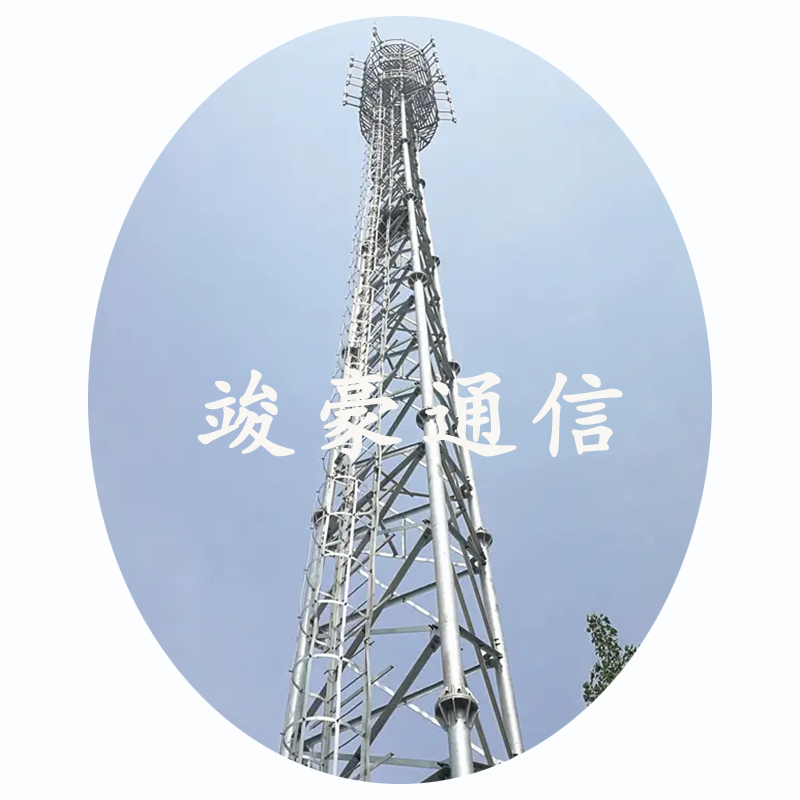
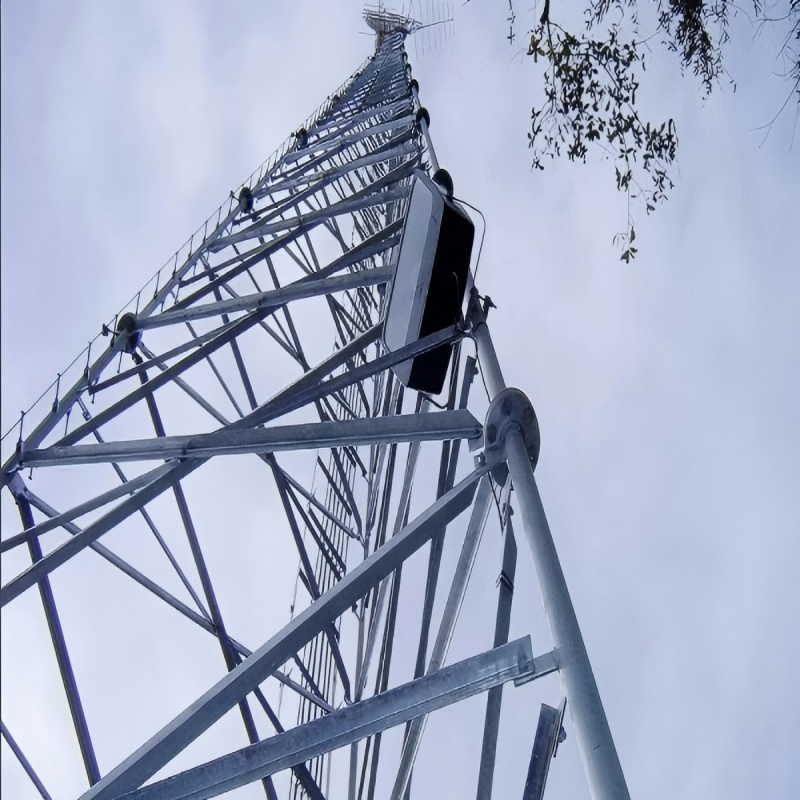
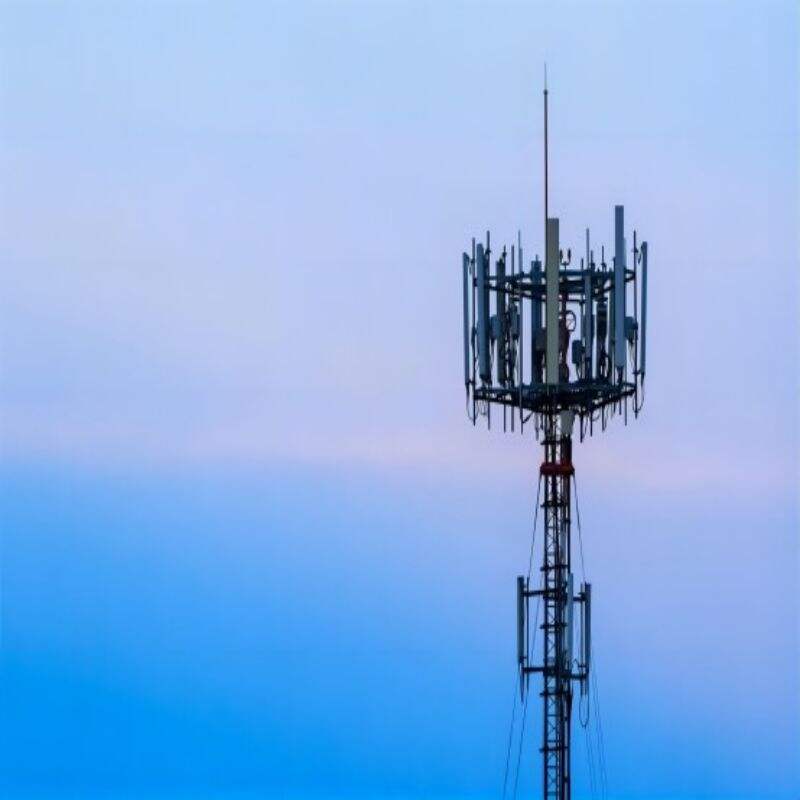
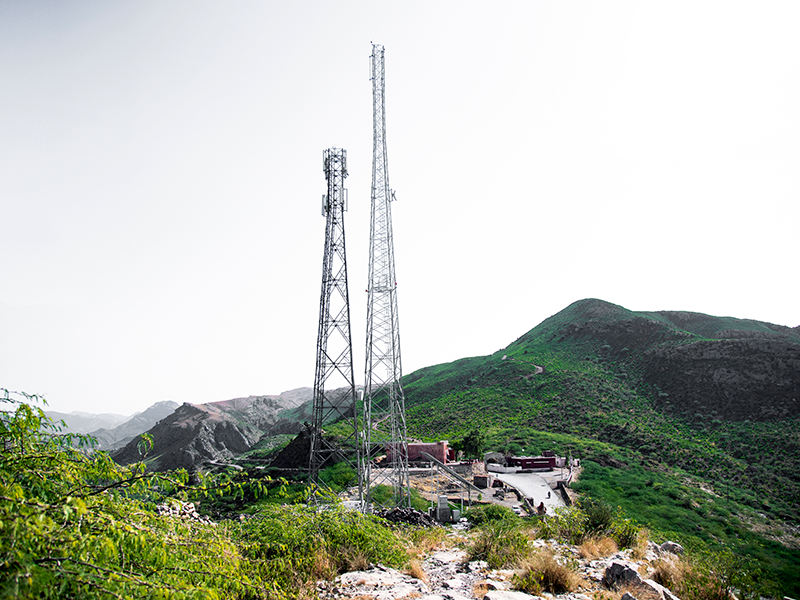
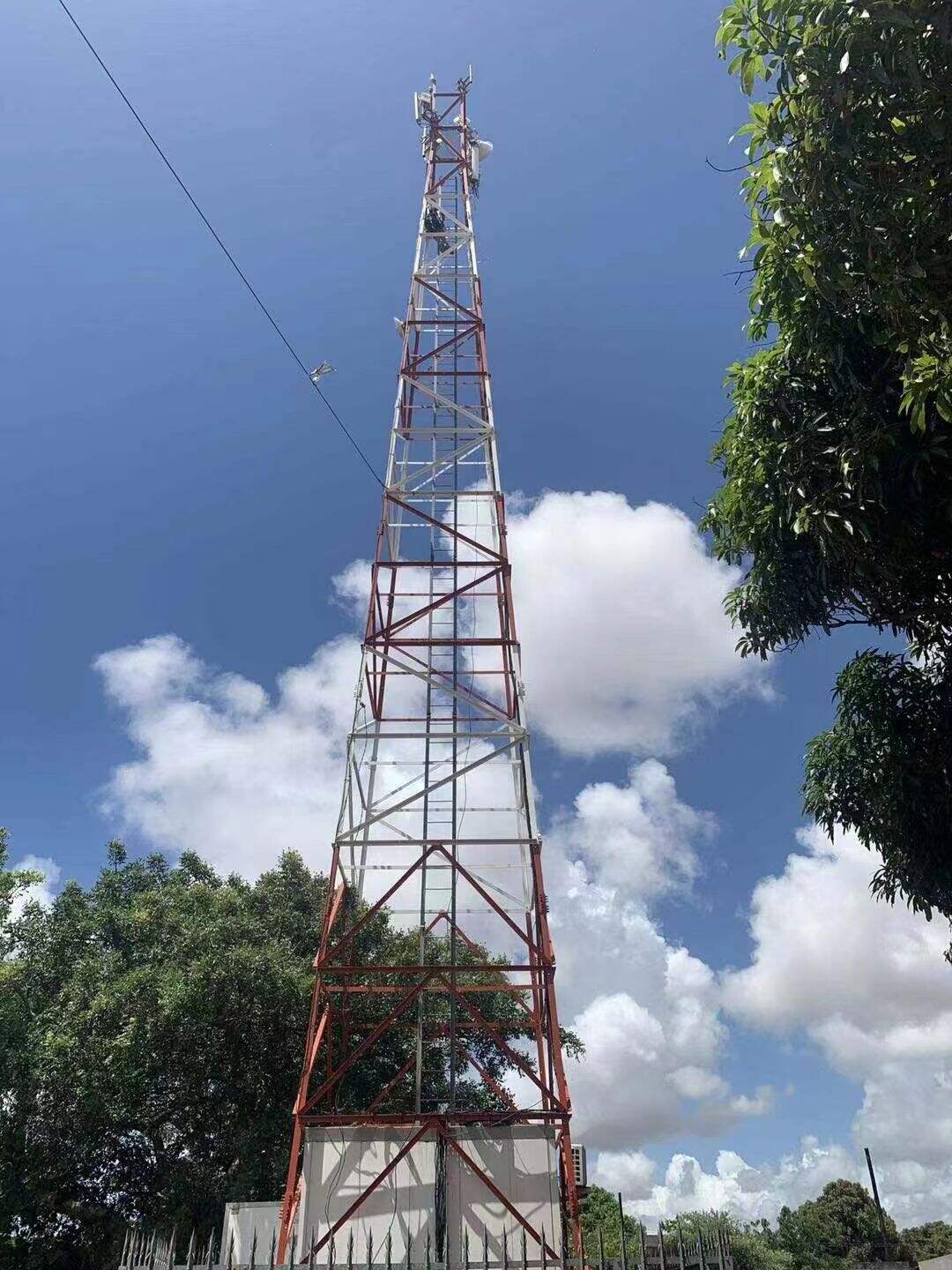
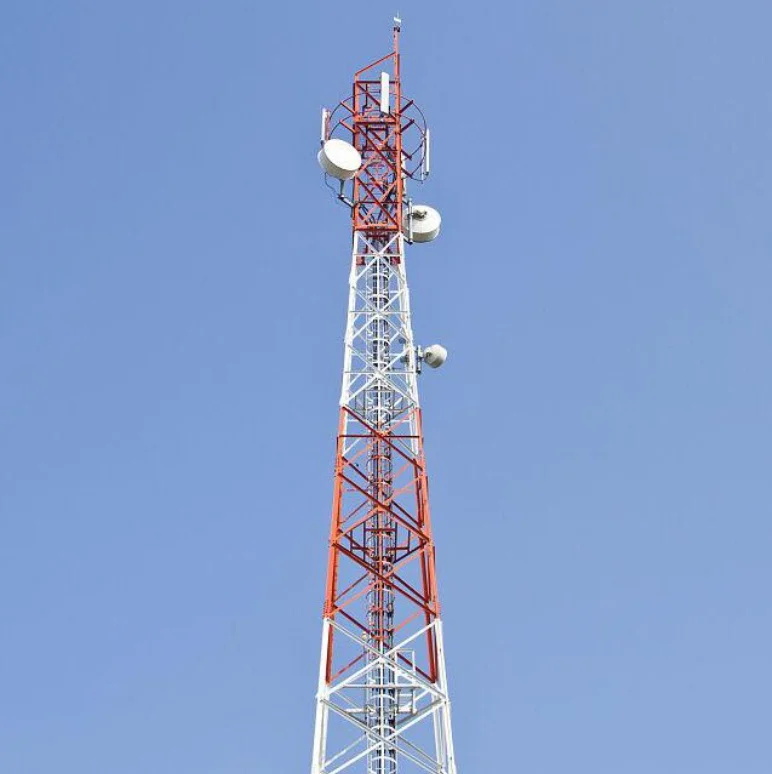
The self supporting lattice tower represents a revolutionary advancement in telecommunications and broadcasting infrastructure, designed to meet the demanding requirements of modern wireless communication networks. This innovative tower structure eliminates the need for guy wires or external support systems, making it an ideal solution for urban environments and locations with limited space constraints. The self supporting lattice tower features a triangular or square base configuration that gradually tapers toward the top, creating exceptional structural stability while maintaining optimal wind resistance characteristics. The lattice framework consists of interconnected steel members that distribute loads evenly throughout the entire structure, ensuring reliable performance under various environmental conditions. These towers typically range from 30 to 400 feet in height, accommodating diverse antenna configurations and equipment installations for cellular networks, television broadcasting, radio transmission, and emergency communication systems. The modular design of the self supporting lattice tower allows for flexible customization based on specific site requirements and regulatory standards. Advanced galvanization processes protect the steel components from corrosion, extending the tower's operational lifespan to several decades with minimal maintenance requirements. The foundation system utilizes reinforced concrete footings engineered to match local soil conditions and seismic activity levels. Modern self supporting lattice towers incorporate sophisticated engineering analysis software during the design phase, ensuring compliance with international building codes and safety standards. The tower's geometric configuration provides multiple mounting points for antennas, transmission equipment, and auxiliary systems, maximizing site utilization efficiency. Environmental considerations are integrated into the design process, with options for bird-friendly features and aesthetic modifications to minimize visual impact on surrounding communities.

New Product Recommendations

The self supporting lattice tower delivers significant cost savings compared to traditional guyed tower systems by eliminating the need for extensive guy wire anchoring systems and associated land acquisition requirements. Property owners benefit from reduced land usage since the self supporting lattice tower requires only the immediate foundation area, leaving surrounding space available for other purposes or future development. Installation processes become streamlined and more efficient because crews can focus on the tower structure itself without coordinating complex guy wire installations that often require specialized equipment and extended construction timelines. Maintenance costs decrease substantially over the tower's operational lifetime since there are no guy wires to inspect, tension, or replace, reducing both routine maintenance expenses and emergency repair requirements. The structural design provides enhanced reliability during severe weather events, as the self supporting lattice tower eliminates guy wire failure points that can compromise entire tower systems during storms or high wind conditions. Urban deployment becomes more practical with self supporting lattice towers because they fit into smaller footprints and avoid conflicts with existing infrastructure, utilities, and property boundaries that typically complicate guy wire installations. Safety improvements are notable during both construction and maintenance phases, as workers face fewer hazards without guy wires creating trip risks and access complications around the tower base. The self supporting lattice tower adapts more readily to changing technology requirements, allowing operators to modify antenna configurations and add new equipment without restructuring guy wire systems or obtaining additional easements. Regulatory approval processes often proceed more quickly for self supporting lattice tower installations because they present fewer zoning complications and community concerns compared to guy wire systems that affect larger areas. The tower design accommodates future expansion needs more effectively, enabling operators to increase antenna capacity or upgrade transmission equipment without major structural modifications. Insurance costs typically remain lower for self supporting lattice tower installations due to reduced liability risks and improved safety profiles compared to guyed alternatives.

Latest News

The Urban Chameleons: Tree-Like Towers

13

Oct

The Urban Chameleons: Tree-Like Towers

View More
Analysis of the Applicability of Angle Steel Towers and Tubular Towers in Different Terrain Conditio

13

Oct

Analysis of the Applicability of Angle Steel Towers and Tubular Towers in Different Terrain Conditio

View More
Comparative Analysis of Three-Legged Angle Steel Towers and Three-Legged Tubular Towers

13

Oct

Comparative Analysis of Three-Legged Angle Steel Towers and Three-Legged Tubular Towers

View More
Comprehensive Guide to Communication Tower Design and Procurement

27

Oct

Comprehensive Guide to Communication Tower Design and Procurement

View More

Get a Free Quote

Our representative will contact you soon.
Email
Name
Company Name
Message
0/1000

self supporting lattice tower

Superior Structural Integrity and Wind Resistance

Superior Structural Integrity and Wind Resistance

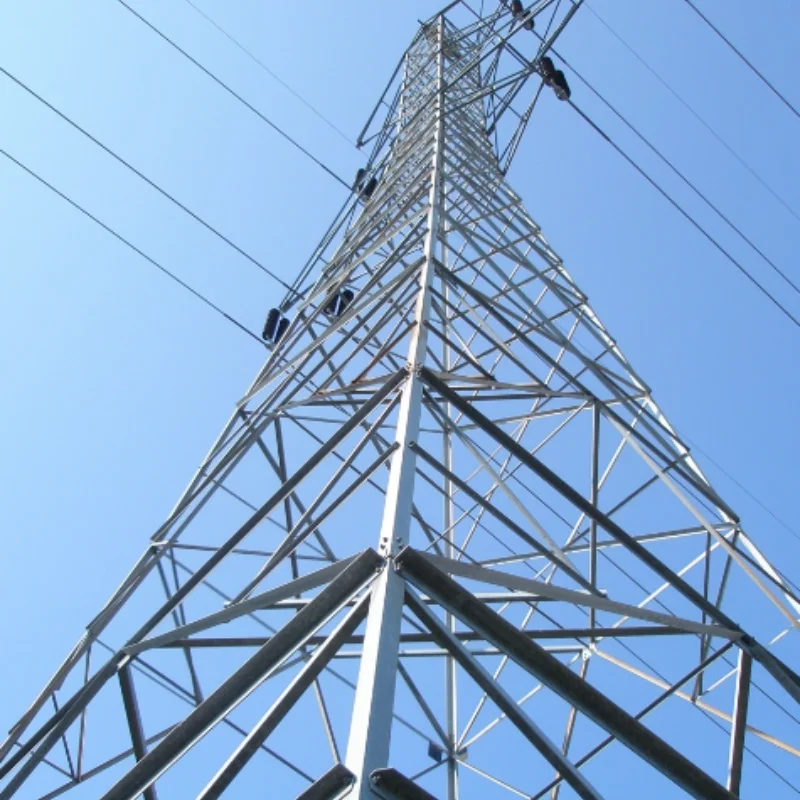
The self supporting lattice tower achieves exceptional structural performance through its innovative triangular or square lattice framework that distributes environmental loads across multiple load paths, creating redundancy that enhances overall system reliability. The geometric configuration of the self supporting lattice tower utilizes the inherent strength of triangulated steel members to resist both compression and tension forces generated by wind loading, seismic activity, and equipment loads. Advanced engineering analysis determines optimal member sizing and connection details to ensure the self supporting lattice tower meets or exceeds industry safety factors under extreme weather conditions. The tapered profile reduces wind loading at higher elevations while maintaining structural stiffness, allowing the self supporting lattice tower to withstand hurricane-force winds that might compromise other tower types. Fatigue resistance becomes critical for long-term performance, and the self supporting lattice tower design minimizes stress concentrations through carefully engineered connection details and load distribution patterns. The lattice configuration provides natural ventilation that reduces wind pressure buildup, making the self supporting lattice tower more efficient at handling dynamic wind loads compared to solid-section alternatives. Quality control during manufacturing ensures consistent material properties and dimensional accuracy, contributing to the self supporting lattice tower's predictable performance characteristics throughout its service life. The modular assembly process allows for precise field construction that maintains the engineered tolerances necessary for optimal structural performance. Regular inspection procedures can easily identify any maintenance needs before they affect the self supporting lattice tower's structural integrity, supporting proactive maintenance programs that extend operational lifespans.
Versatile Mounting Capabilities and Equipment Integration

Versatile Mounting Capabilities and Equipment Integration

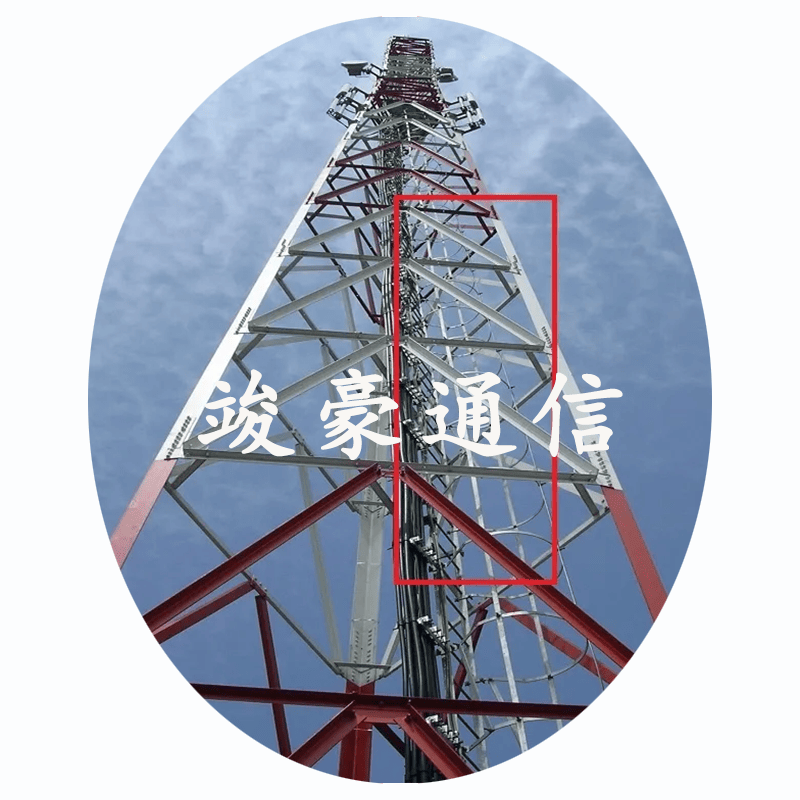
The self supporting lattice tower provides unmatched flexibility for mounting diverse antenna systems and telecommunications equipment through its multi-level platform design and abundant attachment points throughout the structure. The lattice framework of the self supporting lattice tower creates natural mounting locations at regular intervals, allowing operators to position antennas at optimal heights for coverage requirements while maintaining proper separation distances between different systems. The structural design accommodates heavy equipment loads including microwave dishes, cellular antennas, broadcasting equipment, and emergency communication systems without compromising the self supporting lattice tower's stability or performance characteristics. Cable management systems integrate seamlessly with the self supporting lattice tower structure, providing protected routing for coaxial cables, fiber optic lines, and power distribution systems from ground level to antenna mounting positions. The open lattice design facilitates equipment maintenance and upgrades by providing clear access paths for technicians and installation crews working on the self supporting lattice tower. Multiple operators can share the same self supporting lattice tower structure through carefully planned equipment layouts that minimize interference while maximizing revenue potential for tower owners. The self supporting lattice tower design accommodates future technology transitions by providing reserve capacity for additional antennas or upgraded equipment that may require different mounting configurations or increased structural support. Environmental protection features can be integrated into the self supporting lattice tower design, including radome mounting capabilities for sensitive equipment and weather monitoring systems. The structural framework supports auxiliary systems such as aircraft warning lights, security equipment, and remote monitoring devices that enhance the self supporting lattice tower's operational capabilities and regulatory compliance.
Cost-Effective Installation and Long-Term Maintenance

Cost-Effective Installation and Long-Term Maintenance

The self supporting lattice tower delivers exceptional economic value through streamlined installation processes that reduce construction timelines, labor requirements, and site preparation costs compared to alternative tower solutions. The modular design of the self supporting lattice tower enables efficient transportation to remote locations and systematic assembly using standard construction equipment, minimizing specialized machinery requirements and associated rental costs. Foundation requirements for the self supporting lattice tower are typically more straightforward than guy wire systems, reducing excavation work, concrete volumes, and site disruption during construction phases. The galvanized steel construction of the self supporting lattice tower provides superior corrosion resistance that extends maintenance intervals and reduces lifecycle costs, making it an economically attractive option for long-term infrastructure investments. Inspection procedures for the self supporting lattice tower can be completed more efficiently since all structural components are easily accessible without the complications introduced by guy wire systems that require additional safety measures and specialized equipment. The standardized design elements of the self supporting lattice tower facilitate inventory management and spare parts availability, reducing emergency repair costs and minimizing system downtime during maintenance activities. Energy efficiency benefits emerge from the self supporting lattice tower's ability to support multiple operators and services on a single structure, reducing the overall infrastructure footprint and shared operational costs. The self supporting lattice tower's proven reliability record translates into lower insurance premiums and reduced liability exposure for operators and site owners. Professional engineering services for self supporting lattice tower projects often cost less than complex guyed systems due to standardized design procedures and established performance data. The resale value of self supporting lattice tower installations typically remains higher than other tower types due to their versatility and lower maintenance requirements, protecting long-term investment value for infrastructure owners.

Get a Free Quote

Our representative will contact you soon.
Email
Name
Company Name
Message
0/1000