EN
EN



Introduction
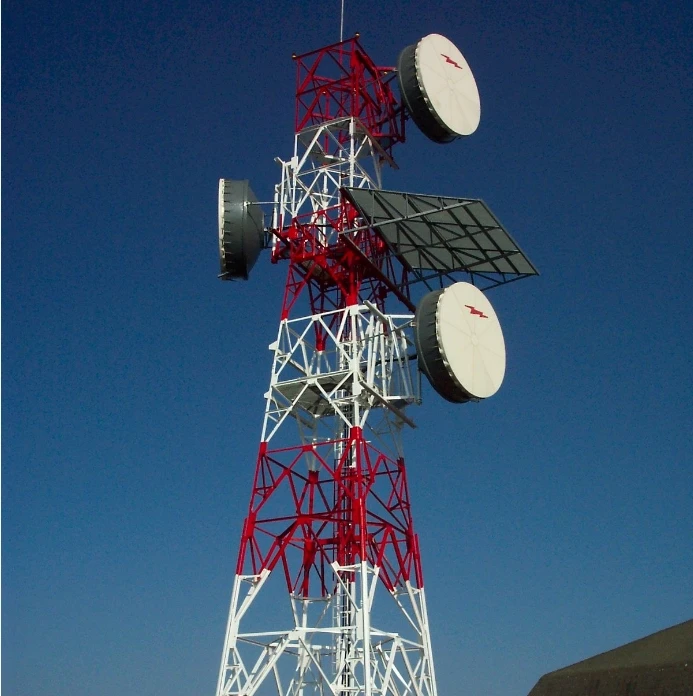
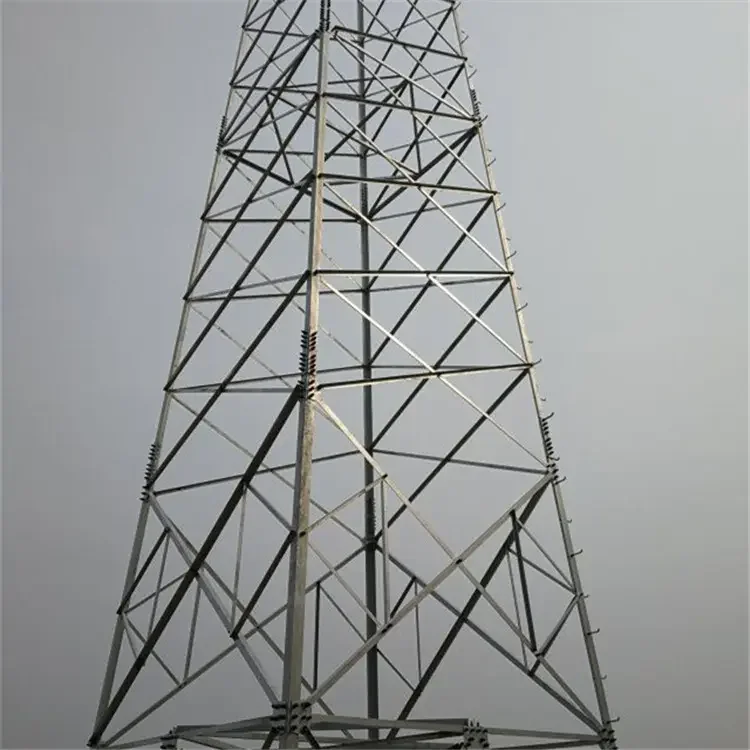
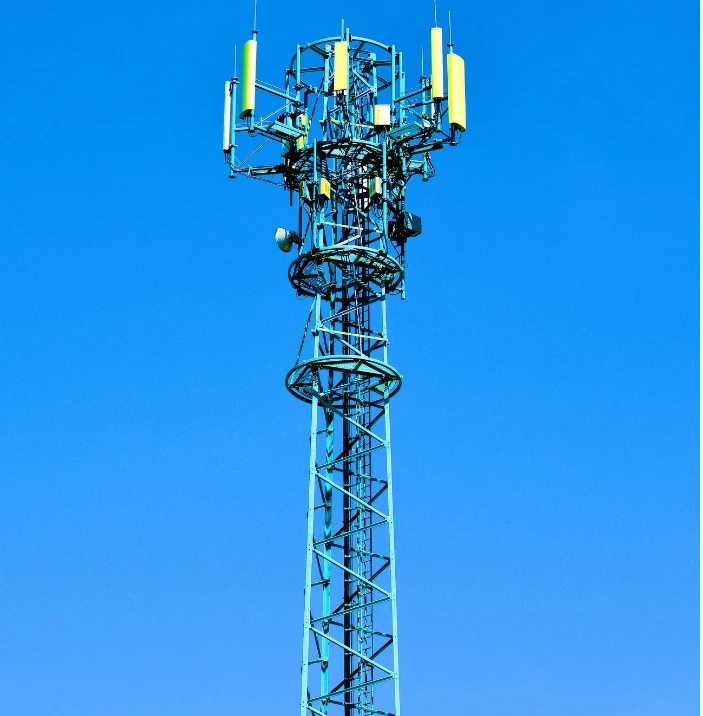
In today's rapidly expanding telecommunications landscape, reliable signal transmission infrastructure forms the backbone of modern communication networks. The 4-Legged Microwave Communication Steel Tower Long-Distance Signal Relay Systems Lattice Tower Angle Steel Material represents a cutting-edge solution designed to meet the demanding requirements of telecommunication providers, broadcasting companies, and wireless service operators worldwide. This robust steel tower system combines advanced engineering principles with premium angle steel construction to deliver exceptional performance in long-distance signal relay applications.
As global connectivity demands continue to surge, the need for dependable microwave communication infrastructure has never been more critical. This lattice tower design incorporates proven structural engineering methodologies to ensure optimal signal propagation while maintaining structural integrity across diverse environmental conditions. Professional telecommunications engineers and network planners recognize the importance of selecting tower systems that can withstand both operational stresses and environmental challenges while providing consistent signal relay performance.
Product Overview
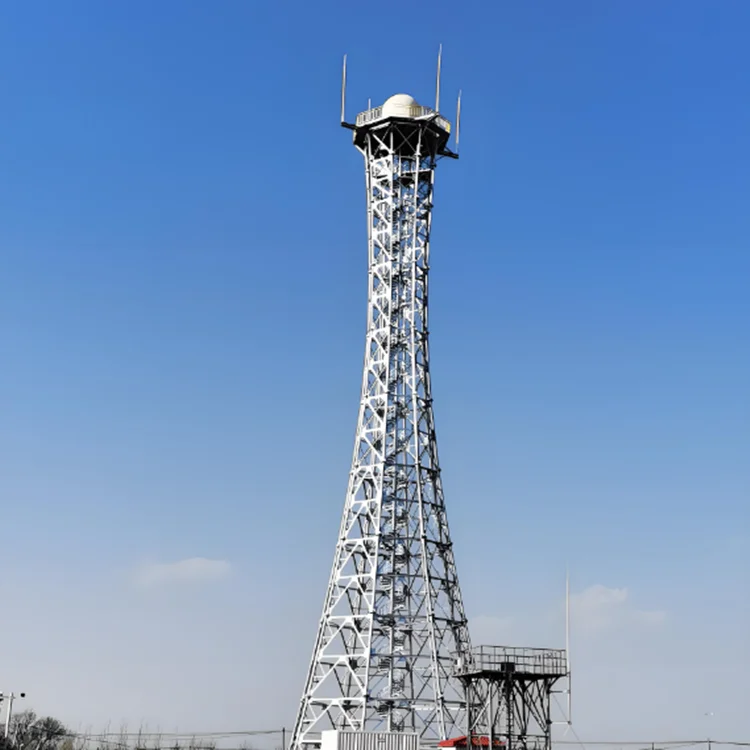
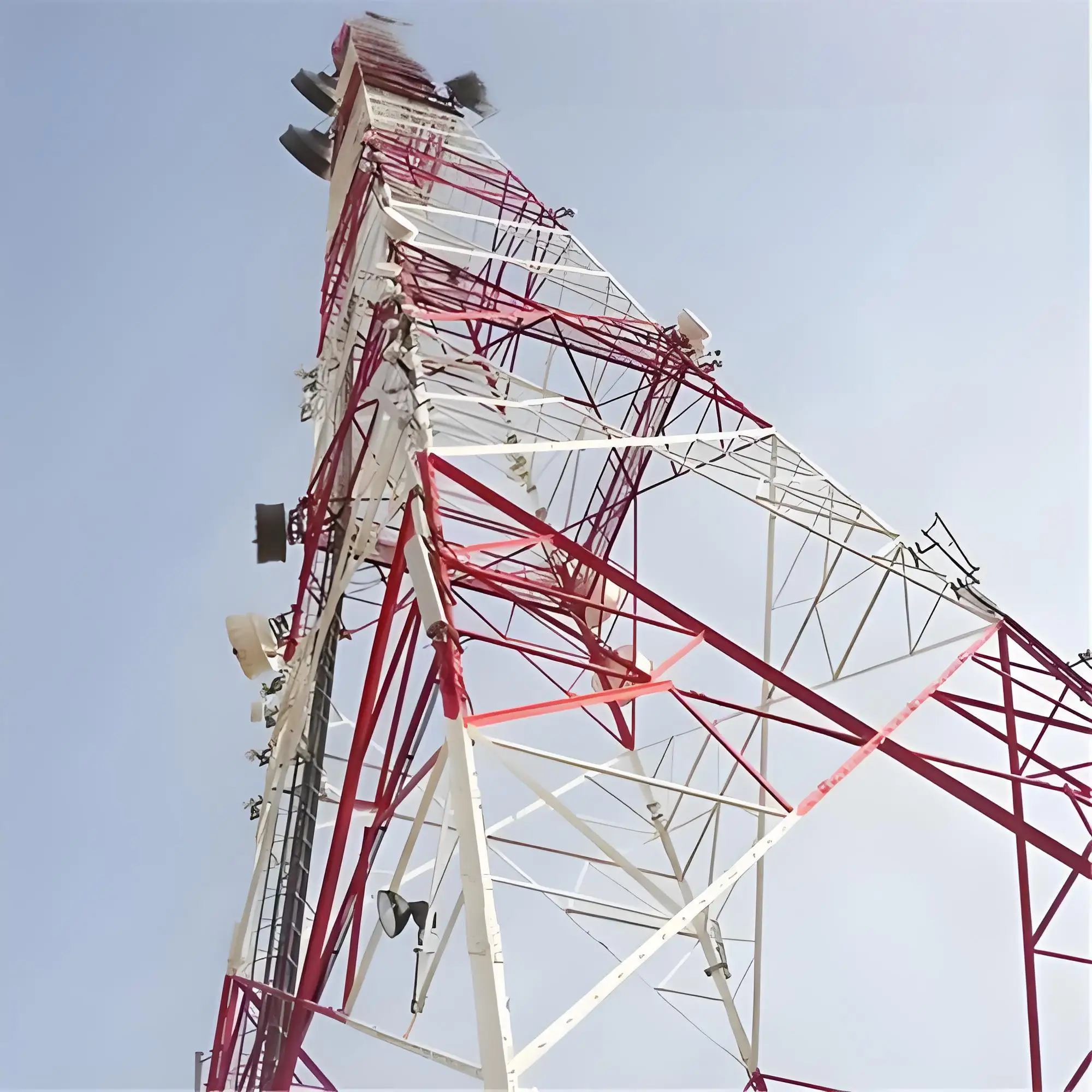
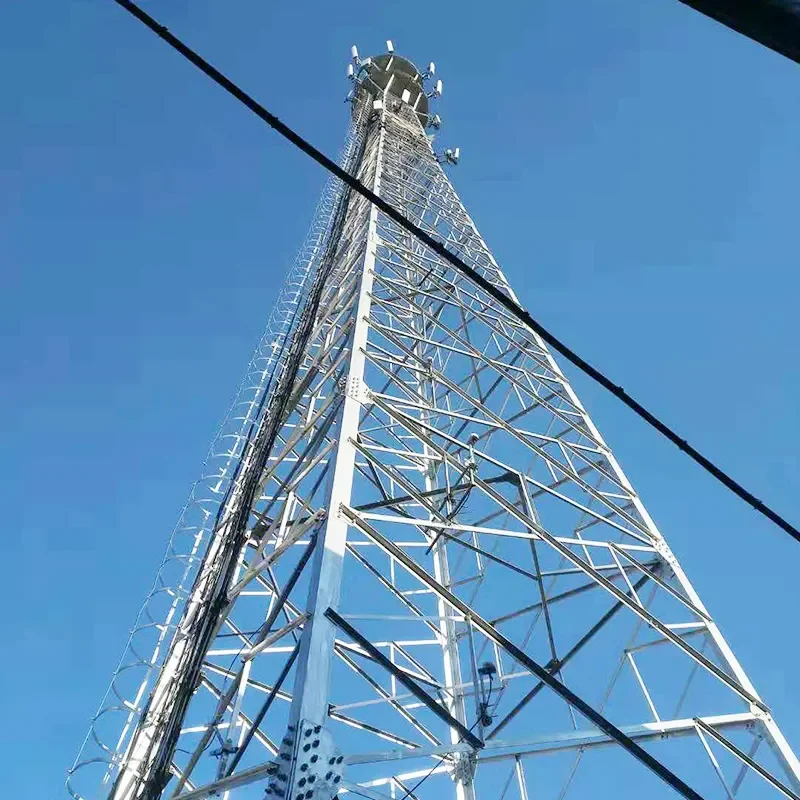
The lattice tower configuration represents a sophisticated approach to telecommunications infrastructure, utilizing angle steel materials strategically arranged in a triangulated framework that maximizes structural strength while minimizing material usage. This engineering approach creates an optimal balance between structural performance and cost-effectiveness, making it an ideal choice for telecommunications providers seeking reliable long-distance signal relay solutions.
Each tower assembly incorporates high-grade angle steel components manufactured to precise specifications, ensuring consistent quality and dimensional accuracy throughout the structure. The lattice design philosophy distributes loads evenly across the tower framework, creating multiple load paths that enhance overall structural redundancy and reliability. This design approach has been refined through decades of telecommunications infrastructure development and represents current best practices in the industry.
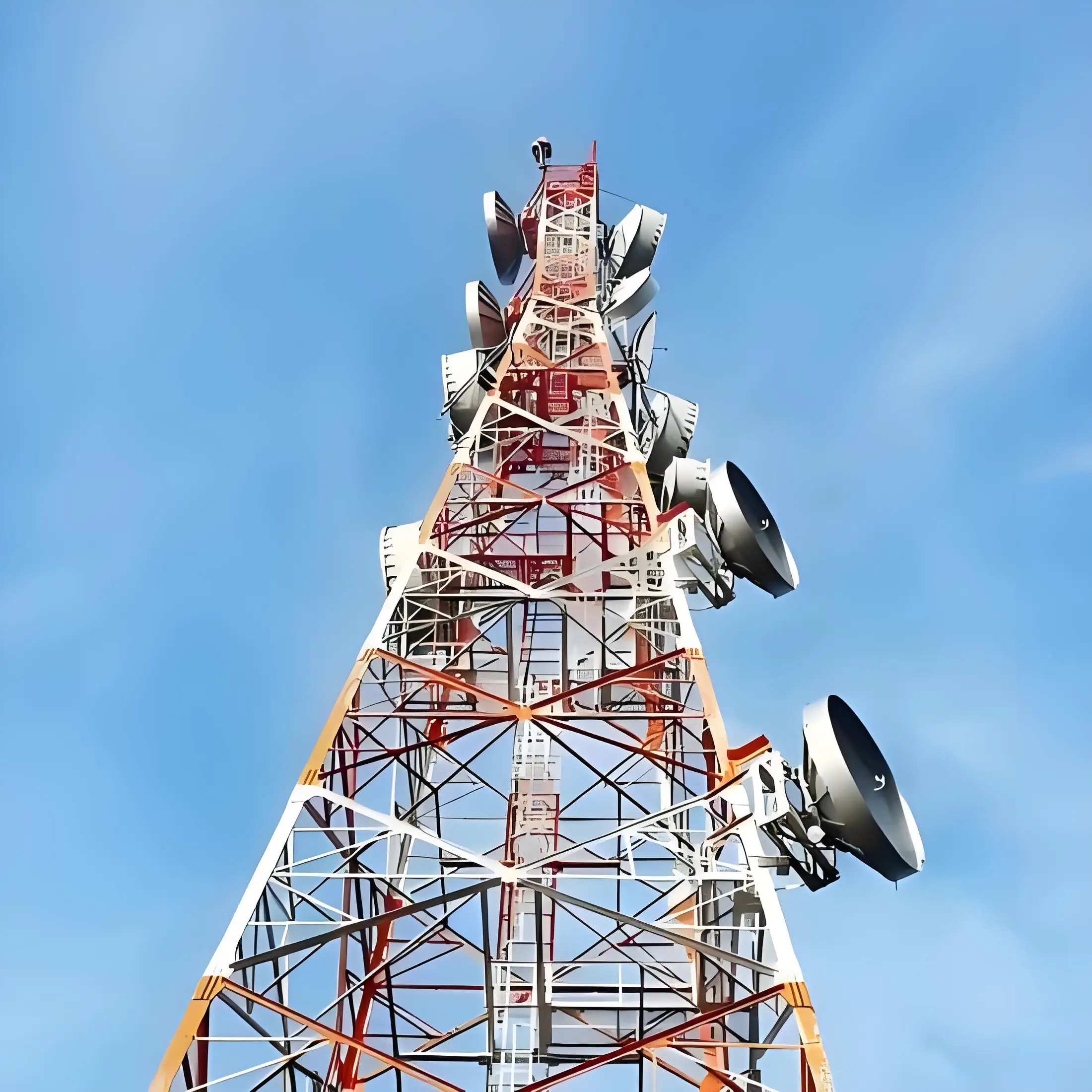
The microwave communication capabilities of this tower system enable efficient signal transmission across extended distances, supporting various frequency bands commonly used in modern telecommunications networks. The structural design accommodates multiple antenna configurations and equipment installations, providing flexibility for diverse communication applications ranging from cellular networks to point-to-point microwave links.
Features & Benefits
Advanced Structural Engineering
The four-legged configuration provides exceptional stability and load distribution characteristics that surpass traditional tower designs. This structural arrangement creates a wide base that effectively distributes wind loads and equipment loads across the foundation system, reducing stress concentrations and enhancing overall tower performance. The lattice framework utilizes triangulated geometry principles that have been proven effective in telecommunications infrastructure applications worldwide.
Premium angle steel materials offer superior strength-to-weight ratios compared to alternative structural materials, enabling efficient tower designs that minimize foundation requirements while maximizing structural capacity. The steel composition includes carefully selected alloy elements that enhance corrosion resistance and mechanical properties, ensuring long-term performance in challenging environmental conditions.
Signal Relay Performance
The tower geometry and material selection work together to minimize signal interference and maximize transmission efficiency. The lattice structure reduces wind resistance while providing multiple mounting points for antenna systems and signal processing equipment. This design flexibility enables telecommunications providers to optimize antenna placement and equipment configuration for specific signal relay requirements.
Microwave communication systems mounted on this tower platform benefit from stable mounting surfaces and reduced structural vibration, which are critical factors in maintaining signal quality and transmission reliability. The tower design incorporates features that minimize electromagnetic interference and provide effective grounding systems for sensitive communication equipment.
Applications & Use Cases
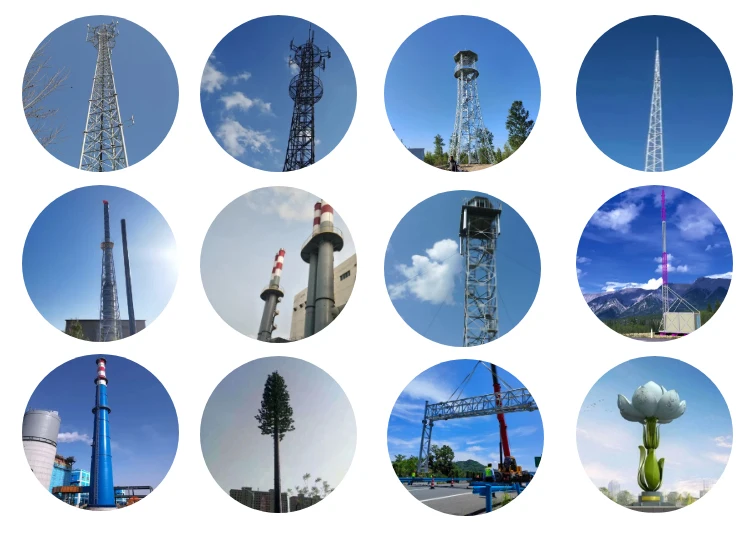
Telecommunications service providers utilize these tower systems for establishing backbone communication networks that connect urban centers, rural communities, and remote locations. The long-distance signal relay capabilities make these towers particularly valuable for bridging geographical gaps where fiber optic installation may be impractical or cost-prohibitive. These applications include cellular network backhaul, internet service provider networks, and emergency communication systems.
Broadcasting organizations employ similar tower configurations for television and radio transmission applications, where reliable signal propagation across extended coverage areas is essential. The structural stability and equipment mounting flexibility of the 4-Legged Microwave Communication Steel Tower Long-Distance Signal Relay Systems Lattice Tower Angle Steel Material make it suitable for supporting high-gain antennas and transmission equipment required for broadcast applications.
Industrial and commercial facilities often require dedicated communication networks for operations monitoring, security systems, and process control applications. These tower systems provide the infrastructure foundation for private microwave networks that enable secure, reliable communication between facility locations and control centers. Mining operations, oil and gas facilities, and utility companies represent key market segments for these specialized communication tower applications.
Government and military organizations require robust communication infrastructure for defense, emergency response, and public safety applications. The structural reliability and signal transmission capabilities of lattice tower systems make them suitable for mission-critical communication networks where performance and reliability cannot be compromised.
Quality Control & Compliance
Manufacturing processes for these tower systems incorporate comprehensive quality control measures that ensure consistent material properties and dimensional accuracy throughout production. Steel materials undergo rigorous testing protocols that verify chemical composition, mechanical properties, and surface quality characteristics. These quality control procedures align with international standards for telecommunications infrastructure and structural steel construction.
Fabrication processes utilize advanced welding techniques and precise cutting methods that maintain structural integrity while achieving the dimensional tolerances required for proper tower assembly. Quality assurance personnel monitor each production stage to identify and address any deviations from established specifications, ensuring that delivered products meet the exacting standards expected by telecommunications professionals.
Environmental testing procedures validate tower performance under various climatic conditions, including temperature extremes, humidity variations, and corrosive atmospheres. These testing protocols ensure that the angle steel materials and protective coatings provide adequate corrosion resistance for the intended service environment. Compliance with relevant international standards demonstrates the manufacturer's commitment to delivering products that meet global telecommunications infrastructure requirements.
Customization & Branding Options
Engineering teams work closely with telecommunications providers to develop customized tower configurations that address specific site requirements and operational parameters. Customization options include modifications to tower height, leg spacing, bracing patterns, and equipment mounting provisions. These adaptations ensure optimal performance for unique geographical conditions, regulatory requirements, and technical specifications.
Surface treatment and coating systems can be tailored to specific environmental conditions and aesthetic preferences. Options include various galvanizing processes, specialized paint systems, and decorative treatments that enhance corrosion protection while meeting local regulatory and aesthetic requirements. These customization capabilities enable telecommunications providers to specify tower systems that align with their operational standards and brand requirements.
Documentation and certification packages can be customized to meet specific regional standards and customer requirements. Engineering drawings, material certifications, and compliance documentation are prepared according to customer specifications and local regulatory frameworks. This comprehensive approach ensures that delivered tower systems meet all applicable standards and facilitate smooth project approval processes.
Packaging & Logistics Support
Specialized packaging solutions protect tower components throughout international shipping and handling processes. Steel components are carefully bundled and secured using appropriate packaging materials that prevent damage during transit while facilitating efficient handling at destination ports and installation sites. Packaging designs accommodate various transportation modes including container shipping, truck transport, and rail delivery.
Logistics coordination services assist customers with planning and executing complex tower delivery projects that may involve multiple shipments and specialized handling requirements. Professional logistics teams work with international freight forwarders and local transportation providers to ensure timely delivery while minimizing handling costs and transit risks. These services include customs documentation preparation, port handling coordination, and final delivery scheduling.
Installation support materials accompany tower shipments to facilitate efficient on-site assembly processes. Comprehensive assembly drawings, component identification systems, and installation guidelines help construction teams achieve proper tower assembly while maintaining quality standards. These materials are prepared by experienced engineers who understand the practical challenges associated with tower installation projects.
Why Choose Us
Our organization brings decades of experience in telecommunications infrastructure manufacturing and has established a global presence serving customers across multiple continents. This extensive experience enables us to understand the diverse requirements of international telecommunications markets and deliver solutions that meet specific regional needs and standards. Our engineering teams collaborate with telecommunications professionals worldwide to continuously improve product designs and manufacturing processes.
As a recognized metal packaging manufacturer and custom tin box supplier, our company has developed comprehensive expertise in steel fabrication and protective coating systems that translate directly into superior telecommunications tower products. This cross-industry experience provides unique insights into material science and manufacturing processes that benefit our telecommunications infrastructure customers. Our capabilities as an OEM tin packaging solutions provider demonstrate our commitment to precision manufacturing and quality control.
Quality certifications and international standards compliance demonstrate our commitment to delivering products that meet the stringent requirements of modern telecommunications networks. Our manufacturing facilities incorporate advanced equipment and quality control systems that ensure consistent product quality and performance. Professional engineering support services help customers optimize tower designs for specific applications and site conditions.
Our role as a trusted metal packaging supplier has established strong relationships with steel suppliers and coating specialists worldwide, enabling us to source premium materials and incorporate the latest advances in steel technology and protective coatings. These relationships ensure that our telecommunications tower products benefit from the highest quality materials and most advanced manufacturing processes available in the industry.
Conclusion
The 4-Legged Microwave Communication Steel Tower Long-Distance Signal Relay Systems Lattice Tower Angle Steel Material represents a proven solution for modern telecommunications infrastructure requirements. Its combination of advanced structural engineering, premium materials, and flexible design capabilities makes it an ideal choice for telecommunications providers seeking reliable long-distance signal relay performance. The lattice tower configuration delivers exceptional structural stability while accommodating diverse antenna systems and communication equipment configurations. Professional manufacturing processes and comprehensive quality control measures ensure consistent product quality and long-term performance reliability. This tower system provides telecommunications organizations with the infrastructure foundation necessary to build robust communication networks that serve communities and businesses worldwide with dependable connectivity solutions.
item |
value |
Model Number |
Three Legged Tubular Tower |
Type |
Telecommunication Tower |
Place of Origin |
China |
Hebei |
|
Brand Name |
JUNHAO |
Product name |
Telecom Tower |
Material |
Galvanized Steel |
Surface treatment |
Hot Dip Galvanised |
Application |
Mobile Communication Tower |
Structure |
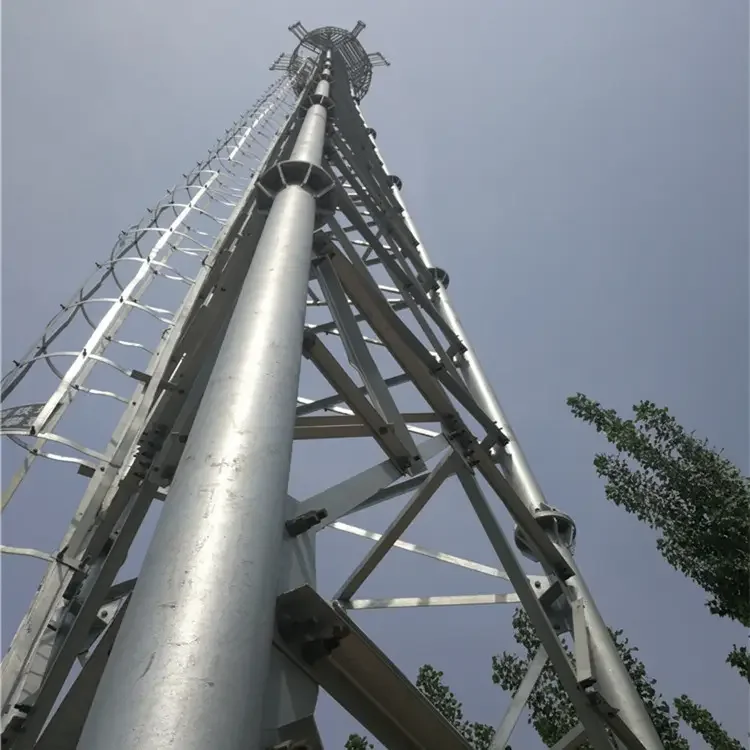
Three or four Support Legs |
Shape |
3 Legs Tubular Towers |
Standard |
GB / ANSI / TIA-222-G |
Size |
Costomer's Request |
Color |
Customized Color |
Anti-corrosion process |
Antioxidant Layer |

Design |
||||
1. Design Code |
TIA/EIA-222-G/F |
|||
Structure Steel |
||||
2. Grade |
Mild Steel |
High Tensile Steel |
||
GB/T 700:Q235B, Q235C,Q235D |
GB/T1591:Q345B, Q345C,Q3455D |
|||
ASTM A36 |
ASTM A572 Gr50 |
|||
EN10025: S235JR, S235J0,S235J2 |
EN10025: S355JR, S355J0,S355J2 |
|||
3. Design Wind Speed |
Up to 250 km/h |
|||
4. Allowable deflection |
0.5 ~1.0 degree @ operational speed |
|||
5. Tension strength (Mpa) |
360~510 |
470~630 |
||
6. Yield strength (t≤16mm) (Mpa) |
355 |
235 |
||
7. Elongation (%) |
20 |
24 |
||
8. Impact strength KV (J) |
27(20°C)---Q235B(S235JR) |
27(20°C)---Q345B(S355JR) |
||
27(0°C)---Q235C(S235J0) |
27(0°C)---Q345C(S355J0) |
|||
27(-20°C)---Q235D(S235J2) |
27(-20°C)---Q345D(S355J2) |
|||


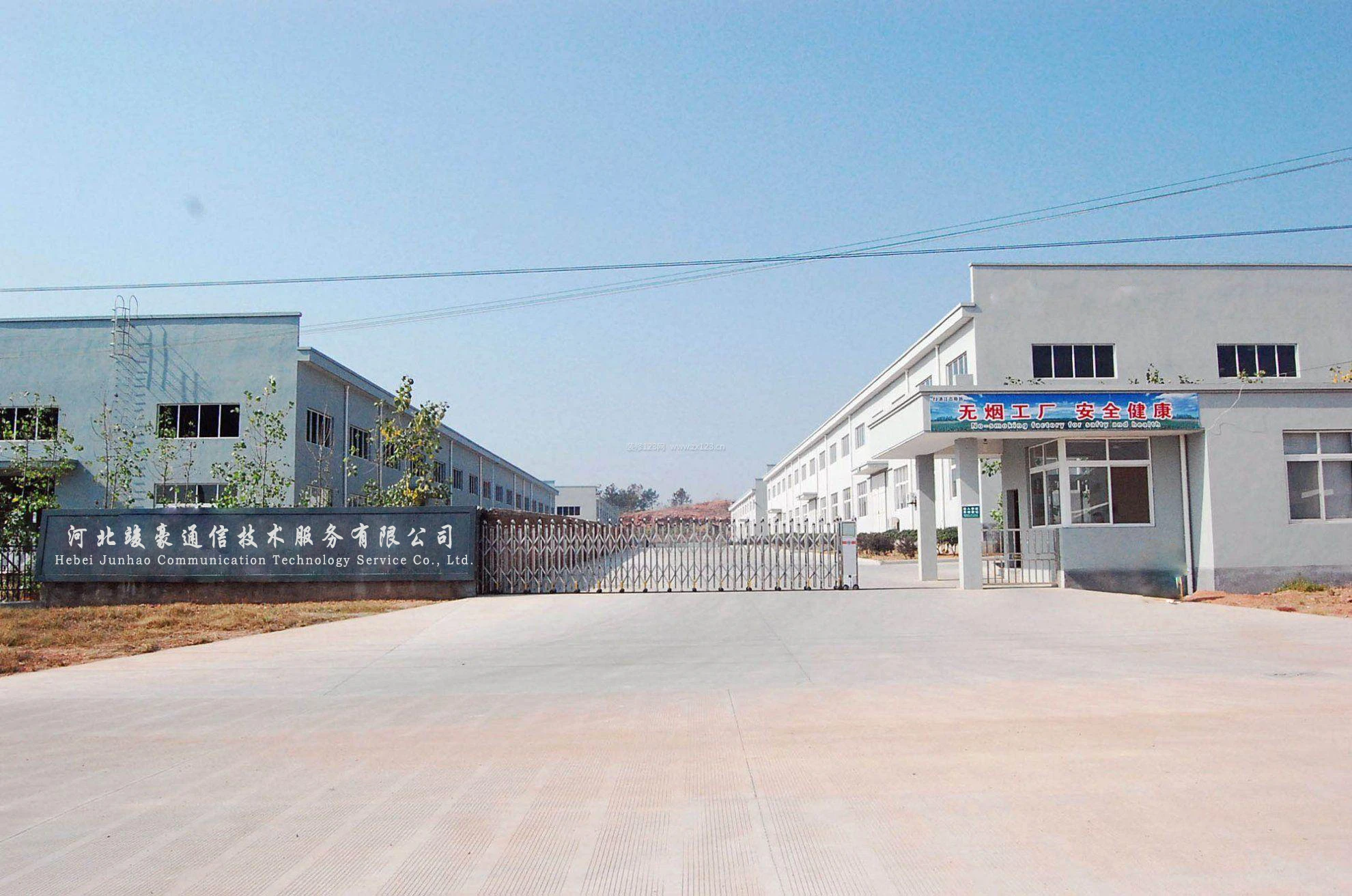
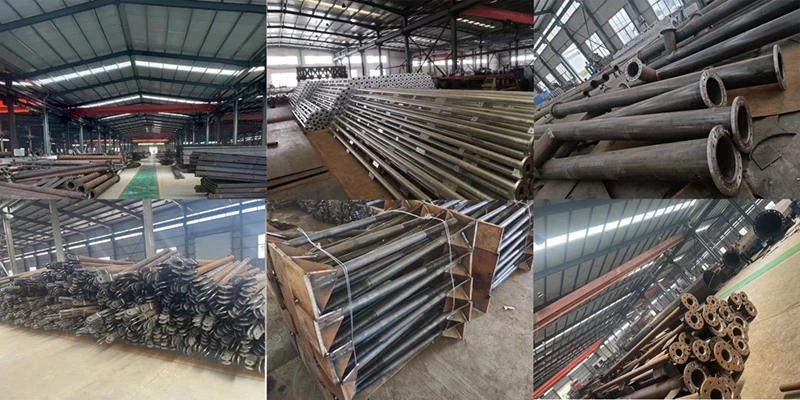
first class scale and output in China, adopting the advanced automatically controlled assembly lines of hot dipped galvanization.The new-type products have features of surface reinforcement, surface prevention and surface beautification.


No, we can design and produce it as customer's request.
2. Manufacturer or trade company?
We are manufacturer and have own factory, and welcome to visit our factory.
3. Delivery time?
Usually, within 20day. And we produce and ship product according to buyer's request.
4. How long does the service life for steel tower?
We can assured more than 30years' service life.
5. For assembly, is it very complex and is there a assembly book or guidance?
We will provide assembly drawing with shipping the cargo.