ຫອງສື່ສານຄຸນນະພາບສູງ
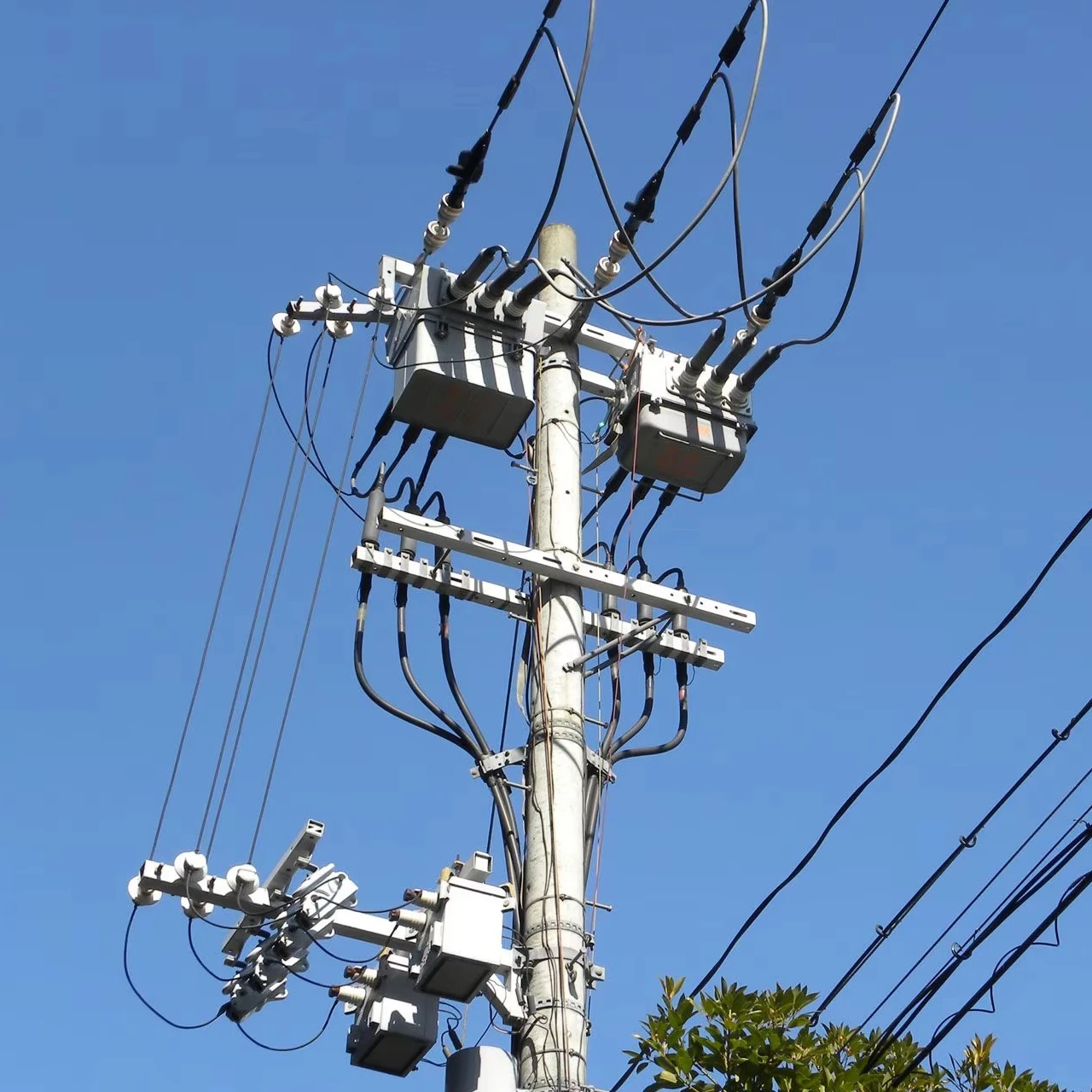
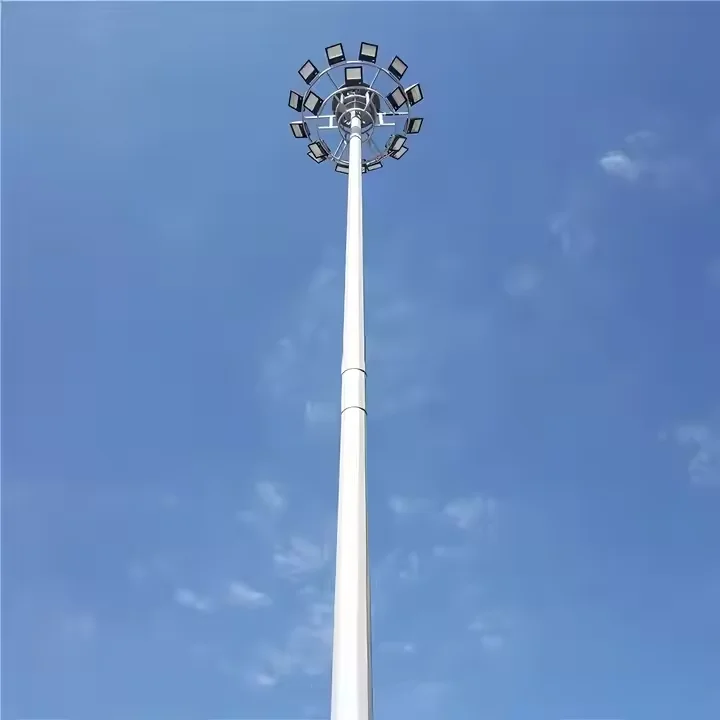
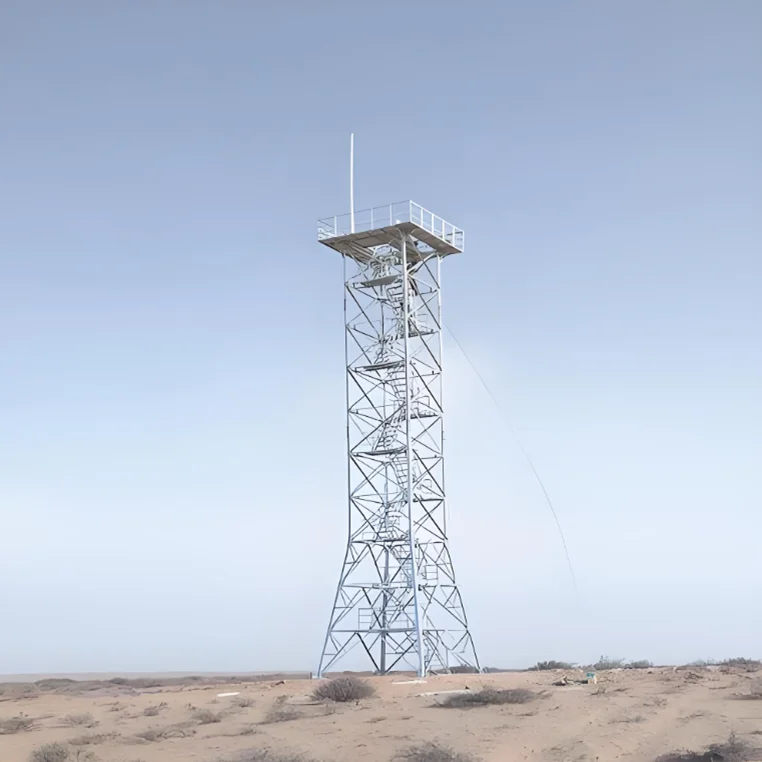
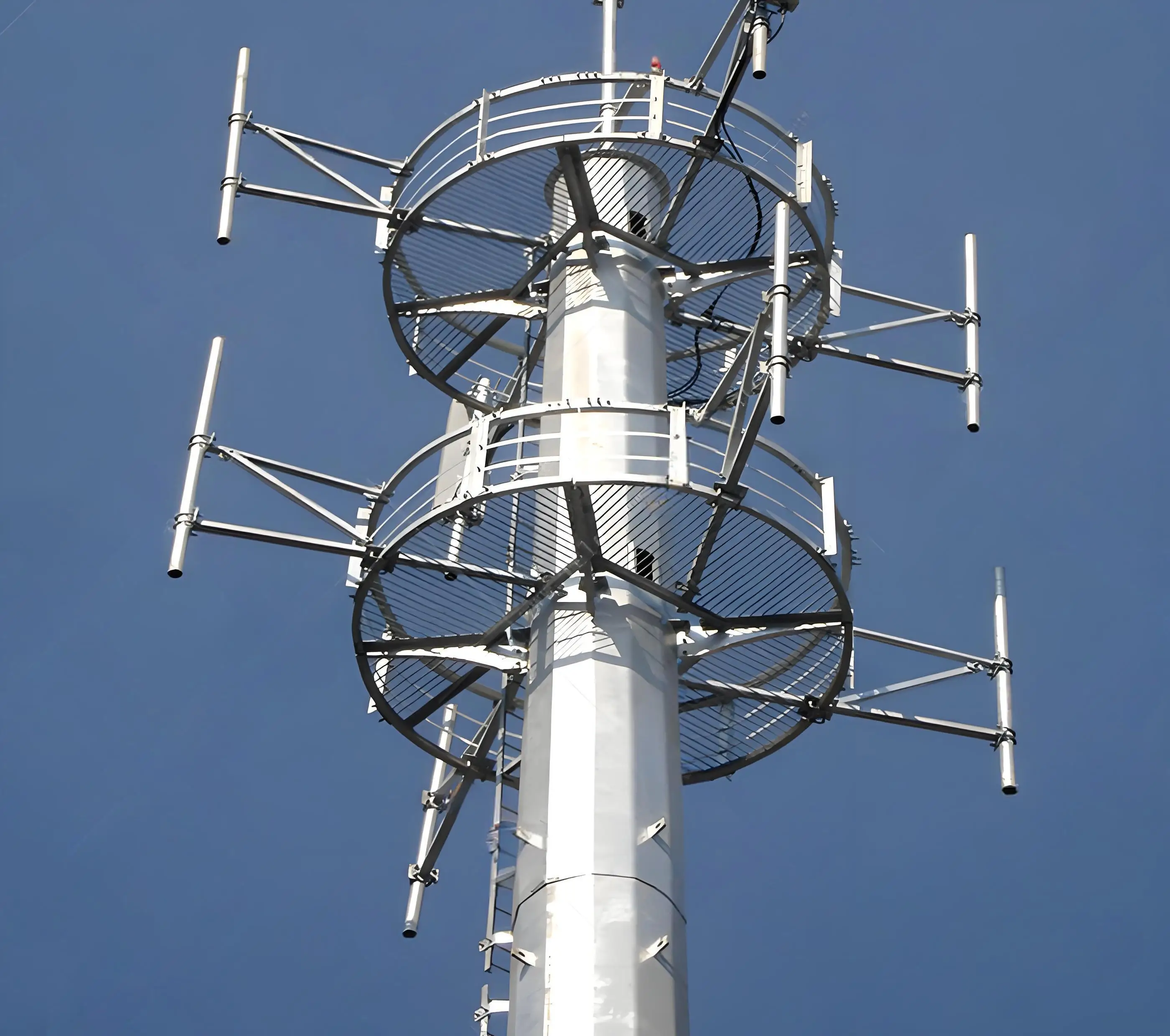
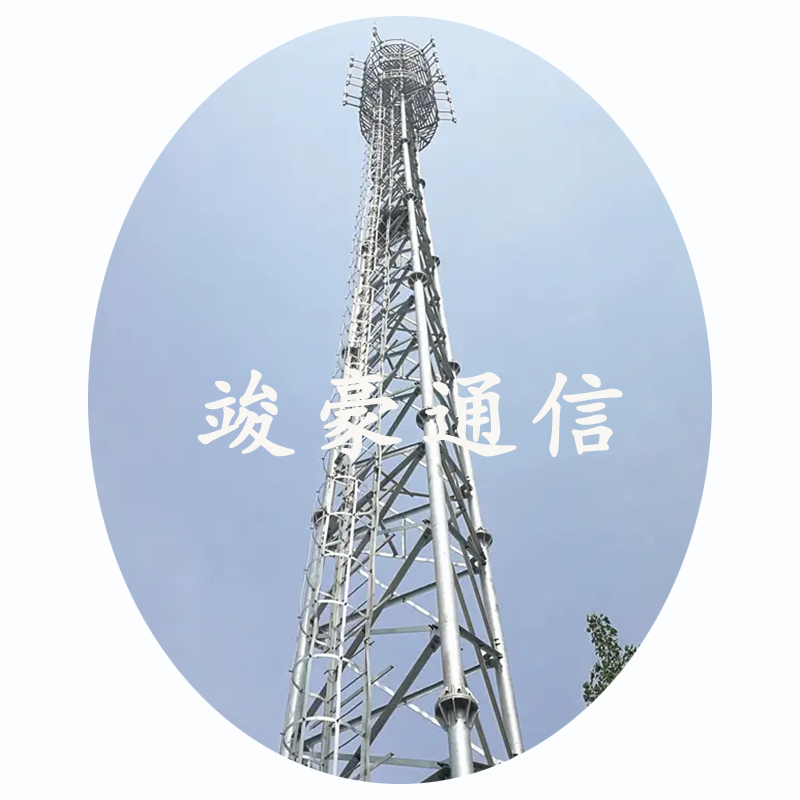
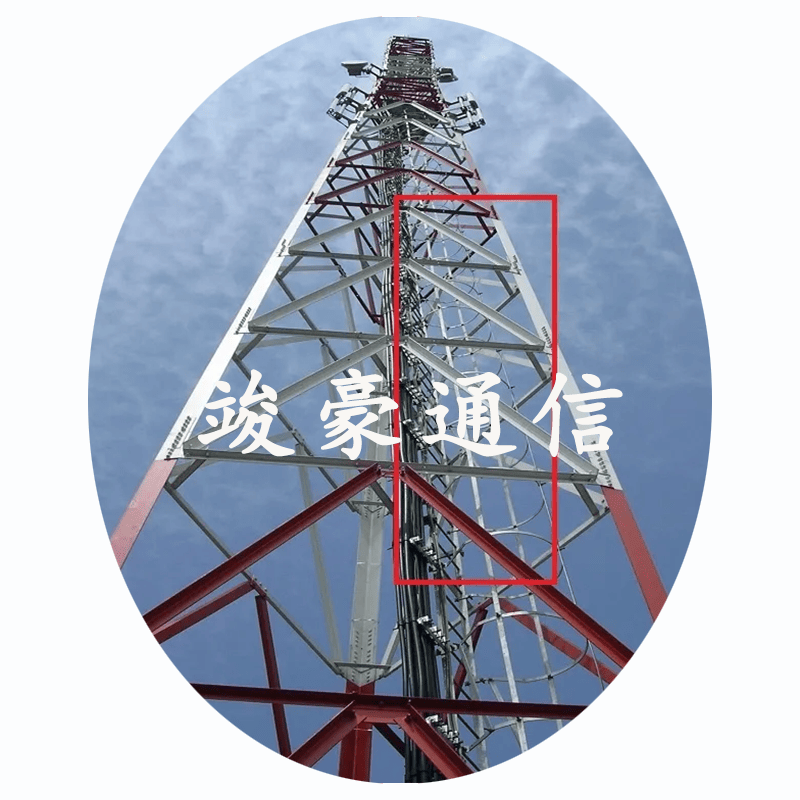
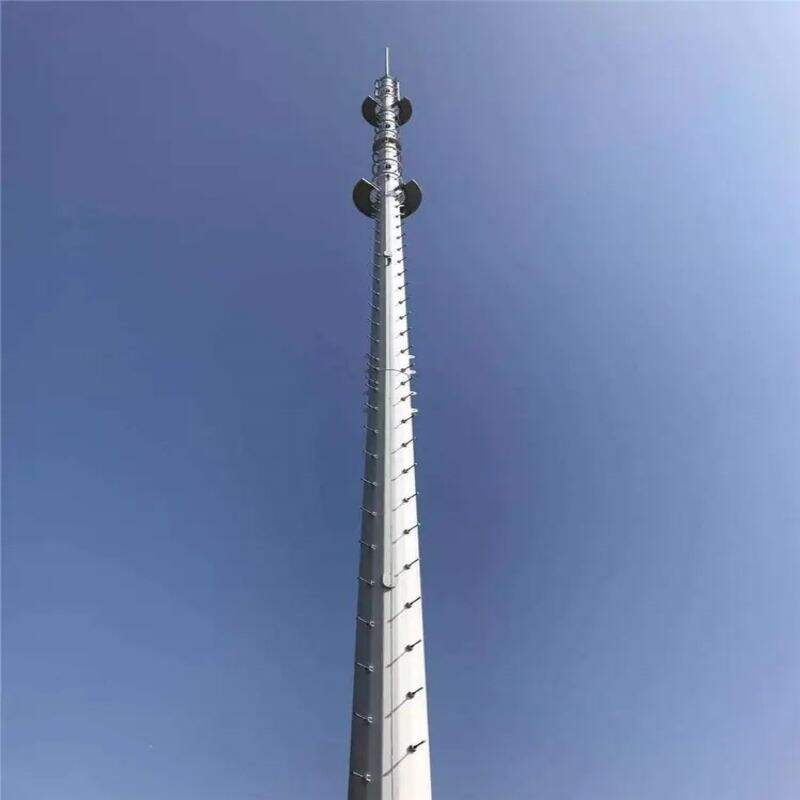
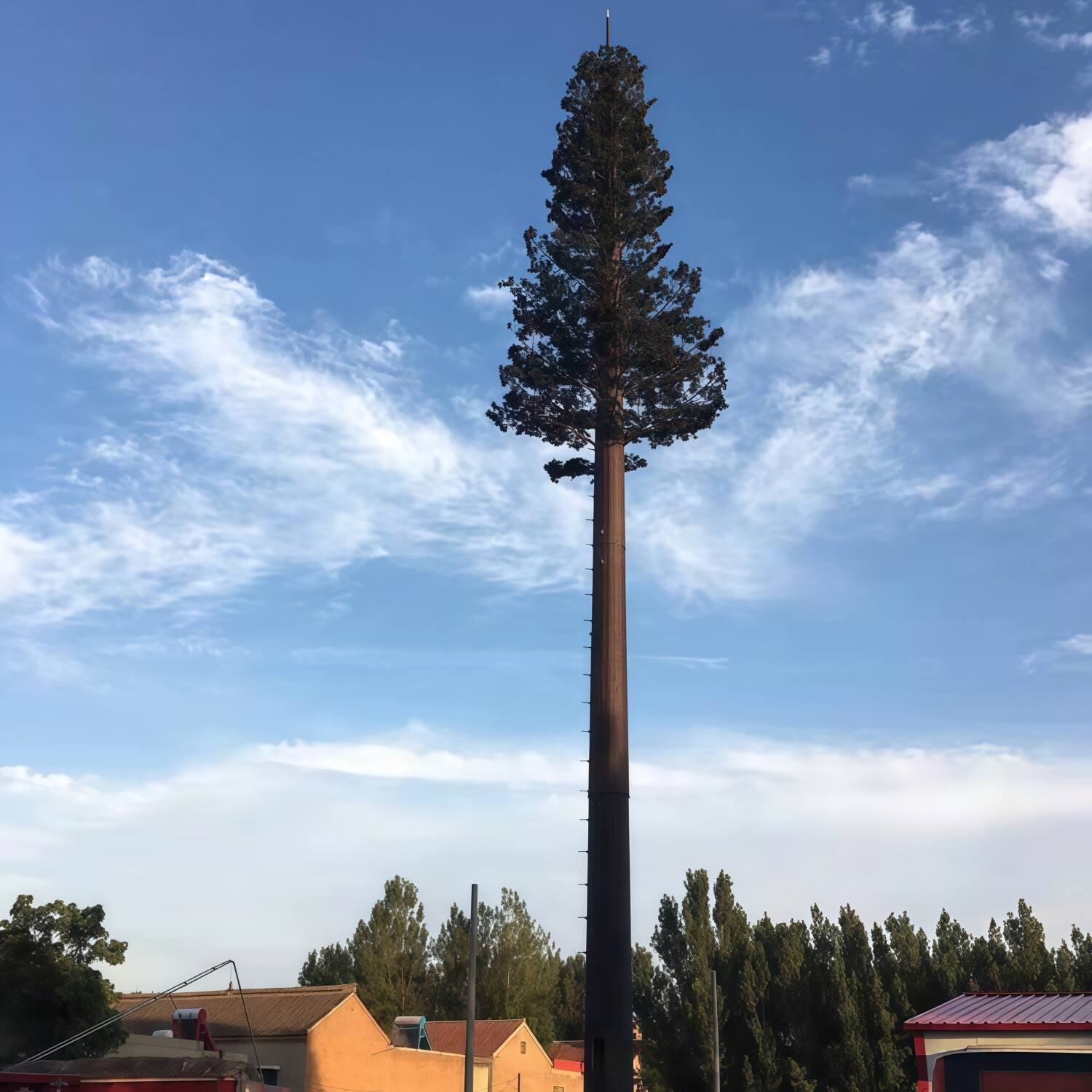
ຫໍສື່ສານຄຸນນະພາບສູງເປັນສ່ວນທີ່ສຳຄັນທີ່ສຸດຂອງໂຄງສ້າງພື້ນຖານການສື່ສານທີ່ທັນສະໄໝ ເຊິ່ງເຮັດຫນ້າທີ່ເປັນສ່ວນປະກອບທີ່ສຳຄັນໃນການຮັບປະກັນການເຊື່ອມຕໍ່ຢ່າງລຽບລ້ອນທົ່ວເຂດພື້ນທີ່ທີ່ກວ້າງຂວາງ. ສິ່ງກໍ່ສ້າງທີ່ສຸກເສີນເຫຼົ່ານີ້ຖືກອອກແບບມາເພື່ອຮັບຮອງອຸປະກອນການສື່ສານຕ່າງໆ ເຊັ່ນ: ແອນເຕັນນາເຊວເລີຍ, ຈານໄມໂຄຣເວຟ, ອຸປະກອນການອອກອາກາດ, ແລະ ລະບົບການສື່ສານສຳລັບເຫດສຸກເສີນ. ໜ້າທີ່ຫຼັກຂອງຫໍສື່ສານຄຸນນະພາບສູງແມ່ນການສະໜັບສະໜູນການສົ່ງ-ຮັບສັນຍານໄວເລດລະຫວ່າງອຸປະກອນມືຖື, ສະຖານີຖາວອນ (base stations), ແລະ ສ່ວນປະກອບຂອງໂຄງສ້າງເຄືອຂ່າຍ. ຫໍເຫຼົ່ານີ້ຖືກອອກແບບຢ່າງລະອຽດເພື່ອຕ້ານທານສະພາບອາກາດຮຸນແຮງ, ການເຄື່ອນໄຫວຂອງເຂົ້າເທິງ (seismic activities), ແລະ ການຮີດຂອງສັນຍານໄຟຟ້າ (electromagnetic interference) ໂດຍຍັງຄົງຮັກສາຄຸນນະພາບສັນຍານໃນລະດັບທີ່ດີທີ່ສຸດ. ການຕິດຕັ້ງຫໍສື່ສານຄຸນນະພາບສູງໃນປັດຈຸບັນໃຊ້ວັດສະດຸທີ່ທັນສະໄໝ ເຊັ່ນ: ເຫຼັກທີ່ຖືກຊຸບສັງกะສີ (galvanized steel), ອະລູມິເນັຽມ (aluminum alloys), ແລະ ວັດສະດຸປະກອບ (composite materials) ເພື່ອຮັບປະກັນຄວາມເຂັ້ມແຂງຂອງໂຄງສ້າງ ແລະ ອາຍຸການໃຊ້ງານທີ່ຍາວນານ. ຄຸນສົມບັດດ້ານເຕັກໂນໂລຊີຂອງຫໍເຫຼົ່ານີ້ປະກອບດ້ວຍລະບົບປ້ອງກັນຟ້າແຜກ, ລະບົບຕໍ່ດິນ (grounding networks), ແສງເຕືອນສຳລັບຄວາມປອດໄພຂອງການບິນ (obstruction lighting), ແລະ ແຖວຕິດຕັ້ງແບບປະກອບ (modular mounting platforms) ທີ່ສາມາດຮັບຮອງຜູ້ໃຫ້ບໍລິການຫຼາຍຄົນໄດ້ພ້ອມກັນ. ຄວາມສູງຂອງຫໍປົກກະຕິແລ້ວຈະຢູ່ໃນລະດັບ 30 ແມັດເທີສຳລັບການຕິດຕັ້ງໃນເຂດເມືອງ ແລະ ມາກກວ່າ 200 ແມັດເທີສຳລັບເຂດຊົນນະບົດ ໂດຍຫໍແຕ່ລະອັນຈະຖືກຈັດຕັ້ງຢູ່ໃນບ່ອນທີ່ຖືກຄຳນວນຢ່າງດີເພື່ອໃຫ້ຄຸມຄຸມເຂດເປົ້າໝາຍໃຫ້ກວ້າງທີ່ສຸດ ແລະ ຫຼຸດຜ່ອນການຮີດຂອງສັນຍານໃຫ້ໜ້ອຍທີ່ສຸດ. ການນຳໃຊ້ຫໍເຫຼົ່ານີ້ມີທັງໃນເຄືອຂ່າຍເຊວເລີຍ, ການສື່ສານຂອງບໍລິການສຸກເສີນ, ສະຖານີອອກອາກາດ, ຜູ້ໃຫ້ບໍລິການອິນເຕີເນັດ, ແລະ ການສື່ສານທີ່ເປັນພິເສດຂອງກອງທັບ ຫຼື ລັດຖະບານ. ລະບົບຮາກຖານ (foundation systems) ຖືກອອກແບບດ້ວຍເຫຼັກເສີມ ແລະ ລະບົບເຊື່ອມຕໍ່ດ້ວຍເຫຼັກທີ່ຮັບປະກັນຄວາມສະຖຽນທີ່ຢ່າງຍອດເຍື່ອມ ເຖິງແມ່ນວ່າຈະຢູ່ໃນສະພາບດິນທີ່ທັງໝົດ. ການອອກແບບຫໍສື່ສານຄຸນນະພາບສູງທີ່ທັນສະໄໝຍັງປະກອບດ້ວຍວິທີການກໍ່ສ້າງແບບເອີ້ນຂຶ້ນ (tilt-up construction methods) ເຊິ່ງຊ່ວຍຫຼຸດເວລາ ແລະ ຄ່າໃຊ້ຈ່າຍໃນການຕິດຕັ້ງ ໂດຍບໍ່ເສຍຄຸນນະພາບດ້ານໂຄງສ້າງ. ການຕິດຕັ້ງເຫຼົ່ານີ້ສາມາດຮັບຮອງບ່ອນຄວາມຖີ່ຫຼາຍຊ່ວງພ້ອມກັນ ເຊິ່ງເຮັດໃຫ້ເຕັກໂນໂລຊີໄວເລດ 4G, 5G ແລະ ເຕັກໂນໂລຊີໃໝ່ໆໃນອະນາຄົດສາມາດເຮັດວຽກໄດ້ຢ່າງມີປະສິດທິພາບຈາກໂຄງສ້າງດຽວກັນ.


 EN
EN