 EN
EN


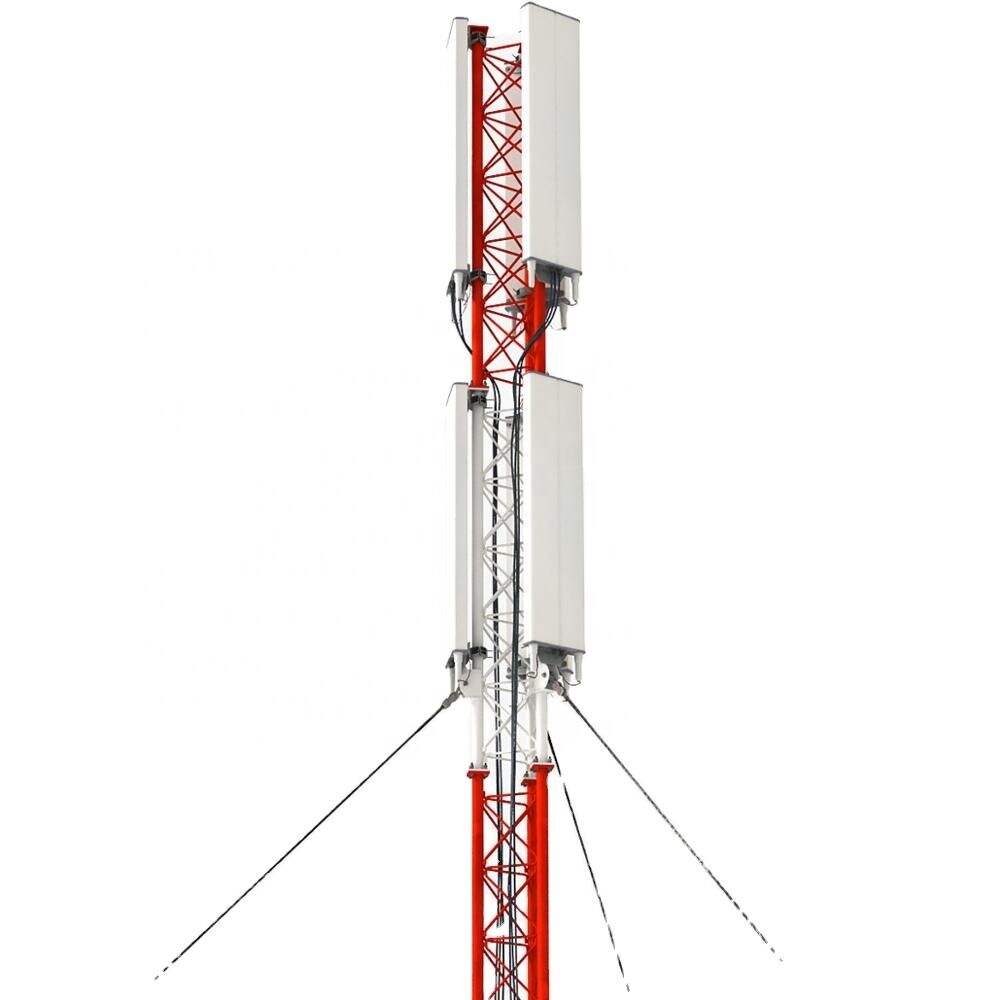
ឧស្សាហកម្មទេសចរណ៍អេឡិចត្រូនិក កំពុងប្រឈមនឹងសម្ពាធជាបន្តបន្ទាប់ដើម្បីដំឡើងហេដ្ឋារចនាសម្ប័នឱ្យបានលឿនជាងមុន ថោកជាងមុន និងមានការរំខានតិចប៉ុណ្ណោះទៅលើបរិស្ថានជុំវិញ។ ការផលិតជាមុននៃ ប៉ុស្តិ៍ទូរសព្ទចល័ត បានក្លាយជាវិធីសាស្ត្រដែលបានបញ្ជាក់ថាមានប្រសិទ្ធភាព ដែលដោះស្រាយដោយផ្ទាល់នូវសម្ពាធទាំងនេះ ដោយផ្លាស់ប្តូរការងារសាងសង់ភាគច្រើនពីលក្ខខណ្ឌក្រៅទីក្រុងដែលមិនអាចទស្សន៍ទាយបាន ទៅកាន់បរិស្ថានរោងចក្រ ឬបរិស្ថានរៀបចំដែលគ្រប់គ្រងបាន។ ដោយសារតែអ្នកប្រតិបត្តិបណ្តាញចល័តកំពុងប្រកួតប្រជែងគ្នាដើម្បីពង្រីកការគ្របដណ្តប់ 4G និង 5G សមត្ថភាពក្នុងការបង្ហាប់រយៈពេល និងកាត់បន្ថយការចំណាយសម្រាប់ការដំឡើងប៉ោងនីមួយៗ បានក្លាយជាអត្ថប្រយោជន៍ប្រកួតប្រជែងដែលសំខាន់ខ្លាំងណាស់។
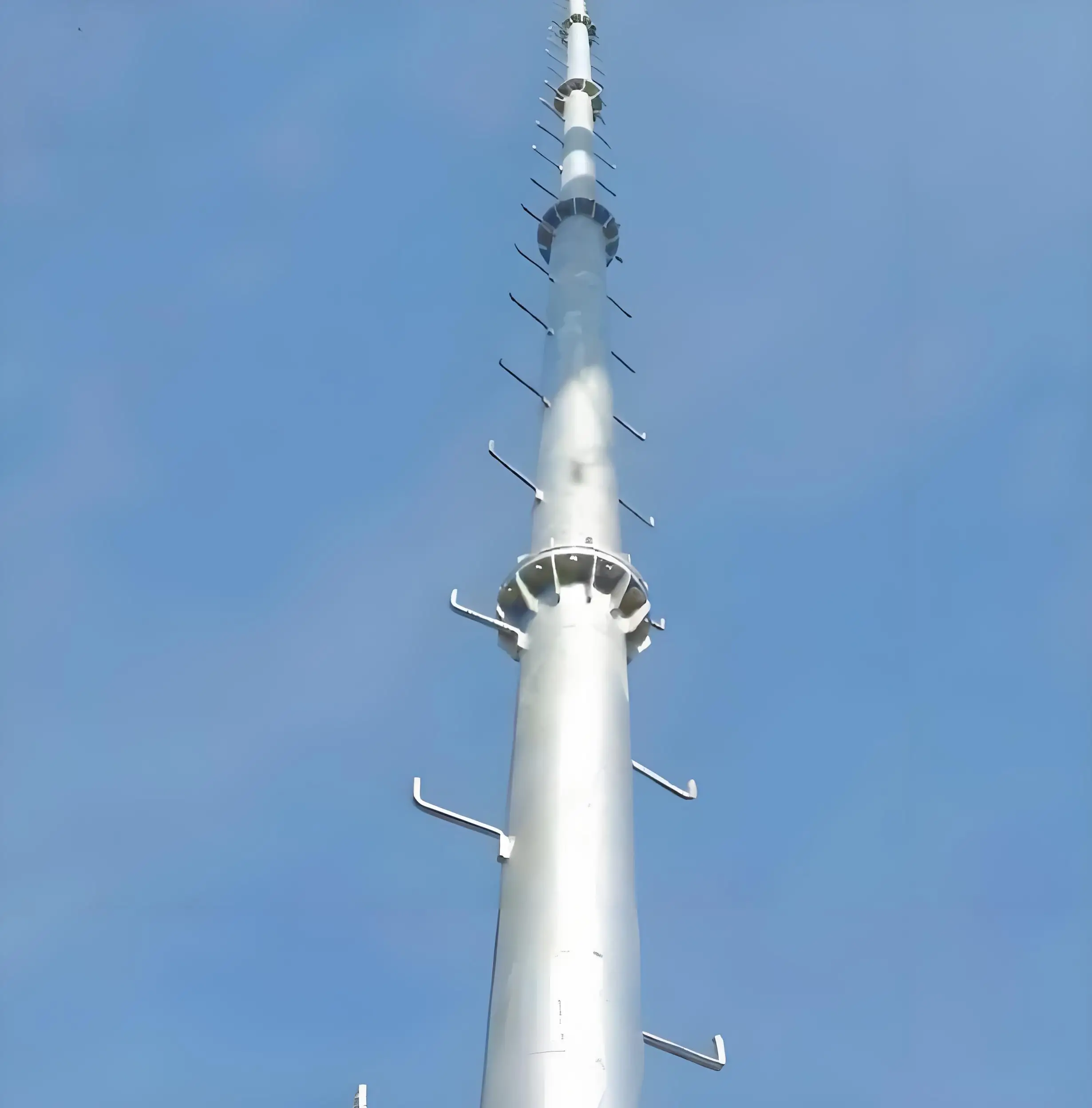
ការយល់ដឹងពីរបៀបដែល ការផលិតជាមុននូវប៉ោងទូរសព្ទចល័ត បកប្រែទៅជាការសន្សំសំចៃពេលវេលា និងថវិកាដែលអាចវាស់វែងបាន តម្រូវឱ្យវិភាគដំណាក់កាលគ្រប់យ៉ាងនៃគម្រោង — ចាប់ពីការរចនាបច្ចេកទេស និងការផលិតផ្នែក រហូតដល់ការងារស្ថាបនាមូលដ្ឋាន ការកសាងរចនាសម្ព័ន្ធ និងការដាក់ឱ្យដំណាំប្រើប្រាស់ចុងក្រាយ។ ដំណាក់កាលនីមួយៗនៃដំណាក់កាលទាំងមូលនេះ ត្រូវបានប៉ះពាល់ដោយសារតែផ្នែកនៃប៉ោងមកដល់ទីកន្លែងដែលរួចរាល់សម្រាប់ដំឡើង ឬត្រូវការការផលិតនៅទីកន្លែងយ៉ាងច្រើន។ អត្ថបទនេះស្វែងយល់ពីយន្តការនៅពីក្រោយប្រសិទ្ធភាពនៃការផលិតជាមុន និងពន្យល់ពីមូលហេតុដែលវិធីសាស្ត្រនេះកំពុងផ្លាស់ប្តូរកម្មវិធីដំឡើងប៉ោងនៅទូទាំងពិភពលោក។
យន្តការសំខាន់៖ របៀបដែលការផ្គុំជាមុនធ្វើឱ្យពេលវេលាសាងសង់សាមញ្ញឡើង
ផ្លាស់ប្តូរការងារដែលទាមទារកម្លាំងពលកម្មច្រើនទៅកាន់បរិស្ថានដែលគ្រប់គ្រងបាន
មួយក្នុងចំណោមវិធីដែលផ្ទាល់បំផុតបំផុតដែល ការផលិតជាមុននូវប៉ោងទូរសព្ទចល័ត កាត់បន្ថយពេលវេលាសាងសង់នៅលើកន្លែងសាងសង់ គឺដោយផ្លាស់ទីការងារដែលទាមទារកម្លាំងពលកម្មច្រើនបំផុត — ដូចជាការភ្ជាប់ដោយការប៉ះគ្នា (welding), ការប្រើប៉ះស្ក្រូវ (bolting), ការរៀបចំខ្សែកាប (cable routing) និងការតម្រឹមគ្រឿងផ្សំ — ទៅកាន់បរិស្ថានរោងចក្រ ឬកន្លែងរៀបចំ។ នៅក្នុងរោងចក្រ កម្មករប្រើប្រាស់ក្រាប៊ែនអេរ៉ូហេត (overhead cranes), ឧបករណ៍តម្រឹមដែលមានភាពច្បាស់លាស់ (precision jigs) និងលក្ខខណ្ឌពន្លឺ និងអាកាសធាតុដែលស្ថិតស្ថេរ។ អត្ថប្រយោជន៍ទាំងនេះបង្កើនល្បឿននៃការផ្គុំយ៉ាងខ្លាំង ប្រៀបធៀបទៅនឹងការងារនៅកម្ពស់ខ្ពស់លើកន្លែងសាងសង់ ដែលមានការចូលប្រើប្រាស់ឧបករណ៍មានកំណត់។
នៅពេលដែលផ្នែករចនាសម្ព័ន្ធ គ្រឿងទេសដំឡើងអេណេត ប្រព័ន្ធគ្រប់គ្រងខ្សែ និងផ្នែកវេទិកា ត្រូវបានប្រមូលផ្តុំជាមុខងារធំៗជាមុន ក្រុមការងារនៅលើកន្លែងគ្រាន់តែត្រូវប៉ះទង្គិច និងភ្ជាប់មុខងារទាំងនោះ ជំន взវិញដែលត្រូវបានសាងសង់ពីសូន្យ។ វិធីសាស្ត្រនេះបន្ថយចំនួនប្រតិបត្តិការប៉ះទង្គិចដែលធ្វើឡើងដាច់ដោយឡែក បន្ថយពេលវេលាដែលក្រេនត្រូវបានប្រើនៅលើកន្លែង និងបន្ថយរយៈពេលដែលកន្លែងត្រូវបានគ្រប់គ្រងដោយសកម្ម។ ផលប៉ះពាល់សរុបលើកាលវិភាគគម្រោងគឺមានសារៈសំខាន់ ហើយជាទូទៅបន្ថយរយៈពេលសាងសង់សកម្មនៅលើកន្លែងបាន ៤០ ដល់ ៦០ ភាគរយ ប្រៀបធៀបទៅនឹងការសាងសង់ទាំងស្រុងនៅលើកន្លែង។
សម្រាប់ការដំឡើងប្រព័ន្ធសារព័ត៌មានបន្ទាន់ ឬស្ថានភាពដែលការគ្របដណ្តប់បណ្តាញត្រូវបានស្តារឡើងវិញយ៉ាងឆាប់រហ័ស ការបន្ថយពេលវេលានេះមិនមែនគ្រាន់តែជាការពិចារណាលើថ្លៃដើមប៉ុណ្ណោះទេ — វាមានសារៈសំខាន់យ៉ាងខ្លាំងលើផ្នែកប្រតិបត្តិការ។ ការ ការផលិតជាមុននូវប៉ោងទូរសព្ទចល័ត ប្រើប្រាស់រចនាសម្ព័ន្ធដែលអាចដំឡើងបានយ៉ាងឆាប់រហ័ស អនុញ្ញាតឱ្យក្រុមបណ្តាញដំឡើងកន្លែងមួយពីការបញ្ចប់គ្រឹះ ទៅជាស្ថាបត្យកម្មដែលអាចប្រើបានជាក់ស្តែង ក្នុងរយៈពេលមួយថ្ងៃធ្វើការ ក្រោមលក្ខខណ្ឌដែលមានសម្បទានល្អ។
ការអនុវត្តដំណាំរបស់ការងារជាប៉ារ៉ាលែលរវាងរោងចក្រ និងទីកន្លែង
យន្តការមួយទៀតដែលមានឥទ្ធិពលខ្លាំងគឺសមត្ថភាពក្នុងការប្រព្រឹត្តការងារមុនការប្រមូលផ្តុំនៅរោងចក្រ និងសកម្មភាពរៀបចំទីកន្លែងជាប៉ារ៉ាលែល ជាជាងធ្វើជាប៉ារ៉ាលែល។ ក្នុងលំដាប់ការសាងសង់បែបប្រពៃណី ក្រុមការងារត្រូវបញ្ចប់ជំហាននីមួយៗមុននឹងបន្តទៅជំហានបន្ទាប់។ ការប្រមូលផ្តុំមុនគឺផ្លាស់ប្តូរហេតុផលនេះជាមូលដ្ឋាន៖ ខណៈដែលក្រុមវិស្វករស៊ីវិលកំពុងរៀបចំគ្រឹះ និងដំឡើងគ្រាប់ចាក់ដីនៅទីកន្លែង ម៉ូឌុលប៉ោងរចនាសម្ព័ន្ធបានត្រូវបានប្រមូលផ្តុំ និងត្រូវបានពិនិត្យគុណភាពរួចហើយនៅរោងចក្រ។
ការដំណាំរបស់ការងារជាប៉ារ៉ាលែលនេះបានលុបបំបាត់ប្លុកពេលវេលាដែលគ្មានសកម្មភាពធ្ងន់ធ្ងរ ដែលបើមិនដូច្នេះទេ នឹងប្រមូលផ្តុំគ្នារវាងដំណាក់កាលគម្រោង។ នៅពេលដែលគ្រឹះរួចរាល់ ផ្នែកប៉ោងដែលបានប្រមូលផ្តុំមុនរួចហើយអាចមកដល់ទីកន្លែង ហើយការដំឡើងអាចចាប់ផ្តើមបានភ្លាមៗ។ ការ ការផលិតជាមុននូវប៉ោងទូរសព្ទចល័ត ដូច្នេះបានបង្ហាប់កម្មវិធីច្រើនសប្តាហ៍ដែលបើមិនដូច្នេះទេ នឹងត្រូវបានអនុវត្តជាប៉ារ៉ាលែល ទៅជាកាលវិភាគដែលមានការជាប់គ្នាខ្លីជាងមុនយ៉ាងច្បាស់ ដែលបានកាត់បន្ថយពេលវេលាសរុបពីការចាប់ផ្តើមគម្រោង ដល់ការដាក់បញ្ចូលបណ្តាញចូលប្រើប្រាស់។
អ្នកគ្រប់គ្រងគម្រោងដែលបានអនុវត្តគំរូការអនុវត្តស្របគ្នានេះ រាល់គ្នាបានរាយការណ៍ថា រយៈពេលសរុបនៃកម្មវិធីបានកាត់បន្ថយ មិនមែនគ្រាន់តែដោយសារតែការងារនីមួយៗបានឆាប់រហ័សឡើងប៉ុណ្ណោះទេ ប៉ុន្តែថែមទាំងដោយសារតែពេលវេលាដែលគ្មានសកម្មភាពរវាងការងារនីមួយៗត្រូវបានលុបចោលទាំងស្រុង។ នៅក្នុងទីផ្សារដែលការដំឡើងប៉ោង (tower) ត្រូវបានភ្ជាប់ជាមួយនឹងកាតព្វកិច្ចអាជ្ញាប័ណ្ណស្បេកទ្រំ (spectrum license) ឬកាលបរិច្ឆេទដែលត្រូវបានកំណត់ដោយការប្រកួតប្រជែងក្នុងការដំឡើងបណ្តាញ (competitive network rollout deadlines) ការបង្ហាប់កាលវិភាគនេះមានតម្លៃពាណិជ្ជកម្មដោយផ្ទាល់។
ការកាត់បន្ថយថ្លៃដោយផ្ទាល់ដែលបណ្តាលមកពីវិធីសាស្ត្រការប្រមូលផ្តុំជាមុន
ការកាត់បន្ថយម៉ោងការងារនៅលើកន្លែងសាងសង់ និងទំហំក្រុមការងារ
ការងារសាងសង់នៅលើកន្លែងសាងសង់នៅក្នុងវិស័យប៉ោងទូរគមនាគមន៍ គឺជាការចំណាយដែលមានតម្លៃខ្ពស់បំផុតមួយក្នុងចំណោមការចំណាយទាំងអស់សម្រាប់គម្រោង។ អ្នកដំឡើងប៉ោង (riggers) អ្នកធ្វើការលើស្ថាបត្យកម្មដែក (structural steel workers) និងបច្ចេកទេសទូរគមនាគមន៍ (communications technicians) ទទួលបានប្រាក់ឈ្លាន់ប្រចាំថ្ងៃខ្ពស់ជាងគេ ហើយពេលវេលារបស់ពួកគេនៅលើកន្លែងសាងសង់ដែលកំពុងដំណាំង រួមមានរយៈពេលដែលគ្មានផលិតកម្មយ៉ាងច្រើន — ដូចជាការរង់ចាំសម្ភារៈ ការគ្រប់គ្រងការដឹកជញ្ជូន ឬការដោះស្រាយបញ្ហាដែលបណ្តាលមកពីអាកាសធាតុ។ ការផលិតជាមុននូវប៉ោងទូរសព្ទចល័ត កាត់បន្ថយចំនួនម៉ោងការងារដែលត្រូវការនៅលើកន្លែងដោយធានាថា ការងារបានបញ្ចប់រួចហើយមុនពេលក្រុមការងារមកដល់។
នៅពេលដែលផ្នែកប៉មមកដល់ក្នុងស្ថានភាពបានភ្ជាប់រួចហើយ ក្រុមការងារតូចៗដែលផ្តោតលើការងារនៅតំបន់គឺគ្រប់គ្រាន់។ ជំនួសអោយការត្រូវការក្រុមធំៗដែលមានជំនាញច្រើនប្រភេទអស់រយៈពេលយូរ ដំណាក់កាលកសាងអាចត្រូវបានបញ្ចប់ដោយក្រុមតូចមួយដែលធ្វើការប្រកបដោយប្រសិទ្ធភាពជាមួយនឹងក្រែនចល័ត។ ការកាត់បន្ថយចំនួនកម្មករនៅតំបន់នេះផ្ទាល់បានបន្ថយថ្លៃឈ្នួលប្រចាំថ្ងៃ ថ្លៃសណ្ឋាគារ និងថ្លៃចំណាយផ្សេងៗសម្រាប់ការងារនៅតំបន់ដាច់ស្រយាល ព្រមទាំងការចំណាយលើសកម្មភាពគ្រប់គ្រងក្រុមធំៗនៅតាមទីតាំងច្រើនកន្លែងក្នុងពេលតែមួយ។
សម្រាប់អ្នកប្រតិបត្តិបណ្តាញដែលដំណាំកម្មវិធីចេញប្រើប្រាស់ច្រើនជាងមួយដែលមានការដំឡើងប៉ោងរាប់រយ ឬរាប់ពាន់កន្លែង ទោះបីជាការកាត់បន្ថយថ្លៃការងារក្នុងមួយកន្លែងគឺតិចតួចក៏ដោយ ក៏វាអាចប៉ះពាល់ដល់ការសន្សំសំចៃបានរាប់លានដុល្លារនៅក្នុងកម្មវិធីទាំងមូល។ ការវិភាគផ្នែកហិរញ្ញវត្ថុសម្រាប់ ការផលិតជាមុននូវប៉ោងទូរសព្ទចល័ត កាន់តែមានសារៈសំខាន់ជាងមុន នៅពេលដែលបរិមាណការដំឡើងកើនឡើង និងប្រសិទ្ធភាពបន្ថែមៗបានប្រមូលផ្តុំគ្នានៅកម្រិតធំៗ។
ថយចុះថ្លៃសម្រាប់ក្រាន់ និងគ្រឿងបរិក្ខារធ្ងន់
ការជួលក្រាន់គឺជាថ្លៃប្រែប្រួលដែលមានទំហំធំបំផុតមួយក្នុងចំណោមថ្លៃសាងសង់ប៉ោង។ ថ្លៃដើមសម្រាប់ការដឹកជញ្ជូនក្រាន់ទៅកាន់កន្លែងសាងសង់ អត្រាជួលប្រចាំថ្ងៃ និងភាពស្មុគស្មាញនៃការរៀបចំកាលវិភាគក្រាន់នៅតាមកន្លែងសាងសង់ច្រើនកន្លែង គឺជាបន្ទាត់ថវិកាដែលមានទំហំធំសម្រាប់គ្រប់កម្មវិធីសាងសង់ប៉ោងណាមួយ។ ការប្រមូលផ្តុំជាមុន (Pre-assembly) ធ្វើឱ្យចំនួនការលើកដែលត្រូវប្រើក្រាន់សម្រាប់ប៉ោងមួយៗថយចុះ ព្រោះគ្រឿងផ្សំមកដល់កន្លែងសាងសង់ជាប៉ោងធំៗដែលបានរៀបចំជាមុនរួចហើយ ជំន взៈវិញនឹងជាផ្នែកតូចៗរាប់សិបដុំ។ នេះមានន័យថា ពេលវេលាជួលក្រាន់សម្រាប់កន្លែងសាងសង់មួយៗថយចុះយ៉ាងខ្លាំង។
ព្រឹត្តិការណ៍ ការផលិតជាមុននូវប៉ោងទូរសព្ទចល័ត ក៏អនុញ្ញាតឱ្យអ្នកគ្រប់គ្រងគម្រោងរៀបចំកាលវិភាគក្រាន់បានកាន់តែប្រសើរជាមុន ដែលធ្វើឱ្យការជួលក្រាន់ដែលបានធ្វើនៅពេលចុងក្រាយ ឬការជួលក្រាន់យូរជាងការគ្រោងទុកដោយសារការយឺតយាននៅកន្លែងសាងសង់ ថយចុះយ៉ាងច្រើន។ នៅពេលពេលវេលាជួលក្រាន់សម្រាប់កន្លែងសាងសង់មួយៗថយចុះ អ្នកគ្រប់គ្រងកម្មវិធីអាចរៀបចំកាលវិភាគក្រាន់បានប្រសើរជាងមុននៅតាមកន្លែងសាងសង់ច្រើនកន្លែងក្នុងរយៈពេលមួយថ្ងៃ ឬមួយសប្តាហ៍ ដែលធ្វើឱ្យថ្លៃដើមសម្រាប់ការដឹកជញ្ជូនក្រាន់ត្រូវបានចែកចាយទៅកាន់ការប្រើប្រាស់ច្រើនលើក ហើយធ្វើឱ្យថ្លៃគ្រឿងបរិក្ខារក្នុងមួយកន្លែងថយចុះបន្ថែមទៀត។
នៅកន្លែងឆ្ងាយ ឬកន្លែងដែលមានការចូលទៅដល់លំបាក ដែលការជួលគ្រឿងបរិក្ខារដើម្បីដាក់ឡើង (crane) តម្រូវឱ្យធ្វើដំណាំពីចម្ងាយឆ្ងាយ និងមានថ្លៃឈ្នួលសម្រាប់រង់ចាំខ្ពស់ ការកាត់បន្ថយថ្លៃដោយប្រើវិធីសាស្ត្រប្រមូលផ្តុំជាមុន (pre-assembly) មានភាពច្បាស់លាស់ជាពិសេស។ ការកាត់បន្ថយពេលវេលាដែលគ្រឿងបរិក្ខារដើម្បីដាក់ឡើង (crane) ត្រូវបានប្រើនៅលើកន្លែងទាំងនេះ អាចបង្ហាញពីការសន្សំសំចៃដែលគ្រប់គ្រាន់ដើម្បីគ្រប់គ្រងការវិនិយោគទៅលើការរៀបចំប្រមូលផ្តុំជាមុន។
ការត្រួតពិនិត្យគុណភាព និងការជៀសវាងការធ្វើឡើងវិញជាកត្តាផ្តល់ផលផ្នែកហិរញ្ញវត្ថុ
ស្តង់ដារគុណភាពនៅក្នុងរោងចក្រ ប្រទះនឹងភាពប្រែប្រួលនៃការផលិត ឬការប្រមូលផ្តុំនៅតាមវាល
កត្តាមួយដែលជារឿយៗត្រូវបានគេកំណត់ថាមានឥទ្ធិពលតិចតួច ប៉ុន្តែជាកត្តាប៉ះពាល់ដល់ថ្លៃដើមក្នុងការសាងសង់ប៉ោងនៅលើកន្លែង គឺការធ្វើឡើងវិញ (rework) — ថ្លៃដើមដែលចំណាយសម្រាប់ការកែសម្រួលកំហុសដែលកើតឡើងក្នុងអំឡុងពេលផលិត ឬប្រមូលផ្តុំនៅតាមវាល។ នៅពេលដែលកម្មករប្រមូលផ្តុំគ្រឿងផ្នែកសាងសង់នៅកម្ពស់ ក្រោមស្ថានភាពអាកាសធាតុប្រែប្រួល និងក្រោមសម្ពាធពេលវេលា ប្រូបាប៊ីលីតេនៃការមិនសមស្របគ្នា ការប្រើប្រាស់ប្រវែងបង្វិល (torque) មិនត្រឹមត្រូវ ការដាក់ពាក្យ និងកំហុសក្នុងការដំឡើង ក៏កើនឡើងផងដែរ។ ការស្វែងរក និងកែសម្រួលកំហុសទាំងនេះនៅលើកន្លែង គឺមានថ្លៃខ្ពស់ ចំណាយពេល និងប្រហែលជាអាចបង្កគ្រោះថ្នាក់ផងដែរ។
ព្រឹត្តិការណ៍ ការផលិតជាមុននូវប៉ោងទូរសព្ទចល័ត នៅក្នុងបរិយាកាសរោងចក្រ អនុញ្ញាតឱ្យមានការត្រួតពិនិត្យគុណភាពយ៉ាងតឹងរ៉ឹងនៅគ្រប់ជំហាន។ គ្រឿងផ្គុំអាចត្រូវបានត្រួតពិនិត្យ វាស់ និងសាកល្បងមុនពេលចាកចេញពីរោងចក្រ។ ម៉ូឌុលដែលបានប្រមូលផ្តុំជាមុនអាចត្រូវបានដាក់សាកល្បងក្រោមលក្ខខ័ណ្ឌដែលគ្រប់គ្រងដើម្បីផ្ទៀងផ្ទាត់ភាពត្រឹមត្រូវនៃទំហំ។ ការវិនិយោគលើគុណភាពនៅដើមនេះ បានកាត់បន្ថយយ៉ាងខ្លាំងនូវសារបានរកឃើញកំហុសក្នុងពេលដំឡើងនៅលើកន្លែង ដែលថ្លៃដើមសម្រាប់កែសម្រួលគឺខ្ពស់បំផុត ហើយផលប៉ះពាល់ដល់កាលវិភាគគឺធ្ងន់ធ្ងរបំផុត។
បទពិសោធន៍នៅក្នុងឧស្សាហកម្មបានបង្ហាញជាបន្តបន្ទាប់ថា ថ្លៃដើមសម្រាប់ធានាគុណភាពនៅក្នុងបរិយាកាសរោងចក្រគឺទាបជាងថ្លៃដើមសម្រាប់គ្រប់គ្រងកំហុសដែលរកឃើញនៅតាមវាលយ៉ាងច្រើន។ ចំពោះរចនាសម្ព័ន្ធប៉ោងដែក ដែលត្រូវតែបំពេញនូវស្តង់ដារវិស្វកម្មដែលមានភាពត្រឹមត្រូវខ្ពស់ដើម្បីធានាបាននូវស្ថេរភាពរចនាសម្ព័ន្ធ និងសមត្ថភាពទប់ទល់នឹងកម្លាំងខ្យល់ ការប្រមូលផ្តុំជាមុននៅរោងចក្រមិនមែនគ្រាន់តែជាប្រក្រតីប៉ុណ្ណោះទេ — វាគឺជាយុទ្ធសាស្ត្រធានាគុណភាពដែលមានផលប៉ះពាល់ផ្ទាល់លើផ្នែកហិរញ្ញវត្ថុ។
ការបន្ថយការពឹងផ្អែកលើអាកាសធាតុ និងហានិភ័យលើកាលវិភាគ
អាកាសធាតុគឺជាកត្តាគ្រោះថ្នាក់ដែលមិនអាចគ្រប់គ្រងបាន មួយក្នុងចំណោមកត្តាដែលសំខាន់បំផុតក្នុងការគ្រប់គ្រងគម្រោងសាងសង់។ ភ្លៀង ខ្យល់ខ្លាំង សីតុណ្ហភាពខ្ពស់ និងទស្សនវិស័យមិនល្អ ទាំងអស់នេះបណ្តាលឱ្យការងារឈប់ដំណាំ ហើយការឈប់ដំណាំទាំងនេះប្រមូលផ្តុំគ្នាបណ្តាលឱ្យមានការពន្យារពេលការងារ ដែលបណ្តាលឱ្យមានការចំណាយលើសពីការគ្រោងទុក។ ការ ការផលិតជាមុននូវប៉ោងទូរសព្ទចល័ត កាត់បន្ថយគ្រោះថ្នាក់ដែលបណ្តាលមកពីអាកាសធាតុ ដោយធ្វើការផលិតផ្នែកស្មុគស្មាញ និងចំណាយពេលច្រើនបំផុតនៅក្នុងរោងចក្រ ហើយទុកតែដំណាក់កាលនៃការដំឡើង — ដែលជាដំណាក់កាលដែលអាស្រ័យលើអាកាសធាតុដោយធម្មជាតិ — ទៅធ្វើនៅលើកន្លែងសាងសង់។
ដោយសារតែដំណាក់កាលនៅលើកន្លែងសាងសង់មានរយៈពេលខ្លីជាង នៅពេលប្រើប្រាស់ម៉ូឌុលដែលបានផលិតរួចរាល់ជាមុន ដូច្នេះរយៈពេលដែលគម្រោងបានបាក់ទឹកចូលទៅក្នុងអាកាសធាតុអាក្រក់ក៏ត្រូវបានកាត់បន្ថយផងដែរ។ គម្រោងមួយដែលត្រូវការតែមួយឬពីរថ្ងៃនៃអាកាសធាតុល្អសម្រាប់ដំឡើង មានគ្រោះថ្នាក់ពីអាកាសធាតុទាបជាងគម្រោងមួយដែលត្រូវការពីរទៅបីសប្តាហ៍នៃការងារបន្តនៅលើកន្លែងសាងសង់។ ការកាត់បន្ថយគ្រោះថ្នាក់នេះបានបកប្រែដោយផ្ទាល់ទៅជាការគ្រប់គ្រងថវិកាគម្រោងបានច្បាស់លាស់ជាង និងការកំណត់ថវិកាបន្ថែម (contingency provisions) តិចជាងក្នុងថវិកាគម្រោង។
សម្រាប់កម្មវិធីប្រអប់ (tower programs) ដែលដំណាំនៅតាមតំបន់ដែលមានរដូវវ៉ាស់ ឬរដូវគ្រាប់ផ្គរច្បាស់លាស់ សមត្ថភាពក្នុងការប្រមូលផ្តុំផ្នែកនានាមុនពេលមានអាកាសធាតុមិនល្អ ហើយបន្ទាប់មកដំឡើងយ៉ាងឆាប់រហ័សនៅពេលដែលអាកាសធាតុប្រសើរឡើងវិញ គឺជាអត្ថប្រយោជន៍ប្រតិបត្តិការដ៏សំខាន់មួយ។ ការ ការផលិតជាមុននូវប៉ោងទូរសព្ទចល័ត ស្ទើរតែបែងចែកកាលវិភាគការផលិតចេញពីការរឹតបន្តិចដែលបណ្តាលមកពីអាកាសធាតុ ដែលបើមិនដូច្នេះទេ នឹងបណ្តាលឱ្យមានការយឺតយាវដែលមានថ្លៃដើមខ្ពស់។
ការអនុវត្តជាក់ស្តែង៖ តើអ្វីដែលធ្វើឱ្យការប្រមូលផ្តុំមុន (pre-assembly) មានប្រសិទ្ធភាពក្នុងកម្មវិធីជាក់ស្តែង?
ការរចនាដើម្បីប្រមូលផ្តុំមុនចាប់ពីដំណាក់កាលវិស្វកម្ម
ដើម្បីទទួលបានអត្ថប្រយោជន៍ពេលវេលា និងថ្លៃដើមទាំងមូលពីការប្រមូលផ្តុំមុន រចនាសម្ព័ន្ធប្រអប់ត្រូវតែបានរចនាជាក់លាក់សម្រាប់វិធីសាស្ត្រនេះ។ រចនាសម្ព័ន្ធប្រអប់ទូទៅ ដែលត្រូវបានគិតគូរសម្រាប់ការផលិតនៅវាល ជាញឹកញាប់មិនអាចប្រមូលផ្តុំមុនបានយ៉ាងមានប្រសិទ្ធភាពទេ ព្រោះរូបរាងនៃការភ្ជាប់ ទំហំម៉ូឌុល ឬទម្ងន់ផ្នែកនានា មិនបានបានប៉ះពាល់ដល់ការប្រមូលផ្តុំនៅរោងចក្រ និងការដឹកជញ្ជូនទេ។ ការ ការផលិតជាមុននូវប៉ោងទូរសព្ទចល័ត ចាប់ផ្តើមនៅដំណាក់កាលរចនាវិស្វកម្ម ដែលសេចក្តីសម្រេចចិត្តអំពីចំណុចបែកចេញនៃម៉ូឌុល ការរចនាប្រភេទផ្ទះសម្រាប់ភ្ជាប់ និងការវេចខ្ចប់សម្រាប់ដឹកជញ្ជូន ត្រូវបានធ្វើឡើងដោយមានគោលបំណងច្បាស់លាស់។
ប៉ាក់តែមួយ ប្រព័ន្ធទូរគមនាគមន៍ រចនាប័ទ្ម ឧទាហរណ៍ មានសមត្ថភាពល្អជាពិសេសសម្រាប់ការប្រមូលផ្តុំជាមុន និងការដំឡើងលឿន ដោយសាររូបរាងរបស់វាសមស្របសម្រាប់ការបែងចែកជាផ្នែកម៉ូឌុលដែលមានចំណុចភ្ជាប់ដែលប្រើស្ក្រូវបានស្អាត។ រចនាប័ទ្មទាំងនេះអាចប្រមូលផ្តុំជាមុនទៅជាផ្នែកដែលអាចគ្រប់គ្រងបាន ដឹកជញ្ជូនបានយ៉ាងមានប្រសិទ្ធភាពលើយានយន្តធម្មតា ហើយដំឡើងបានយ៉ាងឆាប់រហ័សដោយការភ្ជាប់នៅកន្លែងការងារតិចប៉ុណ្ណោះ។ ការស្វែងយល់ពីជម្រើសផ្សេងៗដូចជាដំណោះស្រាយមួយ ការផលិតជាមុននូវប៉ោងទូរសព្ទចល័ត ដែលត្រូវបានរចនាឡើងសម្រាប់ការដំឡើងលឿន និងការសាងសង់ដែលប្រើដែកថែបដែលមានប្រសិទ្ធភាពខាងថ្លៃ អាចផ្តល់ជាមូលដ្ឋានបច្ចេកទេសដែលមាំមួនសម្រាប់កម្មវិធីដែលល្បឿន និងប្រសិទ្ធភាពគឺជាកត្តាសំខាន់បំផុត។
ការវិនិយោគលើវិស្វកម្មរចនាសម្រាប់ការប្រមូលផ្តុំនៅដើមកម្មវិធីប្រអប់ (tower program) ផ្តល់ផលប្រយោជន៍ទាំងអស់គ្នាក្នុងគ្រប់ការដំឡើងបន្ទាប់។ ការរចនាដែលបានស្តង់ដារហើយ ដែលត្រូវបានប្រកបដោយប្រសិទ្ធភាពជាមុនសម្រាប់ការប្រមូលផ្តុំ អាចធ្វើច្បាប់ចម្លងបាននៅកម្រិតធំ ដែលការដំឡើងនីមួយៗបន្ទាប់ទទួលបានផលប្រយោជន៍ពីដំណាំរោងចក្រដែលបានកែលម្អ ស្តុកវត្ថុធាតុដែលមានរួចហើយ និងក្រុមប្រមូលផ្តុំដែលមានបទពិសោធន៍ ដែលបានរៀនសិក្សាអំពីផលិតផលរួចហើយ។
ការសម្របសម្រួលផ្នែកគ្រប់គ្រងសារពើភ័ណ្ឌ និងខ្សែសង្វាក់ផ្គត់ផ្គង់
ការទទួលបានផលប្រយោជន៍ខាងថ្លៃដើម និងពេលវេលា ការផលិតជាមុននូវប៉ោងទូរសព្ទចល័ត អាស្រ័យយ៉ាងខ្លាំងលើការសម្របសម្រួលផ្នែកគ្រប់គ្រងសារពើភ័ណ្ឌ។ ម៉ូឌុលប្រអប់ដែលបានប្រមូលផ្តុំជាមុនមានទំហំធំ និងធ្ងន់ជាងផ្នែកឯករាជ្យនីមួយៗ ដែលមានន័យថា ការរៀបចំផែនការដឹកជញ្ជូន ការសិក្សាផ្លូវ និងការជ្រើសរើសយានយន្តត្រូវបានគ្រប់គ្រងដោយប្រុងប្រយ័ត្ន។ ប្រសិនបើផ្នែកដែលបានប្រមូលផ្តុំជាមុនមកដល់កន្លែងដំឡើងបន្ទាប់ពីក្រេនបានដកចេញ ឬមុនពេលមូលដ្ឋានត្រូវបានរៀបចំរួចសម្រាប់ទទួលយកវា ប្រសិទ្ធភាពដែលបានទទួលនឹងត្រូវបានប៉ះពាល់ដោយពេលវេលាប៉ះពាល់ និងថ្លៃដើមនៃការដំណាំឡើងម្តងទៀត។
កម្មវិធីប្រមូលផ្តុំជាមុនដែលជោគជ័យ វិនិយោគលើប្រព័ន្ធគ្រប់គ្រងសាកល្បក៍ ដែលសម្របសម្រួលកាលវិភាគផលិតកម្មរបស់រោងចក្រ ពេលវេលាដែលត្រូវបានគ្រប់គ្រងសម្រាប់ការដឹកជញ្ជូន និងគោលដៅសម្រាប់ការរៀបចំទីកន្លែង។ វិន័យនៃការសម្របសម្រួលនេះគឺជាអ្វីដែលបែងចែកកម្មវិធីដែលទទួលបានអត្ថប្រយោជន៍ហិរញ្ញវត្ថុពេញលេញពីការប្រមូលផ្តុំជាមុន ពីកម្មវិធីដែលទទួលបានតែអត្ថប្រយោជន៍ផ្នែកមួយប៉ុណ្ណោះ។ ការផលិតជាមុននូវប៉ោងទូរសព្ទចល័ត ការប្រមូលផ្តុំជាមុន មិនមែនគ្រាន់តែជាយុទ្ធសាស្ត្រផលិតប៉ុណ្ណោះទេ — វាគឺជាបញ្ហាគ្រប់គ្រងខ្សែសង្វាក់ផ្គត់ផ្គង់ ដែលតម្រូវឱ្យមានការរៀបចំដែលមានភាពតឹងរ៉ឹងដូចគ្នានឹងការរៀបចំផ្នែកវិស្វកម្មដែលបានរចនាឡើង។
អ្នកគ្រប់គ្រងកម្មវិធីប្រព័ន្ធប៉ូល (Tower) ដែលបានបញ្ចូលការប្រមូលផ្តុំជាមុនទៅក្នុងនីតិវិធីប្រតិបត្តិការស្តង់ដាររបស់ពួកគេ បង្កើតភាពជាដៃគូជាមួយអ្នកផ្គត់ផ្គង់ដែលអាចដឹកជញ្ជូនម៉ូឌុលប្រមូលផ្តុំជាមុនតាមកាលវិភាគដែលអាចទស្សន៍ទាយបាន និងបញ្ចូលការត្រួតពិនិត្យសាកល្បក៍ទៅក្នុងប្រព័ន្ធគ្រប់គ្រងគម្រោងរបស់ពួកគេ គឺជាអ្នកដែលទទួលបានការថយចុះយ៉ាងសំខាន់បំផុតនៅលើថ្លៃ និងពេលវេលាសម្រាប់ការសាងសង់នៅក្នុងមួយទីកន្លែង។
សំណួរញឹកញាប់
គម្រោងប៉ូល (Tower) ប្រភេទណាដែលទទួលបានអត្ថប្រយោជន៍ច្រើនបំផុតពីវិធីសាស្ត្រប្រមូលផ្តុំជាមុន?
គម្រោងដែលពាក់ព័ន្ធនឹងការដំឡើងប៉ាយច្រើន ទីតាំងឆ្ងាយ ឬទីតាំងដែលមានការចូលដំណាំលំបាក កាលវិភាគសាងសង់តឹងរ៉ឹង ឬតម្រូវការទំនាក់ទំនងបន្ទាន់ ទទួលបានអត្ថប្រយោជន៍ច្រើនបំផុតពីការដំឡើងមុននៅលើប៉ាយទូរសព្ទចល័ត។ នៅពេលដែលត្រូវដំឡើងប៉ាយច្រើននៅក្នុងពេលតែមួយ ឬក្នុងលំដាប់លំដោយយ៉ាងឆាប់រហ័ស ពេលវេលា និងថ្លៃដើមដែលសន្សំបានពីការដំឡើងមុននឹងកើនឡើងជាបន្តបន្ទាប់ទូទាំងគម្រោង។ ការរចនាប៉ាយបែបប៉ាយតែមួយខ្សែ និងប៉ាយបែបម៉ូឌុល សមស្របបំផុតសម្រាប់វិធីសាស្ត្រនេះ ដោយសារតែរូបរាងផ្នែករបស់វាមានភាពស្អាត និងប្រព័ន្ធប្រភេទស្រូបចងដែលមានប្រសិទ្ធិភាព។
តើការដំឡើងមុនធ្វើឱ្យស្ថេរភាពរចនាសម្ព័ន្ធរបស់ប៉ាយខូចទេ?
ទេ។ នៅពេលដែលការប្រមូលផ្តុំជាមុនត្រូវបានអនុវត្តតាមស្តង់ដារវិស្វកម្ម និងនីតិវិធីគ្រប់គ្រងគុណភាព វាមិនប៉ះពាល់ដល់ស្ថេរភាពរចនាសម្ព័ន្ធ ទេ។ ជាការពិតណាស់ ការប្រមូលផ្តុំជាមុននៅក្នុងរោងចក្រជាញឹកញាប់ផ្តល់គុណភាពរចនាសម្ព័ន្ធកាន់តែខ្ពស់ជាងការផលិតនៅវាល ដោយសារតែបរិស្ថានដែលគ្រប់គ្រងបានអនុញ្ញាតឱ្យអនុវត្តការបង្វិលបានត្រឹមត្រូវជាង ការផ្ទៀងផ្ទាត់វិមាត្របានប្រសើរជាង និងការត្រួតពិនិត្យយ៉ាងតឹងរ៉ឹងជាង។ ការប្រមូលផ្តុំជាមុននៃប្រអប់ទូរសព្ទចល័ត នៅពេលដែលត្រូវបានរចនាបានត្រឹមត្រូវ និងអនុវត្តបានត្រឹមត្រូវ គឺឆ្លើយតប ឬលើសពីស្តង់ដារប្រសិទ្ធភាពនៃរចនាសម្ព័ន្ធដែលបានប្រមូលផ្តុំនៅវាលតាមវិធីប្រក្បិត្ប្រកាន់។
ការប្រមូលផ្តុំជាមុនអាចកាត់បន្ថយថ្លៃក្នុងការសាងសង់ក្នុងមួយទីកន្លែងបានប៉ុន្មាន?
ការកាត់បន្ថយថ្លៃដើមមានភាពខុសគ្នាអាស្រ័យលើលក្ខខណ្ឌនៅតំបន់ ប្រភេទប៉ោង ទីតាំង និងស្ប៉ែកនៃកម្មវិធី ប៉ុន្តែបទពិសោធន៍របស់ឧស្សាហកម្មបានបង្ហាញថា ការផលិតជាមុននូវប៉ោងទូរសព្ទចល័តអាចកាត់បន្ថយថ្លៃដើមសាងសង់នៅលើកន្លែងបាន ២៥ ដល់ ៥០ ភាគរយ ប្រៀបធៀបទៅនឹងវិធីសាងសង់ទាំងមូលនៅលើកន្លែង។ ការសន្សំសំចំច្រើនបំផុតជាទូទៅមកពីការកាត់បន្ថយពេលវេលាចិញ្ចឹមក្រានេ ការប្រើប្រាស់ក្រុមការងារតូចៗនៅលើកន្លែង ការកាត់បន្ថយថ្លៃដែលបណ្តាលមកពីការយឺតយាវដែលបណ្តាលមកពីអាកាសធាតុ និងការលុបបំបាត់ថ្លៃសាងសង់ឡើងវិញដែលបណ្តាលមកពីកំហុសក្នុងការផលិតនៅលើកន្លែង។
តើត្រូវការឧបករណ៍ពិសេសដើម្បីដំឡើងម៉ូឌុលប៉ោងដែលបានផលិតជាមុននៅលើកន្លែងដែរឬទេ?
ក្រេនចល័តស្តង់ដារដែលសមស្របសម្រាប់កម្ពស់នៃប៉ោង និងទម្ងន់ផ្នែករបស់វា ជាទូទៅគ្រប់គ្រាន់សម្រាប់ការដំឡើងម៉ូឌុលប៉ោងដែលបានប្រមូលផ្តុំជាមុន។ អត្ថប្រយោជន៍សំខាន់នៃវិធីសាស្ត្រប្រមូលផ្តុំជាមុននៃប៉ោងចល័តគឺថា វាបន្ថយ — ជាជាងបង្កើន — ភាពស្មុគស្មាញនៃសំណង់នៅលើកន្លែង។ ដោយសារម៉ូឌុលទាំងនេះមកដល់ដែលរួចរាល់សម្រាប់ភ្ជាប់ ក្រុមដំឡើងនៅលើកន្លែងត្រូវការជំនាញពិសេស និងឧបករណ៍តិចជាងការផលិតទាំងមូលនៅលើកន្លែង ដែលធ្វើឱ្យដំណាំនេះអាចអនុវត្តបានទោះបីជានៅកន្លែងដែលធនធានសាងសង់ពិសេសមានកំណត់ក៏ដោយ។
ទំព័រ ដើម
- យន្តការសំខាន់៖ របៀបដែលការផ្គុំជាមុនធ្វើឱ្យពេលវេលាសាងសង់សាមញ្ញឡើង
- ការកាត់បន្ថយថ្លៃដោយផ្ទាល់ដែលបណ្តាលមកពីវិធីសាស្ត្រការប្រមូលផ្តុំជាមុន
- ការត្រួតពិនិត្យគុណភាព និងការជៀសវាងការធ្វើឡើងវិញជាកត្តាផ្តល់ផលផ្នែកហិរញ្ញវត្ថុ
- ការអនុវត្តជាក់ស្តែង៖ តើអ្វីដែលធ្វើឱ្យការប្រមូលផ្តុំមុន (pre-assembly) មានប្រសិទ្ធភាពក្នុងកម្មវិធីជាក់ស្តែង?
- សំណួរញឹកញាប់