Premium Transmission Lattice Tower Solutions - Reliable Power Infrastructure Engineering

Get a Free Quote

Our representative will contact you soon.
Email
Name
Company Name
Message
0/1000

transmission lattice tower

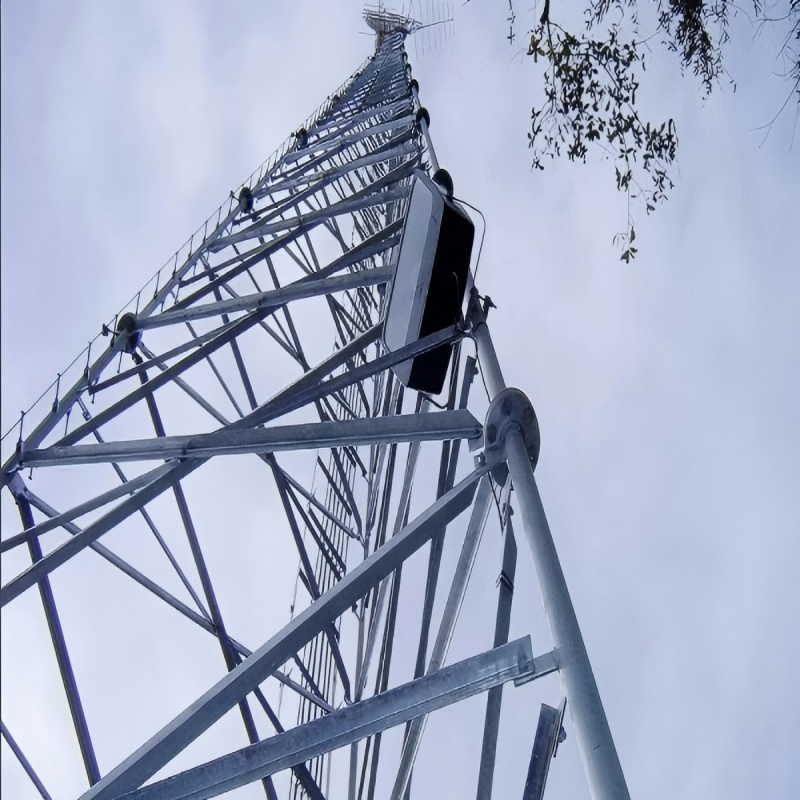
The transmission lattice tower stands as a critical infrastructure component in modern electrical power distribution systems, serving as the backbone for reliable electricity transmission across vast distances. These engineered structures consist of steel framework assemblies designed to support high-voltage power lines and facilitate efficient energy transfer from generation facilities to consumption centers. The transmission lattice tower incorporates sophisticated engineering principles that ensure structural integrity while maintaining cost-effectiveness in large-scale power grid applications. These towers feature triangular or square lattice configurations that distribute mechanical loads effectively across the entire structure, providing exceptional stability even under extreme weather conditions. The design methodology behind each transmission lattice tower emphasizes optimal material utilization, reducing overall construction costs while maximizing operational lifespan. Engineers carefully calculate load-bearing requirements, wind resistance factors, and environmental stresses to create towers that withstand decades of continuous service. Modern transmission lattice tower construction utilizes galvanized steel components that resist corrosion and environmental degradation, ensuring long-term reliability in diverse climatic conditions. The modular design approach allows for customization based on specific geographical requirements, terrain challenges, and electrical load specifications. Installation processes for transmission lattice tower systems have been streamlined through prefabrication techniques, reducing on-site construction time and minimizing project costs. These structures support various conductor configurations, accommodating different voltage levels and power transmission capacities according to grid requirements. Safety considerations remain paramount in transmission lattice tower design, incorporating features that protect maintenance personnel and ensure public safety around electrical infrastructure. The economic impact of properly designed transmission lattice tower networks extends beyond immediate construction benefits, contributing to regional development and industrial growth through reliable power supply infrastructure.

New Product Releases

The transmission lattice tower delivers substantial benefits that make it the preferred choice for power companies and infrastructure developers worldwide. These structures provide exceptional structural stability through their innovative lattice framework design, which distributes weight and stress loads evenly across multiple connection points. This engineering approach significantly reduces the risk of catastrophic failure compared to alternative tower designs, ensuring continuous power delivery even during severe weather events. The cost-effectiveness of transmission lattice tower construction represents a major advantage for utility companies managing extensive power grid projects. Steel lattice construction requires less raw material than solid tower alternatives while maintaining superior strength characteristics, resulting in lower material costs and reduced transportation expenses. The modular nature of transmission lattice tower components enables standardized manufacturing processes that further reduce production costs and improve quality consistency across entire project installations. Installation efficiency emerges as another compelling advantage of transmission lattice tower systems. Prefabricated sections can be manufactured off-site under controlled conditions, then transported and assembled quickly at installation locations. This approach minimizes on-site construction time, reduces labor costs, and allows projects to progress more rapidly than traditional construction methods. Weather-related delays become less problematic because most fabrication work occurs in protected manufacturing facilities rather than exposed construction sites. Maintenance accessibility represents a crucial practical advantage that transmission lattice tower designs offer to utility operators. The open lattice structure provides multiple access points and climbing paths for maintenance personnel, making routine inspections and repairs more efficient and safer. This accessibility translates directly into reduced maintenance costs and improved system reliability over the operational lifetime of the infrastructure. Environmental compatibility constitutes an increasingly important advantage in modern power grid development. Transmission lattice tower structures have minimal ground footprint compared to alternative designs, allowing construction in environmentally sensitive areas with reduced ecosystem disruption. The open framework design also provides better wildlife compatibility, reducing bird collision risks and allowing natural habitat preservation around power transmission corridors. Long-term durability ensures that transmission lattice tower investments provide decades of reliable service with minimal replacement requirements, maximizing return on infrastructure investment for utility companies and ultimately benefiting end-user customers through stable electricity costs.

Latest News

Tower Talk: The Great Self - Standing vs Guyed Tower Debate

13

Oct

Tower Talk: The Great Self - Standing vs Guyed Tower Debate

View More
Analysis of the Applicability of Angle Steel Towers and Tubular Towers in Different Terrain Conditio

13

Oct

Analysis of the Applicability of Angle Steel Towers and Tubular Towers in Different Terrain Conditio

View More
Comparative Analysis of Three-Legged Angle Steel Towers and Three-Legged Tubular Towers

13

Oct

Comparative Analysis of Three-Legged Angle Steel Towers and Three-Legged Tubular Towers

View More
Comprehensive Guide to Communication Tower Design and Procurement

27

Oct

Comprehensive Guide to Communication Tower Design and Procurement

View More

Get a Free Quote

Our representative will contact you soon.
Email
Name
Company Name
Message
0/1000

transmission lattice tower

Superior Structural Engineering and Load Distribution

Superior Structural Engineering and Load Distribution

The transmission lattice tower represents the pinnacle of structural engineering innovation in power transmission infrastructure, featuring an advanced load distribution system that sets industry standards for reliability and performance. The fundamental engineering principle behind transmission lattice tower design involves creating multiple load paths through interconnected steel members arranged in geometric patterns that optimize stress distribution across the entire structure. This sophisticated approach ensures that mechanical forces from wind, ice, conductor tension, and seismic activity are efficiently transferred through the framework rather than concentrated at single points that could lead to structural failure. The triangular and diagonal bracing elements within each transmission lattice tower create redundant load paths that provide exceptional safety margins even when individual components experience unexpected stress conditions. Engineering calculations for transmission lattice tower structures incorporate multiple safety factors that account for extreme weather scenarios, including hurricane-force winds, heavy ice accumulation, and earthquake ground motion. The result is a structure that maintains structural integrity under loading conditions far exceeding normal operational requirements. Material selection for transmission lattice tower construction focuses on high-strength steel alloys that provide optimal strength-to-weight ratios while resisting environmental corrosion and fatigue. Galvanized steel components ensure decades of maintenance-free service even in harsh coastal or industrial environments where salt spray and chemical exposure could compromise lesser materials. The modular design philosophy allows transmission lattice tower structures to be customized for specific site conditions while maintaining standardized connection details that ensure consistent quality and reliability. Each transmission lattice tower undergoes rigorous engineering analysis using advanced computer modeling techniques that simulate real-world loading scenarios and verify structural performance before construction begins. This thorough design validation process eliminates potential failure modes and ensures that every transmission lattice tower meets or exceeds applicable industry standards for safety and reliability, providing utility companies and communities with confidence in their critical power infrastructure investments.
Cost-Effective Construction and Economic Efficiency

Cost-Effective Construction and Economic Efficiency

The transmission lattice tower delivers unmatched economic value through innovative construction methodologies and material optimization strategies that significantly reduce project costs while maintaining superior performance characteristics. The economic advantages begin during the design phase, where standardized transmission lattice tower configurations allow for bulk material procurement and streamlined manufacturing processes that achieve substantial cost savings compared to custom-engineered alternatives. Steel lattice construction utilizes approximately thirty percent less raw material than equivalent solid-section towers while providing comparable or superior structural performance, resulting in direct material cost reductions that benefit project budgets and environmental sustainability goals. Manufacturing efficiency represents a cornerstone of transmission lattice tower economic advantages, with prefabrication processes that enable controlled production environments and consistent quality standards. Factory-based manufacturing eliminates weather-related delays and allows for simultaneous production of multiple tower components, accelerating project schedules and reducing overall construction timeframes. The modular approach enables just-in-time delivery of transmission lattice tower components, minimizing on-site storage requirements and reducing project logistics costs. Transportation economics favor transmission lattice tower designs because disassembled components occupy minimal shipping space compared to preassembled alternatives, allowing more efficient truck loading and reducing transportation costs for projects spanning large geographical areas. Installation labor requirements are significantly reduced through transmission lattice tower prefabrication strategies, with field assembly processes that utilize standard construction equipment and techniques familiar to electrical construction crews. This familiarity reduces training requirements and minimizes the risk of construction errors that could compromise project schedules or safety performance. Long-term economic benefits of transmission lattice tower investments extend well beyond initial construction savings, encompassing reduced maintenance costs, extended service life, and improved system reliability that translates into lower operational expenses for utility companies. The open framework design facilitates routine inspections and maintenance activities, allowing utility crews to identify and address potential issues before they develop into costly emergency repairs. Insurance and risk management costs are often reduced for transmission lattice tower projects due to their proven track record of reliable performance and lower failure rates compared to alternative tower designs, providing additional economic benefits that compound over the operational lifetime of the infrastructure.
Versatile Applications and Environmental Compatibility

Versatile Applications and Environmental Compatibility

The transmission lattice tower demonstrates remarkable versatility across diverse applications and environmental conditions, making it the optimal choice for power transmission projects in virtually any geographical or climatic setting. This adaptability stems from the fundamental design flexibility inherent in transmission lattice tower construction, where basic structural principles can be modified and scaled to meet specific project requirements without compromising performance or reliability standards. The transmission lattice tower excels in challenging terrain applications, including mountainous regions where foundation conditions vary significantly and where transportation access may be limited. The modular construction approach allows transmission lattice tower components to be transported via helicopter or specialized equipment to remote installation sites where conventional construction methods would be impractical or prohibitively expensive. Desert environments present unique challenges including extreme temperature variations, sandstorm conditions, and limited water availability for construction activities. The transmission lattice tower design addresses these challenges through material specifications that resist thermal expansion stresses and corrosion-resistant finishes that maintain structural integrity despite abrasive environmental conditions. Coastal and marine applications benefit from transmission lattice tower designs that incorporate enhanced corrosion protection and structural features specifically engineered to withstand salt spray exposure and hurricane-force winds common in these environments. Environmental compatibility represents an increasingly critical consideration in modern infrastructure development, and transmission lattice tower designs excel in minimizing ecological impact while maintaining operational effectiveness. The open framework structure allows wildlife movement patterns to continue largely undisturbed, reducing habitat fragmentation compared to solid tower alternatives. Bird flight patterns adapt more readily to transmission lattice tower installations because the open structure provides visual cues that help prevent collision incidents. Vegetation management around transmission lattice tower installations requires minimal ground disturbance, allowing natural plant communities to be preserved or quickly reestablished after construction completion. Wetland and sensitive ecosystem applications benefit from transmission lattice tower foundation designs that minimize soil disturbance and hydrological disruption. The relatively small foundation footprint required for transmission lattice tower installations makes them suitable for construction in areas where environmental permits restrict ground disturbance or where archaeological or cultural resources require protection. Urban and suburban applications of transmission lattice tower technology address the growing need for power grid expansion in developed areas where space constraints and aesthetic considerations influence infrastructure planning decisions.

Get a Free Quote

Our representative will contact you soon.
Email
Name
Company Name
Message
0/1000